Neal Milner: A Notorious UH Elevator Offers A Lesson About Disaster
Government should be good at ensuring that high rises have working elevators. But the reality is we have to get really good at helping each other.
September 13, 2026 · 5 min read

About the Author

“Why doesn’t the government do more?” That question is as common during disasters as power outages and downed trees.
The answer is a combination of “it should,” “it can’t,” and “we live in Hawaiʻi.”
Consider the question through two different stories about broken elevators in Hawaiʻi.
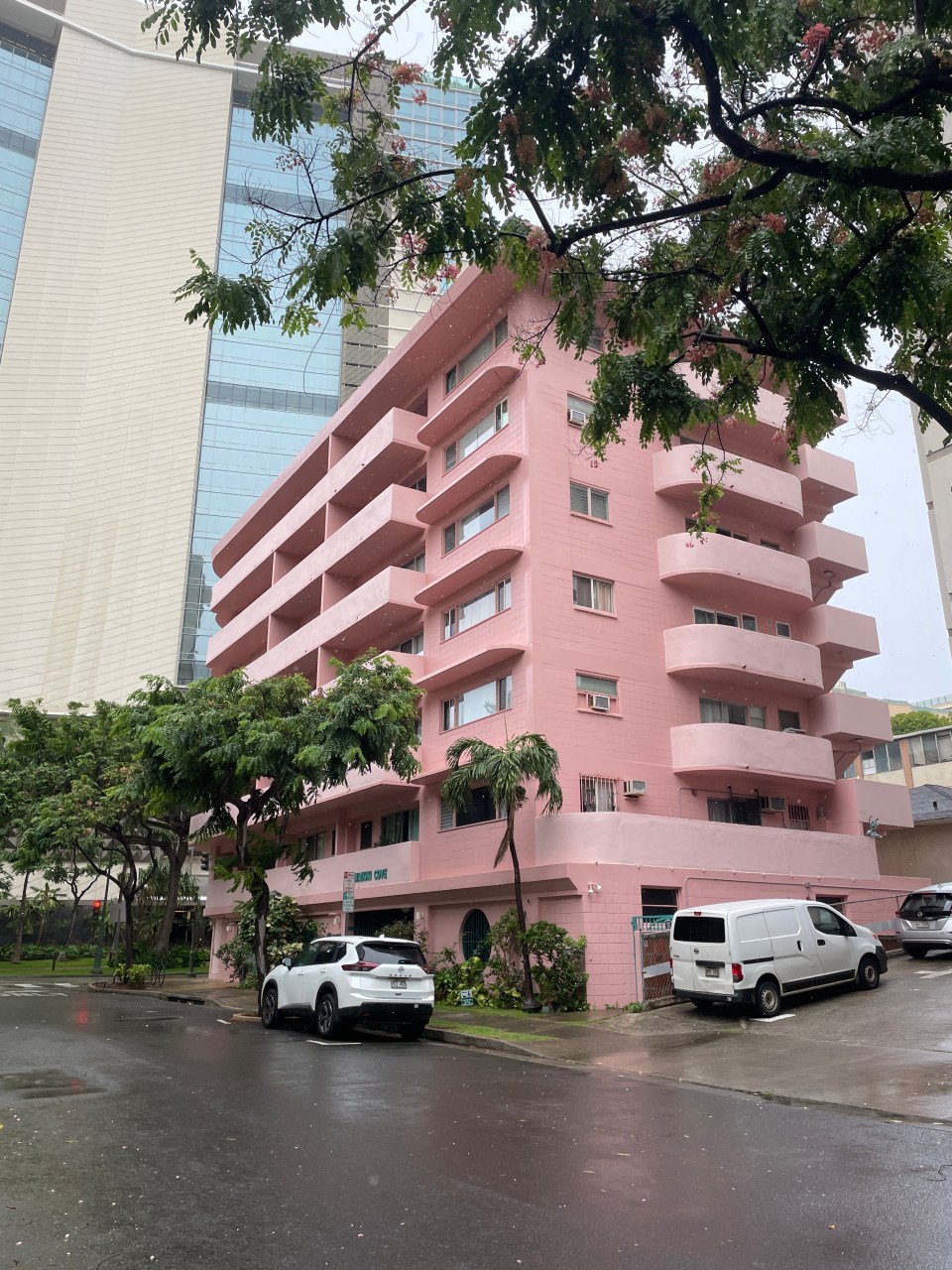
One is about the recent storm-related elevator failures that have stranded people in Honolulu high rises.
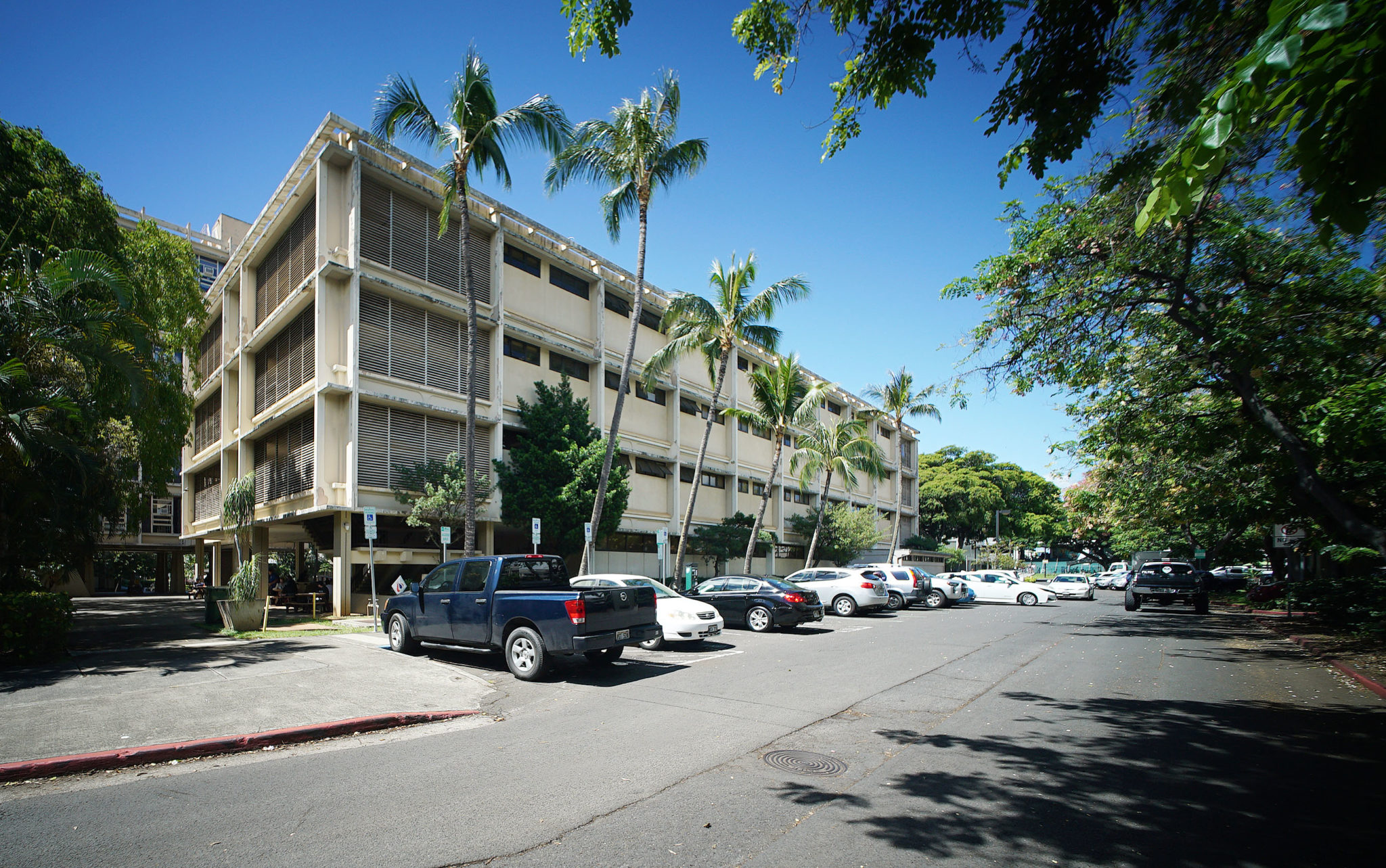
The other is about just a single elevator – the crappy, malfunctioning one at Kuykendall Hall at the University of Hawaiʻi Mānoa, which was pretty much out of commission over five decades.
The Kuykendall elevator was an annoyance. The recent post-storm shutdowns are a mass problem that comes too close to a mass tragedy affecting a particularly vulnerable group of people – elderly folks living in high-rises.
Honolulu is a vertical city now. Its population is older. Many more people are over age 85 who want to live independently but at the same time have become more fragile. They often end up living alone in a high-rise.
But here’s the thing. The state’s response to the recent big elevator problem is pretty much like the response to the little problem at Kuykendall.
The Kuykendall non-fix was inconvenient, probably illegal for its effect on people with disabilities, and a blot on the university, which offered predictable explanations for it being regularly inoperable: No funds to fix the thing, parts chronically unavailable, a huge maintenance backlog, the sorts of things that are so much a part of living in this state.

Ideas showcases stories, opinion and analysis about Hawaiʻi, from the state’s sharpest thinkers, to stretch our collective thinking about a problem or an issue. Email news@civilbeat.org to submit an idea or an essay.
The Kuykendall elevator may have been the Little Elevator That Couldn’t, but at least it was a little elevator, not a big tragedy.
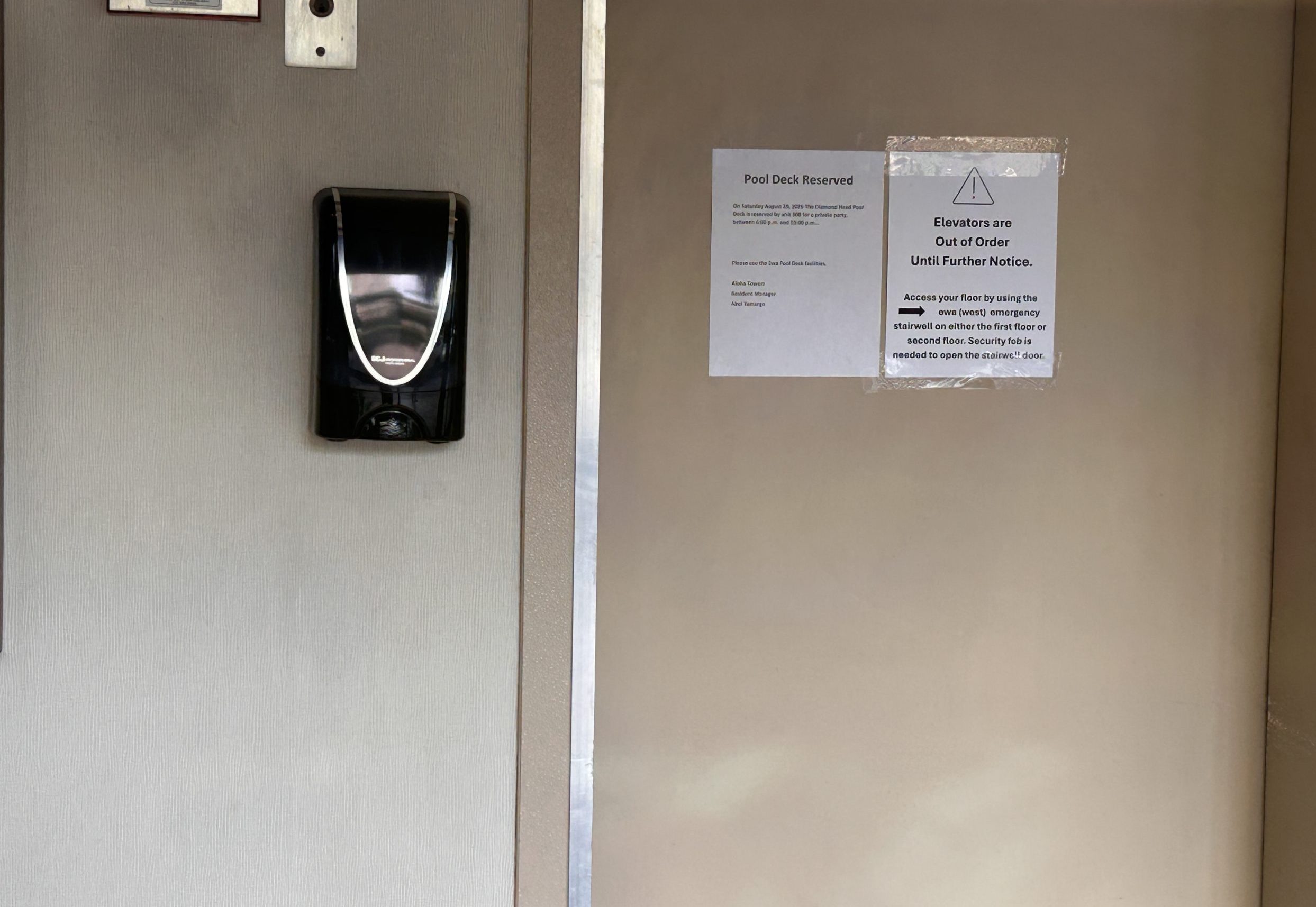
According to a Civil Beat report, there were and possibly still are hundreds of Honolulu residents trapped in their high-rise apartments because of elevator outages caused by the big summer storms.
As with Kuykendall, there are way too few elevator repair people, no timeline for when the problem will be solved, with the age of these buildings a contributing factor in outages and repair problems.
Broken elevators need to be inspected before going back into service. There is an enormous shortage of state elevator inspectors as well as a big inspection backlog.
To a person isolated high up in a building with broken elevators, sheltering in place is not shelter but more like a coal miner trapped under the rubble waiting for rescuers to pull him out.
Many have some disabilities. Medical appointments, food, visits from family, first responders climbing many flights of stairs. A day in the life.
Many old people live in older buildings having just one elevator.
These stories teach us four lessons about disaster responses.
First, in disasters some people are sheltered while others are trapped. Many years ago I wrote an academic article – “Learning to Live High” – about coming to grips with what it means to reside in a high-rise.
I was writing about the condo boom beginning in the mid-1960s when Honolulu started to become a vertical city. We still need that learning today, especially regarding disasters.
Second, many of the possible responses to disasters are slow fixes or fixes that won’t ever happen. More elevator technicians or parts on hand? Overcoming bureaucratic delays? Hope for the best, maybe. But remember that much the Kuykendall response resembles today’s elevator responses.
Third, speaking of slow, hard fixes, elevator repair and maintenance depends on funds from the buildings themselves. A generator may not solve the problem of a water-damaged elevator.
That is very much like Hawaiʻi condo and apartment fire safety problems. The buildings don’t have the funds to pay for mitigation, and the government is unlikely to help.
Fourth, government disaster money is of course crucial, but the full range of responses depends on the actions of individual people helping one another in hard and creative ways.
Think of all the mutual aid and volunteer work that has helped farmers in Waialua, hit by repeated storms and flooding this year. The same thing must take place in the high-rises, and it often does. Such as an EMT climbing the stairs, or a neighbor assisting a person on oxygen getting downstairs for a doctor’s appointment.
People in Hawaiʻi are really good at this. They are going to have to get even better because the government doesn’t have the capacity to do this for us.
What you have seen is pretty much what you will get. Government responses are amazingly good in some ways but inherently and severely limited in others.
That won’t change.
Buildings might have protocols for these situations. But they aren’t magic, still requiring effort by people living in the building. Heavy lifting, literally.
We need to come to terms with the fact that Hawaiʻi is a risky place to live.
So what? People live with risks all the time for good reasons. For so many people in Hawaiʻi, including an old person on the top floors of an old building, the risks are worth taking because you love Hawaiʻi, can’t imagine living elsewhere, or don’t see any acceptable alternatives.
After many decades of life, you have your preferences and no illusions about the place. That’s what keeps you going. It’s where you will spend your last days.
That’s a good model for all of us. It does not deny the specialness of Hawaii but at the same time is a reminder of the struggle it takes to live here.
 Sign up for our FREE morning newsletter and face each day more informed.
Read this next:
Local reporting when you need it most
Support timely, accurate, independent journalism.
Honolulu Civil Beat is a nonprofit organization, and your donation helps us produce local reporting that serves all of Hawaii.
ContributeAbout the Author