Beth Fukumoto: Hawaiʻi Voters Wanting Change Didn’t Get It Tuesday
The big turnout and number of election “firsts” nationwide contrasted with what happened in our state – more voter apathy and more of the same politicians, with one exception.
November 8, 2026 · 6 min read

About the Author

Across the country, election night produced an inspirational list of firsts: the first Native American woman elected governor, the first Black woman elected governor, and Texas’ first Latina governor. In Hawaiʻi, it produced mostly business as usual.
The national firsts came as Democrats won control of the U.S. House and the Senate and flipped at least 10 state legislative chambers. Still, about one in five voters who backed Democrats for the U.S. House had an unfavorable view of the Democratic Party, according to the AP Voter Poll, suggesting this was as much a Republican riptide as it was a blue wave. At least, that seems to be the case in Hawaiʻi, where Democrats triumphed with lower-than-ever turnout.
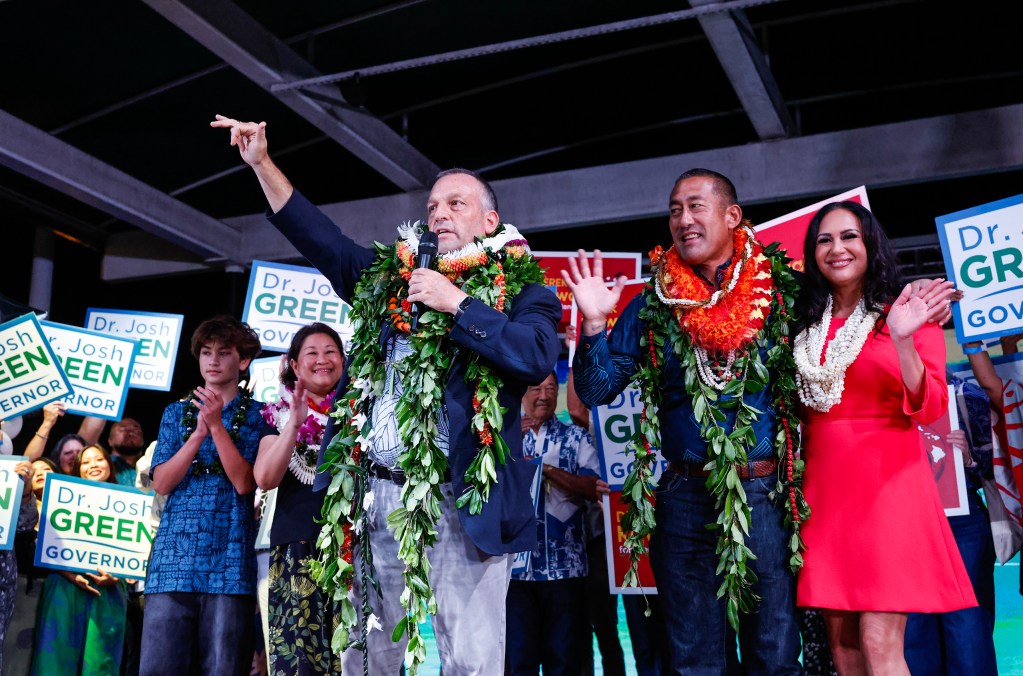
Gov. Josh Green won a second term easily, and Republicans, on the current count, lost four of their 10 state House seats, three of them to Democrats. The two state Senate seats I thought Republicans might pick up both went to Democrats.
I’ll admit the local Republican losses caught me by surprise.
Nationally, voters said corruption and the cost of living mattered most, and they replaced the party in power. In Hawaiʻi, where both have been making headlines, our Democratic supermajority must take some of the responsibility. But while Hawaiʻi Republicans don’t always rise or fall with the national party, they may have finally discovered that the party’s brand is now so damaged on corruption and affordability that they can’t credibly pitch themselves as the party of accountability and working people.

Ideas showcases stories, opinion and analysis about Hawaiʻi, from the state’s sharpest thinkers, to stretch our collective thinking about a problem or an issue. Email news@civilbeat.org to submit an idea or an essay.
I’ve argued before that voters here rarely choose Republicans for the national party’s platform. Instead, they choose them when Democrats fail to live up to their own. This year, a lot of voters just stayed home.
Only 45.8% of registered voters cast ballots, the lowest turnout for a general election in the Office of Elections records going back to 1959, and below even the previous low of 48.7% in 2022. The figure is unofficial until ballots with signature problems are cured, a process that ends Nov. 10.
That’s the opposite of what happened across the country, where motivated voters showed up. Turnout among eligible voters rose from 46% in 2022 to about 49% this year, according to early estimates from the University of Florida Election Lab. In Hawaiʻi, by the same measure, it fell from about 41% to about 38%.
Voters wanted change, and neither of Hawaiʻi’s two largest parties offered it.
In West Maui, voters had another viable alternative, and they took it. They rejected both Democrat Sne Patel and Rep. Elle Cochran, who left the Democratic Party for the Republican Party in March, and chose Green Party candidate Pāʻele Kiakona, a leader of the post-fire recovery group Lahaina Strong. If his lead holds, he’ll be the first Green Party member of the Legislature.
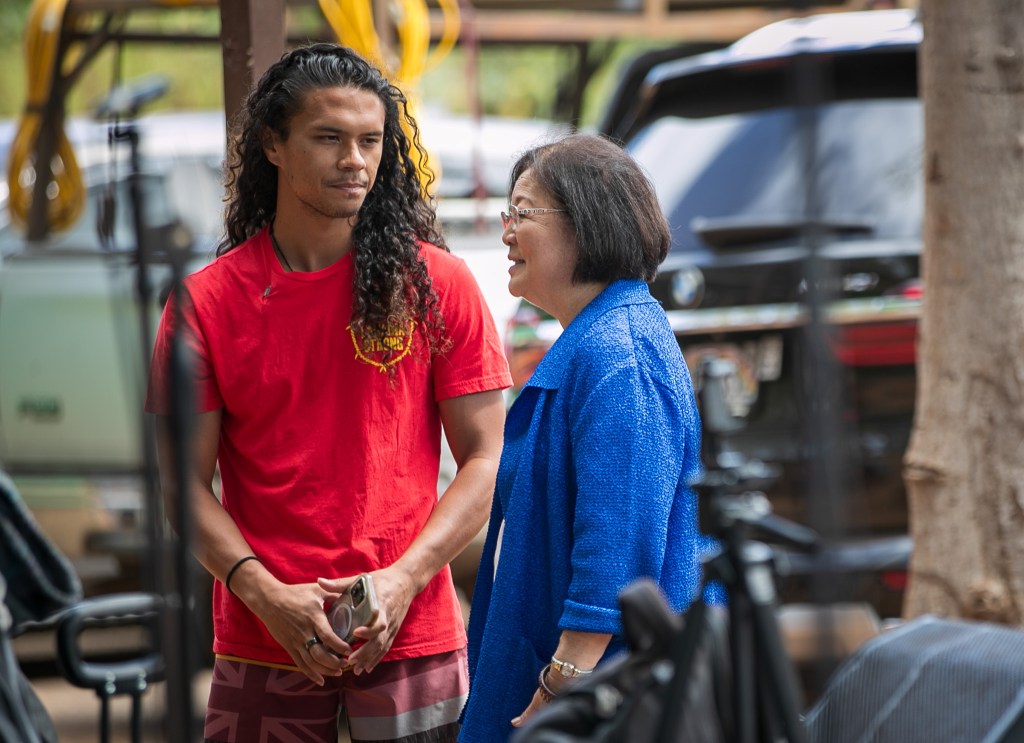
His lead is just 107 votes, and the count won’t be final until after Nov. 10. Cochran missed 51 of 60 House floor sessions in 2025, which is why House Majority Leader Sean Quinlan called her an anomaly. And the district is still rebuilding from the 2023 wildfires.
But the money in the race looks familiar. As I wrote before the election, nearly every power broker lined up with Patel, from House leadership and the building trades to the realtors, Altria, Kalshi and Matson. In reports filed through Nov. 2, he had raised at least $78,800, including at least $15,900 from the campaigns of House Speaker Nadine Nakamura and 13 other sitting legislators. Outside groups spent at least $66,000 more on his behalf, while Kiakona raised at least $43,800, mostly from individuals.
That’s where West Maui mirrors the national results. Texas Gov.-elect Gina Hinojosa had institutional support, including $1 million from the Democratic Governors Association, but she won despite being outspent 5-to-1 on advertising, by AdImpact’s count. Kiakona had the backing of the state’s five largest unions, but he couldn’t match Patel’s money either. In both places, voters who wanted change chose it over a well-funded status quo.
Hidden among our overall lackluster results and terrible voter turnout, West Maui shows that when people had a real, viable choice, they chose change. And, voters here needed that change for the same reasons as the rest of the country. On affordability, a single adult in Hawaiʻi needs $31.01 an hour to cover basic costs, almost twice the $16 minimum wage, and about 54,500 more residents left for other states than moved here in the past five years.
On corruption, two former legislators pleaded guilty in 2022 to taking bribes for legislative favors. In July, a grand jury indicted five more people, including current and former state officials, in a separate bribery case.
That should worry Hawaiʻi Democrats more than it seems to.
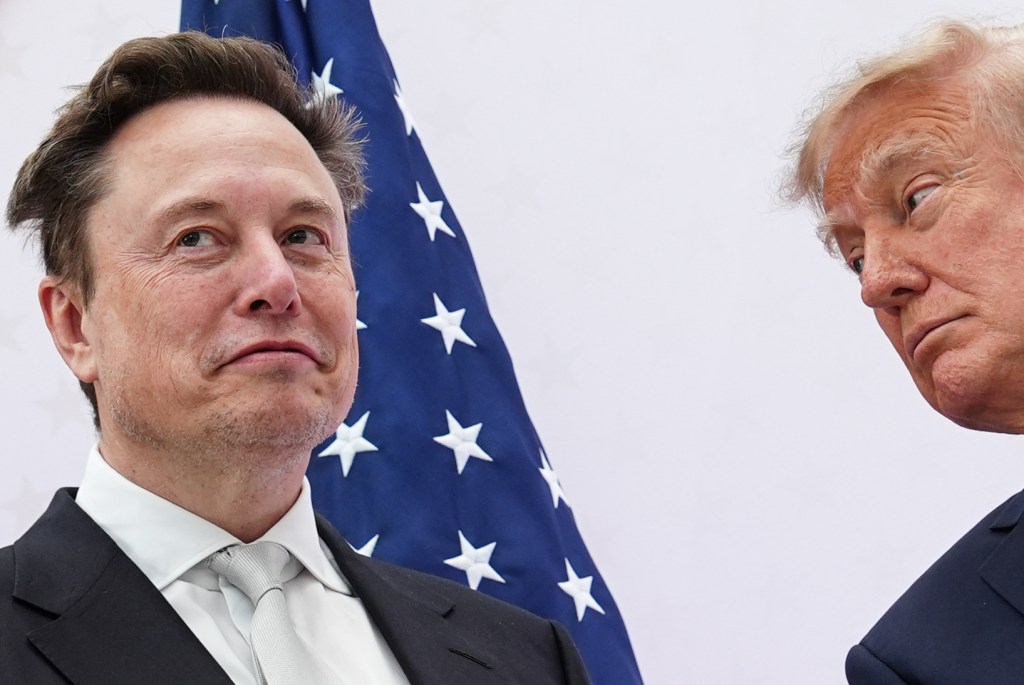
In Texas, Democrats won in part by running against Elon Musk’s money and the rising cost of living, and I expect national Democrats to keep making that case. Here, the party rode the same wave without offering voters much of anything new. Earning back their trust before 2028 will take some serious soul-searching on affordability and accountability.
Hawaiʻi Republicans face their own reckoning. Their best path to more seats has always been holding Democrats to their own promises when they fall short. But it’s hard to run against corruption and big money while staying quiet about a national party that embraced Musk as he spent at least $445 million trying to keep Congress in Republican hands. Unless local Republicans are finally willing to stand up to President Trump and the party he leads, it seems they’ve given up that path.
Both parties have two years to show they heard the message. West Maui proved that voters here will choose change when someone actually offers it, even against the money. The question for 2028 is whether either of Hawaiʻi’s two largest parties will.
 Sign up for our FREE morning newsletter and face each day more informed.
Read this next:

Local reporting when you need it most
Support timely, accurate, independent journalism.
Honolulu Civil Beat is a nonprofit organization, and your donation helps us produce local reporting that serves all of Hawaii.
ContributeAbout the Author