

Todd Simmons: What My Mexican-American Sons Think Of Trump
They hear his slurs against immigrants, his attack on a judge’s credibility. Don’t expect them to register Republican when they turn 18.
To raise Mexican-American children in the United States today is to face down the daily, dehumanizing belittlement that dominant U.S. culture so casually and thoughtlessly throws their way — through television and movies, news media and a social dialogue in which Mexican slurs are shockingly common.
Hawaii may be the Aloha State, but it’s not immune. My sons have come home as often from school here as when we lived on the mainland reporting anti-Mexican characterizations and slurs repeated by other students — often without animus or even ill intent, but then, children often say things they’ve heard from adults without fully understanding nuance, context or impact.
Bad enough for Mexican-American kids to have to suffer that kind of abuse from their peers. But now they get it from an even more toxic and influential source: The presumptive Republican nominee for the presidency of the United States and the surrogates and supporters who too often rationalize away his appalling racism as though he unfortunately used the wrong fork at a dinner party.
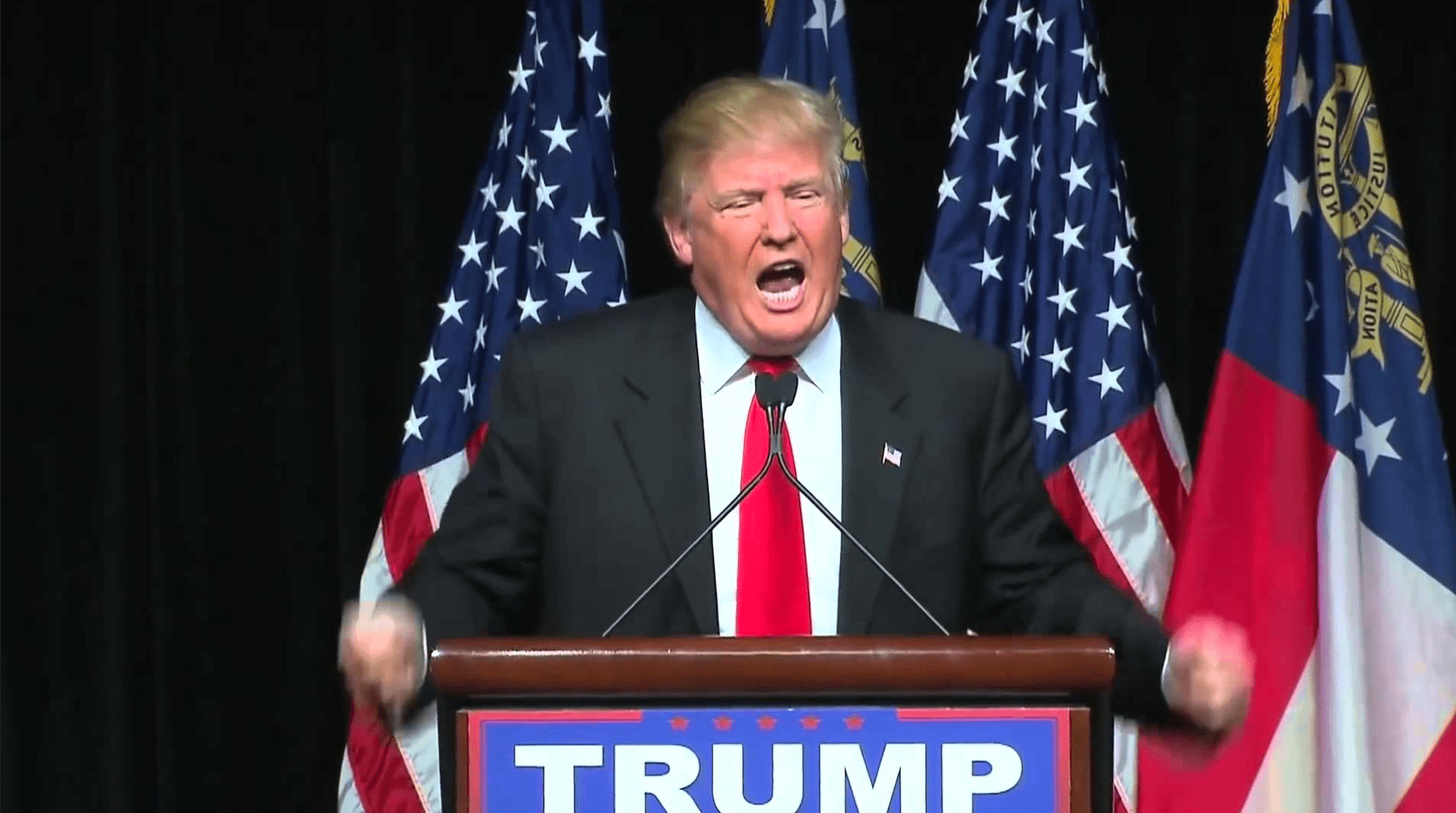
Donald J. Trump has seriously lost his footing this week on the campaign trail — for the first time, really — over his most recent, outrageous Mexican-American gaffe: His insistence, in numerous public remarks and media interviews, that Judge Gonzalo Curiel is treating him unfairly in the fraud lawsuit against Trump University because Curiel is of Mexican heritage.
“And I want to build a wall,” says Trump, as though any reasonable person should understand why a sitting federal judge would be moved to act unethically over Trump’s moronic promise to wall off the southern border of the mainland United States.
House Speaker Paul Ryan’s response was typical of Beltway GOP leaders. He condemned the remarks, calling them a “textbook example of racist comments,” but refused to rescind his endorsement of Trump. Likewise Senate Majority Leader Mitch McConnell and a long list of others who continue to call Trump morally acceptable as the party’s nominee.
Only U.S. Sen. Mark Kirk of Illinois has pulled his previously declared support from Trump over the judicial comments. Given his embattled bid for re-election — Congresswoman Tammy Duckworth, who grew up in Honolulu, has him squarely in her sights — it’s no wonder Kirk is practically sprinting in the opposite direction.
But the question must be asked: If Trump’s comments about Curiel were racist and, at least on some level, unacceptable, why did Kirk, McConnell, Ryan or their colleagues ever endorse him to begin with? This is exactly the same guy who in kicking off his campaign last year, described Mexican immigrants as rapists and drug dealers. One year later, they’re somehow shocked — shocked! — that he would say something nasty about a Mexican-American judge?
Let’s be clear: If Trump hadn’t made a single additional offensive comment beyond those from his campaign kickoff, he already would have rendered himself plainly unfit to hold the highest office in the land.
Were Ryan, McConnell, Kirk & Associates — sounds like a patrician law firm, no? — not listening then?
My sons, who were born of an immigrant family, were.
Because one of their adopted dads is a journalist, they live in a home where the news is part of the family conversation. So they watch and hear Trump as he makes the same appallingly racist remarks he does on any given day, and they ask, time and again, Why would anyone vote for him, Papa? Why does he say those things?
Is there a chance he’ll be president?
I can answer those first two questions easily enough. It’s that last question that gives me pause.
The truth is, I never expected Trump to get this far.
I suppose I had overestimated the evolution of the civil rights movement in this country and the lasting change it had brought. I underestimated the number of people in America to whom Trump gives voice — voters to whom treating immigrants and racial/ethnic minorities fairly as fellow human beings represents “political correctness.” People who admire Trump’s brash, shoot-from-the-hip approach because he “tells it like it is” whether the media and political elites like it or not.
My sons are not the only Mexican-American children who see the headlines and hear the sound bites. I reassure them, as I always do, that no matter what Trump might say, and no matter what they sometimes hear at school, this land is their land.
The list is virtually endless now of the racist, sexist, homophobic, profane and violence-mongering comments he’s made over the past 12 months. And rather than being driven from political life as previous candidates and elected officials have been for using such language, he’s been rewarded with the highest vote total for a Republican presidential nominee in U.S. electoral history, winning an unprecedented number of state primaries and caucuses in the process.
Even Hawaii Republicans bowed to Trump — with the notable exception of Beth Fukumoto Chang. The Hawaii House of Representatives minority leader found him too crass, his behavior too conflicting with her values, to support him. At the recent Republican state convention, the party faithful made clear what they thought of such a position, practically chasing Fukumoto Chang from the stage with angry insults and shouts for her to resign.
In an increasingly brown nation where the white portion of the electorate will fall to a historically low level this fall, Trump is creating a dynamic that will have lasting effects for his party similar to the one that Barry Goldwater’s failure to support the Civil Rights Act of 1964 had for Republicans back then. It drew in white conservative Southerners who previously had been Democrats, but African-Americans abandoned that party and have been dependably Democratic voters in the 52 years since.
Latinos, whom Republicans agreed they had to engage more effectively after a poor showing with Hispanic voters in 2012, now find themselves being similarly driven to the GOP’s exit doors. Trump’s attempt to clarify his statements on Curiel on Tuesday repeated his claims of “drugs and illegal immigrants pouring across our border” while claiming that — wait for it — some of his best friends are Mexicans.
My sons are not the only Mexican-American children who see the headlines and hear the sound bites from news reports on all of the above. I know, because they’ve told me, that they hope America will reject Trump this year.
I reassure them, as I always do, that no matter what Trump might say, and no matter what they sometimes hear at school, this land is their land. This land is our land. Both now, and perhaps even more importantly, in the years and elections that lie ahead, when they and many others just like them put the lessons to work that we’re teaching them right now.

