

Amid The Buzz Of Waikiki, 21,000 People Who Call It Home
“It is a regular neighborhood, just like any other urban neighborhood in any other city in the world.”
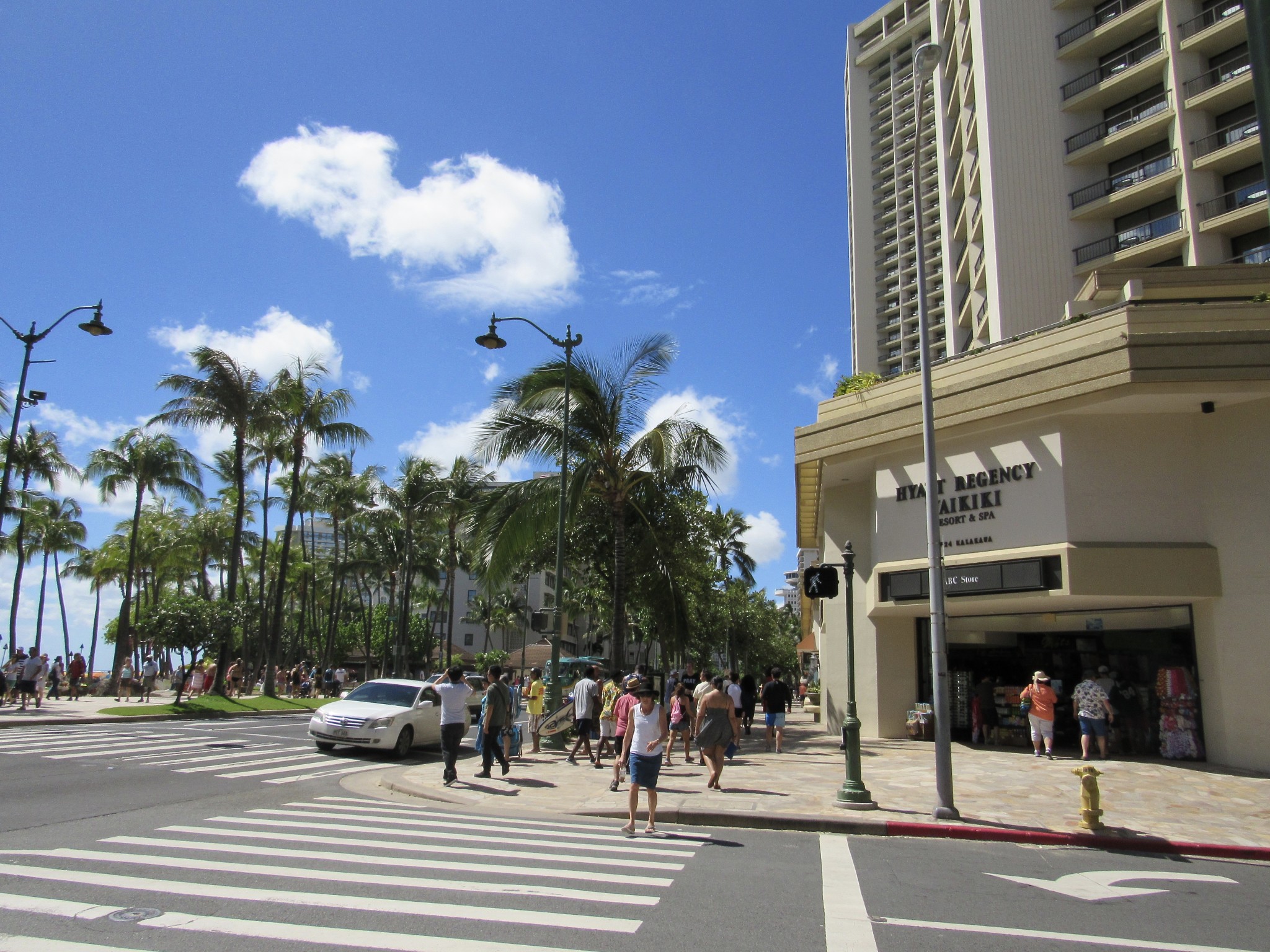
On a typical day, there are about 72,000 visitors in Waikiki, a stretch of golden beaches, hotels, shops and restaurants.
Hawaii’s biggest tourism driver attracts travelers from around the world.
But to about 21,000 people, Waikiki is home.
The main drag, Kalakaua Avenue, swarms with pedestrians day and night. But only one block to the north, Kuhio Avenue begins the transition to more locally oriented shops and the condominiums, apartments and — farther mauka — houses occupied by Waikiki’s full-timers.
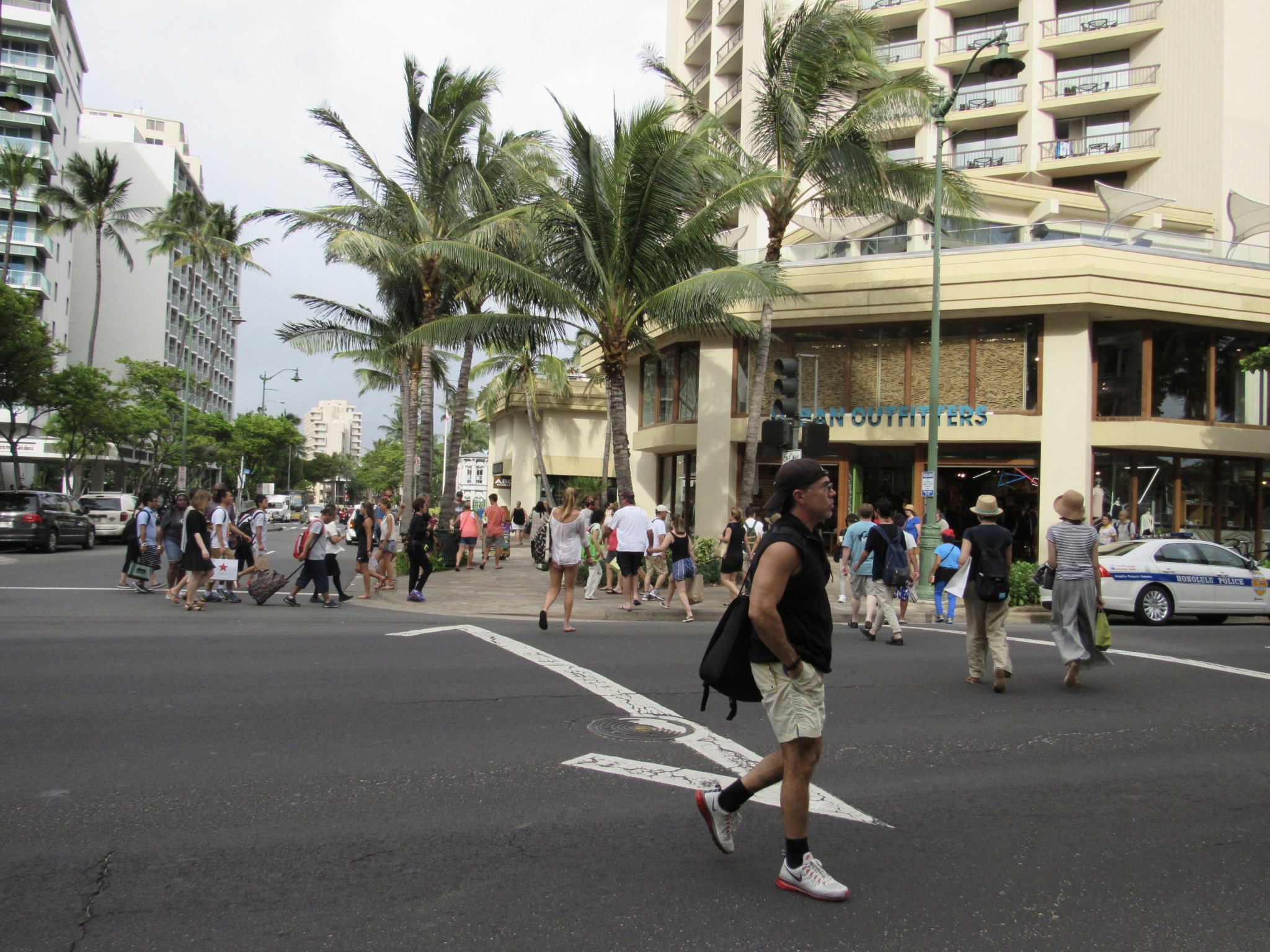
“I think this is important to remember, you also have a core population of real people, real residents who live there every day and some of them are retired, some of them go to work, and it is a regular neighborhood, just like any other urban neighborhood in any other city in the world,” said Louis Erteschik, a resident of 25 years and vice chairman of the Waikiki Neighborhood Board.
“It’s not just all tourists, right, even though that’s what people kind of think — that it’s just a beach resort.”
Like The Tourists, Residents Are Diverse
Waikiki’s residents are a mix of kupuna, working professionals and young families. Like the tourists, the residents come from all over.
While working at the Waikiki Community Center’s thrift shop on a sunny afternoon, George Gray thought back to his decision to move to Waikiki 15 years ago on his second trip to the tourist mecca. He was drawn by the nightlife.
Walking along a side street toward the Ala Wai Canal, Ned Davis said he moved to Waikiki from Manoa about two years ago when he found a place that offered views of the canal.
“There’s definitely a real transient element to Waikiki,” Erteschik said. “Right, I mean I think you have some people who come and … just stay for a little while. You know, everything from people who came out here on a vacation and loved it and decided to move out here or, you know, they met somebody, got involved in a relationship and moved down here.”
According to 2014 U.S. Census Bureau data, there are about 21,000 residents in Waikiki, between the Ala Wai Boat Harbor and Kapahulu Avenue.
Combining City And Nature
Until three years ago, Chris Lamadora, manager-in-training with Aloha Hawaii Tours, had resided in Waikiki for 17 years.
He lived on the fringe, where urban noise wasn’t an issue.
“Every morning when I woke up and (when I) went to sleep at night, I just look out my balcony and there’s Diamond Head and the ocean,” he said. “I can hear the birds and I could also hear all the animals from the zoo.”
Being close to his job was the reason he lived there, although he’s since moved out.
He was not alone among residents who want to live close to work.
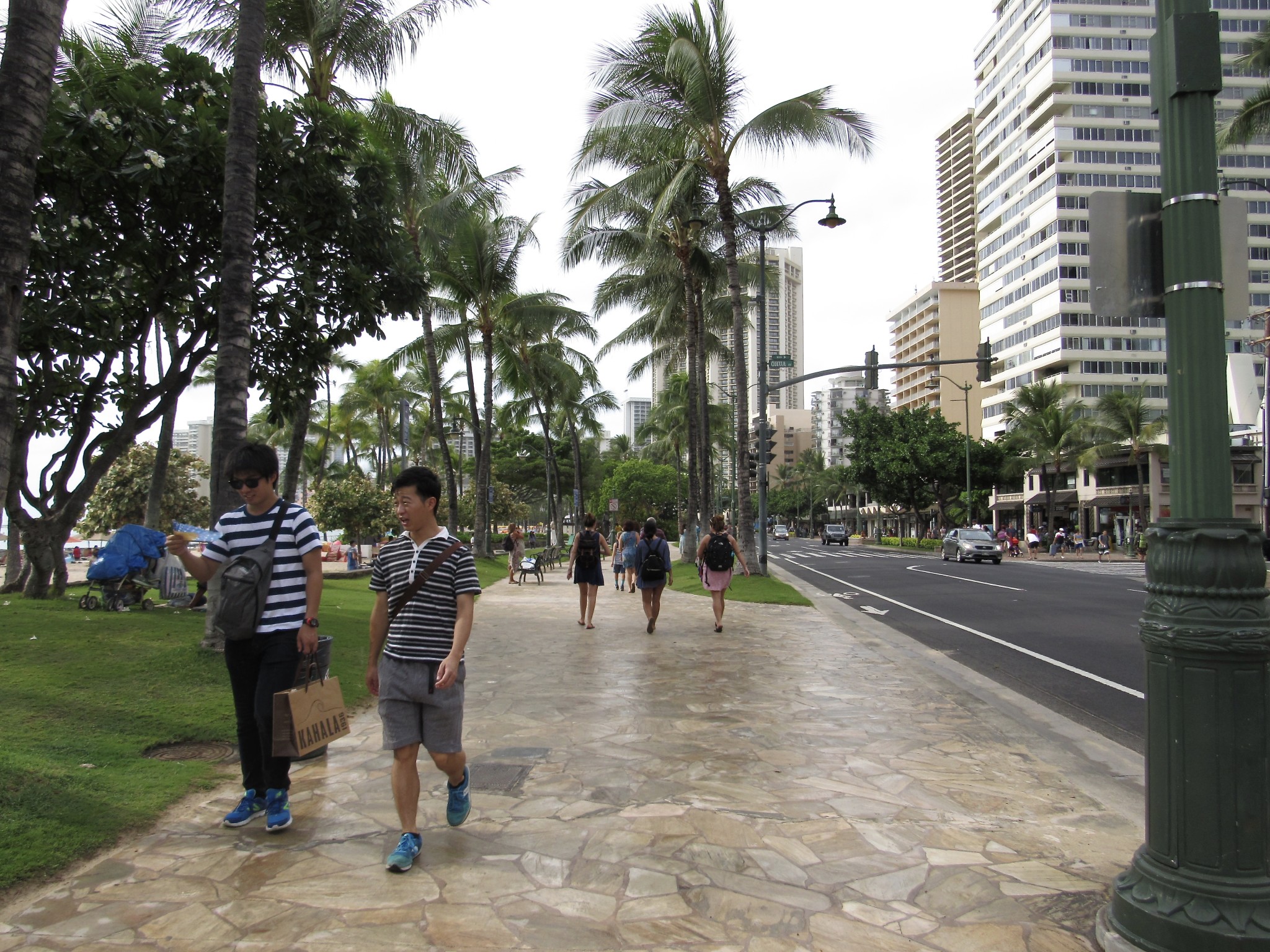
For 25 years, Waikiki has offered Erteschik the convenience to take the bus to work downtown, walk from one end to the other, go to the beach and experience some nightlife. He thinks others feel the same way, choosing the area for its combination of city-life amenities and stunning scenery.
However, that’s not the case for everyone. Davis says he has to leave Waikiki to go to the grocery store and get food that’s affordable, which complicates his life.
Waikiki Neighborhood Board Chairman Bob Finley said the needs and desires of residents are balanced with those of Hawaii’s visitor industry through partnerships with the Waikiki Improvement Association and the Waikiki Business District Improvement Association. Both groups aim to beautify the area, and the WBIDA manages the neighborhood’s designation as a special district to maintain and restore Waikiki Beach.
“So pretty much the visitor industry pays for a lot of essential city services that the taxpayers don’t have to, and it gets done quicker,” Finley said.
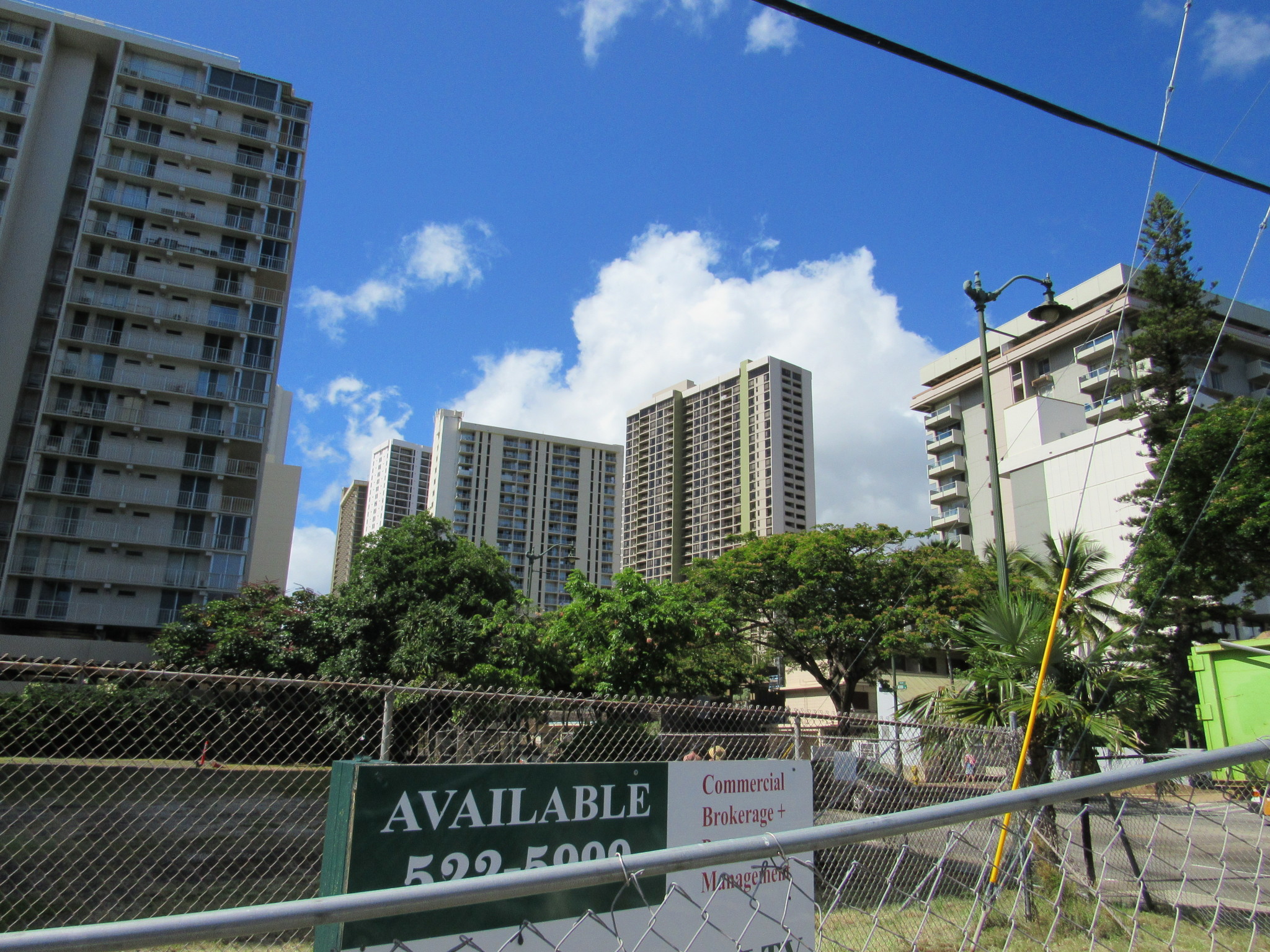
Still, some community members think Wakiki has grown too fast, state Rep. Tom Brower said.
“I personally think that there’s too much over-development in Waikiki,” Erteschik said. “And I think that there’s been sort of two philosophies, I mean that, yes it’s the economic engine and so there are those who feel that, well, the more that you develop it, the better it is. Because if you can squeeze a hotel in there, then that’s more construction jobs, that’s more people paying taxes, and that benefits all of us.”
Waikiki wasn’t always filled with hotels – it was marshland used for cultivating taro.
“It’s really not until after the 1900s that all this development came, but very few people know or can remember back, you know, through relatives on how it was,” Brower said. “And a lot of people just think Waikiki today is how it’s always been.”
Preserving Views — Or Not
Whenever a construction proposal comes before the Waikiki Neighborhood Board, residents’ biggest concerns are losing their views of the mountains or ocean, Finley said.
“If you’re a resident, and you’re sitting there and you’re looking at your view and then all of a sudden, another building goes up and you can’t see the mountains anymore, that to me, impacts the quality of life,” Erteschik said. “Particularly as urban dwellers, sometimes our view is all we have.”
Forty years ago, the Honolulu City Council made Waikiki a special district, limiting building heights and density and establishing setbacks. The design guidelines are aimed at maintaining a pedestrian-friendly atmosphere, enhancing its tropical ambiance, utilizing ground-level open space and imparting a Hawaiian sense of place.
Under the guidelines, significant views of the mountains and ocean from public viewing areas — including Diamond Head from Punchbowl — are supposed to be maintained. To achieve this, new high-rises are required to have a mauka-makai (mountain-ocean) orientation so they block less of the views.
Erteschik said developers often ask for exemptions. He cites the Ritz-Carlton Residences’ first tower at 2121 Kuhio Ave. as an example of how a project did not meet the design guidelines. The 34-story condo-hotel is 350 feet tall – exceeding the original 300-foot height limit with city approval – and was built parallel to the ocean.
The board voted against the Ritz-Carlton’s second tower and another project called Park Kalia Waikiki – previously called the “One Waikiki Project” – on Kalakaua Avenue, adjacent to Fort DeRussy Beach Park, over concerns that they did not meet Waikiki Special Design District guidelines.
“If you’re running out of vacant parcels of land to build on, then developers begin to look at existing parcels and think, ‘Well how can I build it higher?’” said Erteschik.
Rick Egged, president of the Waikiki Improvement Association, argues additional density within Waikiki is not a bad thing.
“From the standpoint of the economic contribution, if you want to have legal growth, then you have to put it in a place that we have identified, that that’s where we want tourism to take place,” he said.
He anticipates that Waikiki will probably become more dense, an assessment that probably pleases the tourism industry more than the residents.

