

Health Beat: Drug Ads Reveal Side Effects, So Why Don’t Doctors?
The medical community generally does a poor job of discussing the benefits and risks of some of our tests and treatments.
Have you heard the latest pharmaceutical commercials for the newest sleeping pills? Or erectile dysfunction drugs? Or antidepressants?
Once the happy people ride off into the sunset with their newfound health, the side effects are described, in a softer voice at a faster pace. Often they sound scarier than the condition itself.
“You might have an increase in suicidal thoughts.”
“Call a doctor if your erection lasts for more than four hours.”
“Do not operate heavy machinery if you are not sure how this medication will affect you the next morning.”
Honestly, sometimes the very side effects that are listed make me wonder why anyone would take any medication at all.
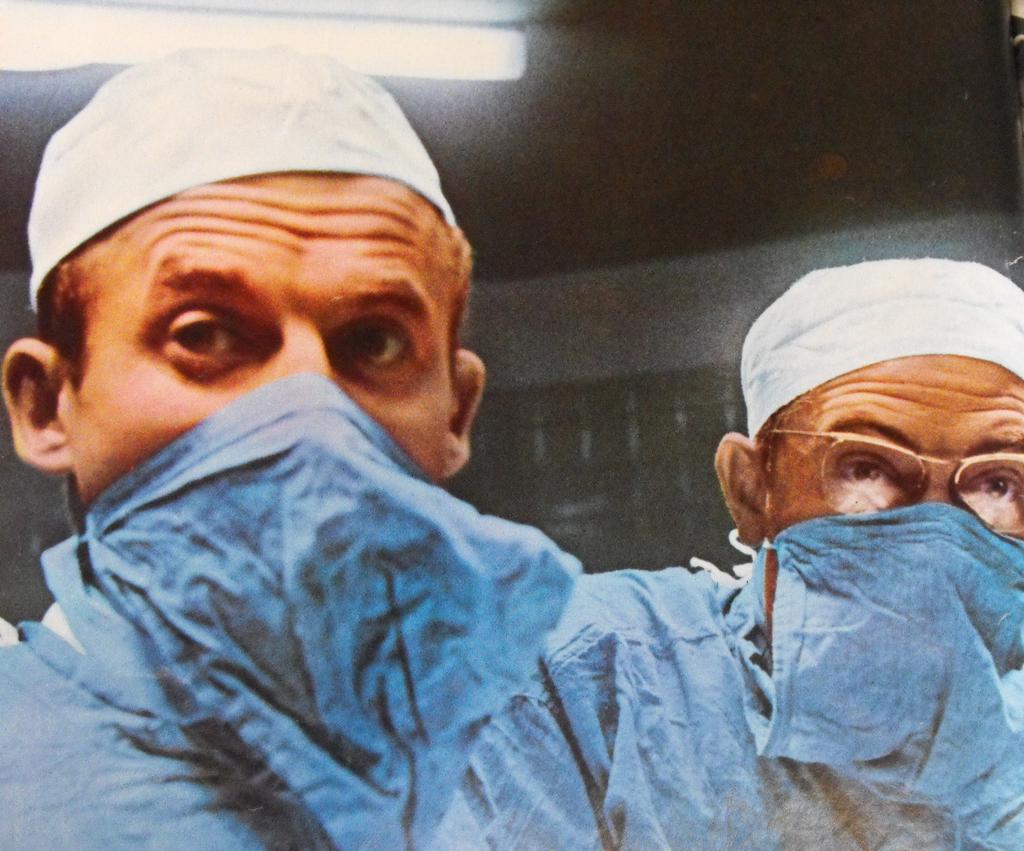
Still, as much as I don’t feel direct-to-consumer advertising for drug companies should be allowed, there are some elements of these ads that should be modeled in doctor’s offices. For the ads, it’s legally required. In medicine, it’s called informed consent.
How good has the medical community been lately in discussing the benefits and risks of some of our tests and treatments?
Look no further than the continued controversy about preventative care. Mammograms, formerly recommended yearly after age 40, are now recommended to be done every other year after the age of 50 until the age of 75, by the United States Preventive Services Task Force.
But what are most doctors and radiologists still telling patients? Yearly.
Should doctors be counseling patients differently? What does the data show?
Who Should Be Screened?
If 2,000 women are screened annually for 10 years, this will save the life of one woman, and 10 otherwise healthy women will be diagnosed with cancer and undergo treatment for cancers that would not have progressed. An additional 200 women will have a false alarm, an abnormal mammogram that requires further imaging, but is actually normal breast tissue for their body.
Those statistics suggest that current preventive health recommendations, what doctors tell patients every day about yearly routine mammograms, do not fully disclose the actual benefit and risk of doing yearly breast cancer screening.
It’s rare to hear doctors discuss the risks of over-diagnosis without backlash from the public and fellow colleagues.
So, if mammograms may not be lifesaving for everyone, who should be screened, and what should be done about borderline results? Researchers are trying to find out nationwide.
The WISDOM study is currently underway at the University of California San Francisco, looking at a personalized breast cancer risk assessment that determines the ideal frequency of mammography for individual women. The goal is to determine if testing is more effective if it’s more selective, in the hopes of avoiding unnecessary biopsies or imaging studies that often result in both psychological as well as physical distress.
Another study, spearheaded by the University of Texas MD Anderson Cancer Center and the Dana-Farber Cancer Institute, is looking at active surveillance of ductal carcinoma in situ, often referred to as stage 0 breast cancer, since many of these will never progress and may not require treatment at all. The current treatment includes surgery, radiation and even hormone therapy, but for some patients, the choice should be none of the above.
Even more controversial for our medical community, the Swiss have stopped doing systematic screening mammograms entirely. After a comprehensive review of all of the data, Swiss doctors have determined that the potential for harm in routine mammography outweighs the overall benefit.
These findings are never really discussed when doctors blindly recommend routine screening. Who wants to regret not detecting cancer until it’s already spread? But it’s rare to hear doctors discuss the risks of over-diagnosis without backlash from the public and fellow colleagues.
Treatment Can Be Worse Than Condition
Men are affected as well. There is controversy about the need for screening for prostate cancer. A few years ago, Otis Webb Brawley, the chief medical and scientific officer of the American Cancer Society, wrote the book “How We Do Harm,” detailing the issues with over-treatment of prostate cancer. One in seven men will be diagnosed with prostate cancer in their lifetime. However, only one in 39 will die from it.
What happens to those who are treated for a cancer that won’t cause their death? The key is in the treatment plan. For many men who are treated, all goes well and they don’t suffer any long term complications. However, for others the side effects of potentially unnecessary treatment are real, including urinary retention, erectile dysfunction and bowel or bladder incontinence.
Doctors generally detest the ads that tell the public to “talk with their doctor” to see if the advertised medication is right for them.
The latest guideline suggests that men talk with their doctors about the benefits and potential harms of screening, because although the blood test has few risks, the treatment if something is found can cause potentially devastating side effects. Anyone told that they have a cancer in their body is usually fairly reluctant to just let it go, for fear that they could be the one in however many who die from the disease.
Does that mean all screening should be stopped? No, not at all, according to the Preventive Services Task Force. But the recommendations have to be presented with both the benefits and risks of not just the screening tests, but also of the possibility of unnecessary treatment that will not prolong life and might cause symptoms worse than the disease itself.
Anyone watching those pharmaceutical ads can easily hear the list of side effects of the medication. Pharmacies also provide that information with every prescription. But the one place where patients should be counseled is the doctors’ office, and all too often, they are not.
Doctors generally detest the ads that tell the public to “talk with their doctor” to see if the advertised medication is right for them.
But the very idea of engaging in a discussion of the side effects of any treatment, whether it be a medicine or a screening test, is one element from those dreaded commercials that should be commonplace in every office.

