

Neal Milner: If TMT Foes Are Filibustering, Good For Them
They’re employing a tactic typically used by the rich and powerful as the justice system becomes increasingly inaccessible to average people.
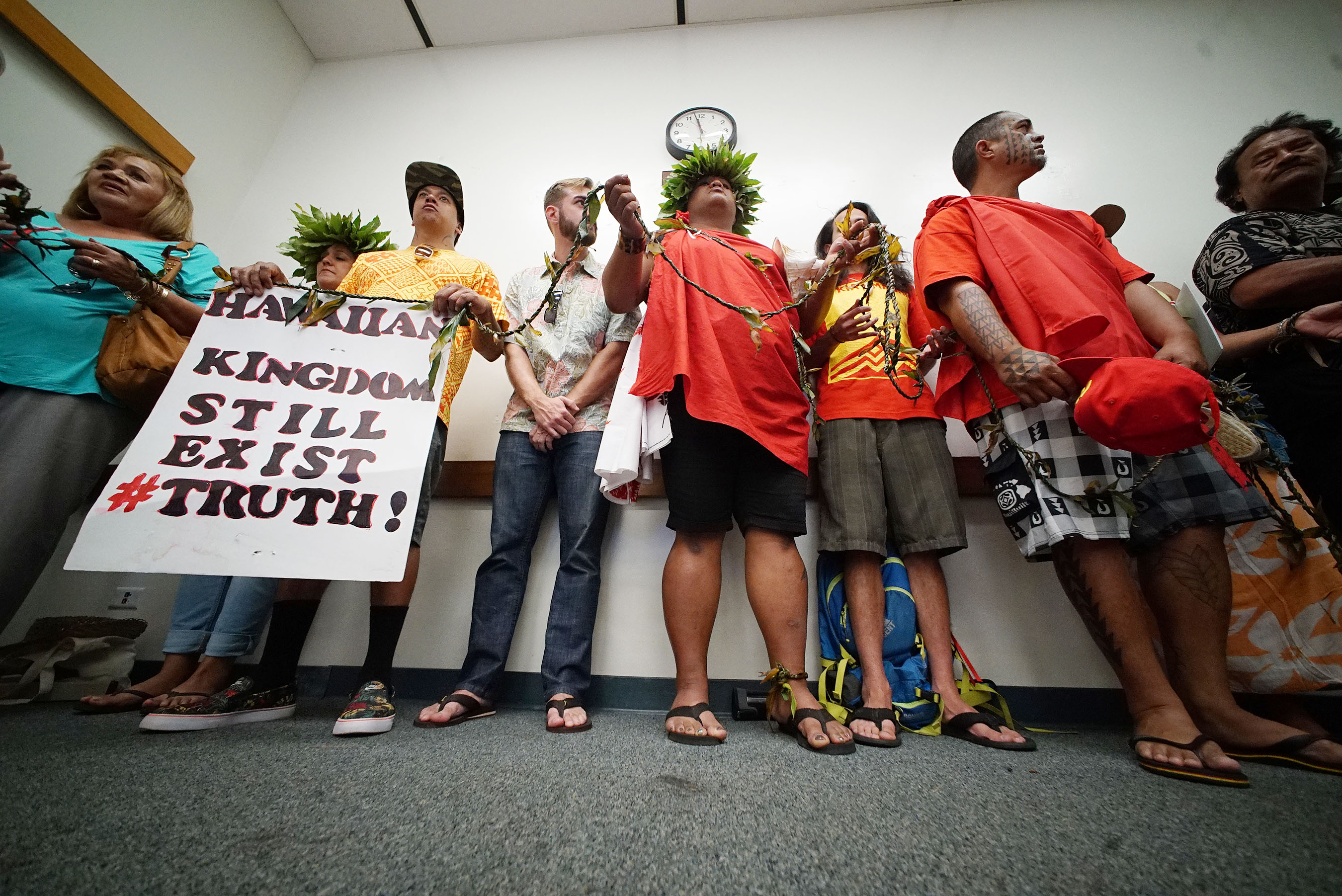
The Thirty Meter Telescope’s opponents are taking heat for the way they are conducting themselves in the ongoing contested case hearing.
Too bad, because their strategy is a model for what it takes to deal with America’s justice system, which has become increasingly inaccessible to average people.
In his recent The New York Review of Books article, Federal District Judge Jed S. Rakoff, calls this development “an insidious trend.”
“Ordinary US citizens have increasingly been denied effective access to their courts,” he wrote in a Nov. 24 piece titled, “Why You Won’t Get Your Day in Court.”
The TMT opposition shows what it takes to overcome this insidious inaccessibility. (Technically, TMT is a contested case hearing, which is quasi-judicial, but judicial enough for our purposes.)
Let’s call the TMT opposition “challenge-prepared” and call the people that Rakoff described “challenge-bereft.”
What TMT Opponents Have Going For Them
Telescope supporters recently told the Star-Advertiser that the opposition’s slowpoke tactics keep them waitin’ till it’s getting aggravatin’. The hearing, they say, has turned into a “filibuster.”
The opponents strongly deny this, but come on. Of course you are filibustering. And that’s OK.
Delay is a common legal strategy, but typically its use is one-sided. It’s a tactic that the rich, powerful and legally experienced use against poorer litigants.
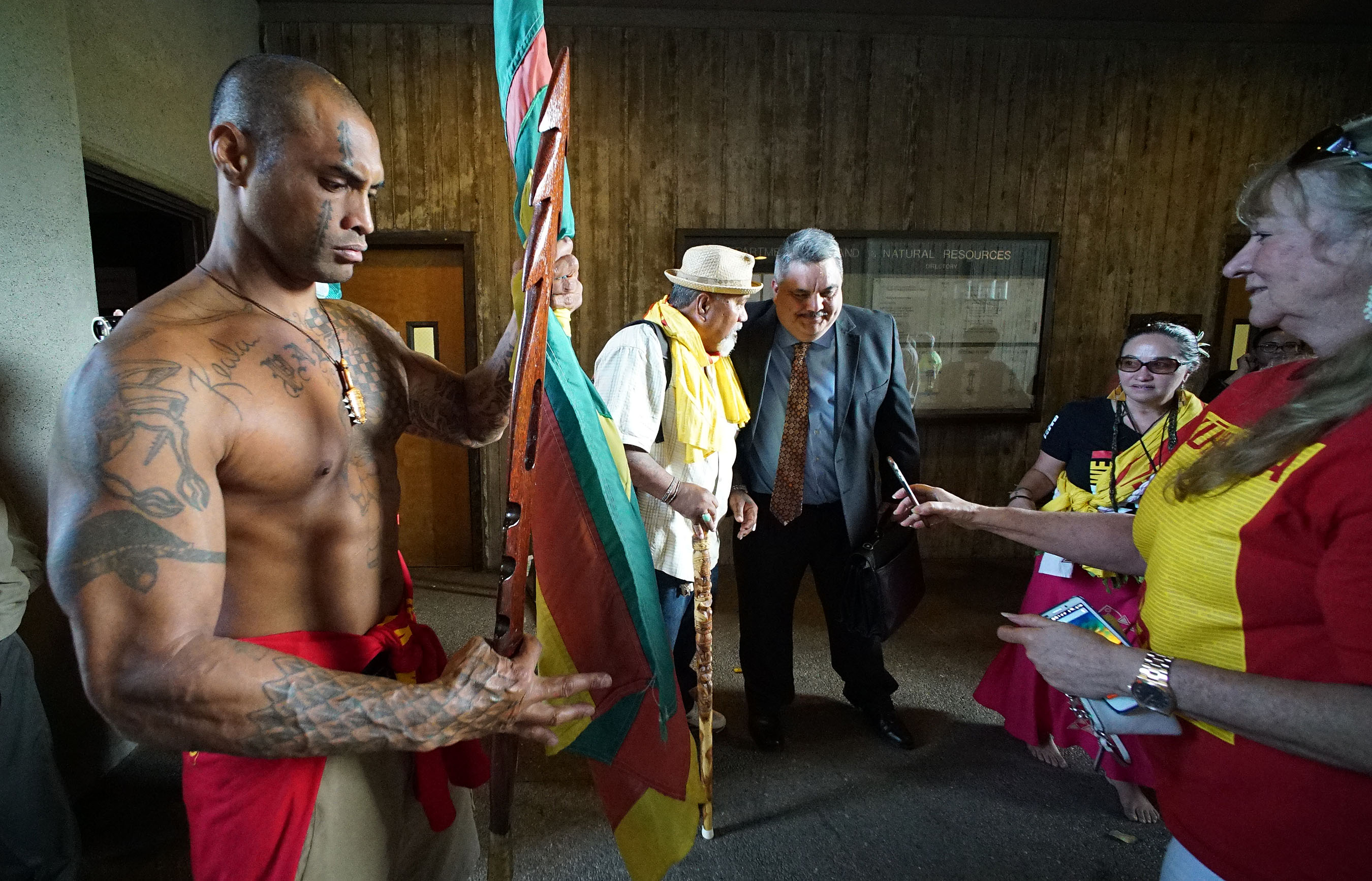
The tables are turned in the TMT case. The longer the opponents can drag out the hearing, the less likely the telescope will be built. In fact, some authorities say 2018 is a “hard deadline,” at which time it is likely to be bye-bye Big Island, hello Canary Islands.
But the strategy only works if the people involved have the resources to wait things out. That requires access to lawyers as well as the economic and psychological stamina to sustain a cumbersome, ongoing process that can eat away at your lives.
Those are precisely the resources ordinary people usually lack.
The TMT opposition has an experienced legal team. Whether the lawyers are working pro bono or getting paid, money does not seem to be a problem. So there does not appear to be any significant financial obstacles to dragging the contested case hearing out.
The hearing is no picnic for the TMT opponents. It is draining, emotional and frustrating. But it is manageable. Many of those involved with the case have previous experience with legal matters, including contested case hearings.
And they are not isolated individuals fighting a lonely battle, but rather a group bolstered by a network of passionate and supportive sympathizers.
They even filed a separate motion with the Hawaii Supreme Court last month seeking to stop the contested case hearing, but the court ruled against them Friday, meaning the hearing continues.
Now let’s look at what Rakoff documents as justice system impediments.
What Ordinary People Don’t Have Going For Them
It has become much more costly to hire an attorney and harder to find lawyers willing to accept contingency fees. Free legal services are almost entirely unavailable for civil cases.
At the same time, partly because of the financial crisis, more and more people have found themselves facing civil litigation but with no attorneys to assist them.
In his book “Evicted,” which The New York Times chose as one of its 10 top books of the year, Matthew Desmond shows how next to impossible it is for a tenant to challenge a landlord refusing to make essential repairs.
To begin with, the tenant can’t afford legal representation while the landlord has a regular lawyer. Here, delay works to the landlord’s advantage.
The tenant faces all kinds of vulnerabilities. She’s worrying about the landlord seeking revenge. She has no one to watch her kids if she decides to go to court on her own. And she has to take time off work.
As a result, Rakoff shows, more and more people in all kinds of cases represent themselves, resulting in bad outcomes.
A person going to court on her own without a lawyer is much more likely to lose her home in foreclosure and to get kicked out of her house in a landlord dispute. That self-representing person is also much less likely to obtain a protective order in a domestic violence case.
So courts have become essentially off-limits for most people. In 1938, 19 percent of federal civil cases went to trial. By 1962, that dropped to 11.5 percent. By 2015, a minuscule 1.5 percent of federal civil cases went to trial. State courts are likely just as bad.
The overwhelming and growing percentage of cases get settled without a formal hearing. As Rakoff points out, this is not always bad, but there are significant limits.
Alternative procedures like pre-trial settlements, plea bargains, mediation and arbitration, while helping some people, can also be flawed because people lacking resources turn to them because they really have no choice.
TMT Opponents’ Strategy Is Important To Us All
Courts are supposed to be forums of accountability, a place to fight the power. That’s what the rule of law is all about.
But, as Rakoff puts it, the ongoing inaccessibility trend has “dire consequences for the long-term ability of the courts to serve as an effective check on the power of the legislature and the executive.”
Win or lose, the TMT opposition’s legal strategy shows what it takes to buck this trend and make accountability work.
Love them or hate them, the anti-TMT legal strategists offer an essential reminder of the link between who has money and who gets due process.
It’s also a reminder that at its heart, the TMT contested hearing is about holding people in power accountable to rules.
Put that in the context of a Trump presidency. That should help you understand.

