Lawmakers Likely To Let Big Pay Raises Take Effect Without Public Hearings
The salary increases were recommended by a commission filled with former — and current — government officials.
March 16, 2025 · 12 min read

About the Author
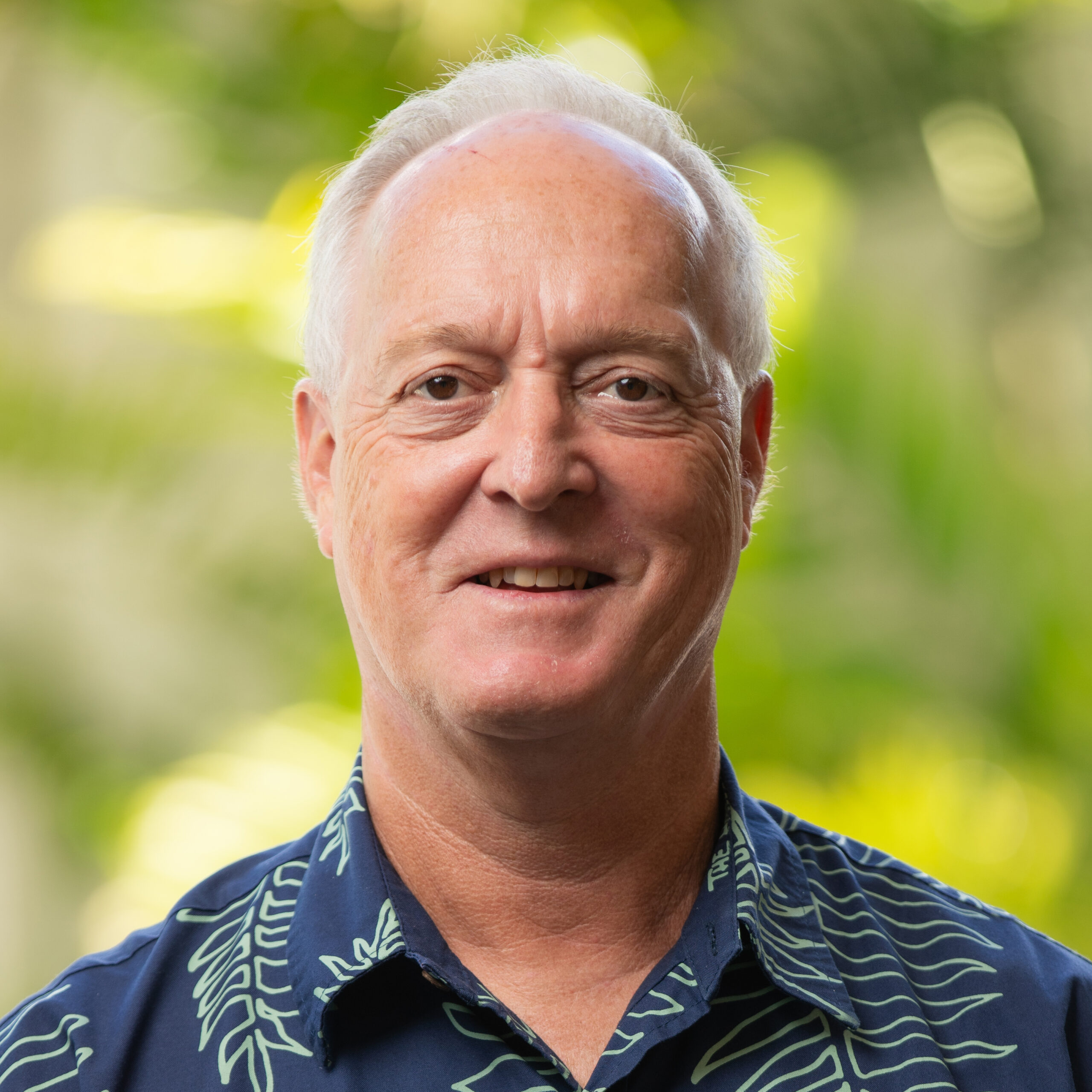
There is still time for the Legislature to hold public hearings on proposed raises for lawmakers, judges, the governor and other state officials, but there is a good chance any further objections from the public will be smothered.
The state Salary Commission, which itself is made up of former and current public officials, has recommended a package of raises that range from 35% to 48% over six years for the Legislature and other state leaders. Most of those raises will automatically take effect starting July 1 unless the Legislature votes to reject them.
That means the next six weeks will be a political pivot point.
House and Senate Republicans have introduced resolutions to reject the package of pay increases, but those resolutions may die in silence. Leading lawmakers aren’t saying if any hearings will be held to consider them.

If the Legislature buries those resolutions until it adjourns, it basically ends any meaningful public discussion on the raises.
Yet people still have much to say. Nānākuli resident Phebe Kahoiwai, a Pearl Harbor Shipyard employee, said she learned about the proposed raises on social media and decided: “I pretty much oppose it. Some of it is just too much.”
“Look what’s going on in Hawaiʻi,” she said. “I’m not seeing improvements. People are moving away from Hawaiʻi, so why do they need these major increases in such a hard time right now for everyone?”

Republican Sen. Samantha DeCorte, who co-introduced Senate Concurrent Resolution 36 to reject the pay package, said hearings should be held to find out if the public thinks there should be any raises and if so, how much.
In non-government workplaces, “these double-digit increases are just not common, and salary increases are not common every year, every other year, every five years,” she said. “It should be based on work performance.”
DeCorte said Hawaiʻi’s low voter turnout “reflects that the public is just not engaged. They just don’t care because they feel that there has been a disconnect. They just don’t feel like their engagement is making a difference.”
“In this process we have an opportunity to gain the public’s trust by letting them weigh in, letting their voice be heard on it,” she said.
Suddenly, The Public Is Paying Attention
The work of the state Salary Commission was traditionally done in obscurity, with little media coverage and little controversy. That has changed with social media and the post-pandemic video broadcasts of the 14 commission meetings held last year and this year.
Early on in this year’s process, the commission heard mostly from top state officials themselves, including House Speaker Nadine Nakamura, Senate President Ron Kouchi, Gov. Josh Green’s chief of staff Brooke Wilson and Hawaiʻi Supreme Court Justice Mark Recktenwald.
Lawmakers and court officials mostly argued for raises, with Kouchi and Nakamura contending that serving as a state lawmaker today is essentially a full-time job. Members of the Salary Commission declared that they want to provide the Legislature with a “living wage.”
But as the commission began to zero in on its final proposal — including plans to boost the pay for most state lawmakers from $74,160 today to $114,348 over six years — the general public began to push back.
Dozens of people submitted written testimony opposing the raises, and Salary Commission Chair Colleen Hanabusa worried aloud the Legislature might outright reject the commission’s entire package.
The Legislature has not done that since the current system for setting salaries for top government officials was established with an amendment to the state constitution in 2006.
Colin Moore, a University of Hawaiʻi political scientist, said the furor over a 64% pay raise granted to the Honolulu City Council in 2023 has heightened public awareness of the pay issue.
“I’ve rarely seen people that worked up about something, but I think a lot of folks were genuinely angry about those big City Council raises,” Moore said. “I expect the same to be true of these legislative raises, which means the legislators are going to hear a whole lot about it.”
“My sense is the extent of these raises may have been well beyond what the median member of the Legislature even wanted, because it’s going to create a ton of political pain for them,” he said.
Government Veterans At Work
Moore said he does not believe this Salary Commission has a good mix of perspectives. For example, the commission could have included someone with a background in organized labor, and he recalled the last chair of the commission was a Honolulu businessman named Michael Irish.
“That is a perspective that I find curiously missing here,” Moore said.
“I would think if you’re going to try to set salaries, you would want someone with a private sector perspective like they’ve had in the past,” Moore said. “It doesn’t seem to be all that representative of the community.”
The current commission members “all have sterling reputations, and they’ve made tremendous contributions to the state, and this is sort of a thankless task, so that needs to be acknowledged,” he said. But he added, “everyone on the commission is basically from an elite group of public sector officials.”

The law that created the commission in 2006 allows the House speaker, Senate president and governor to appoint two members each, with the chief justice of the state Supreme Court appointing the seventh member.
The group that emerged from that appointment process last fall was most notably populated by people with long years of experience in the top ranks of state government.
Former House Speaker Scott Saiki appointed Wes Machida, a former director of the state Department of Budget and Finance and a former executive director of the multibillion-dollar state Employees Retirement System.
Machida is currently a part-time senior advisor working in Nakamura’s office, and also serves on the board of trustees for the ERS.
“It is a group of people who are likely to be extremely sympathetic to the idea that these high-level public officials should be paid far more.”
Colin Moore, UH political scientist
Saiki also appointed Hanabusa, a prominent Honolulu lawyer and a former member of Congress. She was the first woman to become president of the Hawaiʻi Senate, and is now chair of the board of directors for the Honolulu Authority for Rapid Transportation.
Gov. Josh Green appointed commission members Pankaj Bhanot and Cathy Betts, who are both former directors of the state Department of Human Services.
Bhanot was part of the governor’s transition team after Green took office, and is chief executive officer of an information technology company called eWorld Enterprise Solutions that has a major IT contract with DHS. Betts is now executive director of the Hawaiʻi State Bar Association.
Kouchi also chose two members, Beth Amaro and Susan Arnett.
Arnett is a former longtime state deputy public defender who is now in private law practice. Amaro is a former Kauaʻi County government executive who is employed as member services and communications manager for the Kauaʻi Island Utility Cooperative.
Hawaiʻi Supreme Court Justice Mark Recktenwald appointed prominent Honolulu lawyer and former state Attorney General Margery Bronster to the Salary Commission.
Moore said the appointing officials understood quite well the members of that group “almost certainly were going to advocate for significant salary increases.”
“It is a group of people who are likely to be extremely sympathetic to the idea that these high-level public officials should be paid far more,” he said.
Setting Salaries For Many
Since the Salary Commission recommends raises for all three branches of government, its actions ripple through the state. Unless its recommendations are rejected by the Legislature, it sets the pay for 218 people who effectively run the state.
The commission proposes salaries for the entire Legislature as well as for top officials in the executive branch including the governor, the lieutenant governor and state department directors and their deputies. It also proposes salaries for state judges including the justices on the Supreme Court.
The commission only meets every six years. That means if the Legislature were to reject the latest commission recommendations, there would be no pay increases for the people in those jobs for six years to come.
The state had separate salary commissions for different branches of government until 2006, when lawmakers passed House Bill 1918 to change that. It became law without then-Gov. Linda Lingle’s signature, and the voters sealed the deal later that year by approving a constitutional amendment to officially create the current structure.
Hanabusa was a legislator and chair of the Senate Judiciary and Hawaiian Affairs Committee in 2006 and one of the architects who helped create today’s Salary Commission. She offered a bit of history that helps explain why the commission was given so much control over pay for such a diverse group.
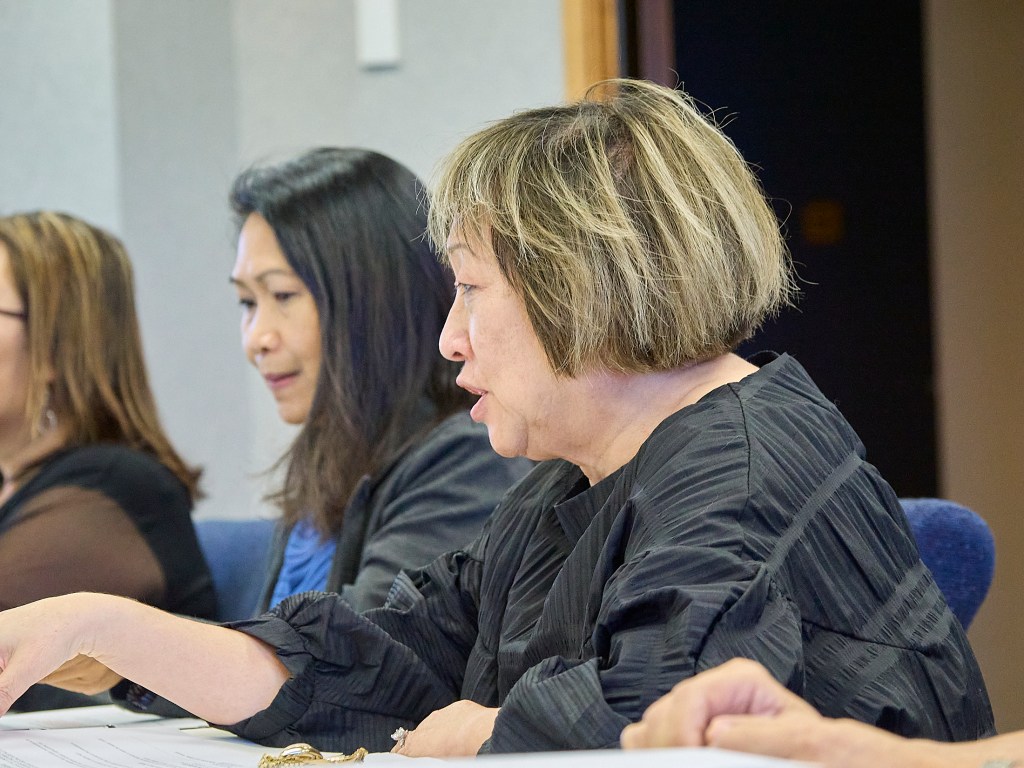
The original draft of the proposed constitutional amendment in 2006 did not include the salaries for the state Judiciary, and then-Chief Justice Ronald Moon became concerned, Hanabusa said in an interview. The problem was the Legislature had a history of refusing to fund raises for judges.
“Chief Justice Moon astutely said, ‘We’ve got to be included with everybody else,’ or he was afraid that the Legislature would then pick on the Judiciary,” she said.
The message from the Judiciary was “‘we want to be together with everyone else because we know what’s going to happen, the Lege is going to go (vote) up on theirs, and not to us,'” Hanabusa recalled. “That’s exactly why this whole thing came to be.”
The Honolulu Star-Bulletin opposed the constitutional amendment, arguing in an editorial it would “give legislative leaders control over salaries not only in the executive and judicial branches of government but of legislative salaries, allowing legislators to receive pay raises without being forced to vote on them.”
The voters approved the amendment anyway, with nearly 53% support.
Recruiting Top Talent
The final report by the Salary Commission warns that disapproval of the current pay proposal “would have a significant negative impact on recruitment and retention, and ultimately a significant negative impact on the people of Hawai‘i.”
The commission heard concerns over months of meetings that fewer candidates are stepping up to run for seats in the Legislature, and skilled local attorneys can make far more money in private practice than they can earn as judges.
“The brain drain that we’re suffering is real,” Bronster said at the March 4 meeting . “I can’t tell you how many lawyers I know who have gone to the continent for greener pastures.”
Hanabusa told her fellow commission members when their final report goes to the Legislature “we’ve got to kind of give them enough cover, in the sense that, ‘Hey, this is all done, and the way it’s done is because of all these different things, criteria that we’ve come up with. You guys go up.'”
Commission members began planning last week for meetings with legislators to make a pitch for their pay proposal, and also to make public appeals for the raises.

On the other side of the issue are House Resolution 77 and House Concurrent Resolution 83, which were introduced by seven House Republicans on March 7 and call for rejection of the raises.
Republican Sens. Brenton Awa and DeCorte introduced Senate Concurrent Resolution 36 in the Senate to do the same.
Kouchi declined a request for an interview on the resolutions, but said in a written statement that once the Legislature has officially received the commission’s report, “the members will be afforded the opportunity to review the report and discussions will be had regarding the contents of the signed report.”
SCR 36 was referred to the Senate Ways and Means Committee led by Sen. Donovan Dela Cruz, who did not respond to a request for comment.
Nakamura said the House is also awaiting the final report, which will be sent to the governor before it is forwarded to the commission. The House referred both HR 77 and HCR 83 to the Legislative Management and Judiciary committees, as well as the Finance Committee.
Judicary Chairman David Tarnas said in a written statement he has not yet read the resolution because he has been focused on other legislation, and said he plans to consult with Legislative Management Committee Chair Daniel Holt.
“Only after all that will it be clear whether or not these resolutions will be scheduled for a hearing,” Tarnes said in the statement.
Holt and Finance Chairman Kyle Yamashita did not respond to requests for comment.
Meanwhile Nānākuli resident Kahoiwai said she wants to get more involved because she does not believe some of the raises are justified.
“Do we need such a major increase? Or can the people decide?” she asked. “It seems like it’s just going to go through already.”
“At least let the people be heard,” she said. “A public hearing would be good, so at least we can feel like our voices are heard. They’re just going to do what they want to do anyway.”
Correction: An earlier version of this story incorrectly stated Salary Commission Chair Colleen Hanabusa and Vice Chair Wes Machida were appointed by House Speaker Nadine Nakamura. Both Hanabusa and Machida were appointed by former House Speaker Scott Saiki.
 Sign up for our FREE morning newsletter and face each day more informed.
Local reporting when you need it most
Support timely, accurate, independent journalism.
Honolulu Civil Beat is a nonprofit organization, and your donation helps us produce local reporting that serves all of Hawaii.
ContributeAbout the Author