Photo Essay: Helping Save Hawaiian Ducks From Extinction
Only about 700 koloa maoli remain in the wild and are centered on Kauaʻi. A team of researchers is trying to reestablish the population across the Hawaiian Islands.
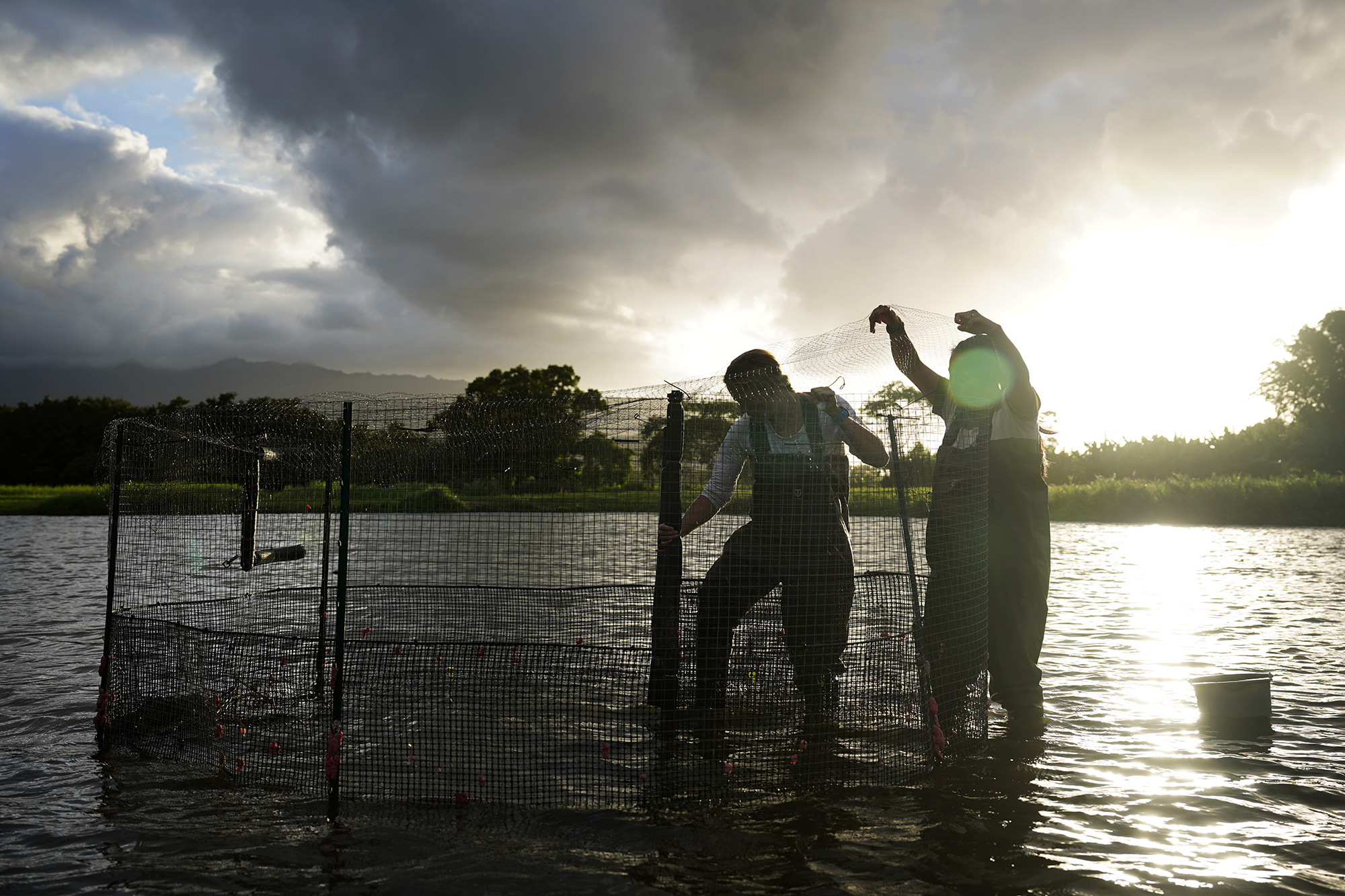
The group pivots when trapping enough koloa on Kauaʻi challenges their original plan to move 16 of the endangered waterfowl to Oʻahu. Instead, University of Texas-El Paso biologist technician Mairin Murphy said, “More information on the population, genetics and behavior of koloa needs to be collected before we can successfully begin our translocation. We are continuing to monitor and learn more about koloa on Kaua’i in the meantime, in order to help protect the species going into the future.”

UTEP, Colorado State University, the Hawaiʻi Department of Land and Natural Resources’ Division of Forestry and Wildlife and the U.S. Fish and Wildlife Service are combining to help to grow the endangered native Hawaiian duck population in the islands.
The koloa maoli have a fabled history in Hawaiʻi. “The Koloa would help guide the blind warrior from Kaʻū, Chief Imaikalini, in battle,” Murphy said. “The ducks would alert him to enemy presence by quacking, allowing him to launch 10 spears that would be guided by the ducks to their target. It was thought that no man could escape their lethal target.”
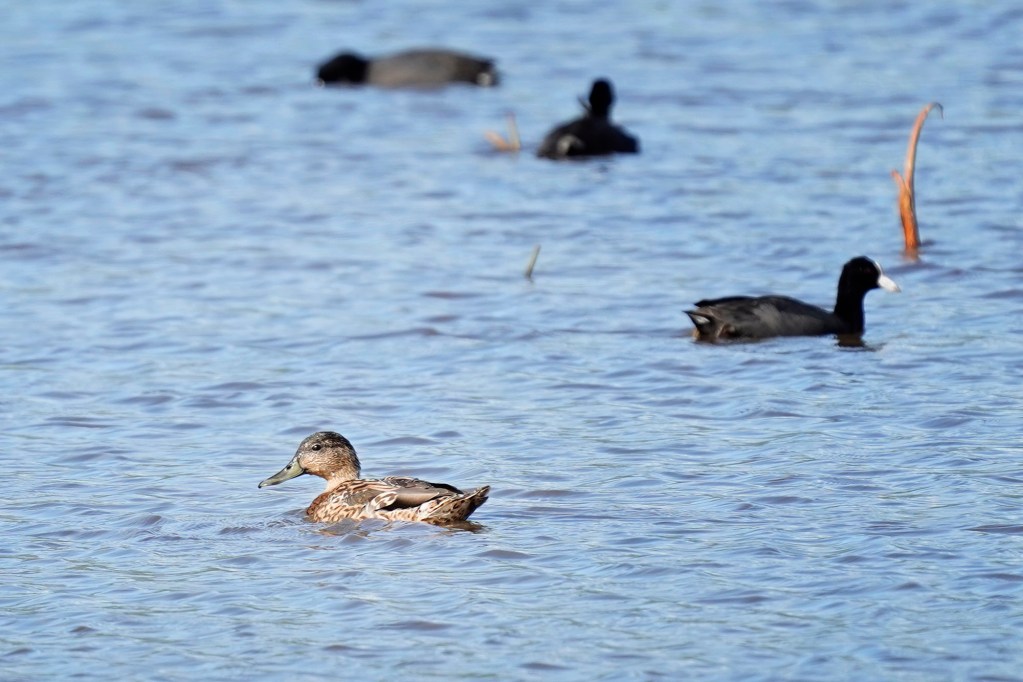
“The koloa maoli is the only duck native to the main Hawaiian islands and is considered a Federally Listed Endangered Species with only around 700 remaining in the wild.” Murphy said. “Koloa are a small, mottled brown duck that once existed across all the Hawaiian Islands, but their population currently only resides on Kaua’i. Koloa are nonmigratory, which makes them extremely dependent on their homes.”

“The project to save the koloa maoli from extinction through strategized breeding schemes has never been attempted before for any species.” Phil Lavretsky, UTEP principal investigator said. “If our pilot project is successful, the strategy will be implemented to reestablish koloa maoli across the Hawaiian Islands. Importantly, these methods will become a viable option for any other species periled by hybridization and other genetic limitations.”

“Koloa maoli face the threat of extinction from multiple factors like hybridization with feral mallards, habitat loss, predation by invasive species like cats, dogs, owls, mongoose, bullfrogs, pigs and wildlife diseases such as avian botulism.” Murphy said. She also said that not feeding wild ducks and other introduced feral animals would help the koloa.
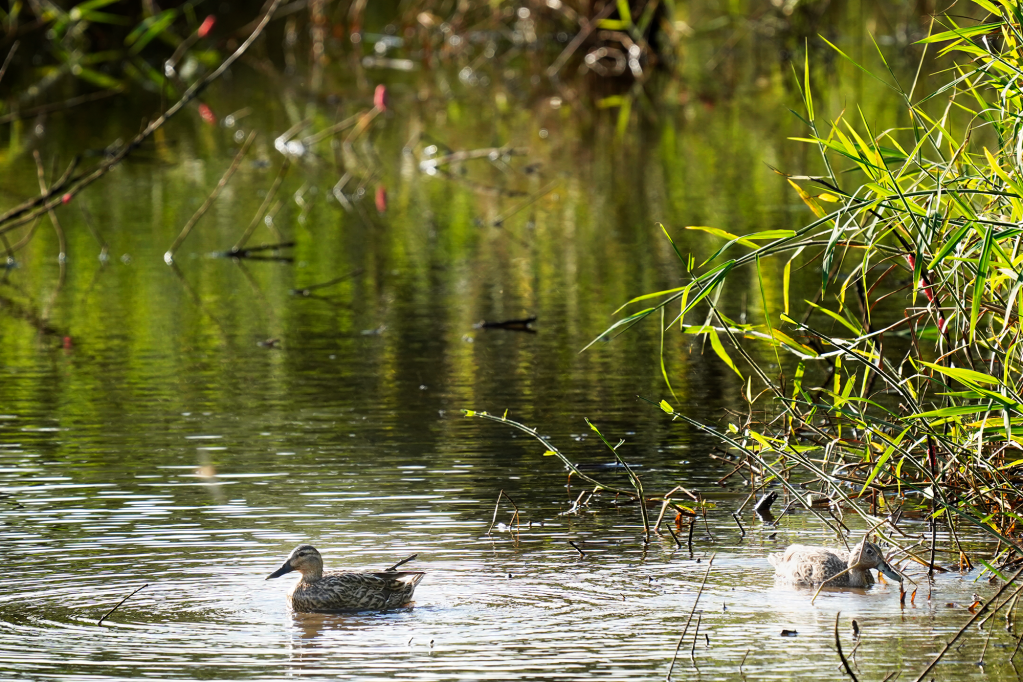
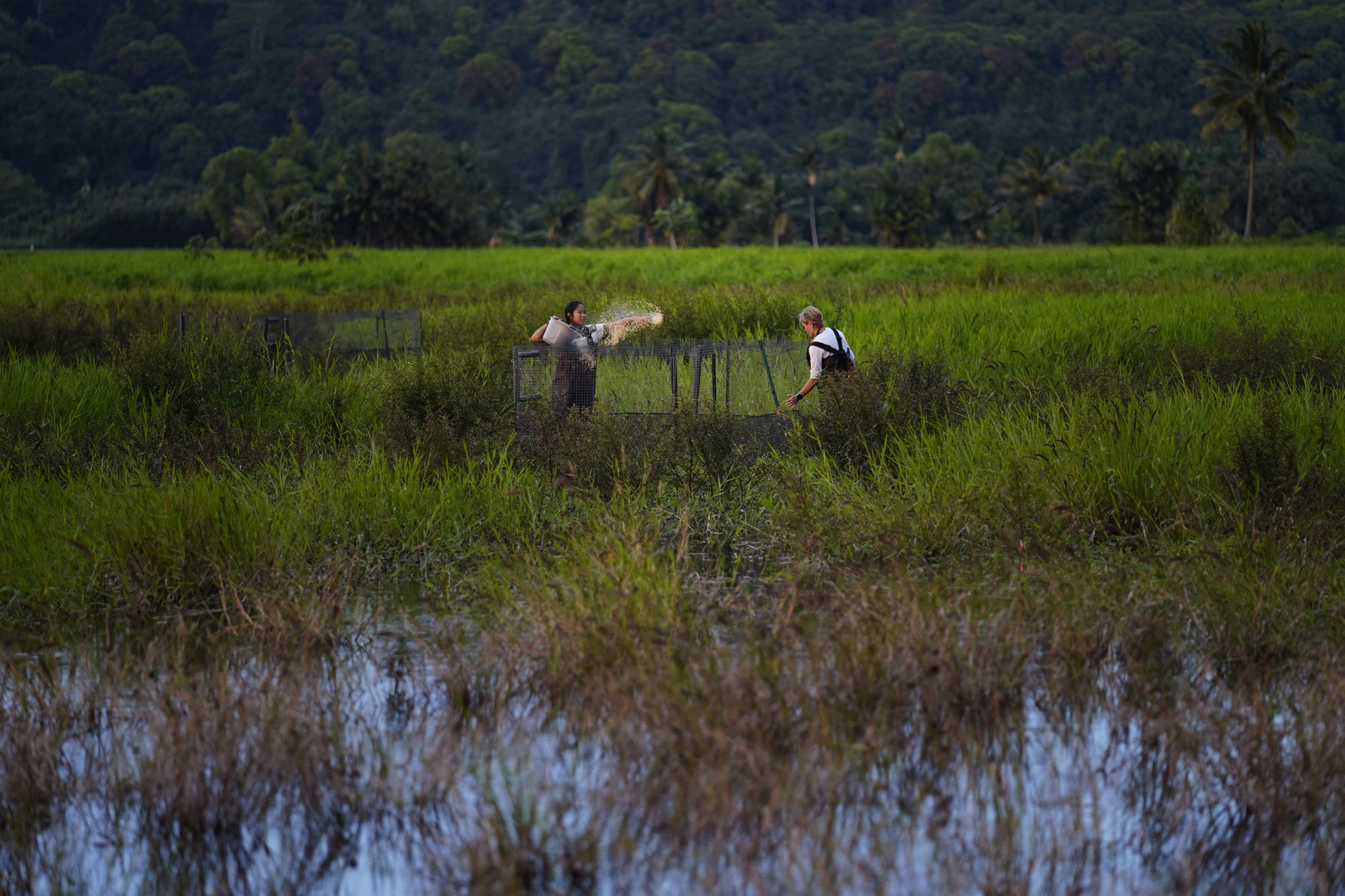
“They seek out nutritious food using highly specialized nerve endings in their bills, similar to the tips of your fingers, and eat vegetation, small snails, slugs and invertebrates. North Shore O’ahu is a good location to reintroduce koloa, as we have discovered that the population of ducks in the area have maintained about 75% Koloa genetics.” Murphy said.
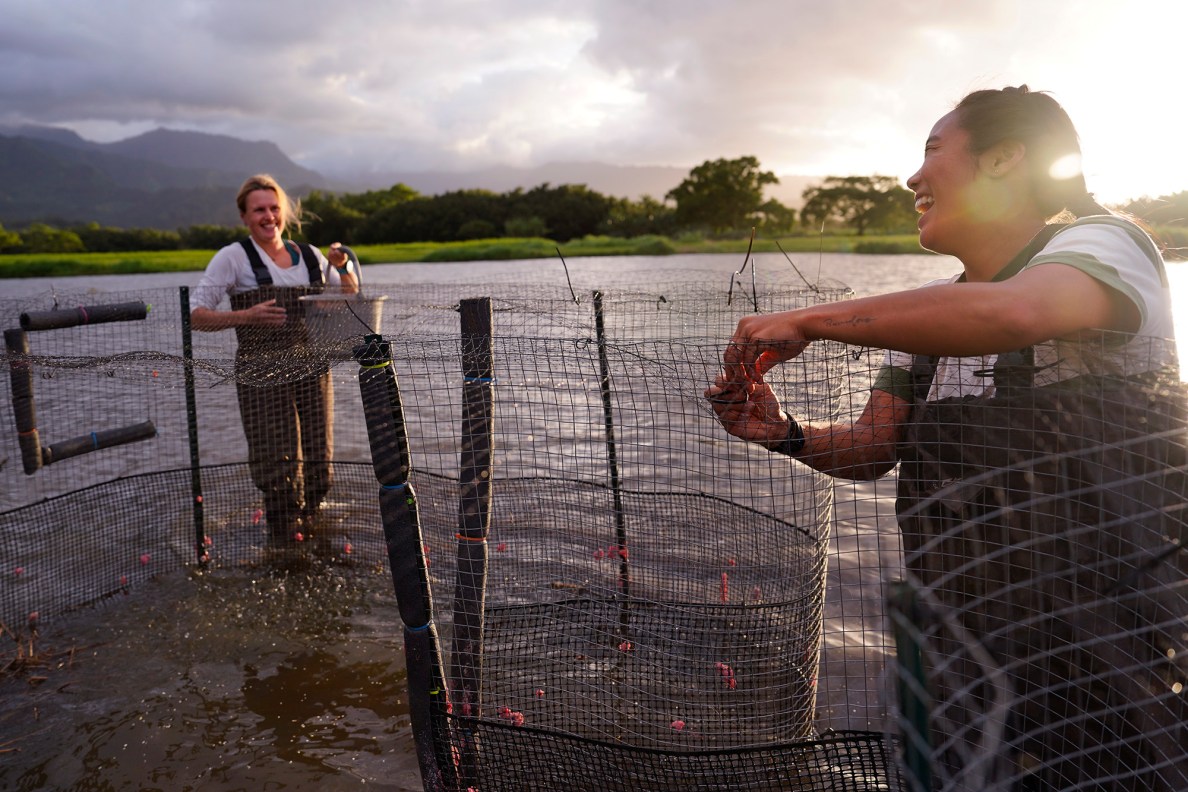

“I was drawn to this project because Hawaiʻi is a place that has taken such great care of my family and ancestors.” UTEP research specialist, Carly Kano, said. “By working to restore koloa maoli I am able to ʻauamo kuleana,’ to give back and to steward the place and animals that have loved and cared for my ancestors so well.”
Kano said the Hawaiʻian proverb ʻaʻohe hana nui ke alu ʻia, which means no task is too big when done by all, makes her believe reestablishing koloa maoli is possible.
“Getting koloa maoli off the endangered species list may seem like a huge task, but we can all play a part in helping them thrive and recover.” Kano said. “By educating one another about their existence and the threats they face, we can all take meaningful steps to protect Koloa maoli. For some this may look like participating in wetland restoration workdays, not supporting feral cat colonies, or simply sharing what you’ve learned with friends and family.”
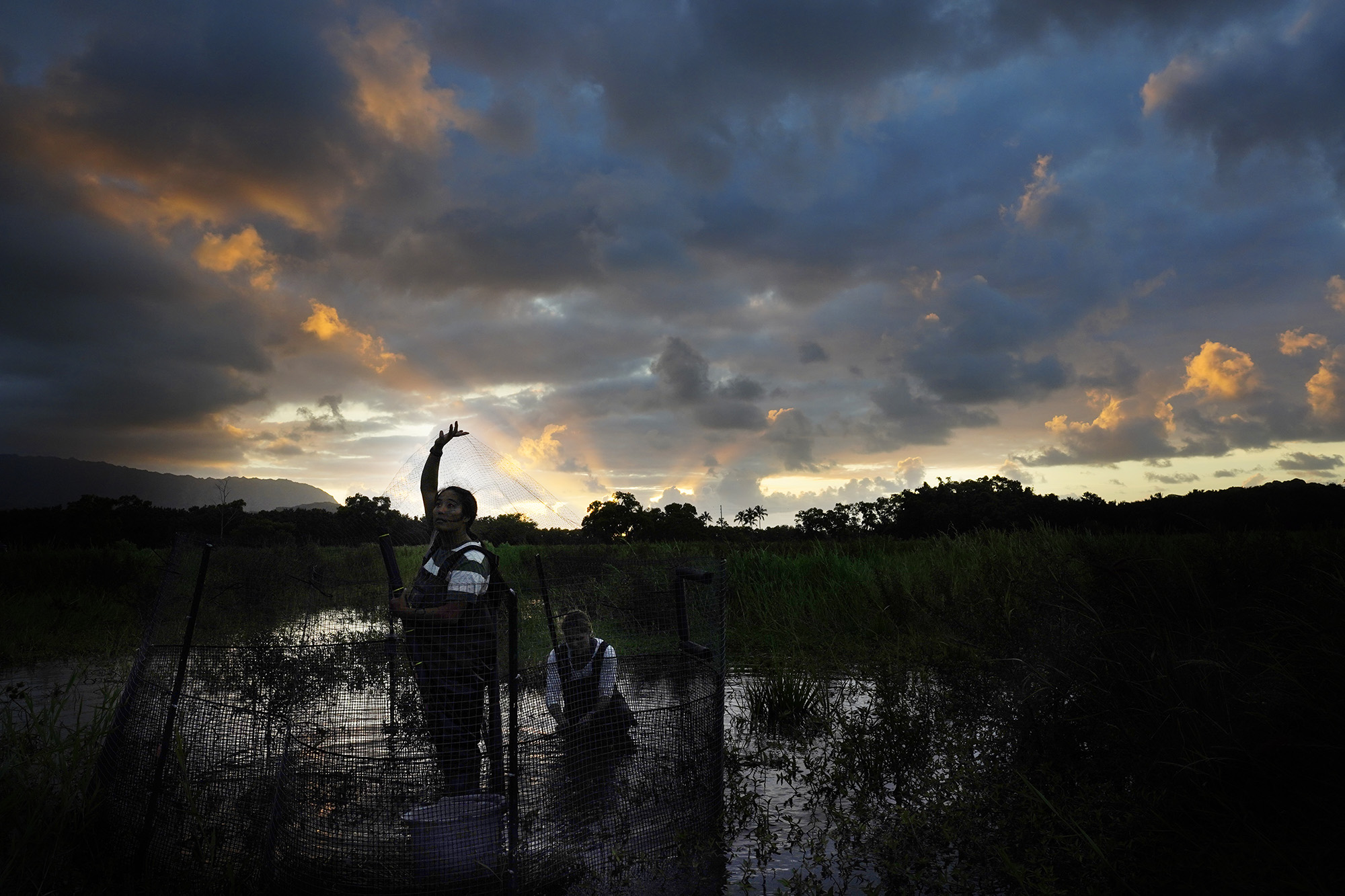
“The nonmigrating koloa and the islands of Hawai’i represent a nearly laboratory like or controlled setting that gives us a unique opportunity to have a high likelihood of success in our reintroduction and allows us to test scientific theories that could be applied to other species and locations where anthropogenic hybridization is an issue.” Murphy said. “This means that this project not only directly benefits the koloa, but could benefit many other threatened species as well which makes it incredibly impactful.”
Murphy said, “The reintroduction program aims to improve the ecology of our native wetlands by maintaining the population of koloa. They play a key part in our wetland food web by eating vegetation and small invertebrates and cycling nutrients through our ponds. Through their nutrient cycling, koloa help maintain a healthy native wetland along Hawaii’s coastline.”