

Hawaiʻi Sex Abuse Case Shows How Predatory Teachers Can Go Undetected
Laws passed last year aim to protect students by creating a shared database of teachers who have abused kids in public and private schools. But other states have had a hard time getting schools to comply with similar laws.
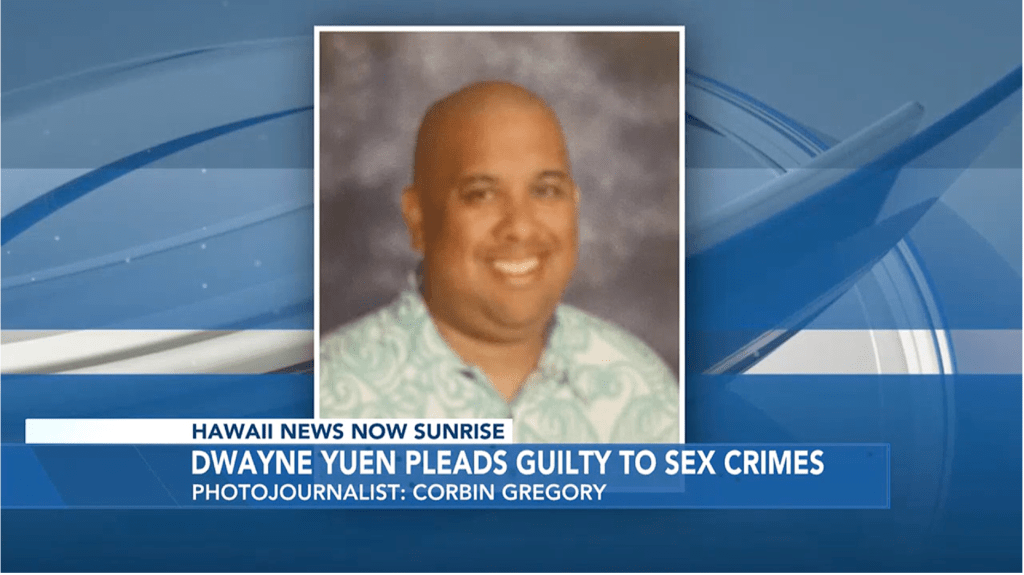
Former Punahou coach and long-time public school teacher Dwayne Yuen pleaded guilty in December to a dozen federal charges: sex trafficking and producing pornography with minors, forcing teens to have sex and sending explicit photographs and harassing messages to former students.
Though his crimes only became public in recent years, employment and court records show that former students and employers had warned officials about Yuen, scheduled to be sentenced in U.S. District Court on Thursday, nearly 20 years ago.
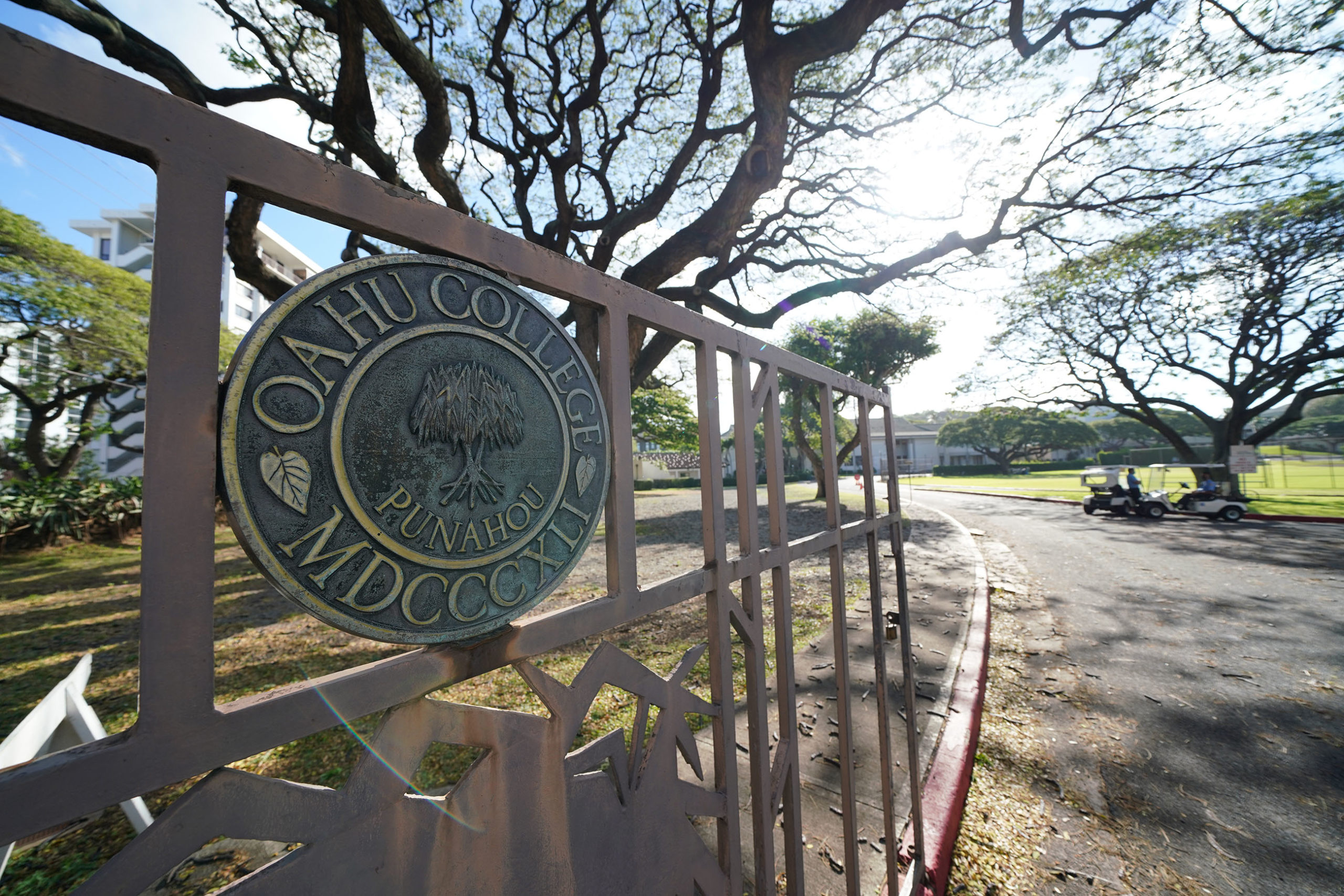
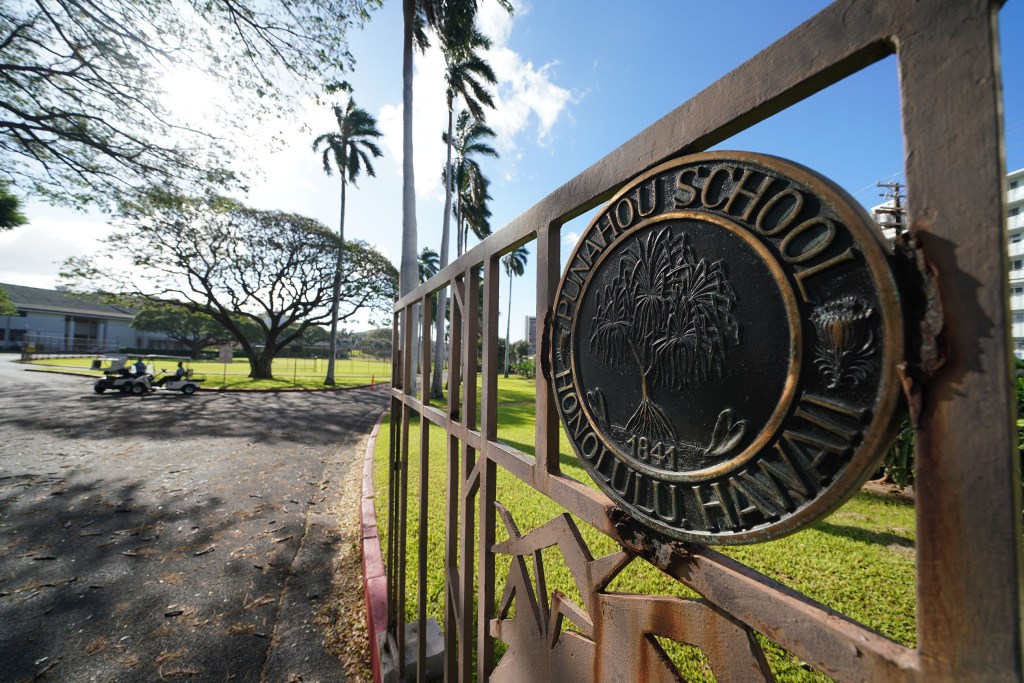
Punahou fired Yuen from his coaching job in 2004 for sexual misconduct. Basketball players filed police reports and received restraining orders against him while he was volunteering with Punahou’s team.
So how did Yuen’s misconduct go largely unaddressed while he moved from coaching at the private school to teaching in the state education department for nearly two decades? Yuen continued coaching youth basketball until 2022, four years after he quit teaching when the Department of Education began investigating allegations of sexual abuse.
Neither Punahou nor the education department would talk about the case. Yuen and his lawyer, Alen Kaneshiro, declined to comment.
So it’s impossible to tell whether, for instance, counselors and administrators at Punahou who learned of the allegations against Yuen reported him to the police or the state’s Child Welfare Services, as they would have been required to by law.
It’s unknown if the police or CWS ever investigated Yuen, or what the outcome was. Neither HPD or CWS would share information.
Likewise, the state Department of Education would not say what steps it took to check Yuen’s background before hiring him in 2007, such as calling his former employers at Punahou or looking into the restraining orders former students had filed against him.
The application process requires DOE teachers to disclose if they’ve been fired from past jobs and complete a criminal background check. But criminal background checks don’t typically include police reports, and DOE wouldn’t say what the screening process uncovered in Yuen’s case.
Two state laws passed last year are intended to strengthen student protections by requiring schools to complete investigations of teachers accused of misconduct and add educators’ names to a registry if they’re found guilty of abuse. Public and private schools are barred from hiring teachers once they’re added to the statewide database.
But it’s still too early to say how well these laws will work. Other states have had a hard time getting schools to comply.
And Hawaiʻi’s new laws include no penalties for ignoring requirements around investigating and reporting teachers.
“Just because a policy is on the books does not mean that the state is adequately implementing those policies,” said Bart Klika, chief research officer for Prevent Child Abuse America.
Early Warnings Of Abuse
Yuen’s coaching career at Punahou began around 2001, when he was hired as a coach for the girls’ basketball team. But complaints from students began rolling in by his third year in the program, with at least four players reporting sexual abuse and incidents of grooming to the Punahou administration around 2004 and 2005.
In one instance, Yuen offered former Punahou basketball player Mahina Macfarlane $1,000 to watch him masturbate at his house, an offer she repeatedly refused and later reported to her school counselor, according to lawsuits she and four other Punahou alumni filed against Yuen in 2020.

Even after Macfarlane and at least two others reported their abuse to school administrators, Yuen raped their teammate and then bombarded the teen with hundreds of text messages pressuring her for sex, according to the lawsuits.
The girl and her mother, who are unnamed in the lawsuit, also reported the abuse to Punahou’s athletic department. But the school never told the family if it disciplined Yuen. Punahou and the five former students who filed lawsuits in 2020 entered a settlement agreement for an unknown amount in 2021.
Employees in public and private schools who believe children are being abused are required by law to make a report to Child Welfare Services or the police. Punahou administrators did none of these things, according to the 2020 lawsuits. Mandatory reporters who knowingly fail to report abuse or neglect can face fines or imprisonment up to 30 days, according to Hawaiʻi law.
Punahou did not respond to Civil Beat questions asking if the school disciplined Yuen. But administrators did ban him from campus and prohibited him from working or volunteering at the school around 2005, according to a Department of Justice memo — though the ban did little to keep him away from teens at the private school.
A Timeline of Dwayne Yuen’s History with the DOE
Scroll to read more →
2001-04
Dwayne Yuen works as a coach with the Punahou girls’ basketball team. Yuen is fired in 2004.
2004-06
Yuen works as a volunteer coach with the Punahou basketball team, despite a ban preventing him from coming on campus.
2006
Shawna-Lei Kuehu, a Punahou basketball player, obtains a restraining order against Yuen intended to protect her against his harassment.
2007-18
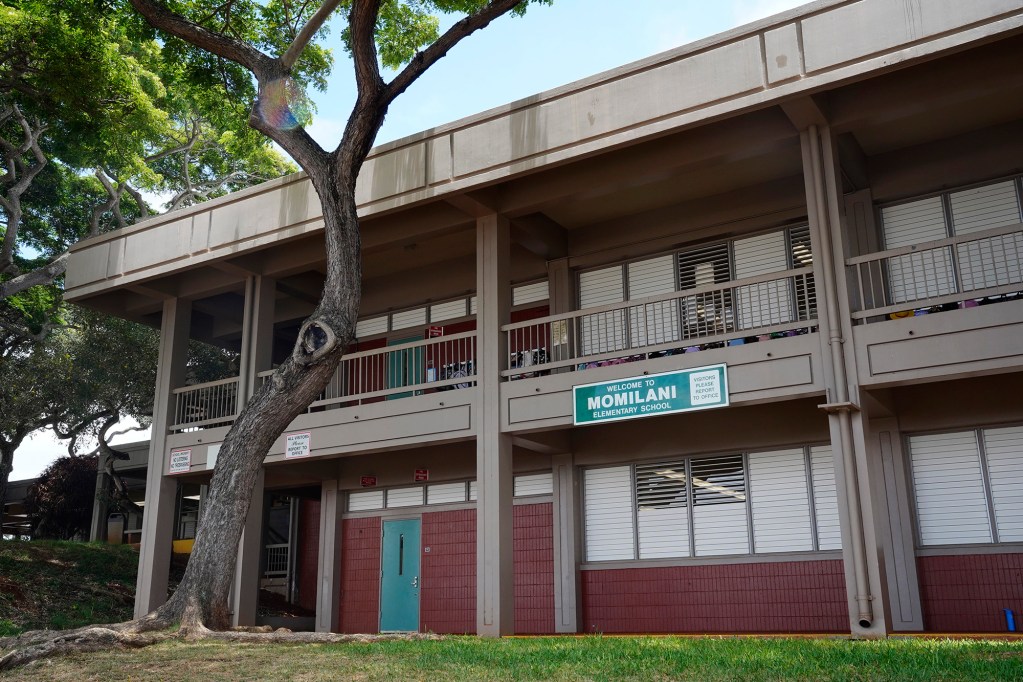
Yuen works as a DOE teacher at Momilani Elementary. He also coaches at Moanalua High School and Kamehameha Schools during this time.
2018
DOE places Yuen on department-directed leave and opens an investigation into allegations of sexual misconduct that took place earlier in his career. Yuen resigns before DOE completes its suitability analysis.
2020
Five Punahou alumni file lawsuits against Yuen and Punahou, alleging that Yuen sexually abused them and the school knew about their abuse from the early 2000s.
2021
Punahou settles the lawsuits with its former students.
2023
FBI arrests Yuen for possession of child pornography.
2024
Yuen pleads guilty to 12 charges of sex trafficking, producing and possessing child pornography, and coercing minors to engage in sex.
2025
Yuen’s sentencing in federal court is scheduled for Aug. 14.
A police report was also filed against Yuen in 2004, although HPD wouldn’t say who filed it or why.
In the coming years, Yuen would receive three trespass notices banning him from Punahou’s campus, even as he continued to informally coach girls’ basketball and attend games. Yuen maintained his involvement with the basketball team because he was friends with Punahou’s head coach, Mike Taylor, according to the 2020 lawsuits.
The first records of misconduct became public in 2006, when at least two girls on the basketball team obtained three-year restraining orders against Yuen, detailing the sexual harassment and text messages and threats they were receiving.
In the same year, one of Yuen’s players filed a police report against him, according to the DOJ memo.
Shawna-Lei Kuehu, a former Punahou basketball player and one of the girls who received a restraining order against Yuen in 2006, said her head coach knew about the restraining order but did nothing to enforce it. Instead, she said, he encouraged her and other players to attend informal training sessions Yuen held off-campus at Mānoa Valley District Park.
“I had no idea what a TRO was,” Kuehu told Civil Beat. “You don’t really know how much power you have.”
By 2007, Yuen had moved on, starting a new job as a teacher at Momilani Elementary.
What Happened?
Educators applying for jobs in the DOE need to produce a slew of documents: a criminal background check and fingerprinting, a personal statement disclosing if they’ve been arrested or fired from past jobs and a teacher’s license confirming they have the training needed to safely work with kids.
Principals are supposed to screen the information teachers share in their personal statements by asking applicants follow-up questions or calling references when they feel it’s necessary, according to a DOE hiring form.
DOE wouldn’t share how much they knew about Yuen’s past employment at Punahou, including whether he disclosed that he was fired as a coach when he applied to Momilani Elementary. A criminal background check typically includes information about past arrests and criminal charges, but not police reports.

DOE did not respond to questions about whether restraining orders show up on an applicant’s background check.
Principals aren’t required to make reference calls when hiring teachers, said Catherine Payne, a former Board of Education chair and longtime principal at Farrington High School. But it’s best practice to call teachers’ past employers – even if red flags don’t come up on their application – to make sure educators are a good fit for the school and can work safely with kids, she said.
“You’re responsible for whatever happens,” she said.
Until recently, administrators weren’t required to share the outcomes of misconduct investigations with other schools. Schools are hesitant to share information about past employees because they’re worried about defamation lawsuits, Punahou President Michael Latham said in a legislative hearing last year.
Yuen didn’t have a teacher’s license when he started at Momilani Elementary – educators are allowed to work unlicensed for up to three years if schools are facing a shortage of qualified teachers. He got a license in 2011 that lasted until 2017, Felicia Villalobos, executive director of the Hawaiʻi Teacher Standards Board, said in an emailed statement.
Teachers seeking licenses must respond to a dozen questions assessing their ability to work safely with kids. The questionnaire asks teachers if they’ve ever been investigated by past employers or been disciplined while facing allegations of misconduct, something Yuen should have disclosed in his application, said Kris Murakami, a licensing specialist with the teacher standards board.
Submitting intentionally false statements to government agencies is a misdemeanor under Hawaiʻi law. The standards board doesn’t conduct its own background checks and fingerprinting, which is left to schools, but it runs teachers’ names through a national database identifying educators who have lost their licenses in other states because of misconduct.
But teachers found guilty of abuse don’t show up on the national database if they never had a license to begin with.
Often, private schools don’t have a licensing requirement for teachers. Principals from these schools aren’t required to notify the board when unlicensed employees have committed abuse that could disqualify them from receiving a license in the future, Murakami said.
While teaching at Momilani Elementary, Yuen also coached boys’ basketball teams on Oʻahu, first at Moanalua High School and then at Kamehameha Schools in 2013. Kamehameha Schools wasn’t aware of the allegations against Yuen when he volunteered as a coach, said spokesperson Sterling Wong.
In 2017, allegations against Yuen began to reemerge. Kuehu, one of the basketball players who got a restraining order against Yuen while she was a student in 2006, shared her story of sexual abuse with Punahou’s administration. She was returning to Punahou to work as head coach of the basketball team and was shocked to see that Yuen was still attending games on campus, she said.
“Now that I ended up in this position as a head coach, fresh out of college, I am now looking at, how do I protect these girls?” Kuehu said. At her request, Punahou issued another ban against Yuen prohibiting him from coming onto campus, she said.
In early 2018, DOE caught wind of the allegations against Yuen and opened an investigation into his sexual abuse at Punahou in the early 2000s. He resigned from his teaching position at Momilani Elementary the day before he was supposed to interview with the department as part of the investigation.
In the same year, Punahou opened an internal investigation on Yuen and reported students’ allegations to the police department, according to a letter sent to families.
A 2022 Civil Beat records request of Yuen’s employment files included no record of a completed investigation. DOE would not say whether it ever finished its investigation.
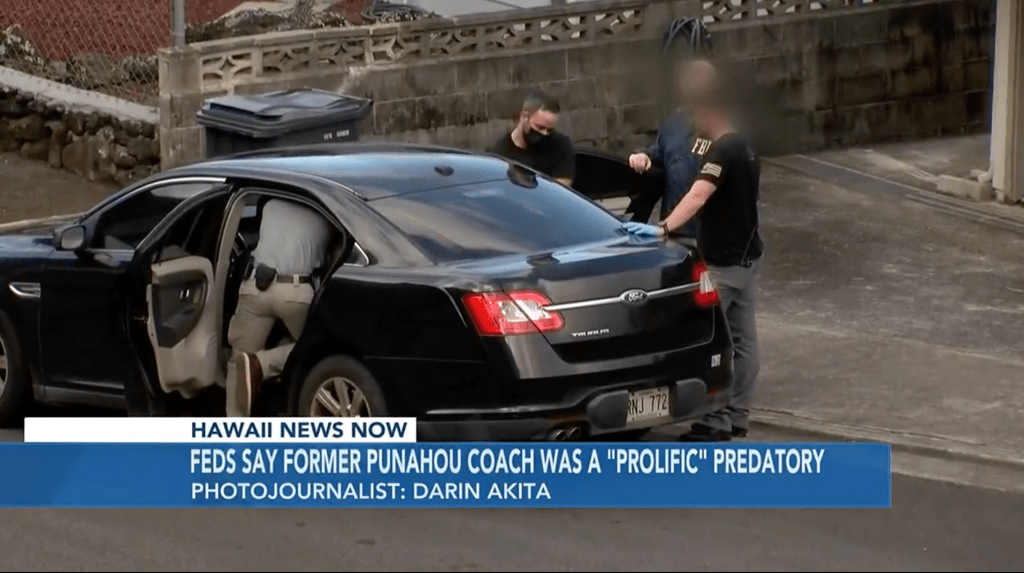
Yuen’s teaching career ended after he left DOE in 2018, but he continued his involvement with youth sports. In 2022, Hawaiʻi News Now reported that he was coaching an all-girls club basketball team, triggering warnings from Punahou and Kamehameha Schools asking parents to consider their children’s involvement with the team.
In 2023, the FBI arrested Yuen for possession of child pornography. He was later charged with 12 counts of sex trafficking, coercing minors into having sex, producing child pornography and harassing girls over text. All 10 victims were basketball players formerly coached by Yuen.
In a sentencing memorandum issued by the Department of Justice earlier this week, acting U.S. Attorney Kenneth Sorenson recommended that Yuen, now 52, serve 40 years in prison and a lifetime of supervised release. Yuen’s sentencing is scheduled for Thursday afternoon in U.S. District Court.
“Yuen was relentless despite all obstacles,” Sorenson said in the memo. “He did not stop after multiple minor victims obtained restraining orders against him in 2006.”
Preventing Future Abuse
DOE has continued to face allegations of improperly handling cases of sexual misconduct in recent years. A lawsuit filed late last week by an anonymous graduate of Kapaʻa High School alleges that the school failed to protect her from being groomed and sexually assaulted by a longtime teacher, Catherine Paleka, in 2014. While school administrators knew about the teacher’s history of having an inappropriate relationship with another student, DOE failed to thoroughly investigate Paleka’s misconduct and discipline her at the time, the lawsuit said.
DOE communications director Nanea Ching said the department has not been served with the lawsuit and can’t comment on ongoing litigation.
Last year, Hawaiʻi legislators passed two laws making it harder for teachers to move between schools and leave their jobs when facing abuse allegations.

One law requires educators to forfeit their licenses if they resign while under investigation for abusing students – a requirement that wouldn’t have applied to Yuen, since his license had recently expired when he left the DOE. The state licensing board must submit these teachers’ names to a national database tracking educators who have lost their licenses, making it harder for them to get hired at schools in Hawaiʻi or on the mainland.
A second law requires all schools to complete their investigations of teachers even if they retire or resign during the investigation — a pathway some abusive educators have pursued to avoid detection in the past. Public and private schools must submit the names of teachers to a registry if schools determine their employees have inflicted harm on students, and principals aren’t supposed to allow people in the database to teach or volunteer in schools.
The law received strong support from the DOE as well as private schools like Punahou, which helped author the proposal.
Both laws went into effect last summer. DOE did not share how many teachers are currently in the registry, citing a part of the legislation that makes it exempt from public records law.
So far, the state standards board hasn’t seen any teachers forfeit their licenses while under investigation, Murakami said, adding that teachers may be more hesitant to retire or resign while facing allegations of abuse under the new law.
It’s too soon to determine the impact of these laws. But other states that have adopted similar policies have shown it can be hard to get schools to comply.
In New Jersey, a 2018 law requires public and private schools to contact applicants’ past employers to see if they have faced investigations of abuse or resigned while facing allegations of misconduct. The law was intended to strengthen communication between schools and keep educators from moving between districts.
But a 2024 report from the New Jersey State Commission of Investigation found poor compliance because no state agency was in charge of overseeing schools’ hiring practices or tracking which teachers were found guilty of abuse.
In some cases, the report said, teachers didn’t disclose when they were found guilty of abuse at past jobs. Some districts allowed their workers to resign while facing misconduct allegations and agreed not to share the information with future employers.
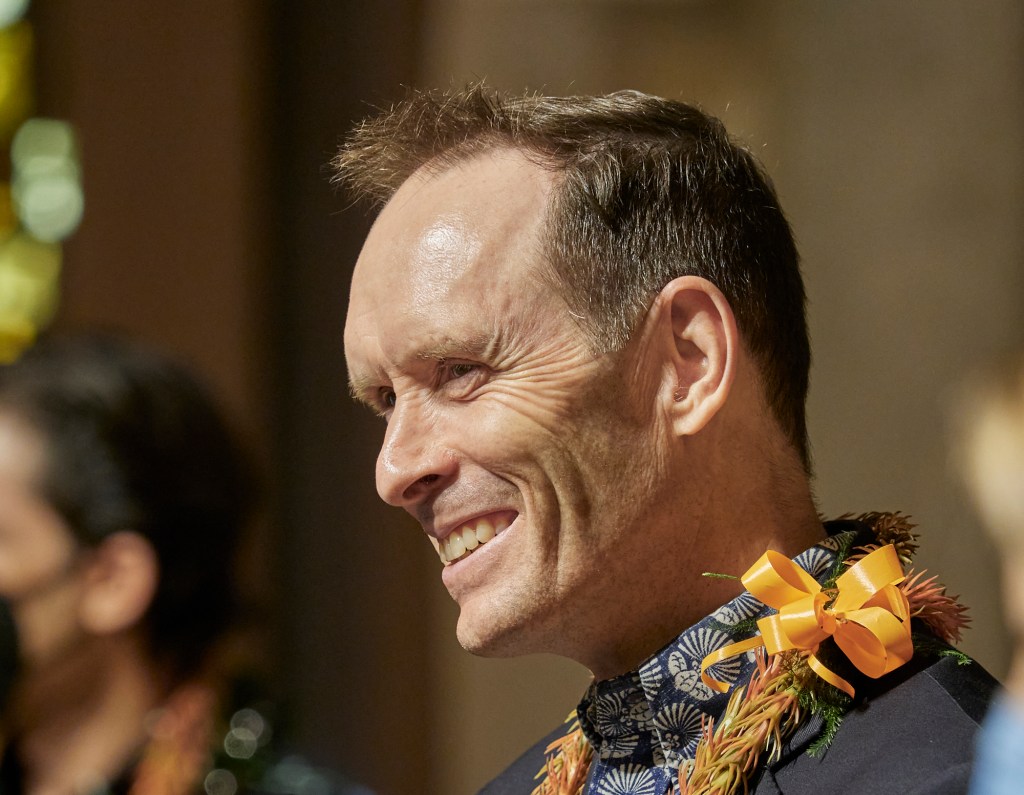
It’s difficult to enforce laws requiring schools to complete and report investigations of misconduct, said Billie-Jo Grant, who serves on the board of directors for the national organization Stop Educator Sexual Abuse Misconduct and Exploitation.
Principals may want to cover up abuse to avoid the lengthy process of firing teachers or to protect their schools’ reputation, Grant said.
“There’s many laws in schools that don’t necessarily have an accountability department,” Grant said. “Unfortunately, this would be another one of those.”
Hawaiʻi’s law gives DOE the responsibility of maintaining the registry, but the department has struggled with overseeing and tracking investigations of its own employees in the past. The law has no penalties for principals who don’t comply.
House Education Chair Justin Woodson said there are no plans to significantly amend the legislation or add penalties for schools next session, although he’s open to making changes in the future. It will be hard for DOE to make sure schools are following through with their investigations and being transparent about teacher misconduct, Woodson said.
But he hopes administrators are still motivated to follow the law.
“I just hope that if there is wrongdoing,” he said, “the professionals at the schools will do the right thing.”
Civil Beat’s education reporting is supported by a grant from Chamberlin Family Philanthropy.
Civil Beat’s reporting on women’s and girls’ issues is funded in part by the Frost Family Foundation.
