The Sunshine Blog: Reinforcements Are On The Way For Honolulu Police Commission
Short takes, outtakes, our takes and other stuff you should know about public information, government accountability and ethical leadership in Hawai‘i.
November 30, 2025 · 8 min read


About the Author

Police calls: Mayor Rick Blangiardi is wasting no time filling the holes on the Honolulu Police Commission. This as the seven-member panel is in the midst of hiring a new police chief following the retirement of Joe Logan in June.
The Police Commission has come under pretty heavy public scrutiny in the last couple years for its lax oversight of the police chief and the department in general. Logan was the third chief in the last 10 years to leave under a cloud but the commission also has been criticized for failing to embrace its mandate of investigating citizen complaints and for not taking a stronger hand in HPD policies and practices. The Honolulu Charter Commission is considering at least six detailed proposals from police watchdog and good government groups that would overhaul the commission.

Blangiardi’s latest picks for seats on the commission reflect the view that commissioners in recent years are clueless when it comes to how police work. The Honolulu City Council has already approved the addition of Chris Magnus, a retired three-time police chief who has notably started asking more detailed questions of Interim Chief Rade Vanic at the commission’s twice-a-month meetings.
The council also appears poised to approve Blake Parsons, the CEO of the Boy Scouts’ Scouting America Aloha Council. He is slated for a final vote before the full council on Wednesday and so far has sailed through the process.
Now Blangiardi has nominated another candidate with heavy police experience for the council to replace public relations consultant Ann Botticelli, whose term is up at the end of the year. The latest pick is Gary Yabuta, the widely respected director of the Hawaiʻi High Intensity Drug Trafficking Area, which manages a program to curtail drug trafficking and money laundering operations in Hawaiʻi. He also headed the Law Enforcement Officer Independent Review Task Force, a short-lived panel put in place by the Legislature a few years ago to review police shootings statewide.
Yabuta has led HIDTA since 2014. Before that he was the Maui police chief for five years and a sworn officer on Maui for 31 years. Altogether, according to a resume submitted to the council, he has more than 47 years of criminal justice experience.
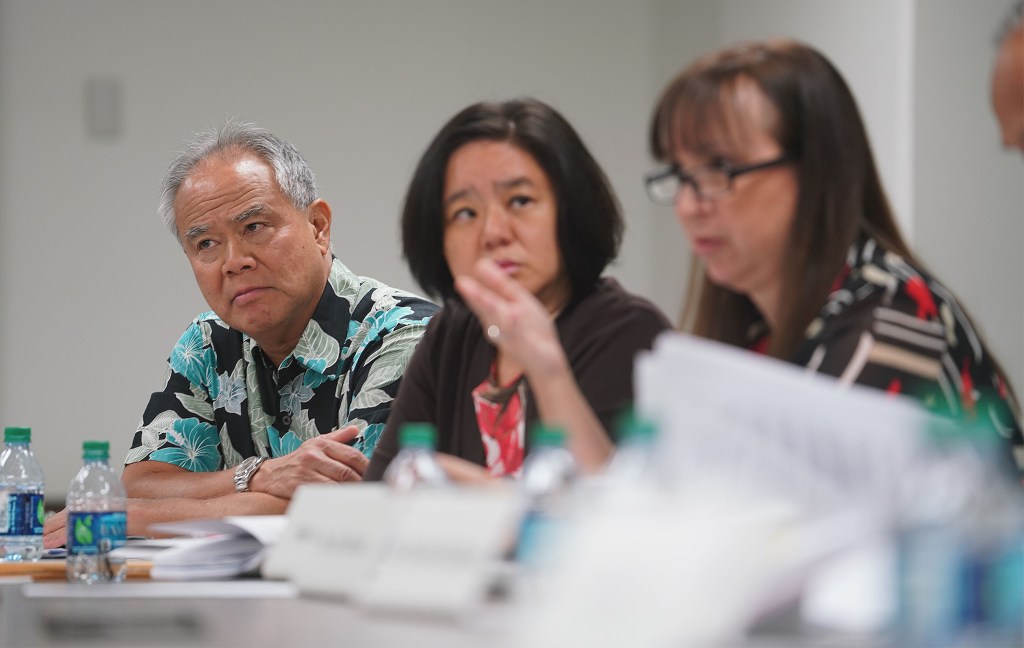
Yabuta is scheduled to make his first appearance before the council Wednesday.
Police reform advocates argue that a civilian oversight board like the Police Commission should be made up of, well, civilians, and not stacked with brothers and sisters in blue. But The Blog tends to agree with the mayor on this one — the Honolulu board needs a major shakeup now, long before voters can put an overhaul in place. Having police professionals lend a hand will hopefully lead to a much sharper and more thoughtful hiring process this time around.
The commission is on the verge of engaging an executive search firm that specializes in law enforcement to surface and screen applicants for the chief’s job. The commission has said it will be at least March, possibly even the summer, before a new chief is on board.
But someone needs to be willing to call out the longstanding problems within HPD’s management and bring in a new chief to get the agency on a better footing.
Civic extravaganza: Speaking of full steam ahead, the Honolulu Charter Commission is moving quickly to sort through the deluge of proposals that citizens have submitted to improve city government and make Honolulu a happier and healthier place to live. The commission received a record 276 proposals by the Nov. 7 submission deadline, plus three more that came in just a bit late but might get included as well.
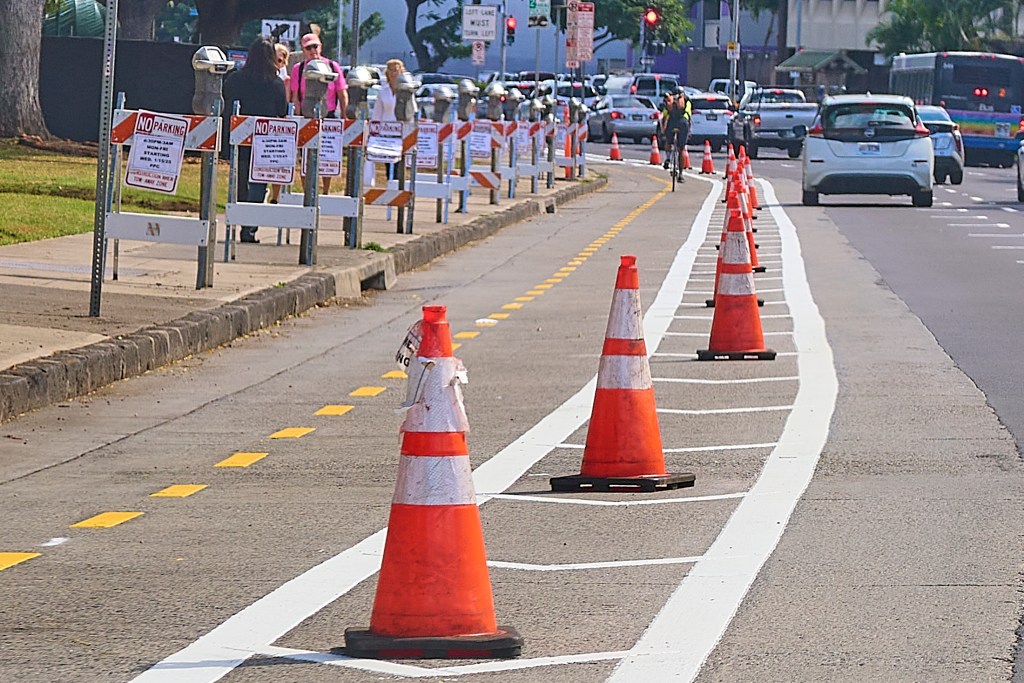
Last week the 13 commissioners reviewed 40 proposals in the category of transportation and infrastructure and agreed to move 23 of them forward for further consideration. Numerous proposals to improve pedestrian safety, bolster bikeways and add sidewalks and trails will make it to the next round.
The city’s parks also got some love from the commission, including a proposal for major reconstruction of park locations and facilities and an idea to address long-term homeless encampments in the parks by creating a “homeless encampment response and park restoration program.”
Commissioners also agreed to move forward with two proposals by the Honolulu Authority for Rapid Transportation — one that would exempt HART employees from civil service and one that would allow HART to oversee other big city projects besides the Honolulu rail. The Blog, who reads most of the comments on Civil Beat stories, can testify that the latter is not a popular idea with readers (who are also voters) and it would seem to have little chance of passing if it ever makes it to the ballot.
Meanwhile, the commission rejected a proposal to let voters re-vote on the $10 billion rail project as a way to control spending along with another recommendation that would have prevented a merger of HART and the city Department of Transportation Services.
Other proposals that didn’t make the cut include building another road from the H1 freeway into Makakilo, fixing traffic lights to reduce road rage, keeping people from dumping rubbish and junk on the side of road or in people’s yards, reducing tourists on Oʻahu and creating an Office of Resident and Visitor Resource Management.
Those are just some of the highlights of the action so far. The charter commission staff is actually doing an amazing job of organizing all the proposals on the commission’s website so it’s not too hard to follow, including meeting summaries and videos and even the written testimony that is starting to come in. The Blog has read or at least skimmed every proposal and the vast majority are well thought out and very detailed. You can peruse them all yourself here.
The commission also settled on a tentative schedule for future meetings organized around the subject matter areas:

The charter amendment process only comes along once every 10 years. The commission’s task is to spend the next few months coming up with ballot measures to put before voters in next year’s Nov. 3 general election. Commissioners hope to review all the submissions, hold public hearings and come up with their final ballot recommendations by July.
Sewage treatment: “NCIS: Hawaiʻi,” which filmed three seasons in the islands, wants to give the City and County of Honolulu $10,000 for letting it film two episodes in 2024 at the Sand Island Wastewater Treatment Plant.
The filming, according to the Department of Environmental Services, was for episodes 9 and 10 of the finale of the last season. Airing in late April and early May last year, the episodes involved the murder of a bioweapons expert at “a secure facility on Hawaiʻi,” according to CBS and Paramount+. “The NCIS team must track down a mysterious terrorist group before they can strike again.”

Honolulu City Council member Matt Weyer, whose Energy, Environment and Sustainability Committee approved the gift Nov. 18, said the $10,000 awaits final approval by the full council Wednesday. He told The Blog it shows Hollywood supporting the city and the local film industry — “a win-win.”
The payment represents $5,000 for each day of the filming, which was in March 2023, and will be used by the plant to support training efforts for personnel. The plant does not charge for filming unless extra expenses are incurred.
Filling another puka: Moya Tiare Davenport Gray was appointed last week to serve on the Hawai‘i State Ethics Commission, taking the seat vacated by Beverley Tobias.

She previously served in the state Senate as a session attorney to the chair of the Senate Judiciary Committee, a research attorney for the Ways and Means Committee and an attorney for the Judiciary and Labor Committee. Gray also used to direct the State Office of Information Practices overseeing Hawai‘i’s open records and open meetings laws.
The Ethics Commission administers and enforces the state ethics code and lobbyists law. It’s an unpaid gig with a never-ending workload, yet is as important as ever in ethics-challenged Hawaiʻi nei, as The Blog can attest.
Session progression: Senate President Ron Kouchi and House Speaker Nadine Nakamura have released the 2026 Legislative Session calendar. It starts Jan. 21 and concludes May 8 — a couple days later than usual.
That’s due largely to the fact that the 60-day session (meaning the number of floor sessions; the full session actually lasts for about three and a half months) must begin at 10 a.m. on the third Wednesday of January, per the Hawaiʻi Constitution. This year the new year begins on a Thursday.
Legislative leaders have kept as part of their schedule three recess days between the end of conference committee and sine die, giving them more time to deal with the final slate of bills and any lingering issues.
A more detailed session calendar, this one in color (purple for bill deadlines, blue for resolutions and green for budget deadlines), will be posted soon by the Public Access Room. PAR provides a detailed guide to what those deadlines entail.
And if you are still confused, call the very helpful folks at PAR (808-587-0478) or shoot them an email to par@capitol.hawaii.gov. The Blog does this all the time!
 Sign up for our FREE morning newsletter and face each day more informed.
Local reporting when you need it most
Support timely, accurate, independent journalism.
Honolulu Civil Beat is a nonprofit organization, and your donation helps us produce local reporting that serves all of Hawaii.
ContributeAbout the Author