

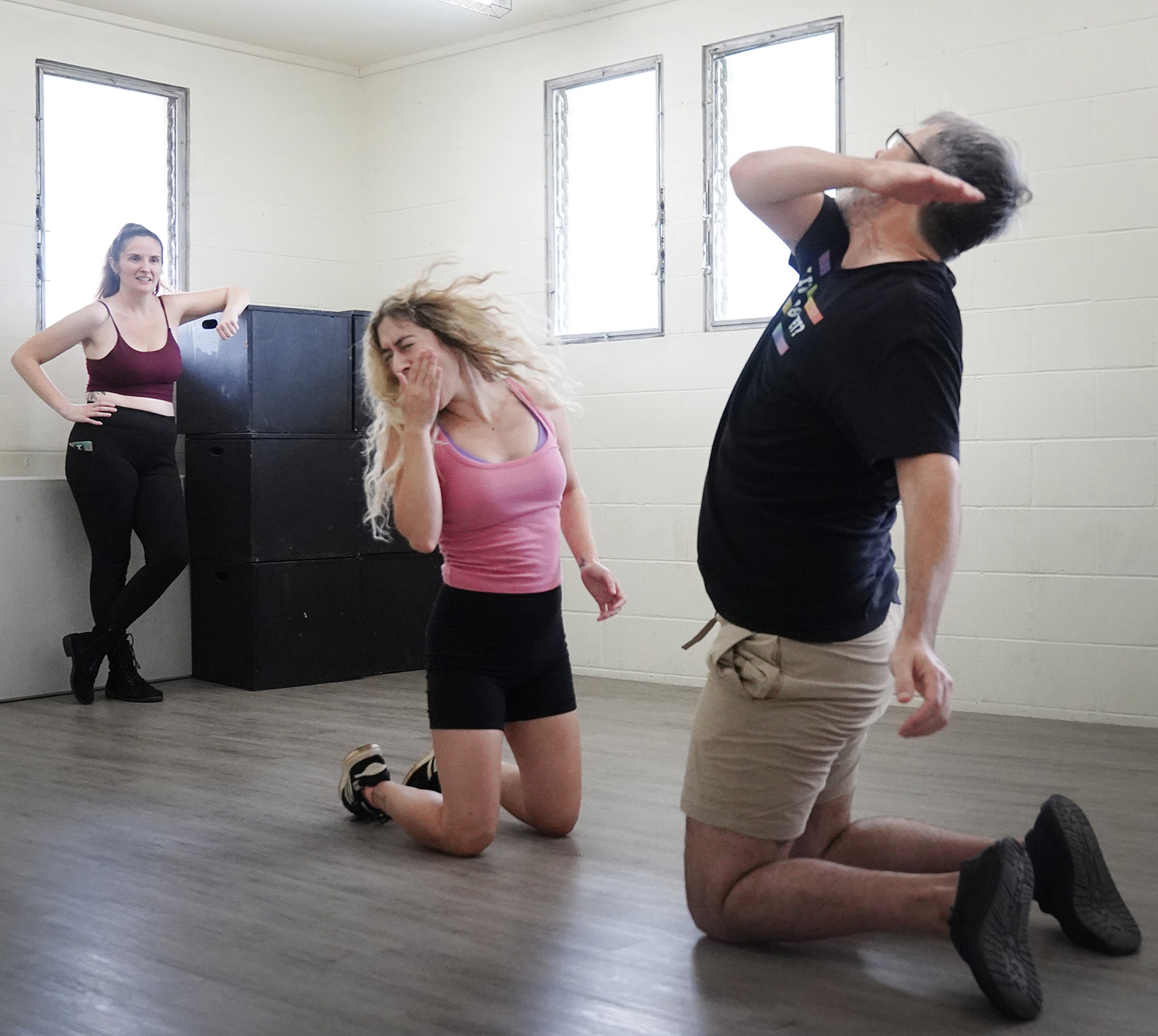
Two actors get into a catfight over who gets to try out for cheerleader captain. The slaps, punches and kicks look and sound real, but they are a different kind of AI: Acting Illusion.
It’s a kind of illusion that requires careful training and choreography, which is why Mānoa Valley Theatre hosted an unarmed state combat class last month.
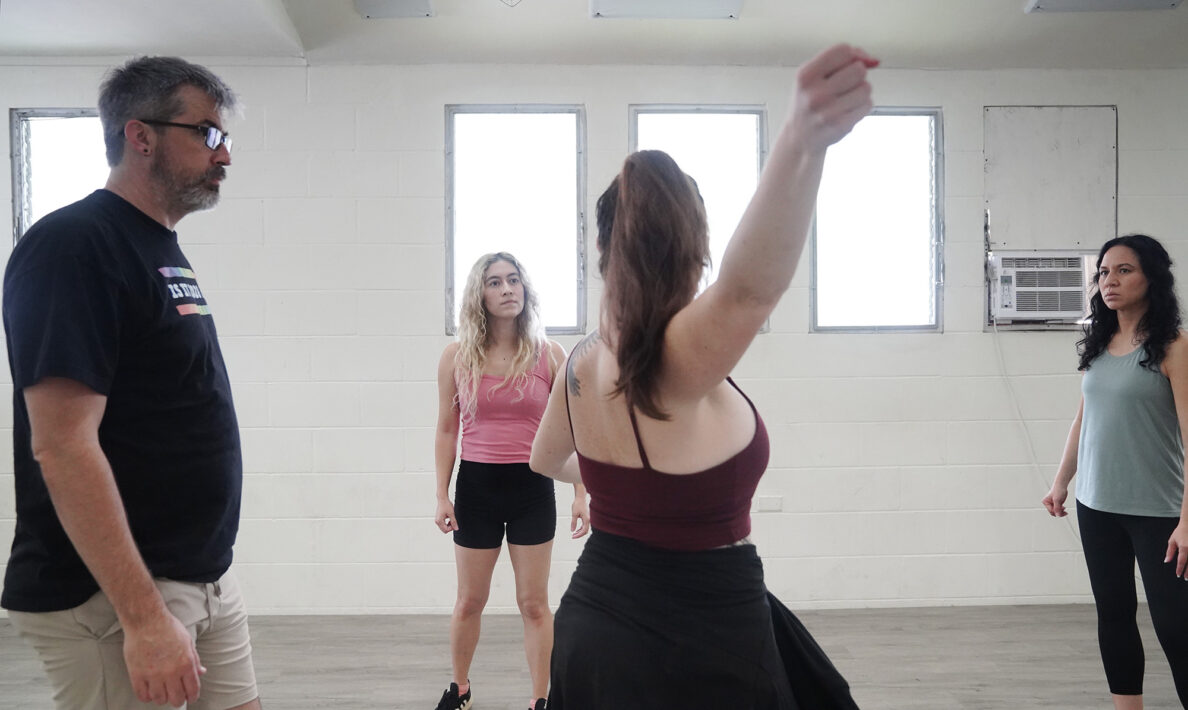
Jasmine Anderson — an associate instructor from the nonprofit stage combat organization Dueling Arts International — and teaching assistant Andrew Simmons, taught students across multiple four-hour classes how to perform a fight scene for stage and screen. Anderson also helped them choreograph a realistic fight for the actors to earn their Dueling Arts International certificate in unarmed stage combat.
“Stage combat exists so that fights can look and feel real to the audience,” Anderson said, “but keeps the actors entirely safe. Safety is the top priority in stage combat, closely followed by the ability to act the fight and make it look real while never actually injuring yourself or others.”
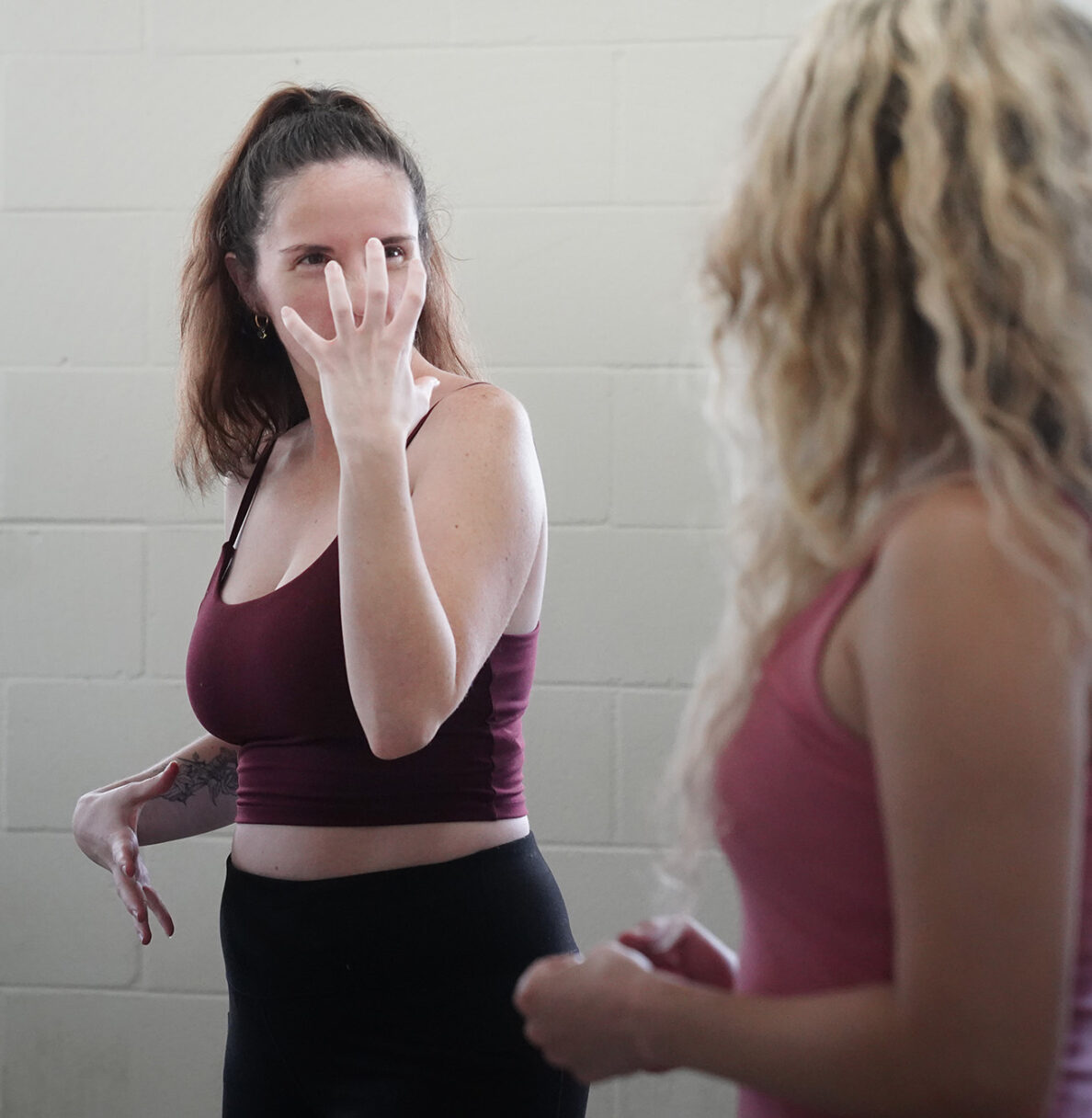
“Watching fight scenes from the audience is exciting,” student Miriam Yazdanpanahi said. “This class showed me how angles and teamwork combine to create them. By the end, they look so real I’ve almost convinced myself I actually know how to fight.”
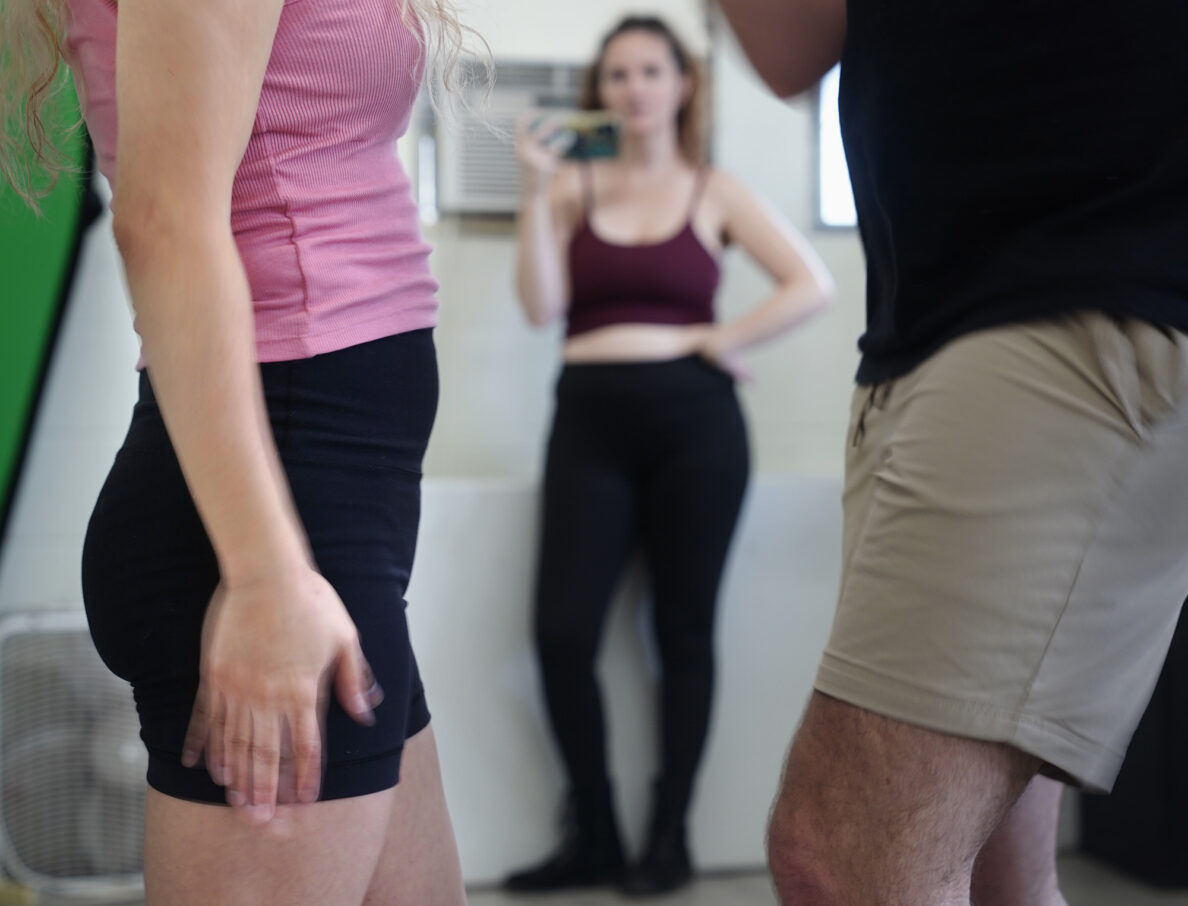
“By combining body-percussion sound effects or knaps, with precise acting and distancing,” student Stephanie Duarte said, “we transformed choreographed fight scenes into a convincing theatrical illusion.”
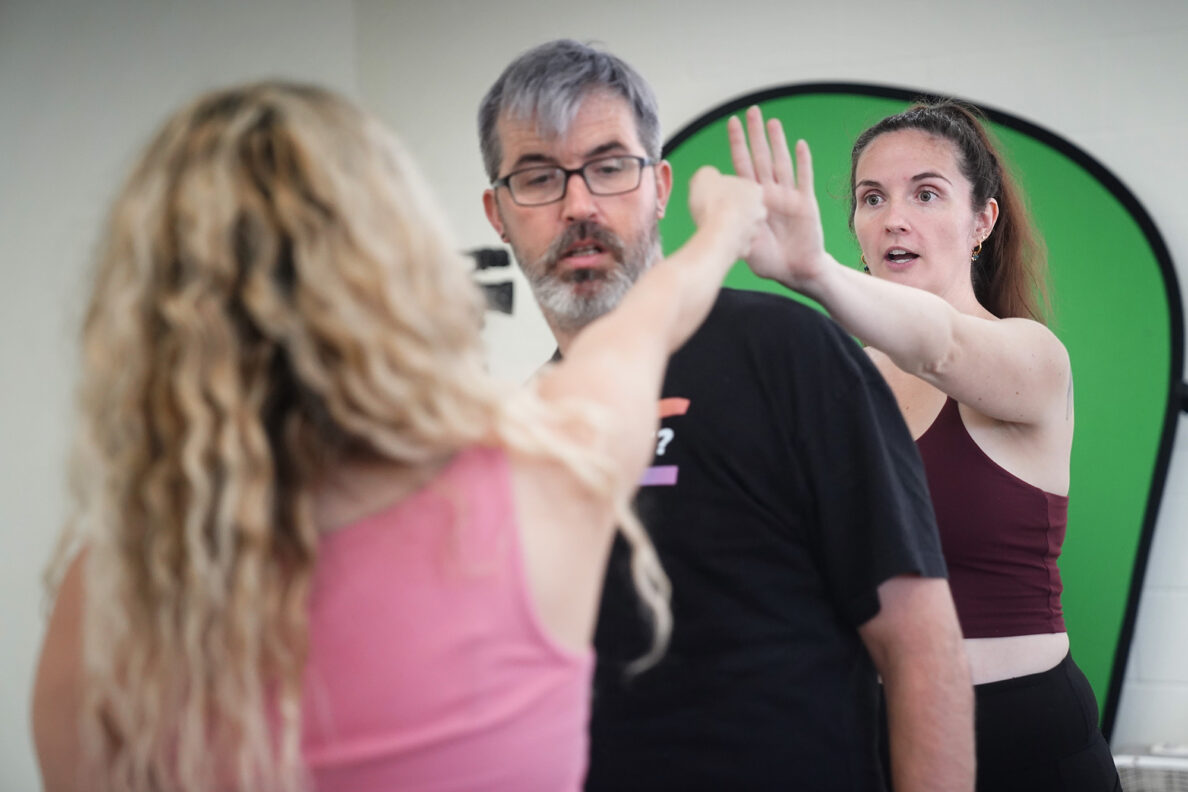
“This is a valuable and fun skill to add to my resume,” Duarte said.
Anderson said that having an unarmed stage combat certificate isn’t a requirement to audition for a play. But a fight director or choreographer might ask an auditioning actor if they’re comfortable learning some stage combat if they aren’t certified.
“In callbacks — when an actor has made it to a second round of auditions,” Anderson said, “we will maybe do a small and easy movement and stage a combat sequence just to gauge how well a person moves and learns so we can be sure to cast people we know we can teach to do it safely.”
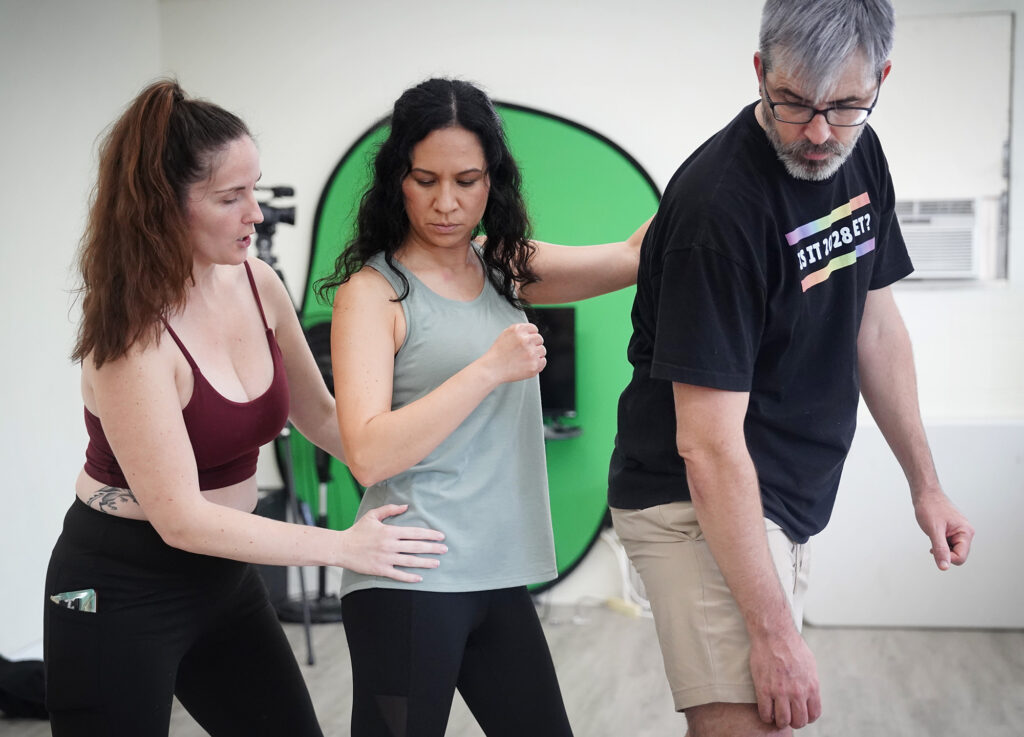
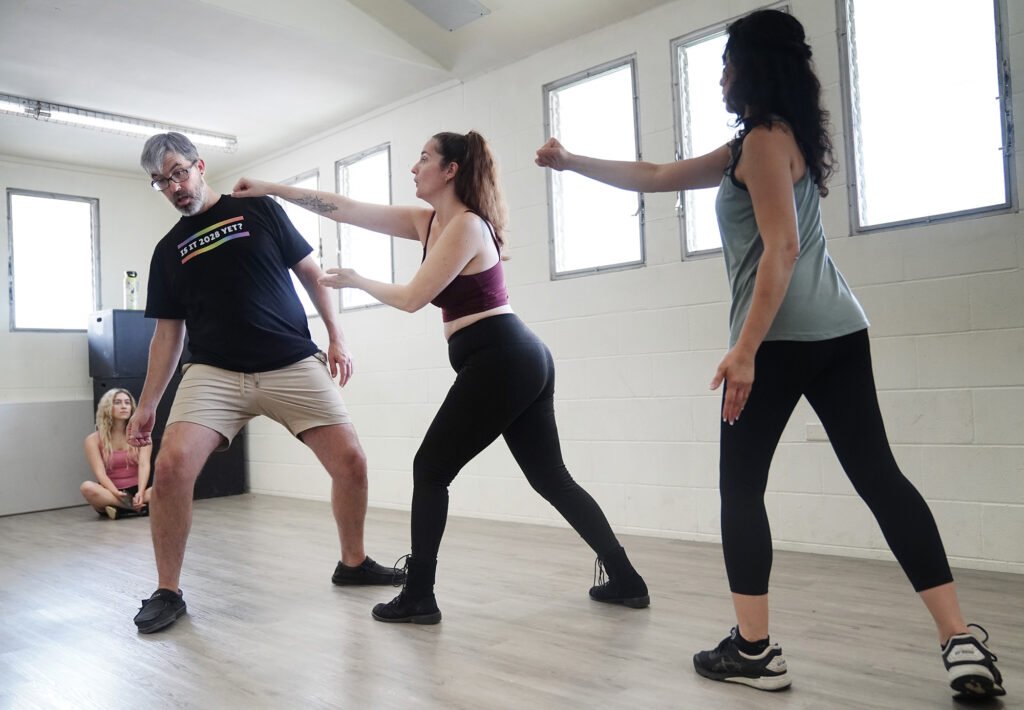
“Being just a fraction off could lead to a disaster,” Duarte said, noting that getting the timing wrong on a sound effect for a punch or making a mistake in the spacing could make the punch appear to wildly miss — or worse, result in hitting the other actor for real.
Anderson says stage combat training came about because people recognized the need for safe fighting techniques. There were too many injuries from people “trying to ‘make it real’ all the time,” Anderson said.
“Those stories about actors that ‘just did it’ and slapped other actors, broke toes or gave fellow actors concussions, or worse, because they were just so ‘in character’ is actually a fight director’s nightmare.”
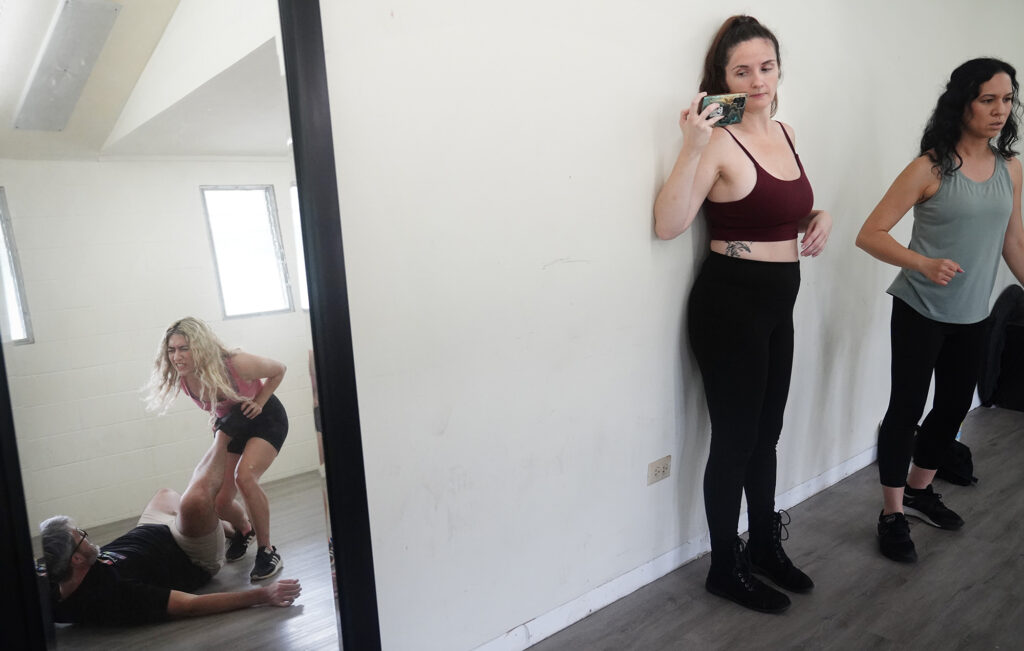
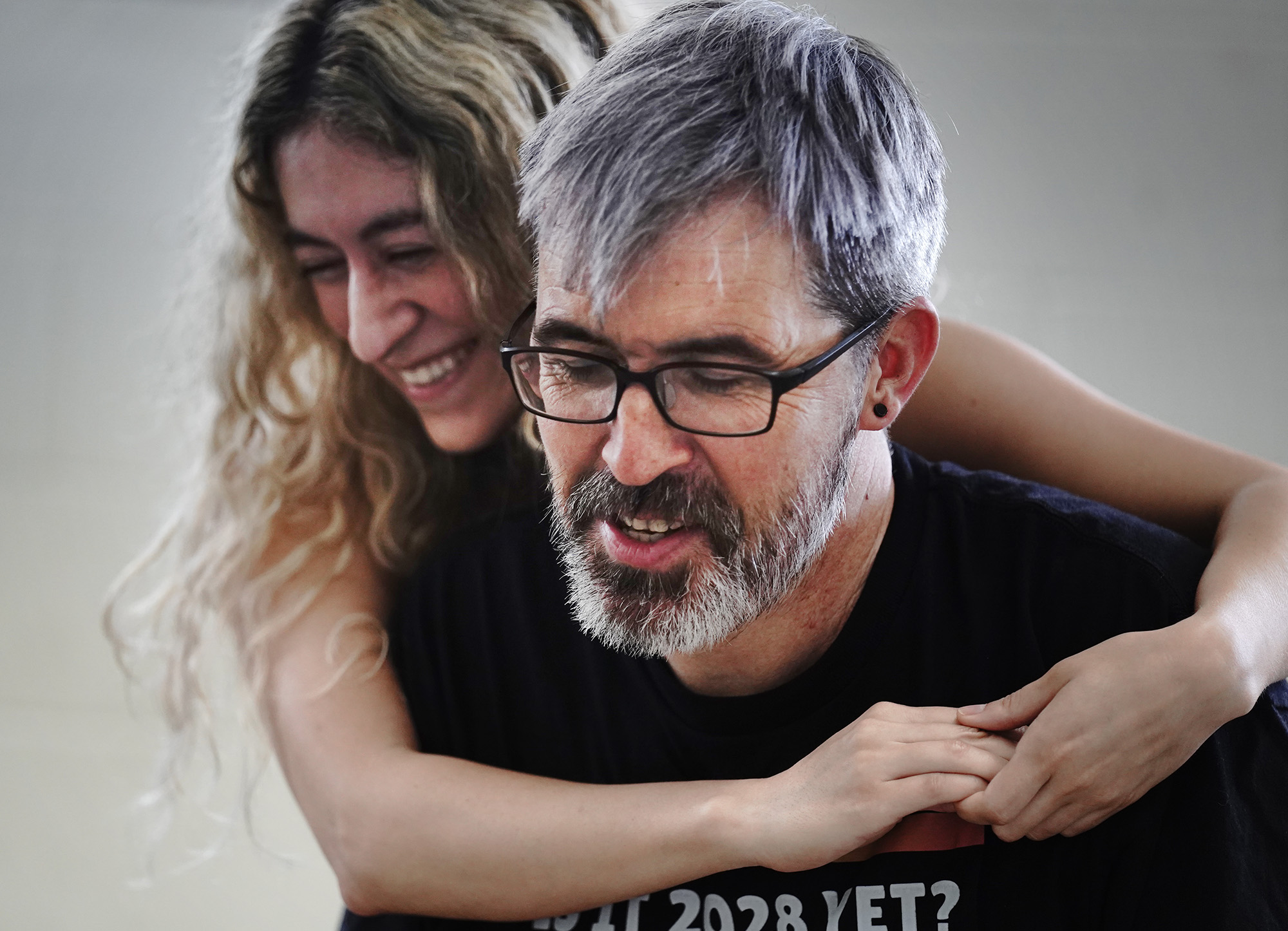
“Finding pairings that worked was always tricky,” Anderson said, “but being flexible and having good-natured students made it very enjoyable and very funny every week,” she said, referring to the petite students working with her tall teaching assistant and previous classes with a variety of heights. “In unarmed stage combat, for almost all of what we learn, the taller person has to squat more and get to the lower person’s level to keep it safe. The amount I heard these grown men good-spiritedly yelling ‘oh my thighs’ after a long day of rotating through shorter partners was always great.”
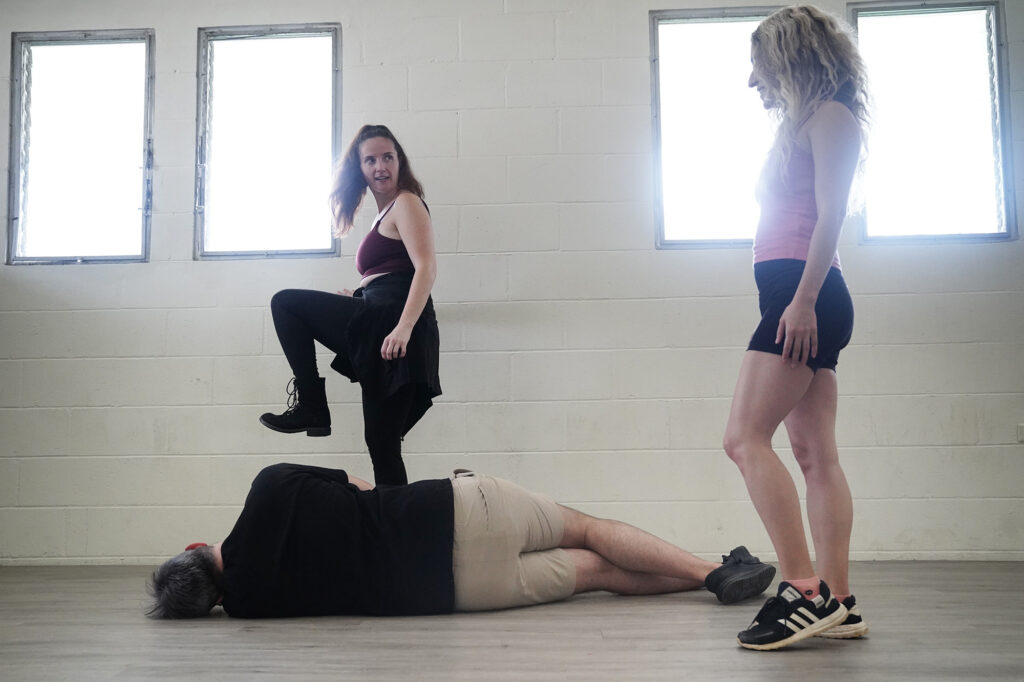
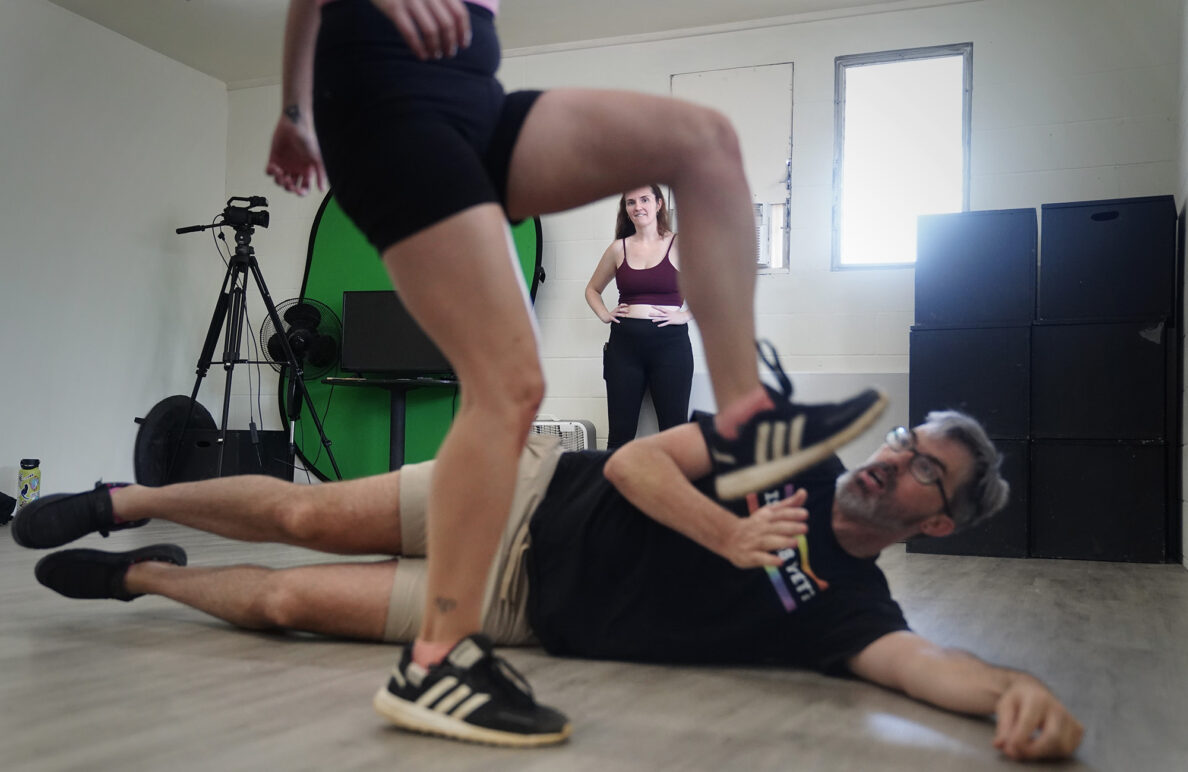
“Unarmed stage combat is not sparring,” Anderson said. “It is ‘theatre magic.’ It is the appearance of violence entirely simulated and created to sell it to the audience, but to keep the actors safe.”
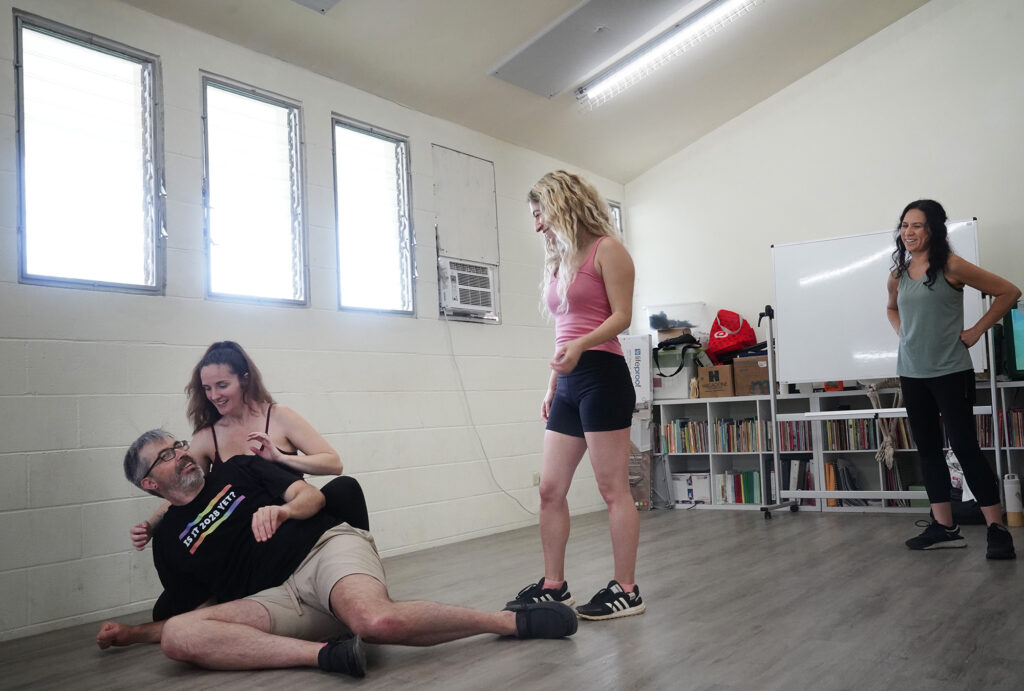
Anderson took a stage combat class in graduate school and fell in love with it. Since moving to Hawaiʻi, she has been teaching this series of classes a few times a year at Mānoa Valley Theatre.
“I love seeing the creativity of the actors,” Anderson said, “and how they choose to act and incorporate it into their fights.”
