

Makana Eyre: The Closing Of Tamashiro Market Marks Something Much Deeper
The family shop has been a landmark of Kalihi for 85 years. The community will feel the loss.

One thing I cherish about my neighborhood in Paris is how close-knit it feels. When I need fresh produce, I go see Ahmed. Jean-Charles sells me cheese — and always cuts off a piece for my eager son. Robert, the pharmacist, fills any prescriptions I have. Magda sells me coffee that she and her husband Nir roast themselves.
In the French capital of 2 million people, this northeast corner feels like a village. Sure, that sounds a bit corny — rather like the theme song of the 1980s sitcom, “Cheers,” with its beckoning promise of a place “where everybody knows your name.” But it builds community and a sense of belonging.

Hawaiʻi used to be a lot more like this. When my mom was a child in the late 1960s in Wailuku, there were two dry goods shops just a few hundred feet from her house and a dozen other family businesses within walking distance. When her Popo needed flour or sugar, she’d send my mom up the road.
I experienced the tail end of that world during my own childhood, 30 years later in Honolulu. My Popo shopped in Chinatown for years, visiting all the same stores. She knew where to go, who had the best goods and prices. And the employees got to know us. If I was lucky, the woman at the cash desk would smuggle me a roll of haw flakes or the butcher would unhook one of his hanging chunks of warm char siu and hack off a knob for me.
I’ve been thinking a lot about these kinds of businesses because of some sad news that broke a few days ago: Tamashiro Market, a Kalihi institution, will close its doors at the end of the month.
As with so many Oʻahu households, this store played a big role in my family’s life. Even now, when I’m so far away, I can picture it clearly: the tiny parking lot out front, the red crab on the building, the fresh and salty smell of ocean once you pass through its doors.
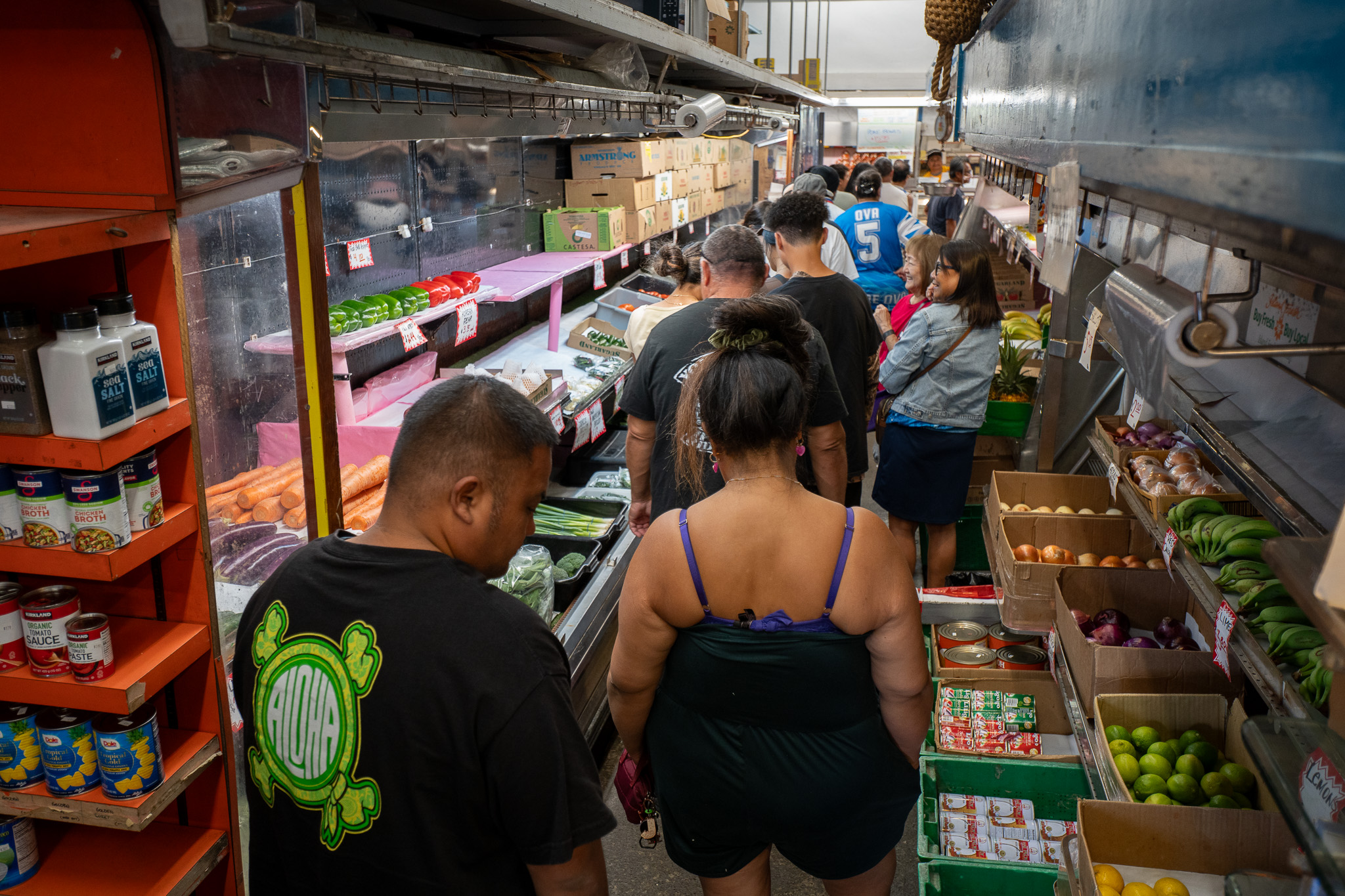
For as long as I can remember it, the inside of the store had one pathway, a horseshoe shape. First, you met the produce, displayed honestly in cardboard boxes. They had everything you needed, plus ingredients that the supermarkets didn’t always stock like bitter melon, araimo, and pulook.
For my dad, an ʻōlelo Hawaiʻi teacher at the nearby Kamehameha Kapālama campus throughout the 1990s and 2000s, it was one of the few reliable places for bags of kalo leaves and small akule or halalū for making laulau for those class times of hands-on learning.
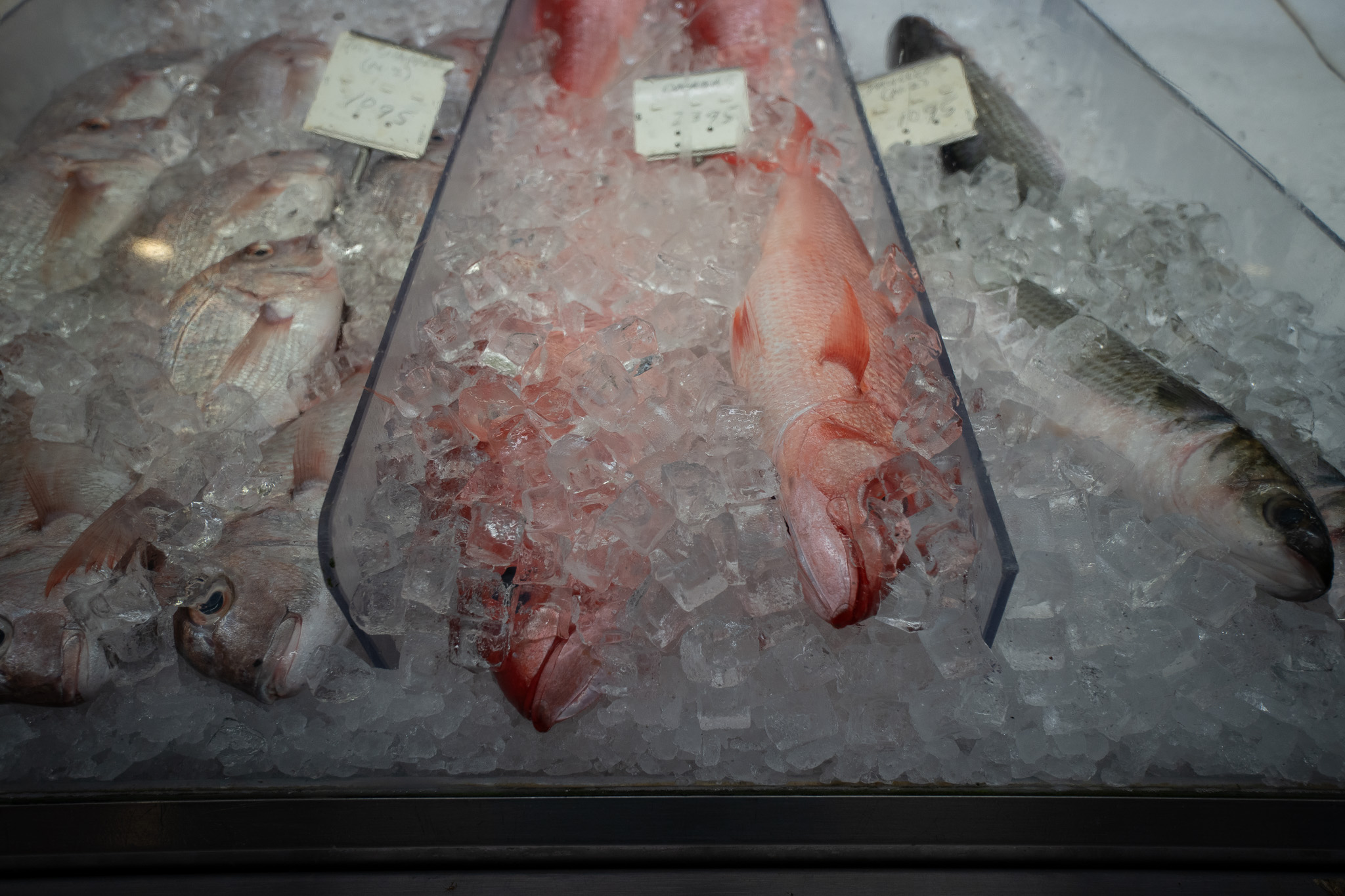
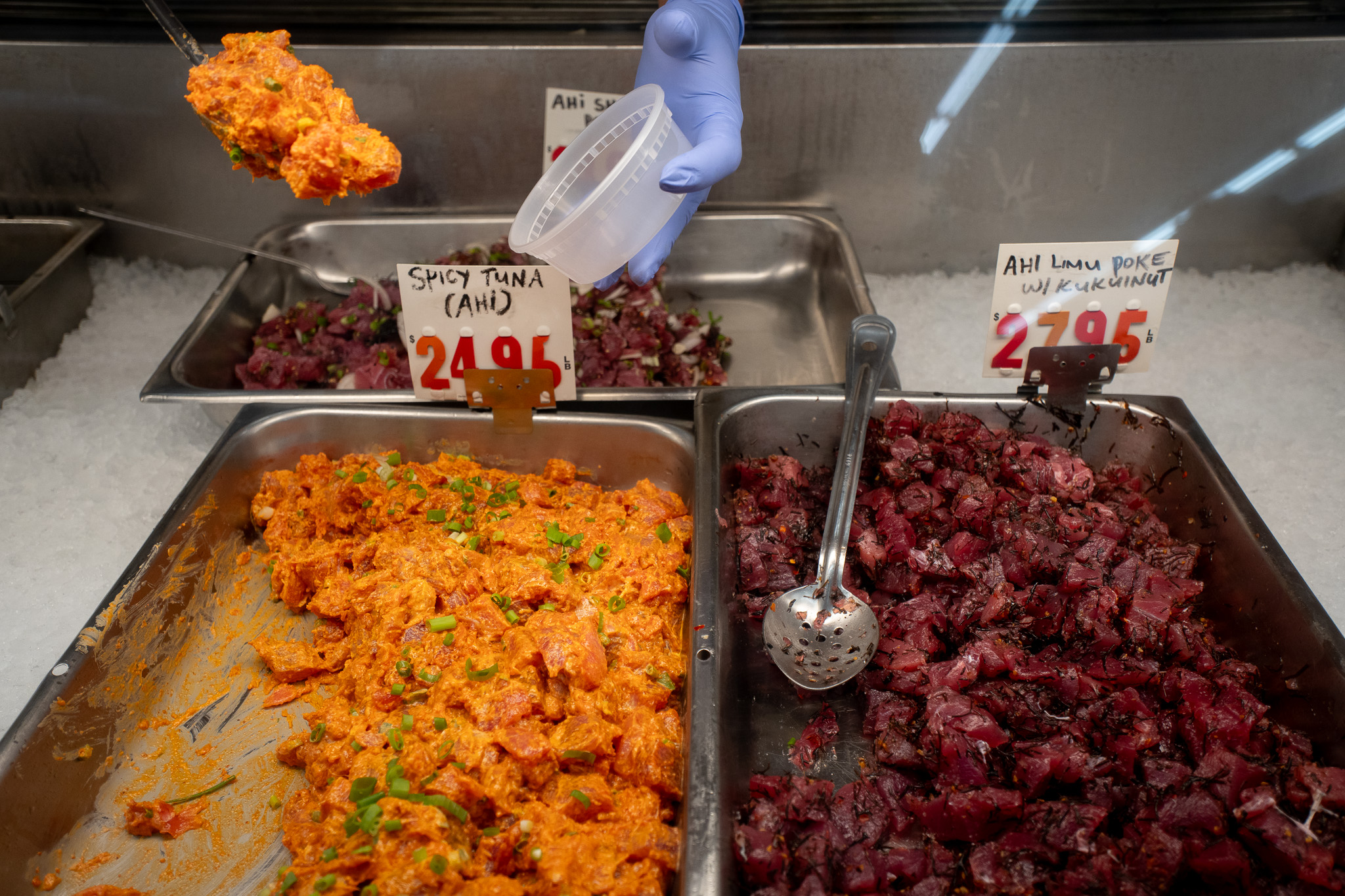
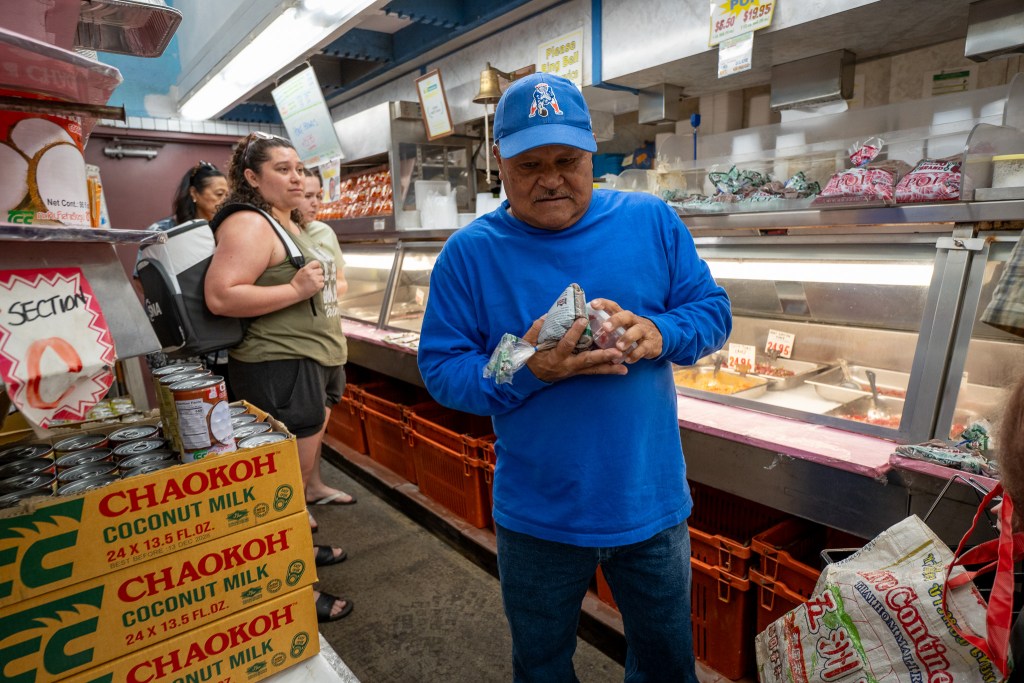
Of course above all, we came to Tamashiro Market because of its seafood: the slabs of ahi and trays of poke, the limu, taegu, and ʻopihi, and the dozens of varieties of whole fish — whatever the poles, nets or auction house had provided that morning — all of it gleaming on ice in the glass display cases. If you chose a fish, the guys behind the counter would cheerfully gut and decapitate it for you.
The seafood Tamashiro Market sold was fresh. They didn’t need to gas their poke with carbon monoxide or dress it up in sludgy sauces. If you believe the lore of sashimi in Japan, the best sort came to the table still quivering. Tamashiro Market was about as close as you could get to a shiver in your poke.
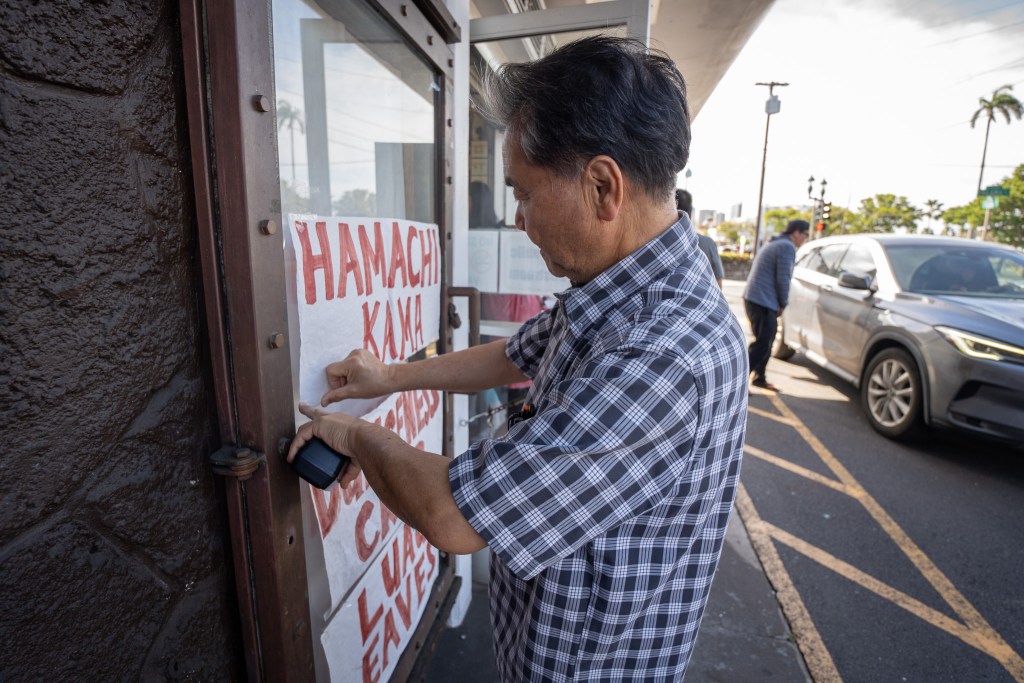
There are reasons the loss of Tamashiro Market has resonated in our community, why people have lined up to buy T-shirts. Something deeper is at play.
The most obvious explanation is that it is yet another sign of the rapid — and for many of us, painful — change that we have experienced on Oʻahu over the last 20 or 30 years. We could put Tamashiro Market in the same bucket as Pali Lanes, Varsity Theatre, Aloha Airlines, our once two feisty newspapers — and of course, countless mom-and-pop shops, crack seed stores, shave ice joints, diners, dive bars, bookshops, bakeries, and hidden eateries selling manapua and pork hash from a window.
What did we get instead? The monoculture of the national chains. The same basic stock as you’d find in Rancho Cucamonga, California, or Oshkosh, Wisconsin, or Pawtucket, Rhode Island — and none of the personal touch.
In some sense, I get the draw. There are persuasive reasons to shop at Costco or Target, to eat at Denny’s or Panda Express, especially in Hawaiʻi where shaving a few bucks off the bill can really matter.
Yet I for one never feel quite satiated — physically or spiritually — after a trip to a big box store, to a chain restaurant, no matter how much I economize.
Can Panda Express stand a chance against the restaurants around Chinatown? Can Target or Walmart ever measure up to KTA in Hilo, Tamura’s in Wailuku, or indeed Tamashiro Market in Kalihi — all of them bustling with local life, heritage, and products?
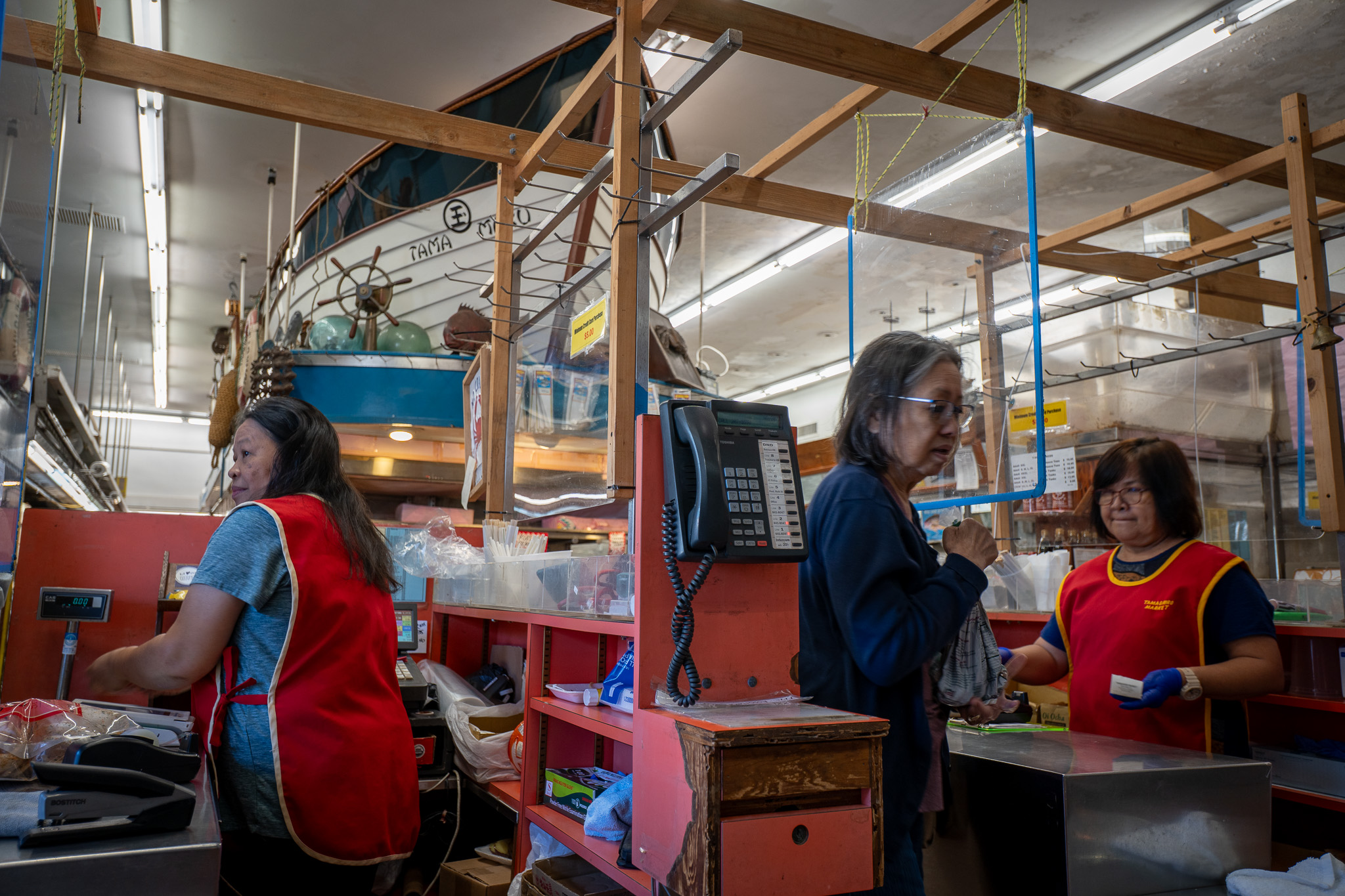
The closure of Tamashiro Market is not just about the hollowing out of old Honolulu, though that is part of it. Local families are also mourning, I think, because when they look at the store’s history, they see their own past.
Most of us have an ancestor like Tamashiro Market’s founder, Chogen Tamashiro, a man who came to Hawaiʻi from Asia, got his start working the sugar plantations, and then, slowly, diligently, expanded. Most of us can point to a tireless great-grandfather or great-grandmother who raised pigs, mended clothes, sold tofu or noodles and used the profits, modest as they might have been, to open businesses or send their kids to college.
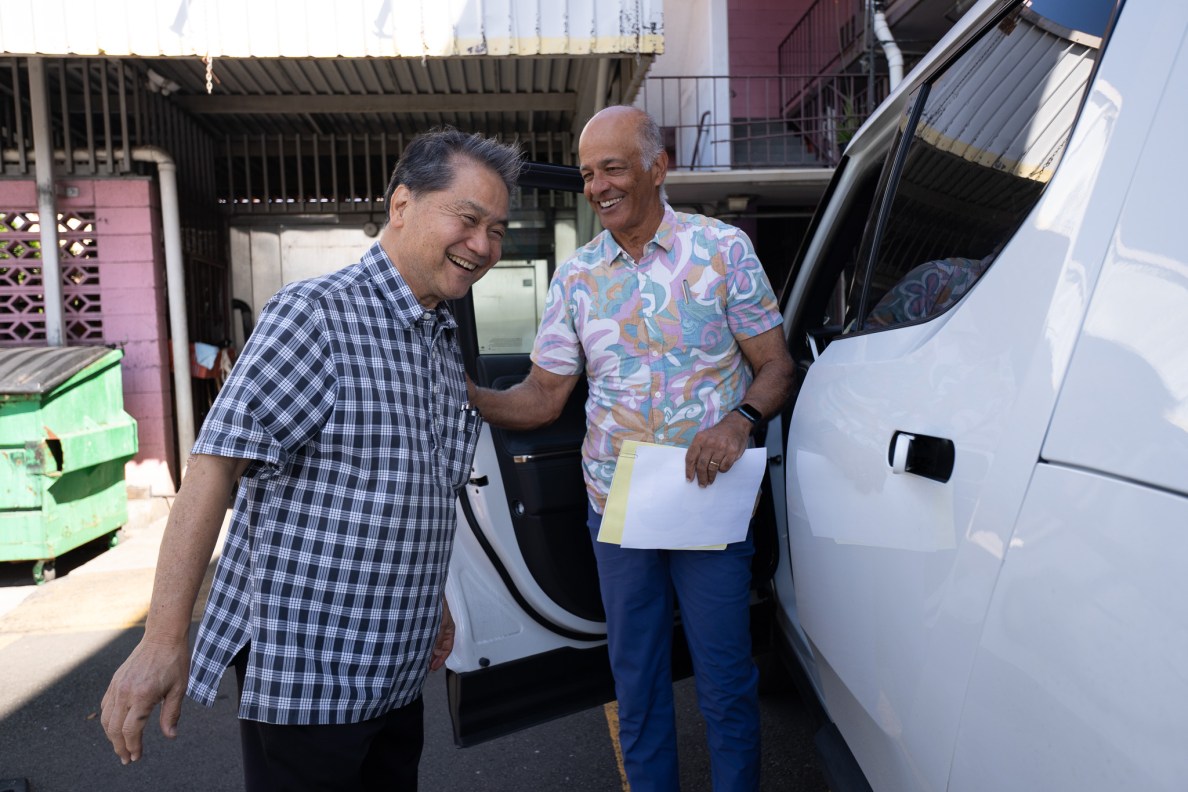
Today, the store is run by the third generation of Tamashiro men, the brothers Cyrus and Guy. Both of them have been working there since high school. Since they announced Tamashiro Market would close, they’ve been flooded with appreciation from customers.
“It’s been gratifying to have so many people come in and tell us what Tamashiro Market meant to them,” Cyrus Tamashiro told me. “It was eye opening how attached they were.”
Cyrus, now 72, jokes that if he was immortal, he could carry on running the business forever. Yet he and Guy, 69, are ready to retire. Running a business like theirs requires an immense amount of dedication. Early on, they learned from their parents and grandparents a set of old-time values that would allow them to prosper: diligence, dedication and pride in hard work.
By now, Cyrus and Guy have put in their hours. “I’m human, I’m going to die someday. But I’m still healthy. I want to be able to enjoy some things,” Cyrus told me. “It’s time for a rest, time for new things.” He’s looking forward to a quiet Christmas and New Year’s, the store’s busiest times.
To my regret, I won’t make it to Oʻahu before Tamashiro Market closes. I won’t be able to buy one last pound of poke, leave with kūlolo or sushi or boiled peanuts, all from a friendly staff who wouldn’t snicker if I took too long to make my choice. This column is my farewell.

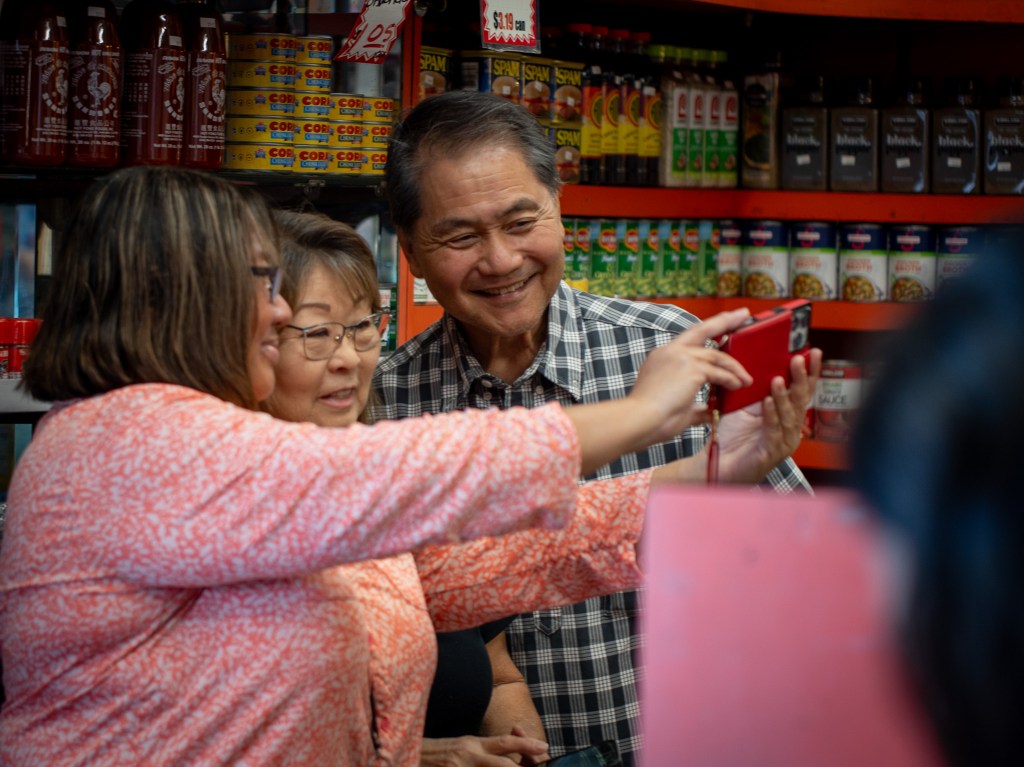

None of us can halt the relentless pace of change. Nor can we undo the past. What we can do, though, is try to protect the things that give our community its spirit. In this case, that’s as simple as patronizing shops like Tamashiro Market, opting for the homegrown choice if the option presents itself.
Why? Because it’s these businesses that give our islands much of their color and character and connect us to our shared past. And perhaps most important, they keep us rooted in a community, generation by generation.
What happens if we let them slip away? Life will go on as it invariably does. But we will have lost something distinctly local, an essential element of our islands.
In their stead we’ll get even more of the same shops and brands and restaurants that you find across the nation. I sure hope that doesn’t happen.
Photographs by Craig Fujii
