Graduating students at the John A. Burns School of Medicine gathered in the dark during the recent Kona low to find out where they would continue their medical training. Match Day is a national tradition at medical schools across the country. For some Hawaiʻi students, the perfect match was home in the islands.
Photo Essay: Hawaiʻi Medical Students Anxiously Seek Their Perfect Match
Graduating students at the John A. Burns School of Medicine gathered in the dark during the recent Kona low to find out where they would continue their medical training. Match Day is a national tradition at medical schools across the country. For some Hawaiʻi students, the perfect match was home in the islands.
It was a day of excitement and anxiety, as faculty members and families gathered to celebrate the achievements of fourth-year medical students and find out where the future doctors would continue their medical training.
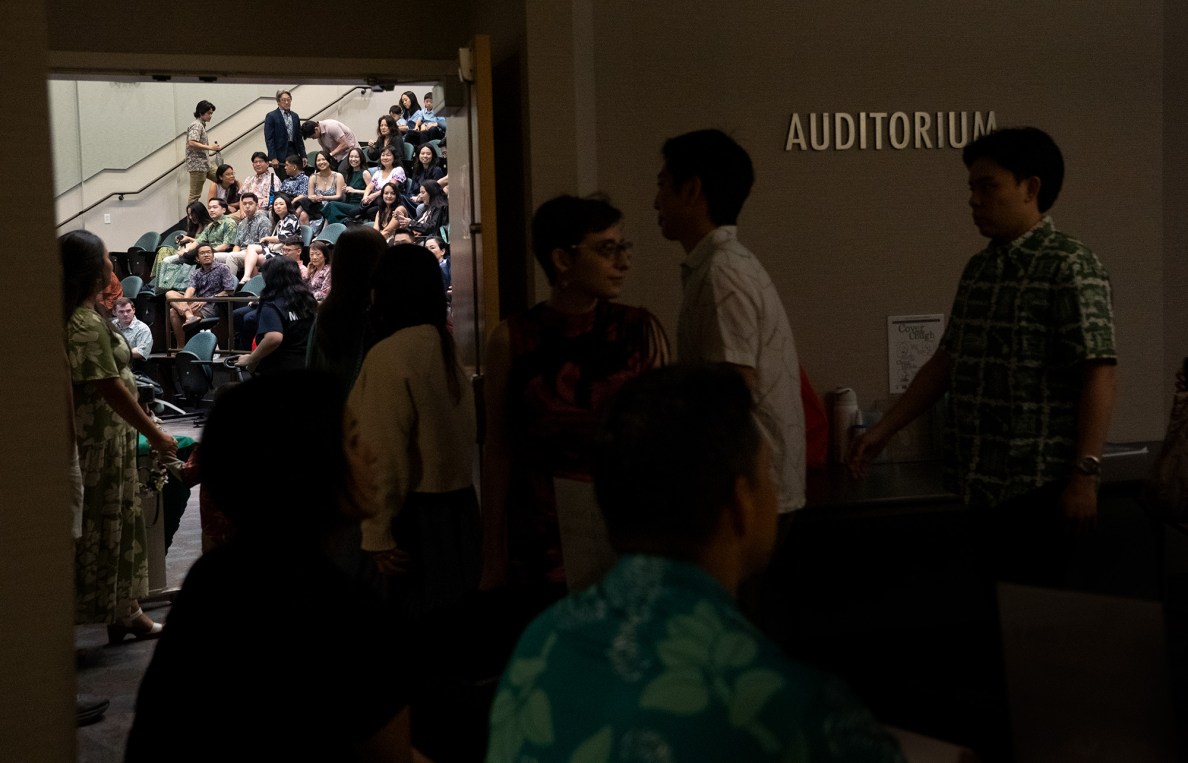
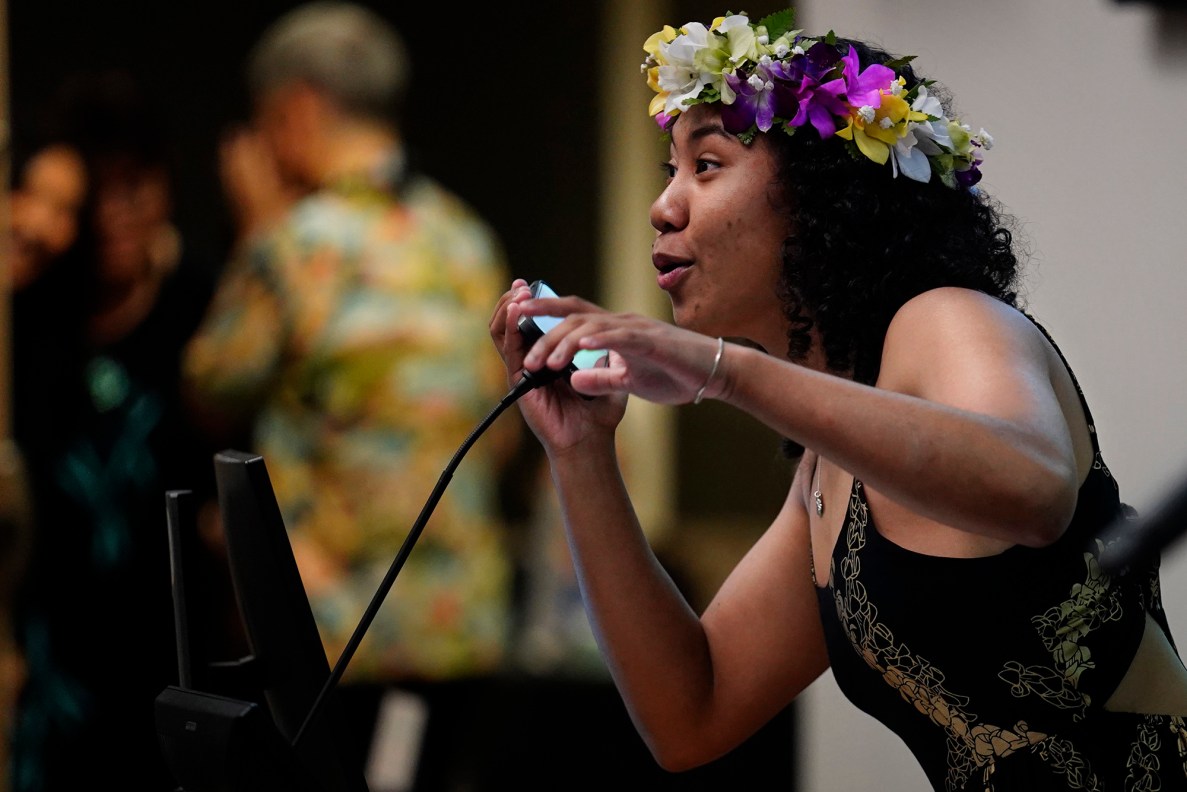
Fourth-year students at the John A. Burns School of Medicine enter the school’s auditorium with a family member before receiving their letters on Match Day in Honolulu. An overflow room downstairs broadcast the ceremony. (Kevin Fujii/Civil Beat/2026)Class president D-Dré Wright performed a rap for her classmates before handing out letters. Wright is going into orthopedic surgery at Cedars-Sinai Medical Center in Los Angeles. (Kevin Fujii/Civil Beat/2026)
During the ceremony, students came up one at a time to receive their letter and a lei and to put a dollar in a pot — a tradition to lighten up the mood of the tense morning. At JABSOM, the student who waited the longest to receive their Match Day letter received the pot of money. This year, it was Jake Nakasone of Honolulu who took home the cash. He’ll continue his medical training in general surgery at UMass Chan Medical School-Baystate.
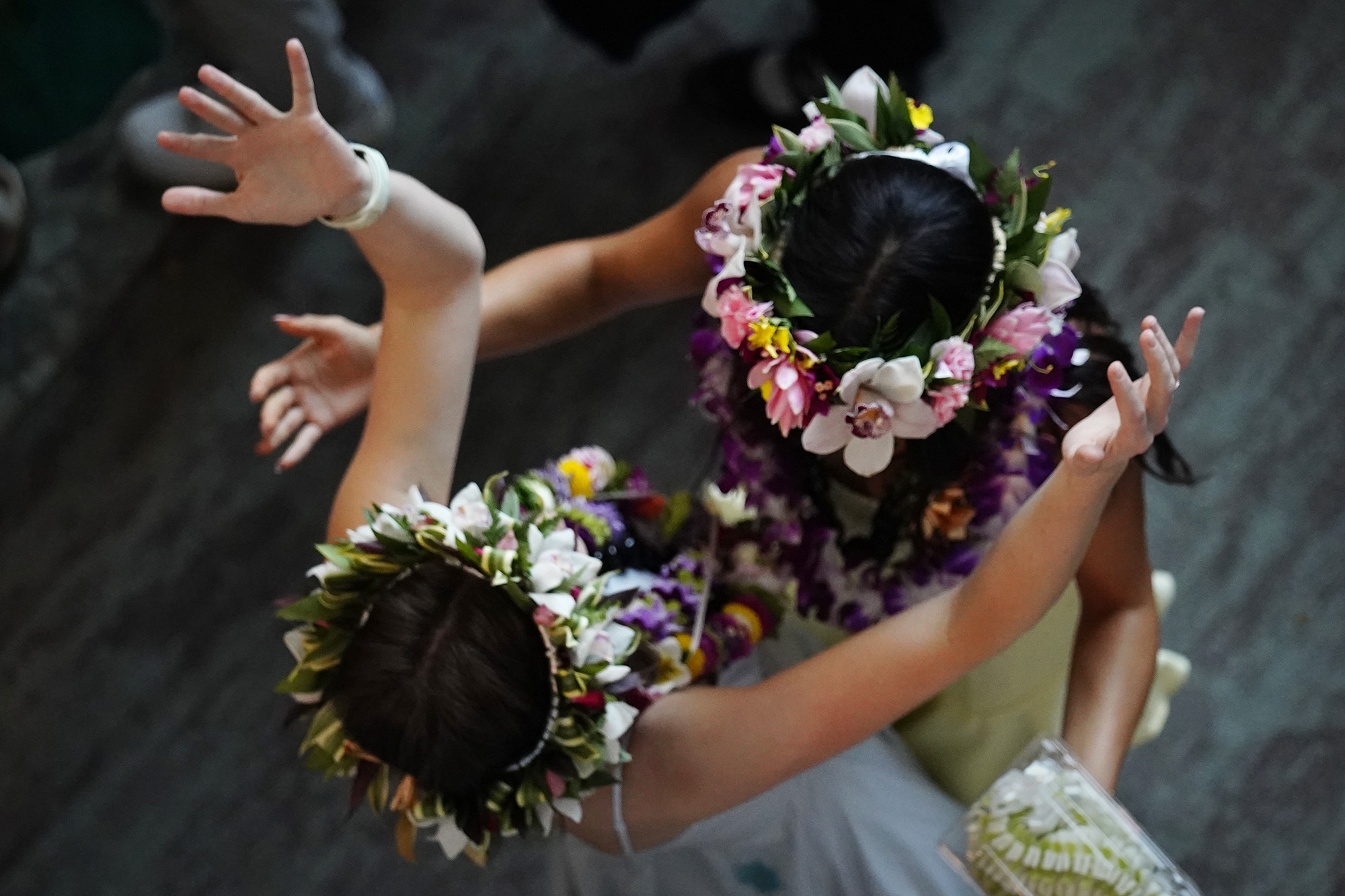
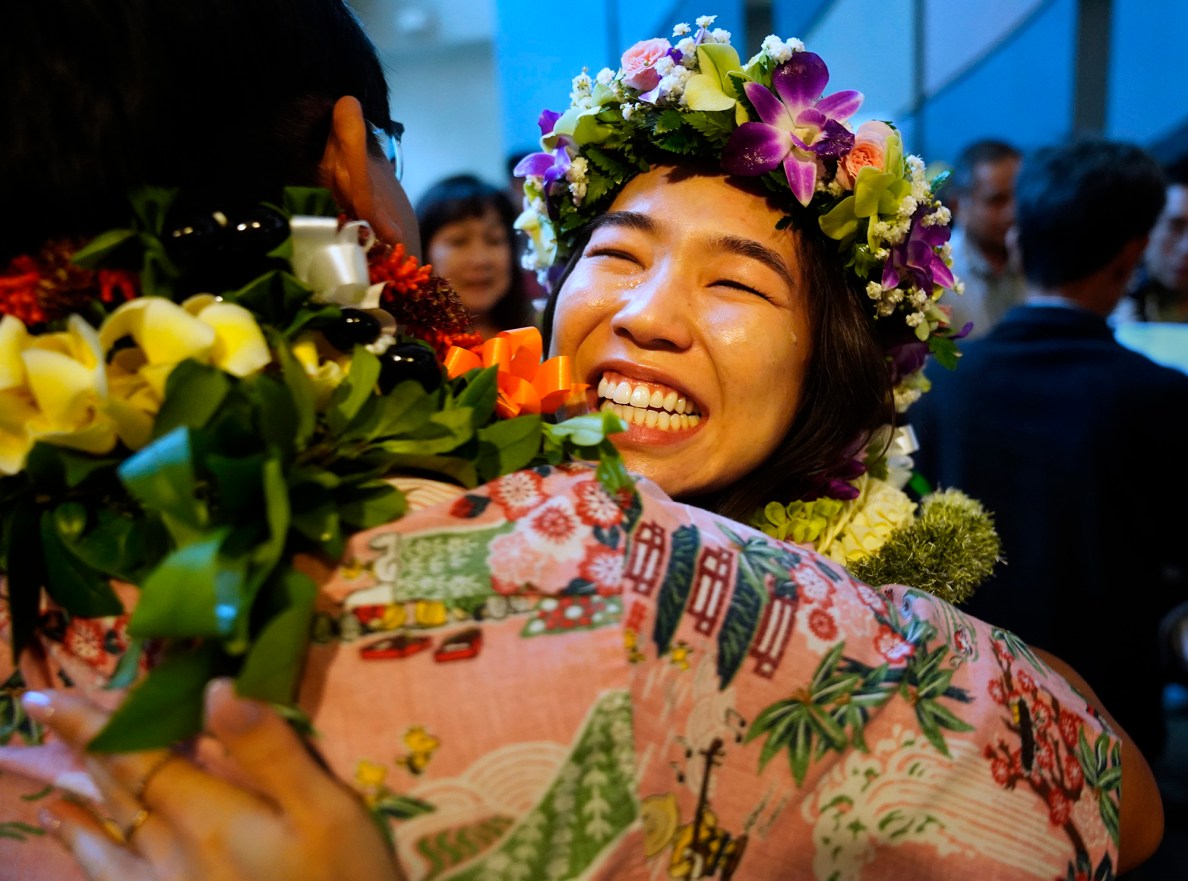
John A. Burns School of Medicine fourth-year student Jasmine Agustin Padamada of Kea‘au, left, hugs Jill Omori, director of the Office of Medical Education, after receiving her letter. Padamada is going to the University of Utah Health. (Kevin Fujii/Civil Beat/2026)
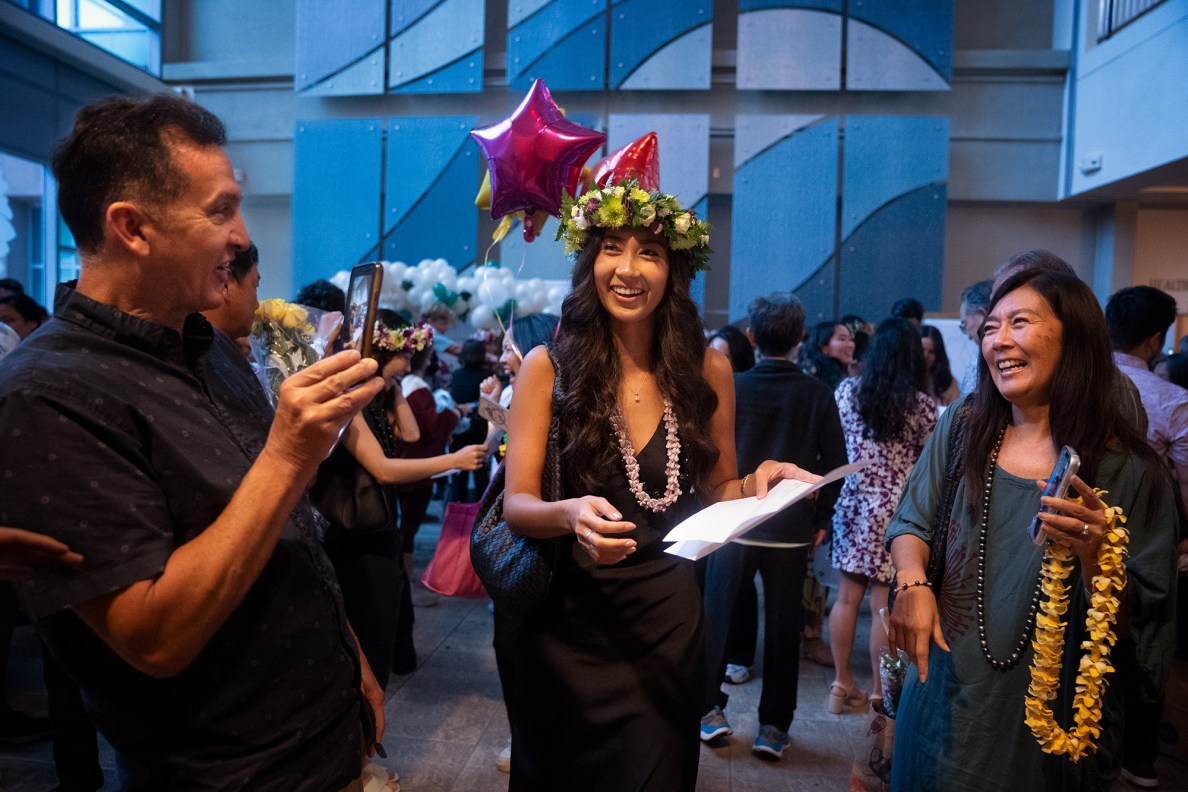
After the students received their letters, they went downstairs to open them with their ʻohana.
John A. Burns School of Medicine fourth-year students and their families mingle after opening their letters on Match Day. (Kevin Fujii/Civil Beat/2026)Medical student Kirra Borrello, center, celebrates her match to UCLA with her father, Adam Borrello, and mother, Karianne Borrello. Kirra will continue her medical training in internal medicine. (Kevin Fujii/Civil Beat/2026)
Students and medical residency programs create a list of preferences that are submitted to the National Resident Matching Program or NRMP. The organization’s website says it uses a mathematical algorithm that aims for the best possible outcome for both students and medical institutions.
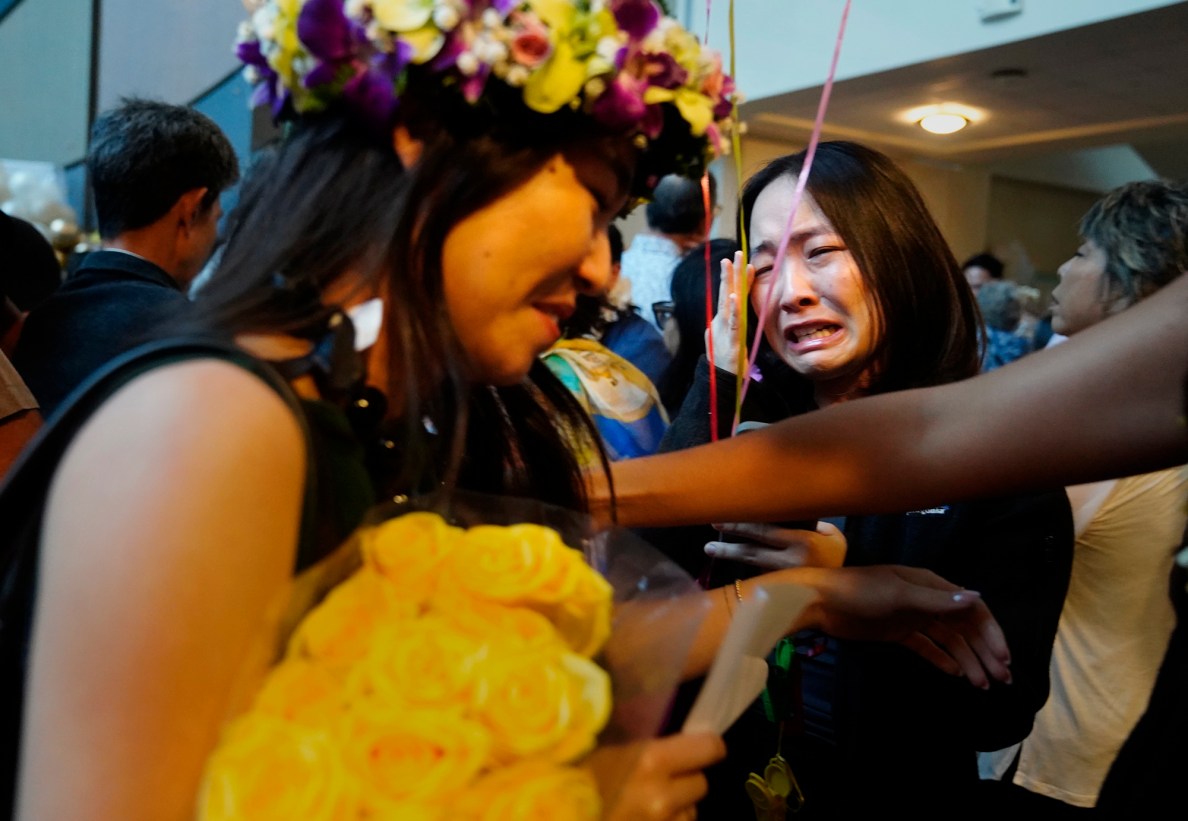
John A. Burns School of Medicine second-year student Kasey Emoto, right, sheds tears of joy for her sister, fourth-year student Jamie Emoto, foreground, after she matched with UC Irvine Medical Center. Jamie will continue training in pediatrics. The Emoto sisters are from Līhuʻe. (Kevin Fujii/Civil Beat/2026)
More than half of the JABSOM 2026 graduating class matched in primary care fields of internal medicine, family medicine, pediatrics and OB-GYN.
“Primary care is the backbone of a healthy community and Hawaiʻi continues to face a critical need in these areas,” Dean Sam Shomaker said. “We are proud to see so many of our students choosing this path and staying true to our mission of training physicians who will serve our communities here at home.”
John A. Burns School of Medicine fourth-year students Jamie Emoto and Chad Taniguchi hug after opening their letters. Emoto, of Līhuʻe, will continue training in pediatrics at UC Irvine Medical Center. Taniguchi is going into emergency medicine at Lehigh Valley Hospital in Pennsylvania. (Kevin Fujii/Civil Beat/2026)
A third of the graduating class will continue their medical training in Hawaiʻi.
“I grew up in this place,” Kerrick Chinen said. “These people have raised me and it’s an absolute honor to be back serving the people and practicing even more at home.”
Chinen said that he knew there was no guarantee that he could stay home.
“It was an absolute relief opening that envelope up and seeing University of Hawaiʻi.”
As a local newsroom, Civil Beat has a unique public service role in times of need. Your support ensures that we can pivot when emergencies arise and get vital information out to everyone, from all communities.
Support timely and accurate breaking news stories as well as impactful coverage across the state. Donate today.