Neal Milner: How To Pick An Election Winner The Right Way
The Hawaiʻi court system could have handled the Tommy Waters’ election dispute much better.
August 30, 2026 · 6 min read

About the Author

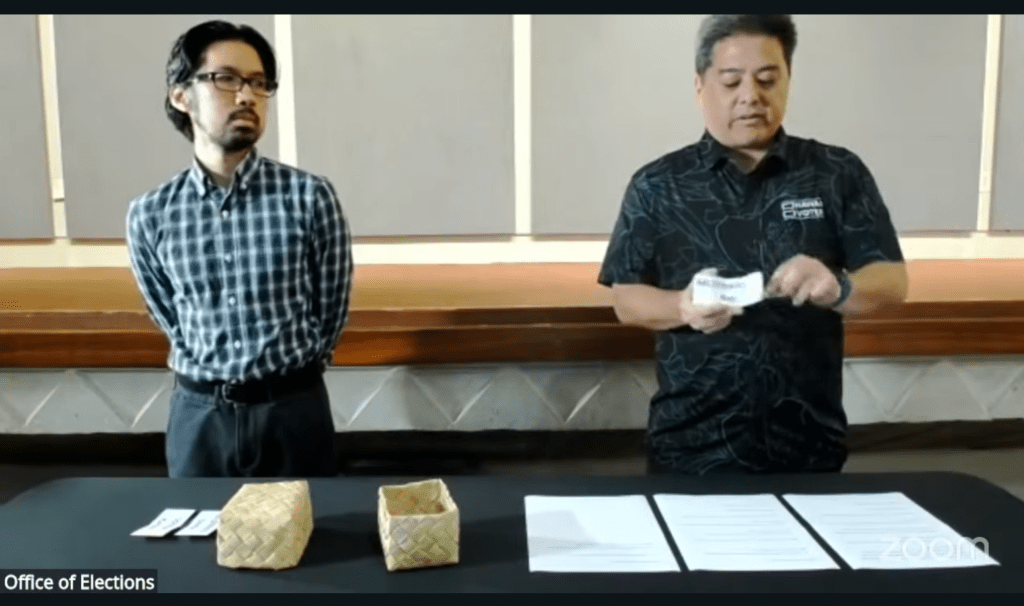
Two sets of 2026 election disputes. In one, the state Office of Elections had to pick a winner between candidates receiving the same number of votes.
In the other, the Judiciary has to deal with the contested results in the vote for the Oahu City Council East Oʻahu seat.
Office of Elections officials handled theirs the same way elementary school carnivals give away rice cookers and recreation directors crown bingo champs at assisted living facilities. Random balls.
Hawaiʻi’s Judiciary has dealt with its election disputes the same way it deals with all other disputes. Legal procedures.
Random balls got the job done.
Legal procedures, on the other hand, did not and, in fact, will not unless they change.

The courts have created their own kind of ball. That one matches the title of a Temptations hit: a “ball of confusion.”
Their decision on Friday upholding an earlier ruling that Tommy Waters was ineligible to run doesn’t get the process off the hook. Waters made a nice, good-loser gesture when he thanked the judges for their “expeditious” decision.
Nice but too nice.
Courts created the problem in the first place. The entire process of dealing with election controversies is flawed.
It needs overhauling.
And when it comes to improving the way it deals with election issues, the Judiciary should use random balls as a guiding star.
The random ball process worked because it clearly and unambiguously followed the law regarding tie-breaking. You might not like the law. There is talk of changing it. But for now, the process did what it was legally supposed to do.
More than that, the decision was also timely and expeditious, completed as soon after the official tally as possible.
And it brought closure. One candidate who lost, Kanani Souza, is going to court although it seems like a weak case for sure.
Otherwise, done, finished, pau. On to the general election.
The way the courts have handled the East Oʻahu dispute lacks every one of those attributes. It’s allowed for missed deadlines, confusing and contradictory rulings, and case management that permanently and irretrievably wrecked the primary election before it even took place.
Election laws have firm deadlines. Courts as a rule try to expedite election disputes so that the rulings don’t get in the way of these deadlines.
Not this time.
The problem really took off when a judge overruled the county clerk’s decision that one of the candidates, the incumbent Tommy Waters, was eligible to serve another term.
The clerk seemed to treat it like it was an ordinary day at the office, like getting a park permit for a birthday party. He issued no formal opinion. There was no public hearing. It’s not even clear he consulted anyone else.
So there were valid reasons to question the clerk’s view. In fact, Judge James Ashford, a Circuit Court judge, did overrule the clerk, declaring that Waters was ineligible.
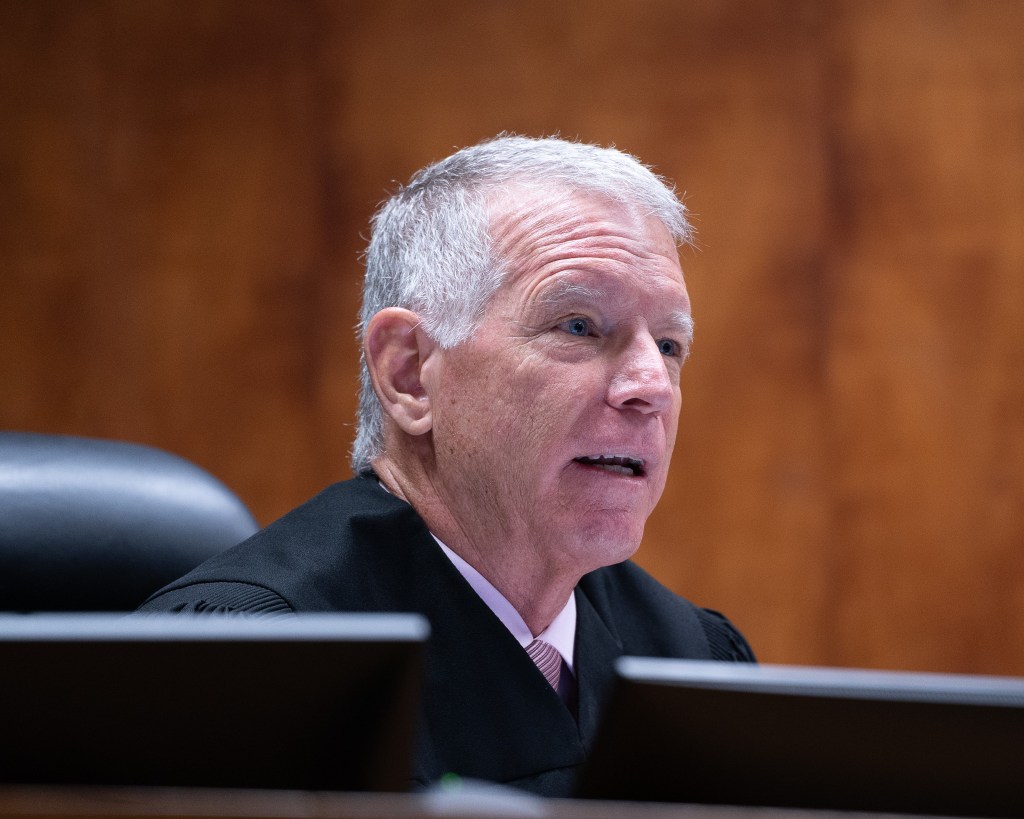
The problem is not with the doctrine but his management of the case. Good case management would have made sure that this decision was timely and made before the ballots were printed and mailed.
But that’s not what Ashford did when he ruled that Waters was ineligible. He could have but did not announce his ruling until the ballots had already been printed and mailed.
Once this deadline was past, every other part of the election was screwed up: Ballots with a disqualified candidate on it. Voters who voted for Waters even though they didn’t know or didn’t care that his voted didn’t count. Or do they?
As a result, almost every institutionally reasonable-looking step made the overall situation worse.
And that’s the very definition of a shit show.
Rice cooker lottery, anyone?
Which brings us to the cobbled-together appellate process the courts are using to work out this mess.
Eight judges, including Hawaiʻi Supreme Court justices recused themselves, making it necessary to impanel an ad hoc group of five judges from here and there in Hawaiʻi.
Judges don’t have to give reasons for recusing themselves, so we can only speculate. But it sure seems possible that one reason was “just because there’s a big pile in front of me doesn’t mean I have to step in it.”
The whole process seems so contrived. This ad hoc group faces issues that have multiplied like germs on a lettuce farm.
And now they’ve decided there will be no special election and that Trevor Ozawa and Tara Malia Gregory will be the names on the general election ballot.
But there won’t be closure. Litigation like this breeds more litigation.
The Office of Elections ball-drawing process works because it is election-specific. It has one job. That’s it. The procedure is clear. So is the docket.There was a clear deadline.
Random ball drawing may not be the procedure you want but it is based on the objectives that courts should also strive for: timeliness and definitiveness. Get it done on time. Otherwise the rest of the election falls apart like a house of cards.
Here are some necessary steps.
Adopt laws and procedures that are election-specific, not as just another civil dispute, so that all issues will be decided before ballots are mailed and printed. That requires strict time lines and a specific election docket with its own rules to make this happen.
Every judicial decision deadline should be calculated backward from the date ballots must be printed — not merely from election day. The courts should see these deadlines as settled and required.
Treat any eligibility claim as an election emergency, not as something the county clerk decides as part of the ordinary goings on in local government
There should be a special panel that makes the eligibility decision and gives its reasons publicly.
To make this all work, establish an election dispute docket with rules and procedures that expedite matters by streamlining procedures to make it easier to meet the mandated timelines.
The courts should display the same focus and drive for completing the task that the Office of Elections has.
Random balls may seem simplistic and unfair.
But what Hawaiʻi’s courts have been doing shakes our nerves and rattles our brain.
Goodness gracious, great balls of fire.
 Sign up for our FREE morning newsletter and face each day more informed.

Local reporting when you need it most
Support timely, accurate, independent journalism.
Honolulu Civil Beat is a nonprofit organization, and your donation helps us produce local reporting that serves all of Hawaii.
ContributeAbout the Author