Supreme Court Blocks Honolulu Council Chair From Seeking Third Term
The court ruled candidates Trevor Ozawa and Tara Malia Gregory should be placed on the ballot this fall. Tommy Waters is not allowed to run this time.
Honolulu City Council Chair Tommy Waters is ineligible to run for reelection, the Hawaiʻi Supreme Court ruled on Friday, denying his request to be placed on the ballot during November’s general election.
The court ruled 3-2 that Waters has already met his two-term limit.
After Waters filed for election for a third time this year, he appeared on the August primary ballot and received the second highest number of votes after Trevor Ozawa. But Friday’s ruling invalidates those votes.
The third highest vote-getter, Tara Malia Gregory, will face off with Ozawa in November, the court ruled. The district they are running for covers the area from Waikīkī to Hawaiʻi Kai.
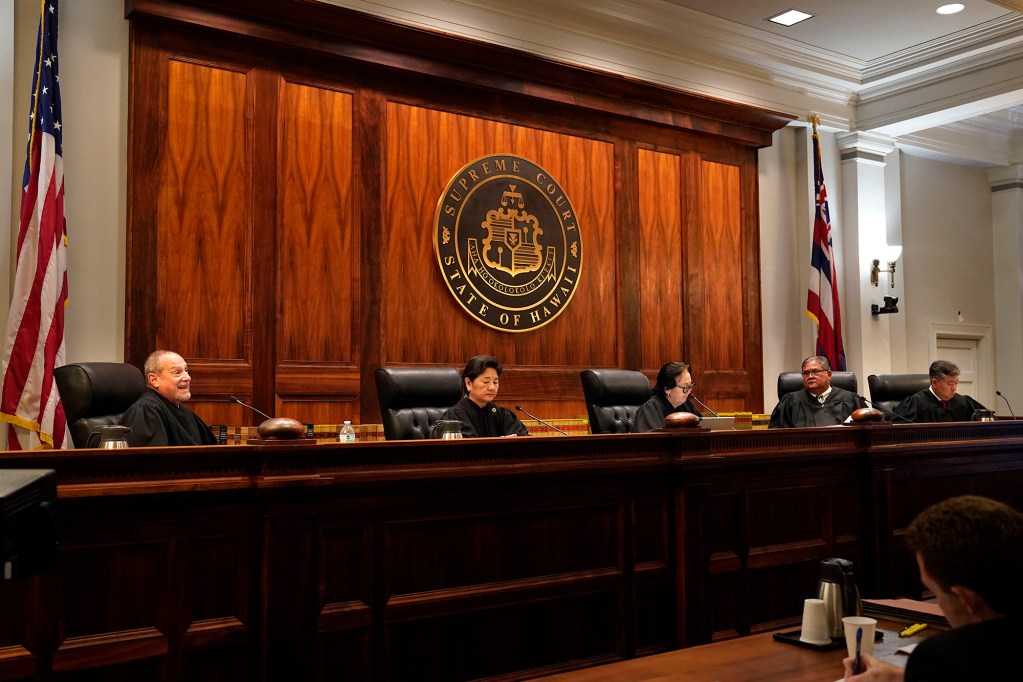
The court was asked to determine whether Waters had already been elected to serve two consecutive four-year terms, the limit described in the city charter.
Waters first took office in May 2019, roughly four months after council members typically take office. Because he did not serve that full four-year term, Waters argued he could run again this year.
A group of Waters supporters filed a lawsuit with the Supreme Court making that case. But a majority of the court disagreed.
Associate Justice Lisa Ginoza was joined in her ruling by Circuit Judges Peter Cahill, who filled in for Justice Todd Eddins after Eddins recused himself, and Peter Kubota, who filled in for a vacancy.
Dissents were filed by Acting Chief Justice Sabrina McKenna and Circuit Judge Michael Soong, who filled in for Chief Justice Vlad Devens after Devens recused himself. McKenna felt Waters was eligible, she wrote.
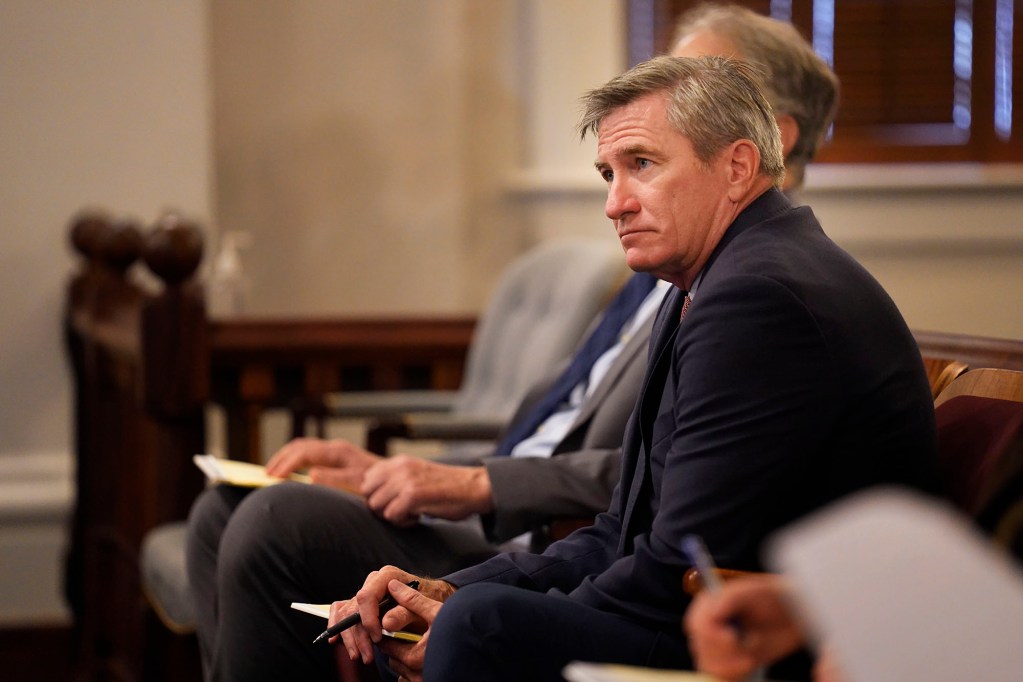
Waters’ longtime political rival, Ozawa, was the incumbent before Waters took office in 2019.
He filed a lawsuit against Waters’ candidacy in June, shortly after filing for candidacy himself.
Circuit Court Judge James Ashford ruled against Waters’ eligibility, but by then, thousands of people had already voted for Waters. Waters appealed Ashford’s decision to the Supreme Court.
In an ironic twist, the Supreme Court invalidated Ashford’s decision on procedural grounds, which would seem to have resulted in Waters’ favor. However, the Supreme Court panel was given an opportunity to assess the merits of the case through the lawsuit brought by Waters’ own supporters — and they lost.
In a statement, Waters said he is “profoundly disappointed” by the ruling but would respect the justices’ decision.
He thanked the Supreme Court for making a quick decision and his supporters and constituents for giving him the chance to serve as council member.
“Although this decision closes one chapter, it does not diminish the work we have done together or the values that brought us together,” he said. “Our community’s hopes for safe neighborhoods, housing people can afford, protected natural resources, and a Honolulu where future generations can stay and thrive remain worth fighting for.”
Waters did not respond to a call and a text on Friday.
A Political And Legal Journey
Although Waters is no longer a candidate, he already shaped the race. By being a popular incumbent and declaring his candidacy early on, he may have fended off possible challengers who might have run for office if the seat had been open.
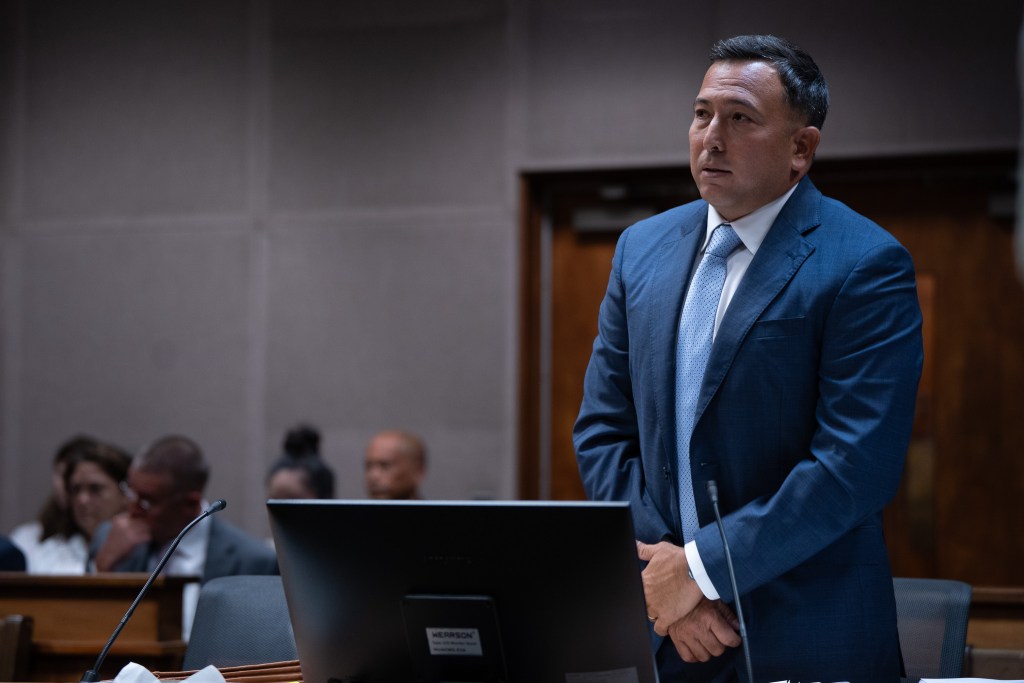
And there’s no way to know how the more than 8,000 people who voted for Waters in the primary would’ve voted if he hadn’t been listed on the ballot, Maui attorney Lance Collins said.
Ozawa’s lawsuit failed because individuals who seek to challenge a county candidate’s eligibility before the election must first go to the county clerk. If – and only if – the clerk decides against the candidate being challenged, the justices said, the issue can be elevated to the circuit court.
In Ozawa’s case, the clerk sided with Waters, the candidate who was challenged. So the Supreme Court threw Ozawa’s challenge out.
Collins sees that as problematic. The implication, he said, “is this idea that the clerk has unreviewable power over the ballot. That’s a little bit troubling.”
He thinks state lawmakers should modify the law to change this.
Separately, state law says people can challenge election results through a process called an election contest, which is what the group of voters did.
Natalie Iwasa, the lead plaintiff for the group of supporters who asked that Waters be put on the general election ballot, said she hadn’t read the decision yet when reached by Civil Beat midday Friday.
“I’m a little bit surprised,” she said. “Because it seems to me that there were good arguments put forth as to why Tommy would be eligible.”
Ozawa did not immediately respond to a request for comment.
First-Time Candidate Advances
Ozawa received the highest number of votes in the primary, followed by Waters. Gregory received the third highest number of votes, and Jason Liang received the fourth highest.
The court’s ruling means Gregory, a first-time candidate for office, is still in the race.
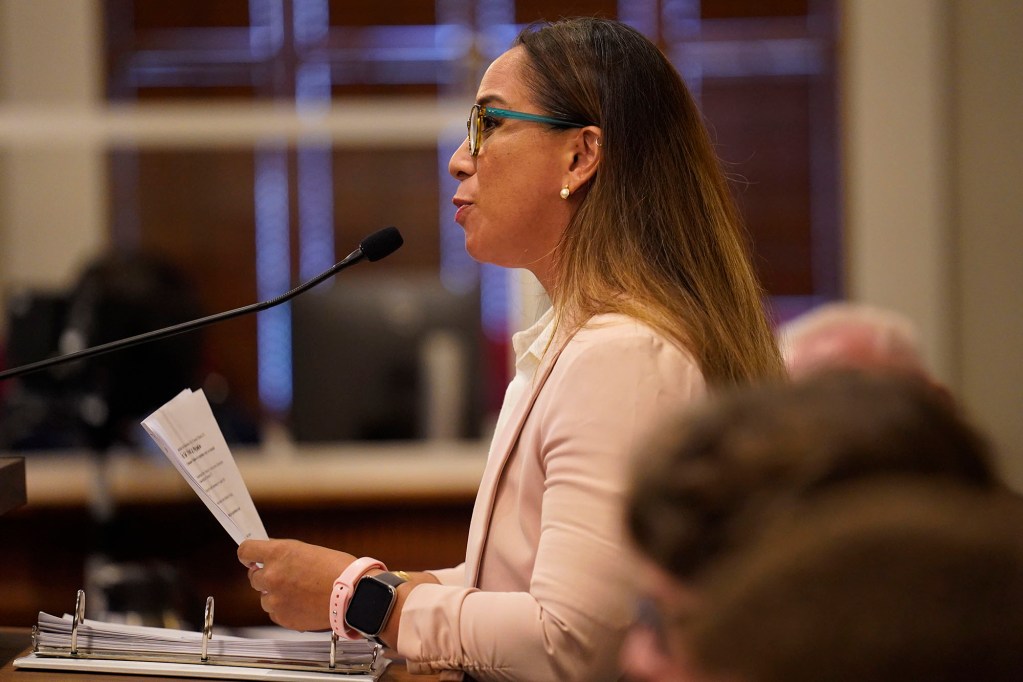
Gregory said on Friday she is glad a final decision was made because it means she can focus again on campaigning. She wasn’t surprised the justices were split, she said, since she thought the charter’s term limit language was ambiguous and needed clarity to avoid future voter confusion and court drama.
“It was kind of a mess,” she said.
This is the third time Ozawa and Waters have attempted to rope in the Supreme Court to help settle an election contest between the two of them.
The first time, in 2014, occurred after Ozawa bested Waters by 41 votes, and Waters petitioned for a recount. The Supreme Court rejected Waters’ petition, and Ozawa took office.
The second time, in 2018, occurred after Ozawa beat Waters by 22 votes. Waters challenged the count, and the Supreme Court invalidated it, since a few hundred absentee ballots arrived too late.
A new election between Ozawa and Waters was scheduled for April 2019, which Waters won.
Correction: A previous version of this story misstated the name of Circuit Judge Michael Soong.