

US House Passes a Sweeping Defense Policy Bill
The $612 billion measure includes an amendment sponsored by Hawaii Congresswoman Tulsi Gabbard to boost health benefits of military veterans.
The U.S. House of Representatives on Friday approved a $612 billion defense policy bill, despite opposition from many Democrats who decried its use of budgeting “gimmicks” to get around the spending cuts — the so-called “sequester” — instituted in 2011.
The National Defense Authorization Act, which serves as the budgetary blueprint for the Pentagon, was approved by a vote of 269 to 151. Hawaii’s two representatives, Tulsi Gabbard and Mark Takai, voted in support of the bill, defying House Minority Leader Nancy Pelosi’s request that all Democrats oppose the bill.
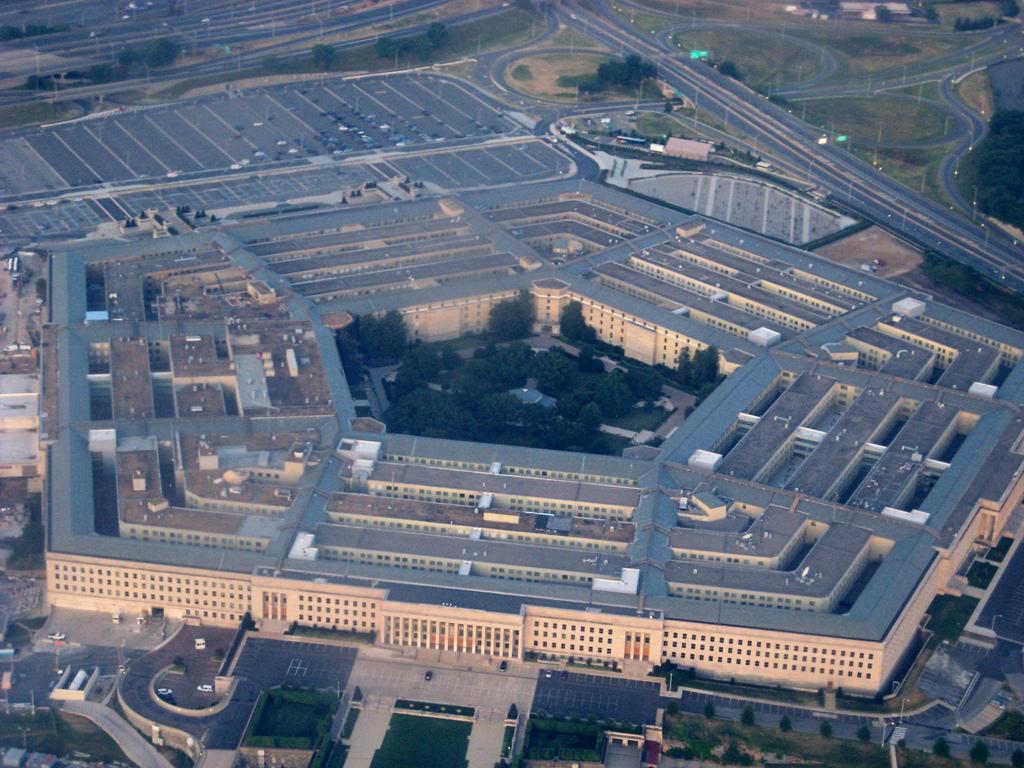
Flickr.com/Gregwest98
Flickr.com/Gregwest98
The measure includes an amendment — introduced by Gabbard and U.S. Rep. John Kline, a Republican from Minnesota — that restores a health benefits plan called TRICARE Prime to thousands of military veterans, allowing them to pay lower out-of-pocket costs.
In 2013, more than 170,000 veterans nationwide lost access to TRICARE Prime because, under a policy change by the Pentagon, they were determined to live too far from “military treatment facilities” — therefore outside the coverage areas of TRICARE Prime — and their plan was automatically switched to TRICARE Standard.
In Hawaii, it affected more than 1,000 veterans — mostly from neighbor islands, since all of the five military treatment facilities are located on Oahu.
“All our veterans, no matter where they live, deserve to receive the benefits they have earned,” Gabbard said in a statement. “The Department of Defense’s 2013 policy change that limited the TRICARE Prime service areas had a disproportionate negative impact on our neighbor island residents, who already face unique challenges to accessing health care because of our island state. This amendment will allow them an opportunity to re-enroll and receive their benefits.”
The amendment passed unanimously by a voice vote, but the overall bill faced stiff opposition from Democrats, who criticized their GOP colleagues for boosting the emergency war fund in order to increase military spending, a move intended to sidestep the defense budget caps instituted by Congress in 2011.
Prior to Friday’s vote, Pelosi pledged to oppose the bill. “The Republican defense authorization bill before the House is both bad budgeting and harmful to military planning — perpetuating uncertainty and instability in the defense budget, and damaging the military’s ability to plan and prepare for the future,” Pelosi wrote to her House colleagues.
“As Defense Secretary (Ash) Carter said last week, Republicans’ approach is ‘clearly a road to nowhere,’ ‘managerially unsound’ and ‘unfairly dispiriting to our force.'”
The White House is threatening to veto the bill — it opposes the war fund increase, as well as provisions to arm Ukrainian forces and put restrictions on transferring detainees held at Guantanamo Bay.

