Curt Sanburn: Booming Honolulu Threatens Its Old Houses
We all agree that historic homes and neighborhoods need protection. But how do we do it fairly?
“I am writing in strong opposition to Council Bill 28. The very few historic homes that receive the current exemption contribute a great deal to maintaining the character and ‘sense of place’ that distinguishes Oahu from mainland city sprawl. Oahu is rapidly being covered by homes and condo buildings that look exactly like those on the mainland. By removing the incentive to maintain our architecturally and historically significant properties, the Council will contribute to the transformation of Oahu into San Jose with a beach.”
Manoa resident Duane K. Okamoto submitted this paragraph as public testimony to the Honolulu City Council Budget Committee, which held a hearing on Bill 28 relating to real property tax exemptions on June 17.
Introduced by Council Chair Ernie Martin (Wahiawa, North Shore) at the request of the Real Property Tax Advisory Commission, Bill 28 would generate additional tax revenues to the city from the 276 Oahu homeowners currently participating in the city’s historic residential property-tax exemption program.
Here’s a selection of Oahu’s historic homes, images courtesy of the Historic Hawaii Foundation (column continues below):
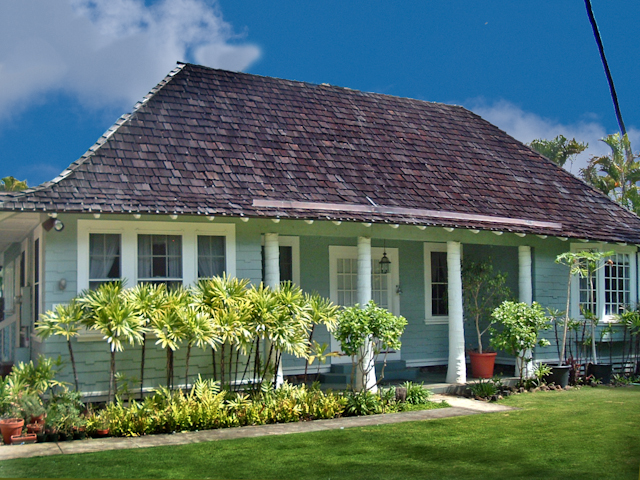
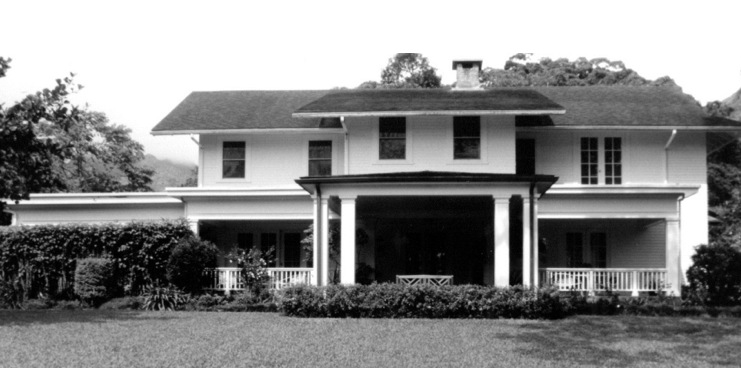
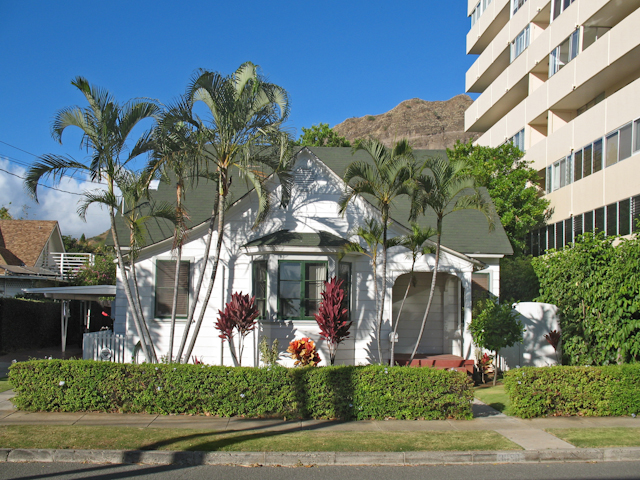
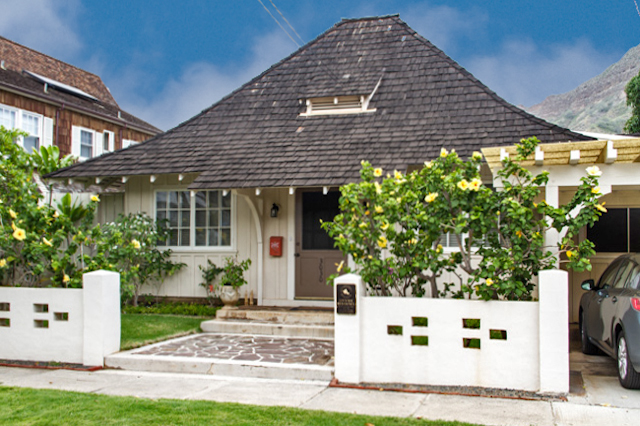
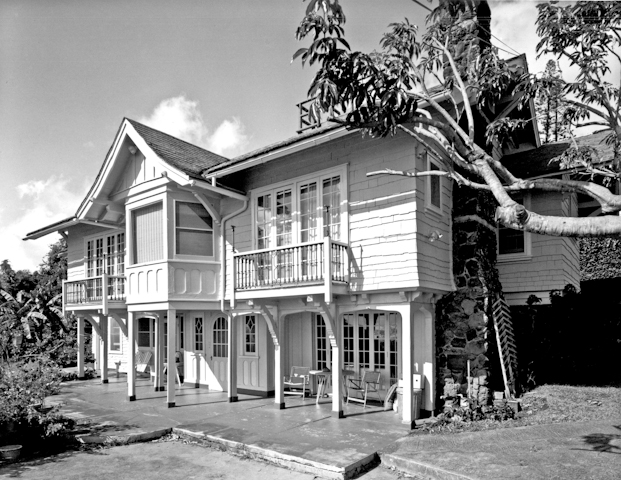
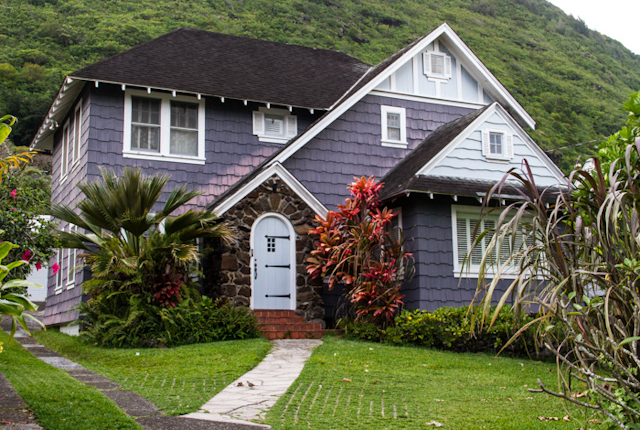
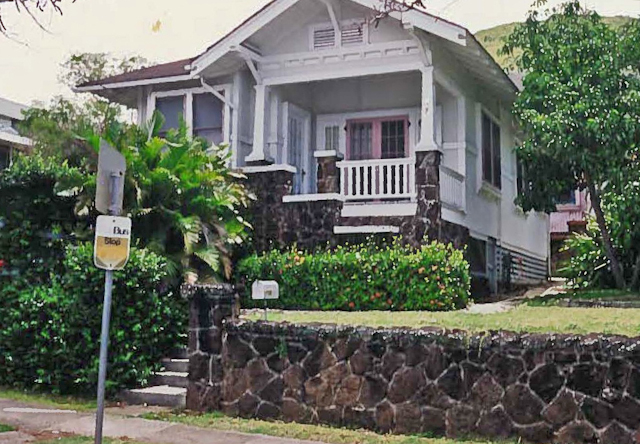
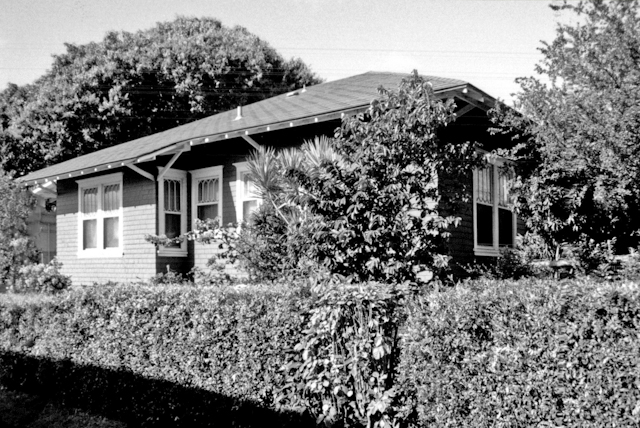
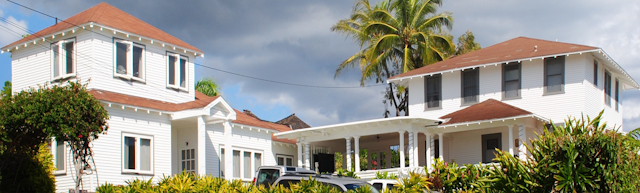
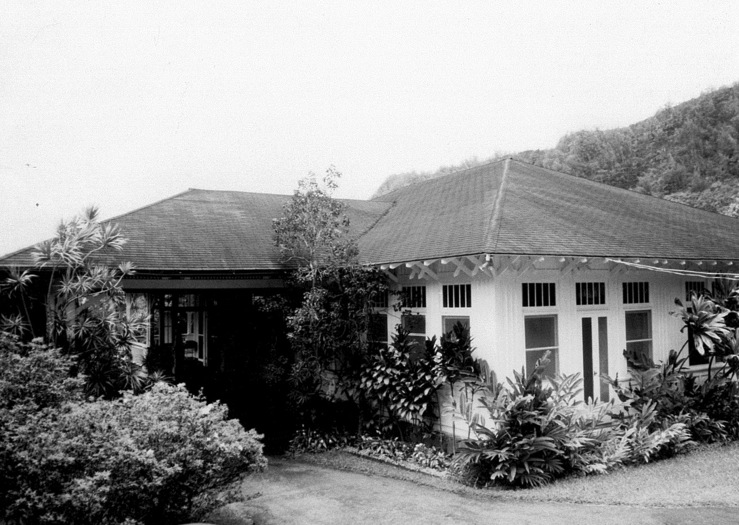
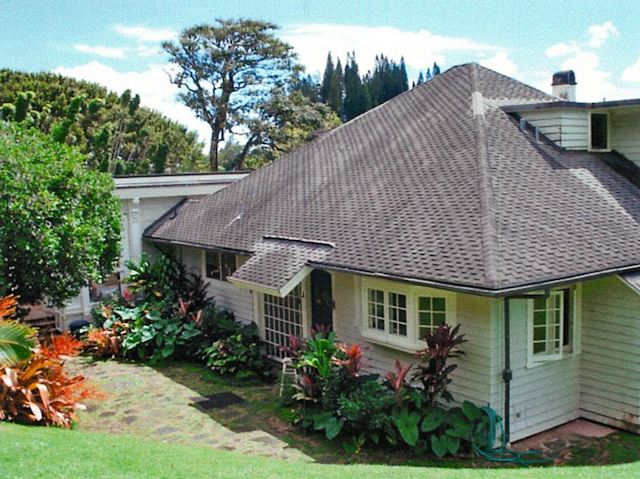
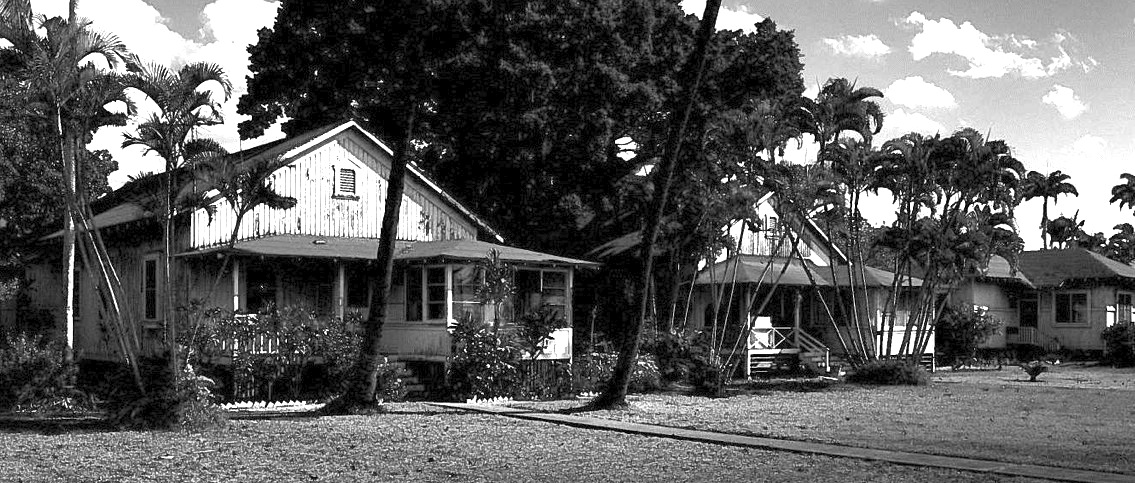
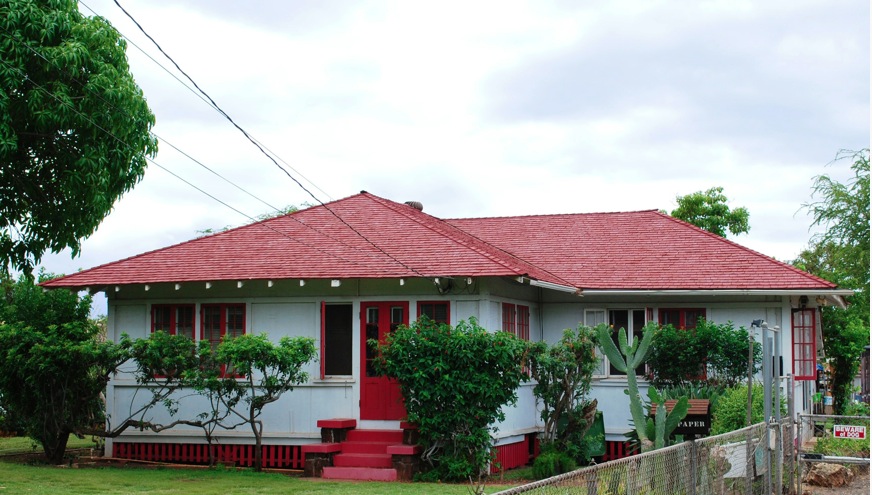
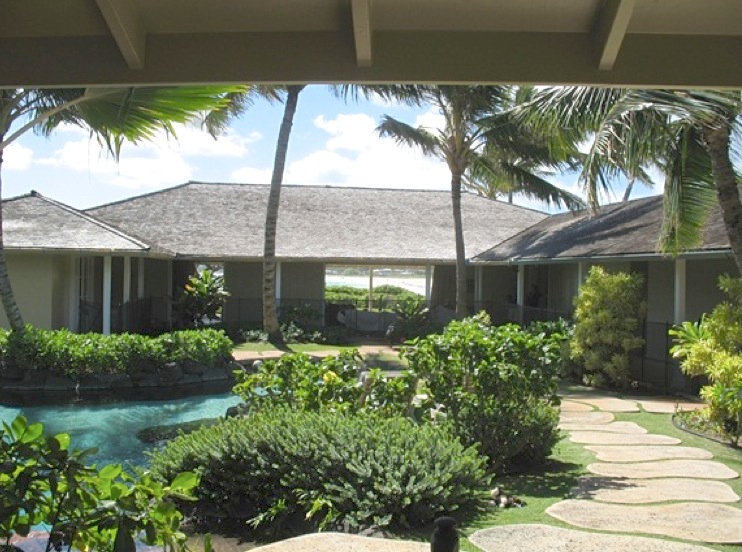
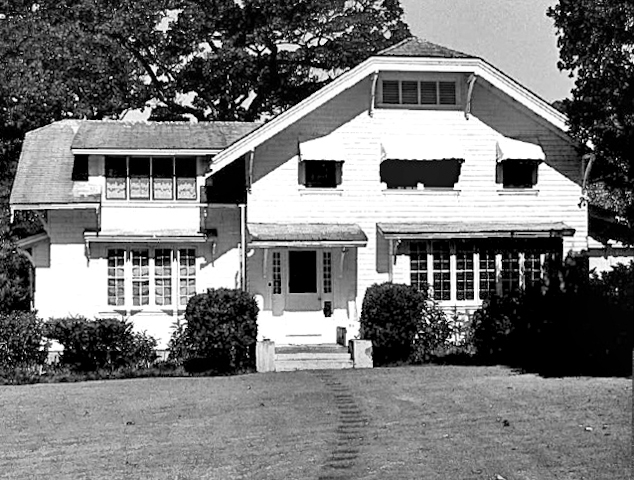
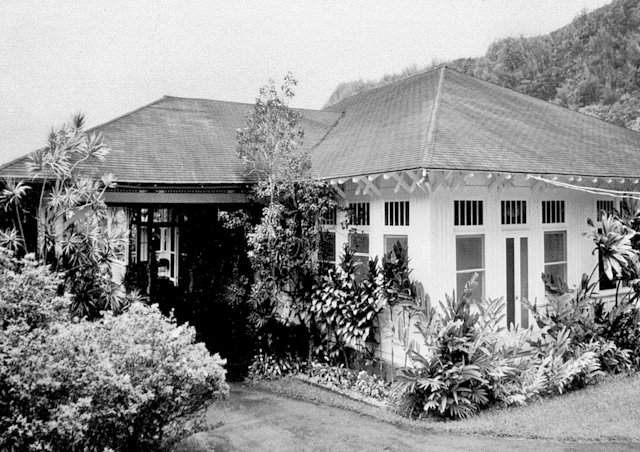
Right now, these owners of historic homes generally pay a flat $300 in lieu of property taxes, as they have for the last 30 years since the program was started as a way (the only way) to incentivize the survival of Honolulu’s historically important houses in neighborhoods all over the island, especially older places like Nuuanu, Manoa, Kailua, Diamond Head and Ewa Beach, where a number of old plantation houses were entered in the state register and city program just when the bulldozers were drawing near.
To define our terms, “the program” is the city’s property tax exemption (with many rules!), which is made available to homeowners only after the state’s historic preservation office and its board have approved their residences and entered them into the state Register of Historic Places (with many rules!) — two separate actions, two separate bureaucracies. (Some properties are on the state’s register but are not in the city program.)
Under Bill 28, properties in the program would return to the city’s normal property tax regime, but with a 50 percent discount and no allowances for income or residency status. For example, a historic house valued at $1 million would see its annual tax jump from $300 up to $1,750, compared to $3,500 paid for a similar home not in the program.
Sounds reasonable, right? Even with all the costs and sacrifices of the homeowner, who’s required to do many things: maintain his or her property within its original form and footprint; replace rotting siding, roofs, windows, etc., with authentic and expensive materials; maintain the historical landscaping; provide minimal public access to the registered property, etc.
What neighborhoods do we want to protect from future waves of ravenous development? The bungalows of Kaimuki and Kapahulu? The walk-ups of Liliha? The plantation cottages of Kahuku? The funky surf shacks of Sunset Beach? The prim and proper post-war homes of Aina Koa?
Will Cook, an attorney with the National Trust for Historic Preservation, the Washington, D.C.-based non-profit that rides herd on these matters, told me there’s a patchwork of over 2,300 local historic preservation laws nationally, and they’re all different. He averred he doesn’t know well enough how Honolulu’s program was administered in the past to assess Bill 28, but observed that the proposed 50 percent tax abatement “would still create a powerful incentive” and would put “Honolulu at the progressive end of the spectrum for using tax abatement as a financial incentive.” He remarked how unusual it was that a property owner’s taxes could be capped at $300 annually.
But the fact is that Duane Okamoto and the other 100-odd people who spoke up to oppose Bill 28 are right: Given the little island’s screaming, red-hot real estate market and the hordes who want a piece of paradise, and the lack of any other disincentive to demolition, the act of reducing the existing incentive to maintain historic properties will reduce the number of those properties and will, indeed, eventually turn Honolulu into San Jose … but with no high-tech sector to speak of.
It’s complicated, but here’s the serious argument: Over time, the tax exemption for historic homes accumulates into real piles of money. If owners — or, let’s say, new owners — decide to demolish a designated home that’s been in the program, the rules require them to reimburse the city for the total tax exemption plus interest.
As historic home owner Jane Moulin explained it at the budget committee hearing, “if somebody must pay 10 years of back taxes plus interest to tear his house down, he stops to think. But, if the accumulation is only going to be half that amount, he only stops to think half as long, and the threat to preservation doubles.”
Teacher Linda Legrande pointed out to the committee that the exemptions totalled about $3.6 million annually, or about 0.017 percent of the city’s of operating budget of $2.1 billion. “Please do not remove long-term intentions to serve short-term needs,” she said.
The Budget Committee’s hearing on Bill 28 lasted about 30 minutes. Councilwoman Carol Fukunaga (mauka central Honolulu) summed up by noting how the program “has been significantly improved” and that “concerns raised in the past have been addressed.”
She was referring to the rich-Manoa-people-versus-everyone-else huhu stirred up five years ago when an investigative report by the Honolulu Star-Advertiser found that property owners and the city were both lax in hewing to city and state preservation rules.
“(Historic homes) are an important part of our heritage,” Fukunaga said.
Over time, the tax exemption for historic homes accumulates into real piles of money. If owners — or, let’s say, new owners — decide to demolish a designated home that’s been in the program, the rules require them to reimburse the city for the total tax exemption plus interest.
Committee Chair Ann Kobayashi (Manoa, Kaimuki, Moiliili) summarily concluded by announcing that Bill 28 would be held in committee, pending a promised set of recommendations from the Historic Hawaii Foundation to protect fairly Honolulu’s historic houses and neighborhoods.
When I asked HHF Executive Director Kiersten Faulkner about the recommendations, she predicted that “the would likely include a mix of preservation incentives, enforcement, and education initiatives.”
Looking ahead, what neighborhoods do we want to protect from future waves of ravenous development like what we’re watching now in Kakaako? The bungalows of Kaimuki and Kapahulu? The walk-ups of Liliha? The plantation cottages of Kahuku? The funky surf shacks of Sunset Beach? The prim and proper post-war homes of Aina Koa?
What do we want not to forget about how we once lived? Do we protect small houses on big lots to protect the scale of the neighborhood? Or are small houses on big lots simply targets for spec builders?
Meanwhile, on the state level, more bad news: Gov. David Ige has on his desk HB830, passed by the state Legislature and awaiting his signature, or his veto. The bill, promoted by the development and construction industries, would eliminate the heretofore required five-day historic review process by the state Office of Historic Preservation for all single-family residences and townhouses that are at least 50 years old. The only exceptions are buildings already listed on the state Register of Historic Places or in a designated historic district.
As HHF’s Faulkner explained the bill’s impact, “Essentially, the state would no longer have the ability to review and comment on projects that could change the character or historic merits of any residence, of any significance, or any level of impact.”
I asked Cook if Honolulu’s — and Hawaii’s — historic preservation laws might be under stress because of the booming economy.
“Sure!” he says, chuckling at the bald obviousness of my question. “You’re absolutely correct.
“In a robust economy, communities tend to experience increased development pressure, which manifests itself in terms of large, in-fill development in older, central neighborhoods that often leads to demolition of historic places. Insofar as preservation laws are administered as part of a political system, they are often subject to manipulation by that system.”
A postscript: It was a shock to learn that architect, educator and advocate Spencer Leineweber passed away last week.

She poured her heart into efforts to preserve, restore and promote historical sites including the Ewa Plantation, Waipahu’s Hawaii Plantation Village and Hilo’s Lyman House Memorial Museum.
An award-winning architect, she was a UH professor of architecture and director of its Heritage Center. Two years ago, she was awarded the Historic Hawaii Foundation’s Haines Award for Lifetime Achievement in Historical Preservation.
Less than a week before her death, Leineweber attended the June 17 Budget Committee hearing on Bill 28. HHF Executive Director Kiersten Faulkner, noting Leineweber’s 40-year involvement in HHF, said in a statement, “We will miss her deeply and our sympathies go to her family.”