

With Hawaii’s Help, Senate Votes to Reform NSA
The passage of the USA Freedom Act came more than 36 hours after parts of the Patriot Act expired. Obama signed the measure soon after.
A bill calling for reform of the National Security Agency has been signed into law by President Barack Obama.
On Tuesday the U.S. Senate voted 67-to-32 on what’s called the USA Freedom Act, sending the bill to the White House.
Passage of the law is described as “a significant victory for critics of the NSA, as for the first time since that post-9/11 national security law was passed, Congress voted to affirmatively rein in the nation’s surveillance powers,” says The Hill.
The law ends the NSA’s controversial collection of bulk records of Americans’ phone calls.
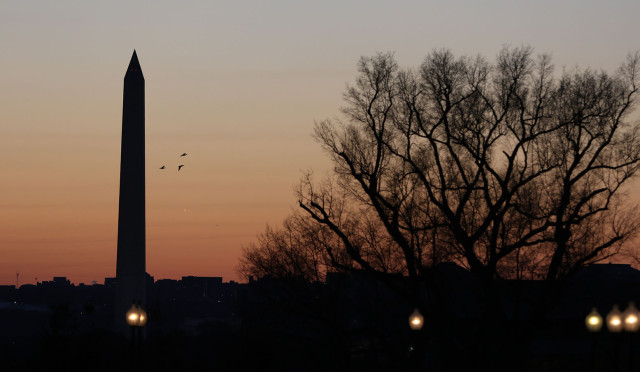
The Washington Monument.
Cory Lum/Civil Beat
Three parts of the Patriot Act that expired at midnight on Sunday now go back online. The reform legislation will also, says The Hill, “limit other types of data collection, add transparency measures and place a new expert panel at the secretive Foreign Intelligence Surveillance Court, which oversees intelligence activities but currently only hears the government’s side of an argument.”
Earlier on Tuesday, the Senate rejected three amendments to the NSA reform legislation. Democrats Mazie Hirono and Brian Schatz of Hawaii voted “aye” on the final bill.
After the vote, Hirono released a statement that said in part, “Today’s vote is a key first step in our ongoing effort to balance our national security and civil liberties. … We live in a world where terrorism is a serious threat to our country, our economy, and to American lives. Our government needs appropriate surveillance and anti-terrorism tools to keep us safe, but it’s Congress’ job to ensure those tools strike the right balance between national security and protecting our privacy rights.”
The U.S. House last month approved the act in a lopsided vote. Hawaii Reps. Mark Takai and Tulsi Gabbard voted against the bill, arguing that it did not go far enough in reforming what they described as the Patriot Act’s surveillance overreach.

