The Baby Penalty: Hawaii Should Lift Motherhood’s Unfair Burden
The lack of paid family leave perpetuates status differences between men and women that almost always disadvantage mothers. We can do better.
I have always wanted to reproduce something more than a baby. I work my dream job of correcting anti-immigrant discrimination and taking power to communities that have been subject to law’s violence. Part of that dream was being able to decide if, when, how and with whom to have a baby.
My current pregnancy has made life almost unbearably exciting, but the closer I get to my due date, the more my bump becomes a wall to greater possibilities for me and the people impacted by my work.
There is no paid parental leave in Hawaii and only a joke of an unpaid family leave policy. There is also no publicly-subsidized infant care.
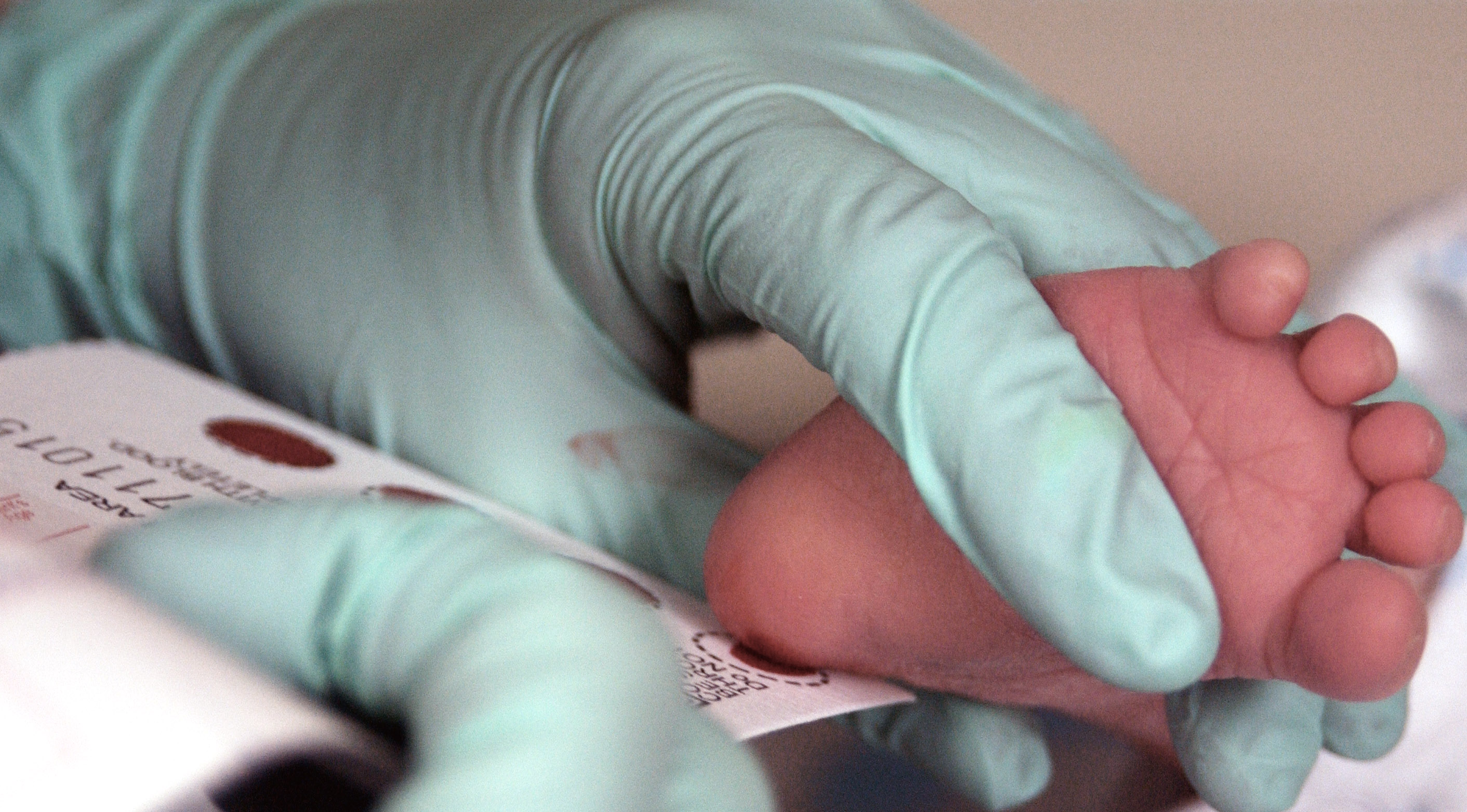
This means that my partner and I will have to take on the cost of college for the second time in our twenties because child care exceeds the price of in-state university tuition. Like almost everyone here, we need two wages to survive.
And as with most heterosexual couples, he earns more. He also cannot breastfeed, which the World Health Organization recommends as an infant’s exclusive sustenance for its first six months.
It is easy to see why the lack of paid family leave perpetuates status differences between men and women. The choice to have a child places women between the devil and the deep blue sea. This is called the “baby penalty,” and it’s a matter of how much, not if, having a child will foil a woman’s life.
You can keep your job, be bled dry by child care costs and barely bond with your new child. You can seek a more flexible but lower status and lower paying position, taking your career off the rails. Or you can quit before baby is due and turn to public assistance and food stamp income, seemingly the most rational option in the face of an average $3,000 hospital co-pay and astronomical child care.
The current law keeps women poorer than and more dependent on their male partners. This also affects women and children’s safety by making it logistically harder for women to leave abusive relationships. While there is a sexist dimension to the current law, paid family leave is not a special interest issue. More than anything, the absence of paid family leave is a poverty driver. Changing this policy would create wider economic stability for almost every family and would change cultural practices by promoting men as caregivers.
Lawmakers should pass Senate Bill 2961, which would allow for 12 weeks of paid family leave financed through small employee payroll deductions. DLIR should fulfill its stated mission to increase economic security instead of justifying its position of “no strong position” and lamenting the complexity of the issue.
Labor should realize that the cost to workers would be around 42 cents a week, or barely $20 per year. Businesses should face the fact that sky did not fall in jurisdictions like California, where paid family leave has been a reality for over a decade.
Forcing employees to use up their vacation days and sick time to slave over a newborn or ailing relative is a penalty, not a gift. We should work to join the growing segment of the nation guaranteeing paid family leave for all.
 GET IN-DEPTH
REPORTING ON HAWAII’S BIGGEST ISSUES
GET IN-DEPTH
REPORTING ON HAWAII’S BIGGEST ISSUES
Community Voices aims to encourage broad discussion on many topics of community interest. It’s kind of a cross between Letters to the Editor and op-eds. This is your space to talk about important issues or interesting people who are making a difference in our world. Column lengths should be no more than 800 words and we need a current photo of the author and a bio. We welcome video commentary and other multimedia formats. Send to news@civilbeat.org. The opinions and information expressed in Community Voices are solely those of the authors and not Civil Beat.