

Kalihi: ‘The Last Working Class Neighborhood In Central Honolulu’
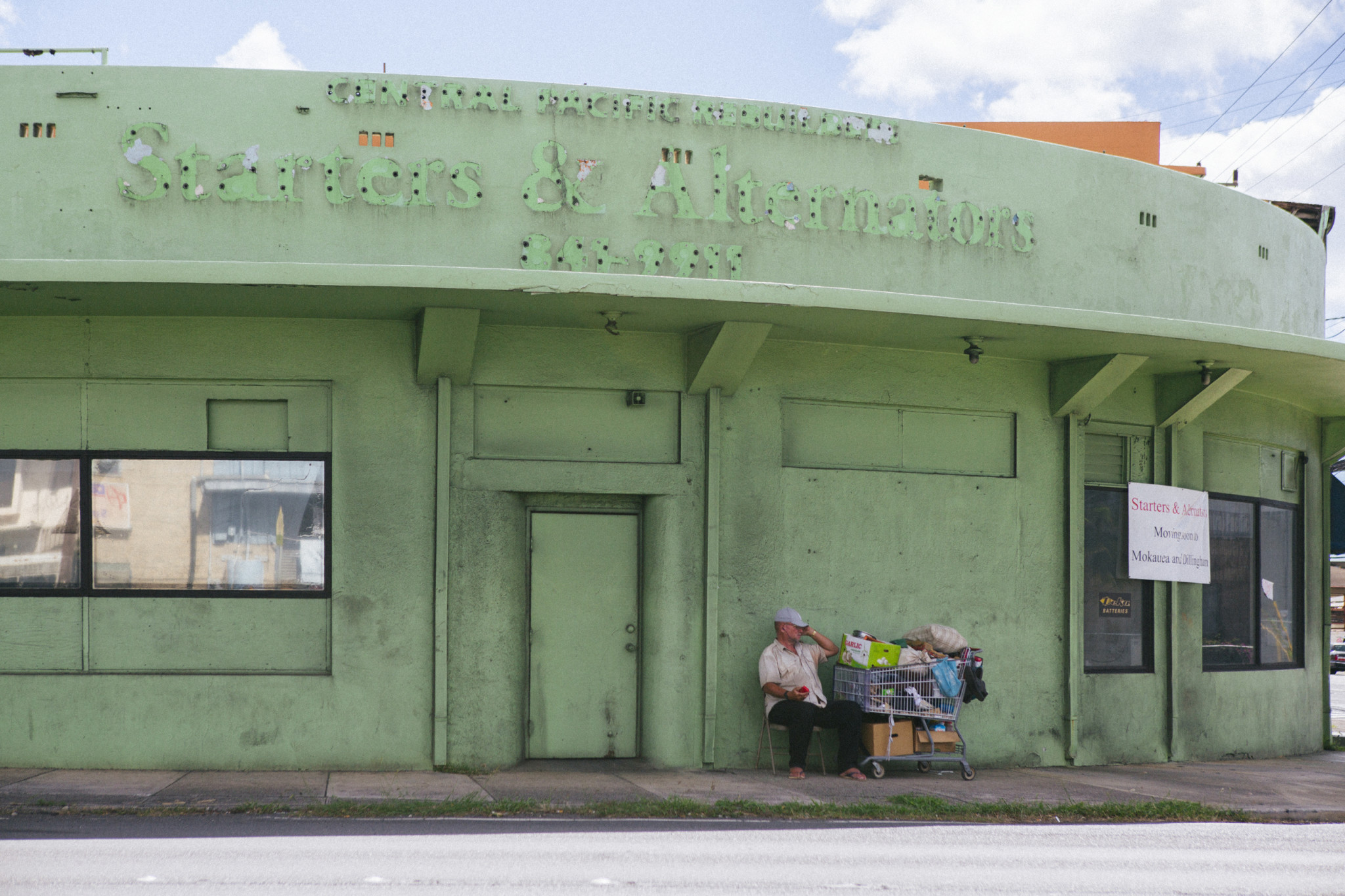
Kalihi offers close proximity to downtown and Waikiki jobs, and many of its residents hold down more than one.
In Hawaiian, Kalihi means “the edge.” And in many ways the sprawling community next to downtown Honolulu teeters on the edge.
Some of the people who own and rent homes in Kalihi work two or three jobs to make ends meet.
Children of recent immigrants grapple with assimilation and poverty. Violence occasionally erupts, especially in public housing complexes.
“This is the last working class neighborhood in central Honolulu,” said Jeff Acido, who grew up in Kalihi and now works as the manager of community engagement at Kokua Kalihi Valley, a nonprofit health clinic and community center.

State House District 29, covering Kalihi-Palama, has more public housing complexes than any other district in the state.
Politicians who represent Kalihi anticipate drastic change with plans to possibly relocate the Oahu Community Correctional Center and the planned construction of four rail stations through the area.
Kalihi is ripe for redevelopment.
“For decades it’s been a spot where the state or the city has put its social challenges,” state Sen. Glenn Wakai said. “We should be capitalizing on the momentum and excitement that’s building here in the urban core.”
Engine For Hawaii’s Service Industry
State Rep. Romy Cachola, whose district includes Kalihi Kai, Kapalama and Mokauea, describes his constituents as people who work multiple jobs in landscaping, construction and the hotel and food service industries.
The area is convenient for commuters with more than 20 bus routes passing through the Kalihi Transit Center. But the proximity to Honolulu’s business and tourism centers comes at a cost.
Cachola said paying market rate, almost $1,700 for a two-bedroom rental, is a struggle for most residents.

In the 2013-2014 school year, 89 percent of students at Iwilei’s Kaiulani Elementary School came from economically disadvantaged families. The number was 83 percent at Kalihi’s Puuhale Elementary and 67 percent at Farrington High School, according to data from the city’s Kalihi neighborhood plan.
“One job is not enough, but the two jobs puts you over the economic threshold of social support,” said Acido. “So what do you do?”
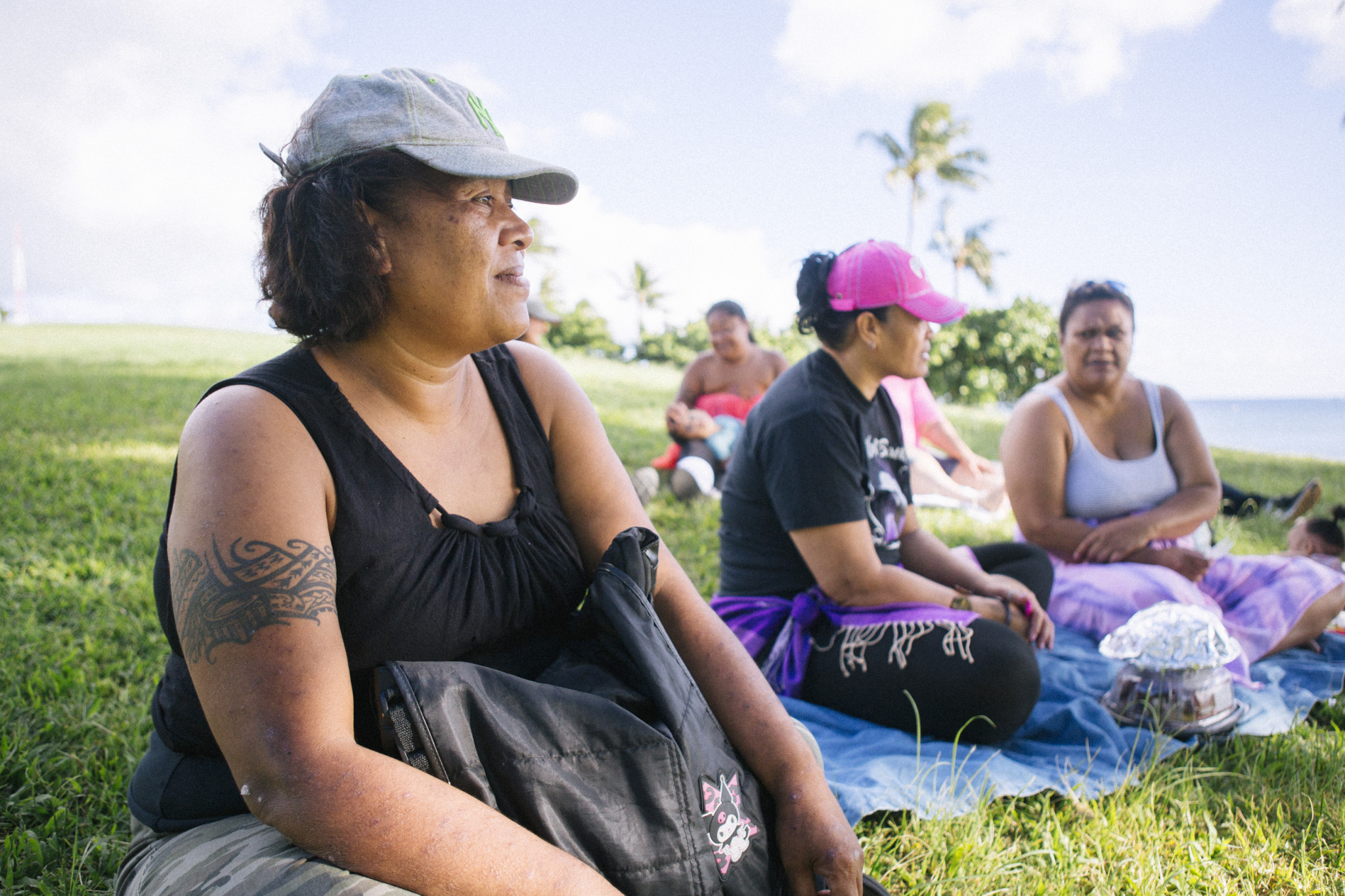
Kalihi resident Cece Pita, formerly homeless herself, argues that homeless people have more access to services than people like her who have housing but struggle to get by.
Ramsay Taum, cultural sustainability planner at PBR Hawaii, said Kalihi residents are a major factor in service-sector employment.
“They’re the ones keeping most of our service industries open,” Taum said. “As that community changes and ages, then what?”
Change Rolling In
Lawmakers see drastic change on the horizon. The $8.6 billion rail project is expected to roll through Kalihi, stopping four times before entering the downtown area.
With city and state land holdings available for redevelopment, lawmakers envision more public housing.
Homelessness is a pressing issue, with encampments increasingly visible along Kapalama Canal and around Iwilei.
Rail might also increase property value and rents, pricing out tenants and tempting long-time homeowners to sell. Politicians see increasing density as the solution.
If the state built an 800-unit public housing complex on land that now holds 100 units, Wakai said, supply would meet demand and rents would remain affordable for current Kalihi residents.
But state and city policies can’t stop gentrification on private property.
“We’re not communists,” said state Sen. Suzanne Chun Oakland. “If you have property, you’re able to build on it.”
The city has the option to place a special tax or requirements on private housing developers. Otherwise, it can condemn or pay market rate for the land to secure it for public use.
In 2007, the state increased its bonding authority by $100 million to purchase half of Kukui Gardens in Kalihi-Palama to “preserve affordable housing,” as the bill states.
‘Economies Dictate Gangs, Not Housing’
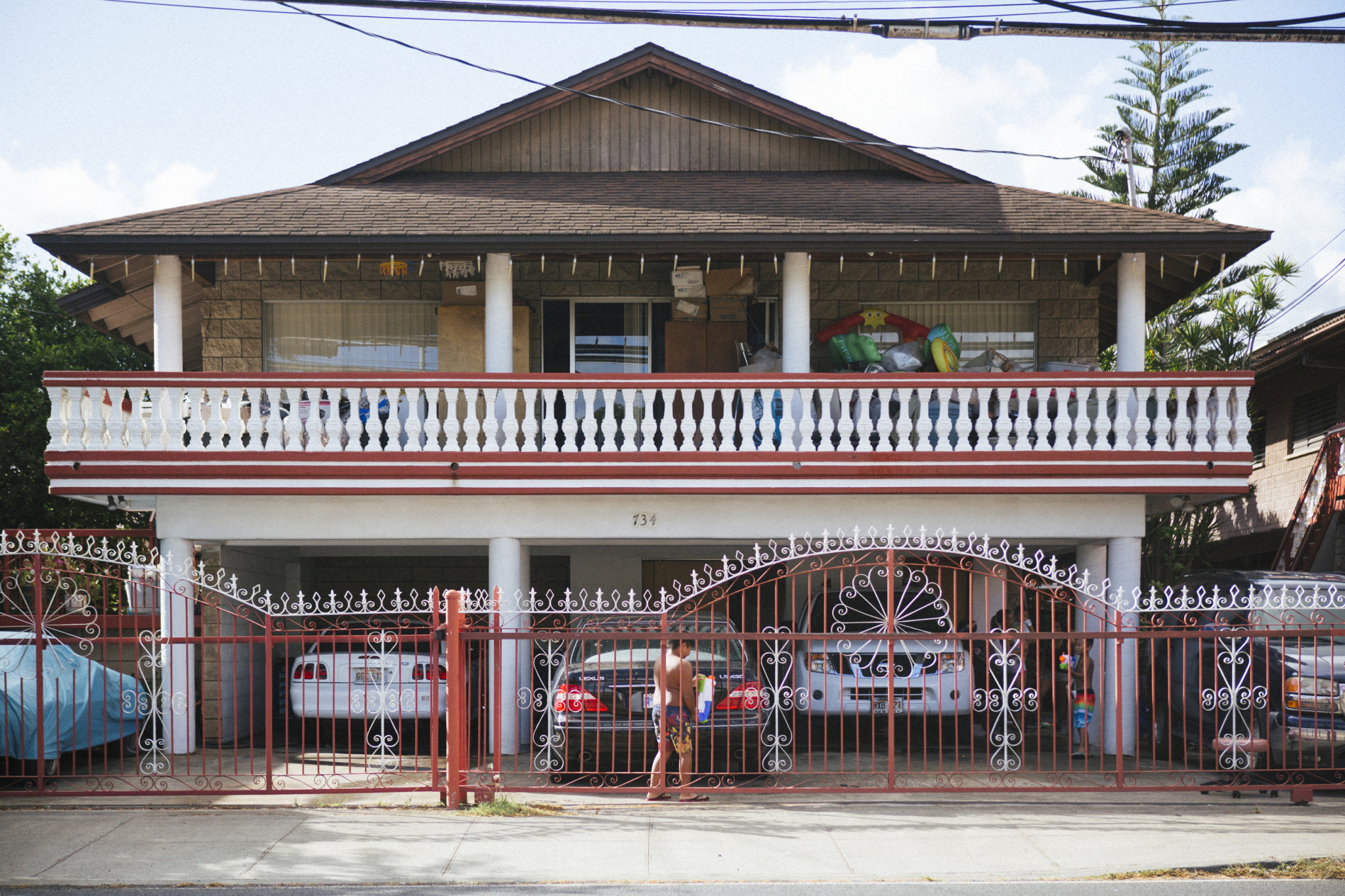
When you drive up the Kalihi Valley and pass the Oahu Community Correctional Center, warehouses give way to large, multigenerational homes. Open garages invite pau hana conversations.
Farther up the valley is the recently redeveloped but still notorious The Towers at Kuhio Park, formerly known as Kuhio Park Terrace, or simply KPT.
Some residents of Kalihi’s public housing complexes, like Kamehameha IV Housing, The Towers at Kuhio Park, and Mayor Wright Housing, are “always fighting,” Wakai said.
“I don’t know if it’s an ethnic thing or a location, territorial thing,” he said. “But there’s strife going on there.”
Kalihi is home to large immigrant communities from the Philippines, Korea, Samoa, Tonga, Micronesia and other Pacific Islands.
Some say ethnic tensions give rise to gang violence in the community. Others blame the nature of the area’s many public housing complexes.
State Rep. John Mizuno attributes Kalihi’s gang activity to “simple colors and turf.”
Daniel Holt, Democratic nominee for Kalihi’s state House District 29, grew up in Kalihi. He’s seen seen a trend toward fights between groups who affiliate with particular housing complexes. He points to the architecture of public housing.
“They are literally and figuratively fenced in an area,” especially Mayor Wright, said Holt.
Gang affiliation can also be generational; if a child’s family member affiliates with a particular gang the child might be inclined to do the same.
Only a few students at Farrington High School become involved in gangs. But this small group can cause problems that effect the entire school and surrounding neighborhood, according to the Kalihi staff from Adult Friends for Youth, a nonprofit that works with at-risk youth.
Acido, who also works with Kalihi youths, sees economic strife as the basis of the gang activity in his neighborhood.
“Economies dictate gangs, not housing,” he said. “Being cut off from the basic necessities of life fosters gangs.”
Growing Up Kalihi
Drive past Kamehameha Homes, Hawaii’s first public housing complex, and you’ll soon arrive at Farrington.
Lawmakers hope the high school’s new $20 million football stadium will boost community morale. An ongoing large-scale renovation of the campus will give it more of a college feel, Wakai said.
Better school facilities will help, but the community needs more. The pressure of poverty falls on the shoulders of youths, and fights at community centers are not uncommon.

Adult Friends for Youth mediates between groups of students, gangs and sometimes entire housing complexes.
“Better communication about the true problems” is needed to build a stronger community, said Deborah Spencer-Chun, the organization’s president and CEO.
“They’re craving space,” Acido said of Kalihi’s youths. “They’re craving mentorship.”
Pita, who has nine school-aged children, envisions a community center offering job training skills. She wants her kids to learn how to apply for scholarships and basic financial management skills like building good credit.
“That’s empowerment,” she said.
But youth empowerment isn’t at the top of lawmakers’ to-do lists. Homelessness is.
“We can’t make it Kakaako West. It’s not going to be gleaming condos,” Wakai said. “But it can be more than the most concentrated area of government housing units.”
Correction: A previous version of this story incorrectly identified a woman as Kalihi Valley Homes resident Cece Tavita. Her correct name is Cece Pita and she does not live in public housing.

