Looking Ahead As Hawaii’s Plantation Era Ends
With the final harvest comes an opportunity for self sustainability through local food production and environmental growth.
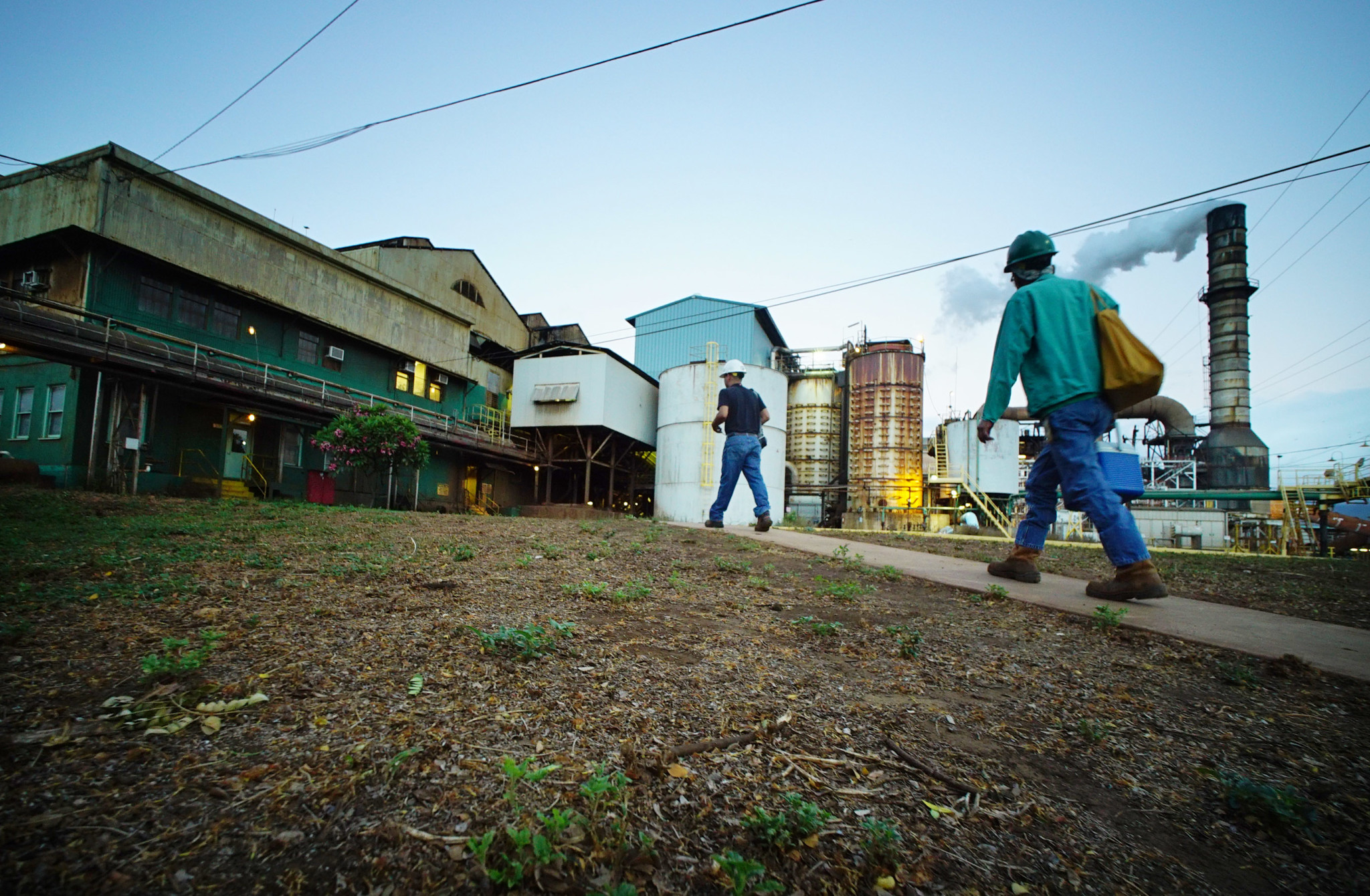
The plantation era is over in Hawaii, and a new generation of leaders will determine what comes next.
Like many of my friends, I am a product of our plantation history, stemming from seven generations of mixed race workers here on Maui.
My first job was picking pineapples at 14 years old to help my widowed mother with family bills. My friends, family and I struggled, but we are proud of where we come from.
We are proud of our Portuguese, Japanese, Spanish, Filipino, Chinese and Pacific island ancestors who set sail through dangerous conditions in search of a better life. Some of these early immigrant workers were blackbirded victims of human trafficking, identified not by name but by bango (slave tag) numbers. Personally, when I feel weak, I remind myself of these bloodlines from which I come.
We are proud of our Native Hawaiian forebearers, who demanded jobs, then organized the first protests for fair working conditions and basic human rights — all this, after being stripped of their ancestral lands by ruthless sugar barons.
We are proud of the International Longshore and Warehouse Union and the Sakada who helped organize workers and set forth Hawaii’s legendary labor movement that continues today. Some were met with violence, some were even killed by their lunas. But these brave workers, with support from their union, soldiered on.
And we are proud of the new immigrants who have carried forth this tradition into the 21st century, leaving their homelands for the sake of their children.
You see, plantation history is our history — told through the stories of everyday working families, Native Hawaiians and immigrants. Not through slick corporate ads. So, as this era comes to a end, it is okay to reflect fondly. But our nostalgia should not be rooted in indebtedness and misplaced gratitude for what workers were given, but rather in somber pride for the better lives that workers fought for and earned.
We will remember that Hawaiian Commercial and Sugar Co. did not become the community-minded company it is today without pressure from ILWU and the public-at-large.
We will remember that stalwart workers were the heart of the plantation’s success, not corporate bosses, not the politicians, not the first missionaries, and not the Big Five.
We will remember that our entire economy, language, cuisine, and local culture stem from the workers. We owe them everything. They shaped Hawaii.
So, as young leaders look ahead, we will do so with clear eyes, standing on the shoulders of our kupuna and working class giants. Because while corporate media may tell us one narrative, history tells us another.
We will continue our ancestors’ struggle. We will stand at the front lines to keep Maui green, improve the lives of working families, and preserve island culture — here on Maui, and across Hawaii.
With the final harvest comes a blank slate — an opportunity for self sustainability through local food production and environmental growth. May the end of the plantation era signal the end of the plantation mentality. May we, the people united, take Hawaii’s future into our own hands.
We mahalo and unite behind HC&S workers and all who fought to bring us here. Now, it is time to hemo our internalized bango tags and forge ahead together.
Imua Maui.
 GET IN-DEPTH
REPORTING ON HAWAII’S BIGGEST ISSUES
GET IN-DEPTH
REPORTING ON HAWAII’S BIGGEST ISSUES
Community Voices aims to encourage broad discussion on many topics of community interest. It’s kind of a cross between Letters to the Editor and op-eds. This is your space to talk about important issues or interesting people who are making a difference in our world. Column lengths should be no more than 800 words and we need a current photo of the author and a bio. We welcome video commentary and other multimedia formats. Send to news@civilbeat.org. The opinions and information expressed in Community Voices are solely those of the authors and not Civil Beat.