

Denby Fawcett: Getting Lost In The Woods Can Happen To Anyone
A dramatic rescue on Maui brings back memories of an ill-fated Sierra Club excursion that included now-UH President David Lassner.
After hearing about the rescue of Amanda Eller in Maui’s Makawao Forest Reserve, my hiking friends and I have reflected on the many times we have gotten lost ourselves in Hawaii’s forests.
We are experienced hikers. It can happen to anyone.
Our own misadventures were not 17-day ordeals like Eller’s, but they were enough to remind us that almost every hiker’s ordeal is the result of lack of respect for the wilderness and more seriously, lack of respect for self and for others.
I called University of Hawaii President David Lassner to tell him Eller’s rescue had made me remember the time we got lost in Kipapa Gulch in Central Oahu in about 1986. He said he had been thinking the same thing.
We were Sierra Club hike leaders headed out on an afternoon jaunt to help newly trained hike leader Edward Nishimura scout a trail for a club hike he was scheduled to lead the next week.
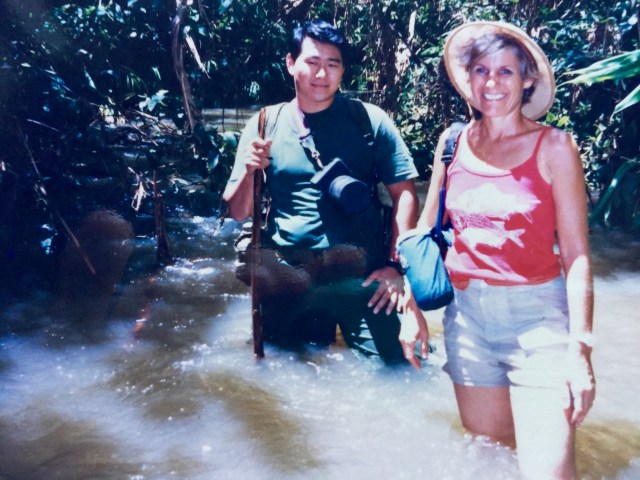
Soon after we started out, Nishimura led us to a stream crossing, but he paused and said he thought he had taken us the wrong way. The trail was new to him. We backtracked into the forest, but the longer we walked, the more certain we became that we were headed in the wrong direction
We decided if we walked down into the stream in a gully below us, the stream would soon lead us to the right trail. But the meandering stream only drew us into deeper water, sometimes reaching up to our chests, with no trail in sight.
We made jokes about the water, how we might drown. It was funny, but as the afternoon got later and we were still thrashing around in the muddy stream water, I was worried we might have to spend the night in the forest.
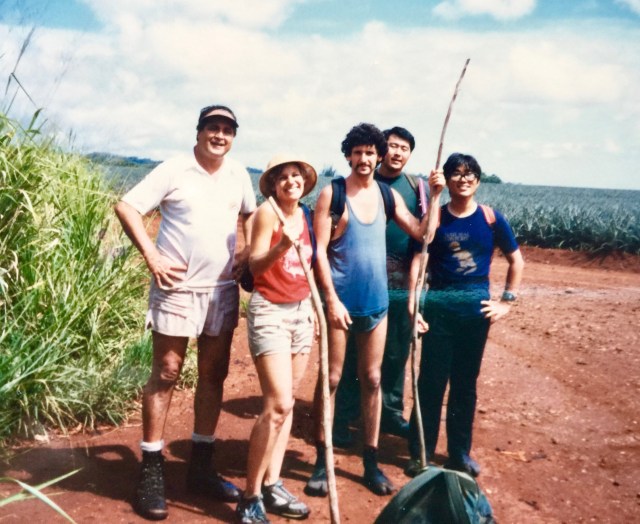
Eventually, we came to a dirt path on the side of the stream, which we scrambled up to find ourselves in the middle of a pineapple field.
We stole a pineapple and walked until we found a dirt road between the rows to lead us back to the main road, which we trudged along for a long time to get back to our cars.
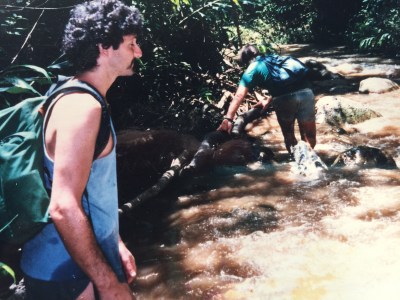
Lassner recalls, “I don’t remember ever feeling at risk; just thinking this is ridiculous; this is really stupid.”
When I called Nishimura recently, he said his mistake as our leader was his lack of confidence in his own sense of direction because if we had gone over the first stream crossing and continued on, we would have been fine.
And when we decided to leave the trail and walk instead in the stream, we showed a lack respect for the forest and our own safety by ignoring one of the primary rules of hiking: Stay on the trail.
Think About What Could Go Wrong
Our hike was in pre-cell phone days. Today, taking along a cell phone is probably the No. 1 safety rule out of respect for the possible dangers in a forest and out of respect for family and friends and first responders who need hear from hikers fast when they are lost.
“And when you take a cell phone on a hike, make sure it is fully charged, “ says Honolulu Fire Department spokesman Capt. Scot K. Seguirant.
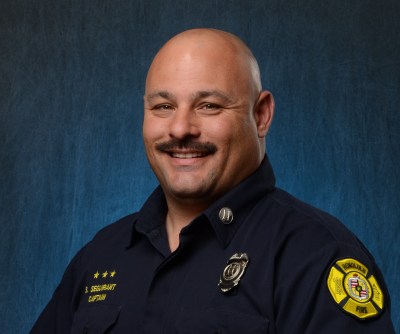
The Fire Department made 346 rescues of lost or injured hikers last year, up from 288 in 2017.
Seguirant says the best thing to do before heading off on any outdoor adventure, short or long, is think about what could go wrong even on a sunny beautiful day. Then plan what you need to take to cover every contingency.
He says to think about all the possibilities, like what happens if your cell phone falls off a cliff.
“As a backup take a small mirror, a reflective cloth and a whistle to help rescuers find you,” he says.
Seguirant calls such hyper-planning “the firefighter’s curse.”
“Because we respond to so many incidents, we are always thinking about how to protect against the unknown, “ he says. “That’s why firefighters drive their wives crazy, always thinking about how to be prepared for the worst.”
The Amanda Eller Example
Preparing for the worst was exactly what Amanda Eller did not do.
People are still shaking their heads about her cavalier approach to taking off on a trail run in the rugged Makawao Forest Reserve without bringing her cell phone, water and other safety tools that could have prevented weeks of anguish for her parents and the hundreds of volunteers who joined the rescue effort. She was missing for 17 days.
Many were starting to think Eller had died when a rescue helicopter spotted her May 24, sitting on a rock at the top of a waterfall, thin and ragged after surviving on stream water, strawberry guavas and forest plants.
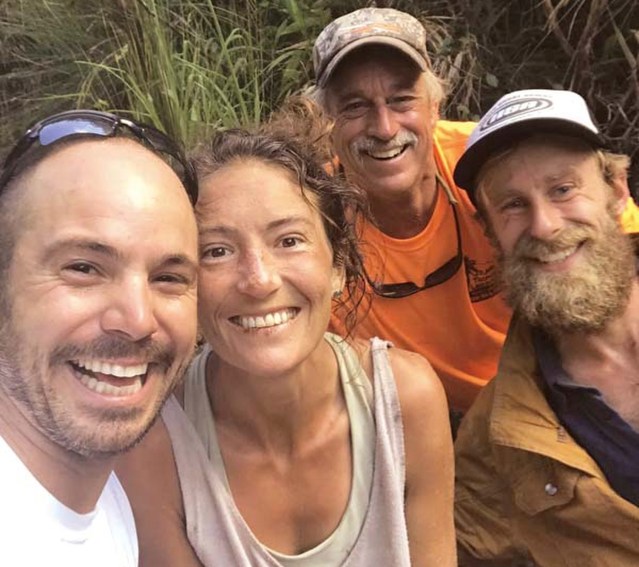
In a news conference at the hospital where she was take for treatment for a broken leg and an infection, the 35-year-old physical therapist and yoga instructor thanked her rescuers and the hundreds of volunteers and thousands more who had sent messages of support
She described her ordeal as “a spiritual journey” and ultimately “her destiny.”
Everybody was relieved and happy that she had been found but her description of her days in the woods as “a spiritual journey” made it sound to some like she had deliberately gotten lost. Critics took to social media to blast her for potentially endangering many people who went to extremes to search for her, including diving into mountain pools and rappelling down the sides of mountain cliffs.
Eller’s choice of words was unfortunate.
On Friday, Eller posted a seven-minute video on Facebook intended, she said, to clear up “any misunderstandings “ and to apologize to volunteer searchers for putting them in harm’s way. She said she was foolish and naïve to have wandered into the woods so ill-prepared.
She said she left her phone and safety tools in her car because she planned to be in the forest only for a short time and her purpose in going there was for a trail run, not to launch a “spiritual journey”
“There were not any drugs taken at all,” she said. “I was not under the influence of anything.”
Her apology seemed genuine.
Eller’s ordeal is a reminder to all hikers of what can easily be forgotten in the euphoria of being in the wilderness.
“Give people who love you the tools to help them rescue you if you get lost,” says Seguirant.
My friend Janice Marsters lives near the Makawao Forest Reserve where Eller went missing. She helped one day in the massive rescue effort by making a batch of cheese burritos to take to the volunteers for breakfast before they set off on another day of searching.
Janice is a hike leader and a frequent trail runner on the Makawao trail herself.
“People think Hawaii is so beautiful, like Disneyland with no hazards,” she says. “They do crazy things, disregarding the many potential risks. It is sad.”

