

Saipan Man Wages Latest Challenge To US Cockfighting Ban
An animal welfare group says the lawsuit has no chance of success because of how similar lawsuits in Guam and Puerto Rico have fared.
This story was written by AP reporter Jennifer Sinco Kelleher in Honolulu.
HONOLULU (AP) — A man’s lawsuit in the Commonwealth of the Northern Mariana Islands is the latest challenge to a ban against cockfighting in U.S. territories.
An animal welfare group says the lawsuit has no chance of success because of how similar lawsuits in Guam and Puerto Rico have fared.
Saipan resident Andrew Sablan Salas, who served in the House of Representatives in the commonwealth’s Legislature and previously was Secretary of Commerce in the territory, said in a lawsuit filed last week in federal court that he’s been involved in cockfighting since childhood.
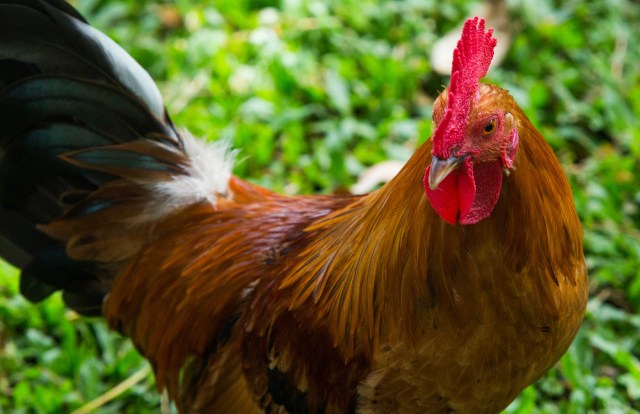
In 2018, former President Donald Trump signed a law banning all animal fighting in U.S. territories. The law took effect in 2019. Prior to the law, cockfighting had been illegal in the 50 states but not U.S. territories.
Despite the ban, Salas’ lawsuit said he “desires and intends to resume raising roosters for cockfighting purposes” and entering them into cockfights in the territory.
The ban intrudes on the internal affairs of the Northern Mariana Islands by criminalizing a “popular and traditional recreational activity, and by imposing a moral and cultural standard that has not prevailed there through local democratic process,” the lawsuit said.
A spokesperson for the U.S. attorney’s office for Guam and the Northern Mariana Islands didn’t immediately comment on the lawsuit.
Last year, a panel of 9th U.S. Circuit Court of Appeals judges ruled against a Guam businessman whose 2019 lawsuit argued the ban was unconstitutional.
The U.S. Supreme Court turned away a challenge to the federal law brought by individuals and organizations that argued Congress exceeded its power in applying the ban to Puerto Rico.
“The Congress has determined that cockfighting is barbaric and inhumane and the federal courts have said the U.S. has the authority to take this action,” said Wayne Pacelle, president of Animal Wellness Action. “This is settled law.”
The Commonwealth of the Northern Mariana Islands have a relationship with the U.S. government that is different from other territories, including a mutually binding constitutional agreement known as the Covenant, said Salas’ attorney, Joseph Horey.
“The Covenant guarantees the CNMI people the right of self-government,” Horey said in an email. “Our position is that the anti-cockfight law is not consistent with the US-CNMI Covenant.”

