Senate Bill Would Boost Salary Cap For Hawaii Schools Chief To $300K
Lawmakers have to address the superintendent’s pay range this year before the current law expires.
A proposal to increase the maximum salary of Hawaii’s top public school official is raising strong opposition among teachers and parents, but some state leaders say the change is needed to help the Department of Education recruit qualified leaders moving forward.
Senate Bill 3207, which passed through the Senate Ways and Means Committee on Wednesday, would raise the DOE superintendent’s salary cap from $250,000 to $300,000. The bill would also make the Board of Education’s annual review of the superintendent permanent.
Currently, DOE Superintendent Keith Hayashi earns $240,000 a year.
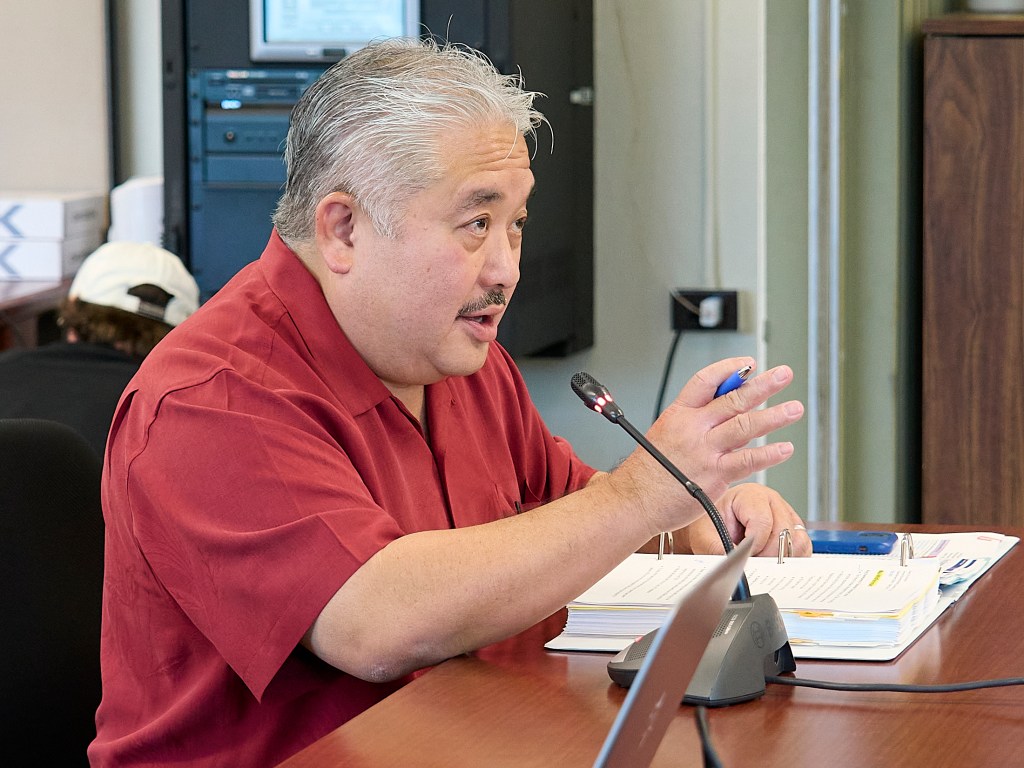
In a hearing earlier this month, Senate Education Committee Chair Michelle Kidani emphasized that the bill would not automatically increase Hayashi’s salary to $300,000. The Board of Education would still need to vote on giving Hayashi a raise.
But many teachers argued that raising the salary cap is unnecessary in a year when school funding is already stretched thin. In last week’s BOE meeting, Chief Financial Officer Brian Hallet revealed the department may need to cut up to $320 million from its budget to help the state address the aftermath of the Maui fires.
“It doesn’t seem to be in touch with what’s going on in the current situation,” said Osa Tui Jr., president of the Hawaii State Teachers Association.
Julie Reyes Oda, a teacher at Nanakuli High and Intermediate, said she’s concerned the BOE will eventually raise the superintendent’s salary to $300,000 if it has the chance. In December, the BOE discussed increasing Hayashi’s salary to $250,000.
While the motion failed, Reyes Oda said the board shouldn’t have considered the proposal when Hayashi was only halfway through his three-year contract as superintendent.
Sen. Tim Richards, who serves on the Senate Education Committee, said the current law setting the superintendent’s salary cap at $250,000 will expire at the end of June. Without legislative action, the maximum salary for the superintendent will revert back to $150,000, and the BOE will no longer be required by law to annually review the superintendent.
“This was truly a housekeeping bill, we weren’t talking about raising the salary,” Richards said.
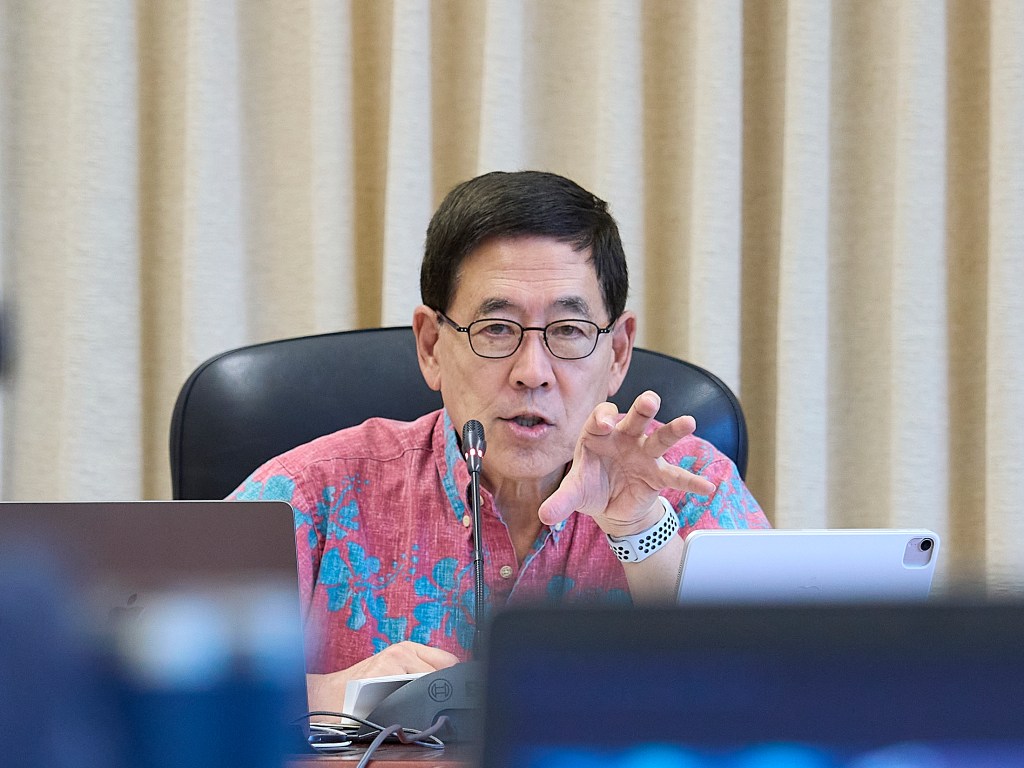
If SB 3207 doesn’t pass this year, Hayashi’s existing contract would still remain intact, with his salary set at $240,000 until 2025, said BOE Chair Warren Haruki. Future superintendent contracts would then be capped at $150,000 a year.
Reducing the superintendent’s maximum salary by $100,000 could hurt the DOE’s ability to attract qualified candidates in future searches, Haruki said.
“The cap is the issue here,” he said.
The board hasn’t decided when it will revisit the idea of raising Hayashi’s salary, Haruki said. However, the DOE is planning to hire a consultant to study the compensation of top department officials.
Performance Evaluations Will Continue
Despite his concerns with the bill’s proposal to raise the superintendent’s maximum salary, Tui said he’s in favor of making annual performance reviews permanent. The reviews are critical in helping the BOE remain accountable to Hawaii schools and students, he added.
Even if the bill doesn’t pass, the BOE is committed to continuing the superintendent’s annual reviews, Haruki said.
The board typically works with DOE leadership to set top priorities at the start of the school year and then compares the superintendent’s performance against these goals several months later, he added.
The board plans to evaluate Hayashi’s performance this year based on his efforts to implement the DOE’s strategic plan, engage with the community and oversee the department’s operations and personnel, among other objectives.
The superintendent has also identified specific topics he would like his evaluation to include, such as his response to the Maui wildfires, efforts to prepare students for the workforce and ongoing assessment of the department’s maintenance and construction of facilities.
Hayashi received a rating of effective at the end of last school year.
But while some say the mandated annual review is a bright spot in the proposed bill, others remain skeptical about its impact on DOE leadership.
Jim Shon, former director of the Hawaii Educational Policy Center, said the criteria for the annual evaluation lacks specificity and clear measures for how the board will determine if the superintendent had a successful year.
Reyes Oda said she supports the criteria that the BOE will use to evaluate Hayashi in August, but believes the board needs to be more critical in its reviews of superintendents moving forward.
There’s a disconnect between the board’s evaluations of superintendents and the outcomes of public schools as a whole, Reyes Oda added.
“It should reflect the state of the educational system,” Reyes Oda said.
Civil Beat’s education reporting is supported by a grant from Chamberlin Family Philanthropy.