

Corrections Commission ‘Taken Aback’ By Use Of Restraint Chairs In Kauai Jail
The Kauai jail and two other facilities in Hawaii have the chairs, which require high levels of force to immobilize inmates and can be dangerous if not used properly.
The state Correctional System Oversight Commission wants Hawaii jail and prison officials to suspend the use of potentially dangerous inmate restraint chairs after commission members discovered one in the Kauai jail.
Restraint chairs “have caused serious harm to people in custody, resulted in death, and have been subjected to lawsuits in many states. It is an area ripe for misuse and litigation,” according to a new commission report on the Kauai Community Correctional Center.
The commission also flagged an assortment of other problems at the aging Kauai jail, including a kitchen floor that has collapsed in places and jail staffers who appear to be exhausted from working 16- and 24-hour shifts.

Members of the commission were “quite taken aback” when they found the chairs designed to restrain prisoners during an inspection of riot control gear in a storage area of KCCC on March 21, according to the report. The commission also identified a “WRAP” restraint device in the same storage area.
Martha Torney, a commissioner and former deputy director of the Department of Public Safety, said in an interview she has never before heard of restraint chairs being used in Hawaii prisons or jails.
They are a concern because they involve use of high levels of force, with the inmates forcibly strapped into the chairs to immobilize them, she said. Staffers at the jail told commission members the chairs are used “as needed.”
Tommy Johnson, director of the Department of Corrections and Rehabilitation, said use of the chairs is governed by departmentwide policies and procedures for restraint and seclusion. He said the chairs can only be used under the supervision of a mental health professional, and staff are trained to use them.
Johnson said only Halawa Correctional Facility, the Women’s Community Correctional Center and KCCC have restraint chairs, but said Halawa and WCCC have never used them. The WRAP restraint device at KCCC has never been used, according to the department.
The policy on use of restraint and seclusion does not specifically mention the chairs, but covers “the whole gamut” of restraint equipment such as handcuffs and leg irons, Johnson said. The policy does specifically indicate it applies to other restraint equipment such as lockable helmets and spit hoods.

According to the restraint policy, inmates cannot be placed in restraints for more than two hours without a review, and prisoners in restraints must be constantly supervised visually, he said. Wellness checks are required every 15 minutes, and “range-of-motion” releases allowing prisoners to stretch are required every two hours.
But Christin Johnson, oversight coordinator for the commission, said KCCC staff were unable to describe any formal policies or procedures for safely using the chairs.
“Even if a policy does exist somewhere, I’m telling you right now that based on what I’m hearing from staff, it’s not known about, it’s not utilized and therefore it’s highly unlikely that it’s being followed,” she said.
Placing an agitated prisoner into one of the chairs may also involve a high degree of force and can be quite dangerous, Christin Johnson said. “It’s not something to mess with.”
The chairs are apparently used to restrain people who are in a mental health crisis and may be engaging in self-harm, such as banging their heads on cell doors, she said. But there were no log books or records commissioners could review to track how often the chairs were used, or for how long.
Christin Johnson worked at New York City’s Rikers Island complex of jails, which also had restraint chairs. But staff at those facilities are required to videotape each use of the chairs, keep records and notify jail oversight staff whenever the chairs were used, she said.
“It’s extremely important to be very knowledgable and aware of how to use these, when to use these, who to have involved in the usage, how often to check on people when they’re in these restraint mechanisms,” she said. “There’s just a lot that can go wrong if people are not familiar or aware.”
Apart from any potential harm to prisoners, use of the chairs could present legal risks for the state because use of restraint chairs has triggered lawsuits across the country.
Tommy Johnson said KCCC Warden Jerry Jona and the jail chief of security were unable to join the commission members on the tour, and “they would be the ones who know about the policy.” Health care staff who order the use of restraints notify the watch commander, who would oversee their use, he said.
When asked if he would suspend use of the chairs, Tommy Johnson said he would take the recommendation under advisement, and send the restraint and seclusion policy to the state Attorney General’s Office for review. But he said he believes the policy was already reviewed by the AG’s office when it was drafted.
The correctional system “will continue to use the chairs as needed, but I want to make it clear that we haven’t used the chairs in a while,” he said.
The commission report also remarked that “staff burnout was extremely evident during the tour,” with corrections officers sometimes required to work double and triple shifts.
“Pure exhaustion has been more evident in KCCC than in any other facility,” according to the report. “The Commission believes that KCCC staff are doing the best they can, but they have been forced to work in these same conditions for far too long, and relief is needed as soon as possible.”
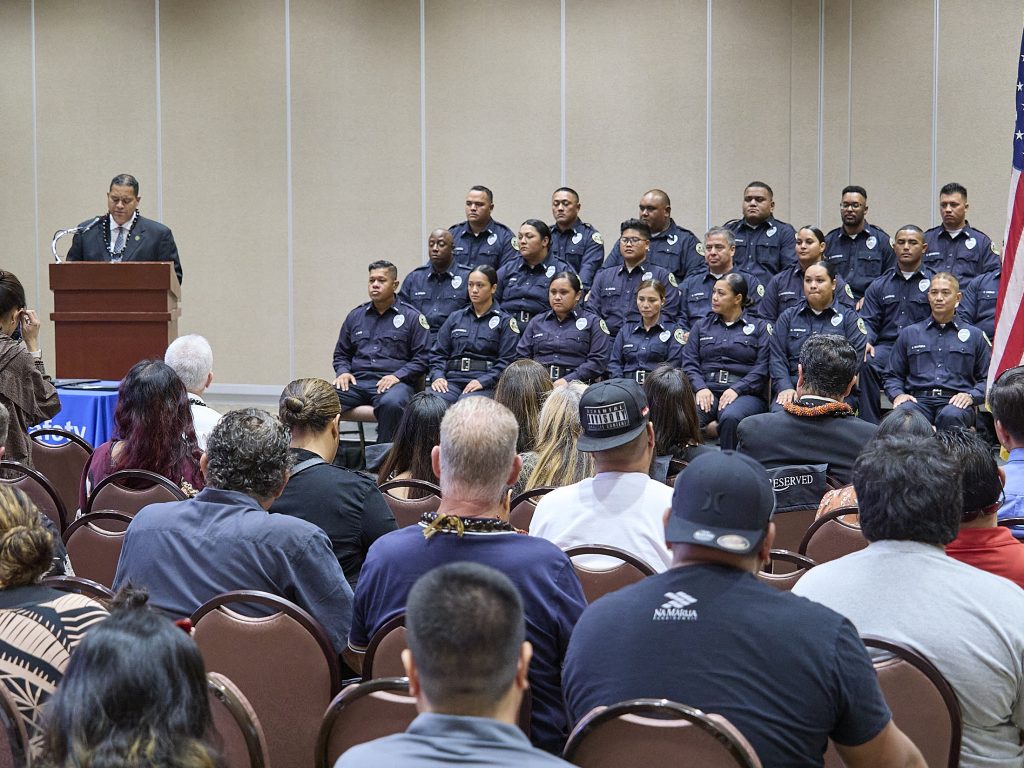
Tommy Johnson said the department is stepping up recruitment and running more training classes for corrections officers in an effort to improve staffing, with six classes scheduled for this year. The department has also increased its emergency hiring under 89-day contracts to temporarily fill vacancies.
He estimated the department is short 30% of its authorized correctional officers because of vacancies, workers’ compensation injuries, military leave and other reasons. KCCC has 61 authorized corrections officer positions, and the department’s 2023 annual report shows KCCC had 18 vacancies.
The commission also questioned a decision by KCCC management to withhold wages that are supposed to be paid to inmates on work lines at the facility.
It’s state policy to pay 25 cents per hour for their jobs, but the warden told commissioners “the facility believes it is more rehabilitative not to pay people in custody such low wages,” according to the report. “The facility sees 25 cents an hour pay as disrespectful.”
Tommy Johnson responded to that finding by instructing his deputy director for corrections to “immediately ensure inmates participating on facility work lines receive the appropriate hourly compensation,” the department said in a written statement.
The new KCCC report also cites run-down facilities at the jail, parts of which are subject to flooding during heavy rains.
The kitchen floor of the Kauai jail needs immediate attention because it has collapsed in places, with plywood or mats used to cover missing floorboards. The report noted the commission raised the same concerns during a tour a year ago.
Tommy Johnson said a contract for nearly $4.47 million has been awarded to fix that problem. State procurement records show that the contract involves replacing the existing kitchen with a prefabricated unit, and work on that project was scheduled to begin Jan. 1.
During the commission’s visit KCCC also had two or three cells adjoining the jail administration area that were not being used because of flooding, he said.
The department is seeking another $4.5 million to $5 million to hire a consultant to help select a site for a new Kauai jail to move the facility to higher ground to deal with the flooding problem, Johnson said.

