

Researchers Fear A Disturbing Pattern Of Health Problems Is Emerging After The Maui Fires
It may be years before the full extent of illnesses affecting wildfire survivors is documented, but the preliminary data is troubling.
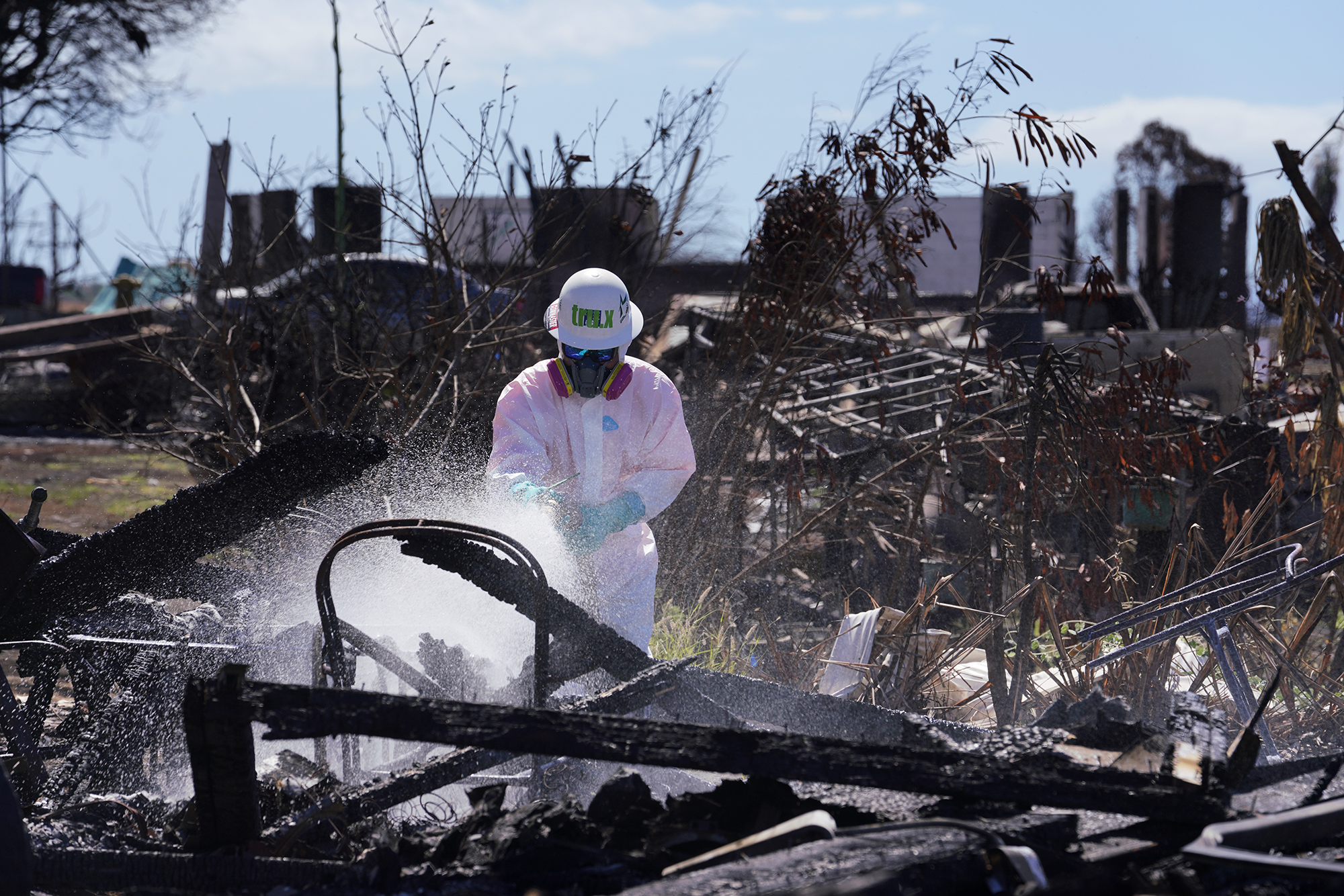
Daphne Filikitonga-Lukela barely made it out of Lahaina alive. On the day wildfire devastated her hometown, she was caring for her elderly mother, who’d had hip-and-knee replacement surgery two days prior.
They were both napping on the afternoon of Aug. 8. But Filikitonga-Lukela’s barking dogs alerted her to the fast-approaching inferno.
“There was black smoke everywhere,” she said. “Then I felt the heat, and I thought, ‘Oh my God. It’s a fire.'”

Filikitonga-Lukela and her mother escaped death because one of her daughters rushed home and piled them into her car as neighbors jumped into the ocean.
After staying in a government-funded hotel room, the Lahaina family found a rental in Central Maui by putting up flyers. Filikitonga-Lukela pays $4,000 a month for a house in Kihei but constantly fears eviction. It’s hard to pay such steep rent, and bureaucratic hurdles have left her unable to access rental assistance.
As she battles cancer, Filikitonga-Lukela said she often feels hopeless but tries to hide it from her children and grandchildren.
“I have to be the strong one,” she said.
Filikitonga-Lukela’s world — defined by financial pressure, housing insecurity, health problems, loss of community and diminishing hope — is typical among fire survivors. Many are trying to cobble their lives back together one year after the nation’s worst wildfire in over a century.
The challenges are being documented in study after study. But one in particular, the ongoing Maui Wildfire Exposure Study by researchers at the University of Hawaii, is revealing disturbing trends that contrast with the largely everything-is-fine message issued by the state Department of Health in May.
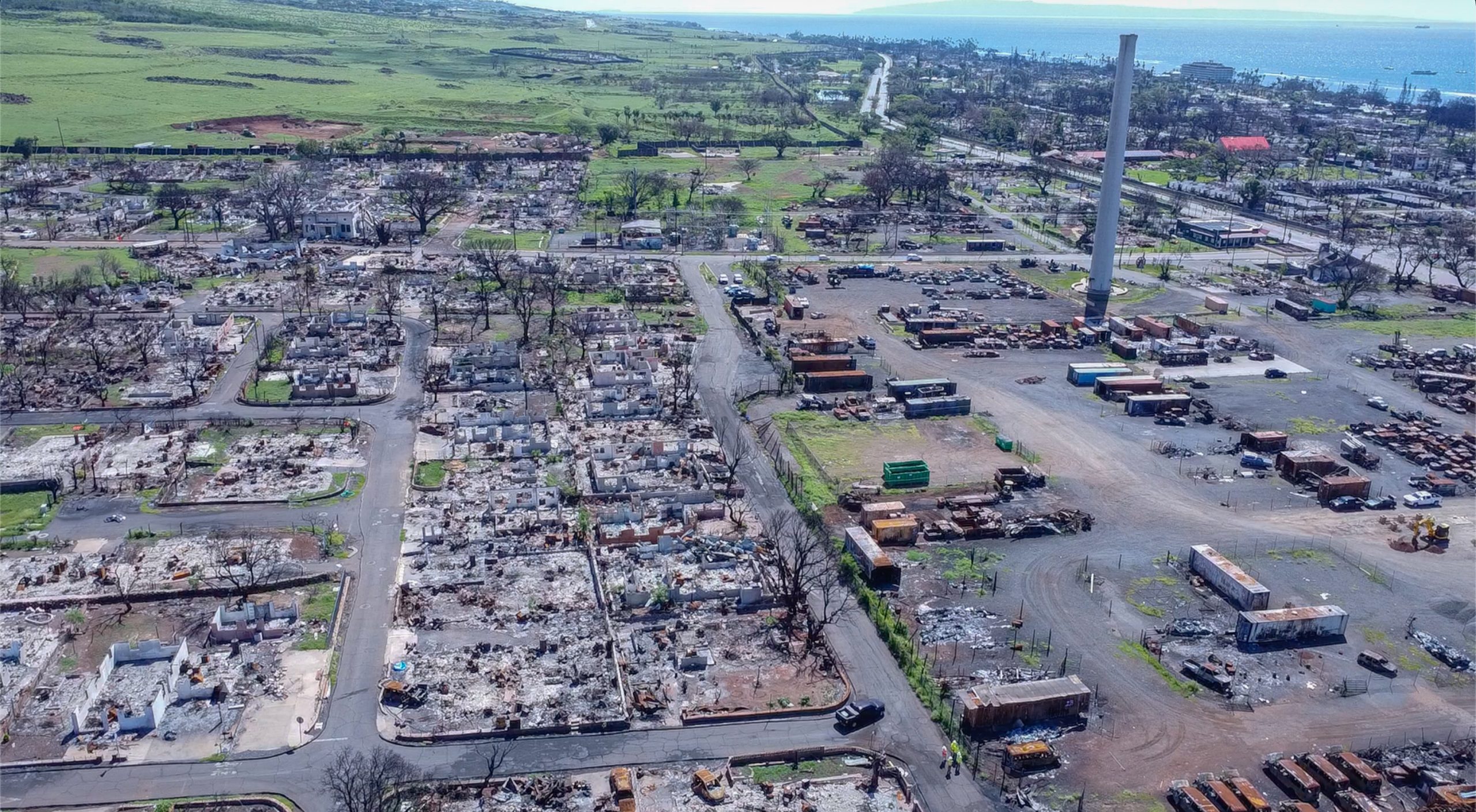
Results from 679 participants in the MauiWES study, which started in February, reveal acute problems involving respiratory issues, depression, hypertension and other health risks that could lead to chronic conditions or premature death.
Nearly half of respondents said their health has declined since the fire. More than half reported depression. About 30% experience moderate to severe anxiety, 35% reported low levels of self-esteem, and 4.4% said they have considered ending their lives.
The cohort has since grown to more than 800 participants and researchers expect to expand it to some 2,000 people with a new funding boost from the state that has alleviated some of the recent concerns about a money gap.
An emerging analysis of urine samples shows a concerning trend correlated to heavy metals in participants’ bodies, particularly arsenic.
‘It’s Exactly What We Had Feared’
Roughly 74% of participants in the MauiWES study face a heightened risk of cardiovascular disease due to high blood pressure, according to the study.
Up to 60% describe their respiratory health as poor on an island that lacks a full-time pulmonologist and in a state that in 2021 ranked as last in the nation for early detection of lung cancer, according to the study’s authors.
“It’s exactly what we had feared and expected,” said Pedro Haro, executive director of the American Lung Association in Hawaii.
Physicians he’s spoken to expect to see an onset of lung cancers and other illnesses several years down the road, similar to what happened in New York City after 9/11, Haro said.
Unless the state invests in bringing more pulmonologists to Hawaii, the results could be “catastrophic,” Haro said.
The number of people who have died from exposure to toxic dust from Ground Zero outpaces the number of victims who perished in the attacks, according to the World Trade Center Health Program.
Urban wildfires, like the one in Lahaina, create a slew of environmental hazards both during a fire and in its aftermath. Inhaling smoke or exposure to ash can cause short-term effects like eye and respiratory irritation. Exposure can lead to medium- and long-term problems like reduced lung function, worsening asthma, bronchitis, cardiovascular impacts, post-traumatic stress disorder and premature death, according to federal health experts.
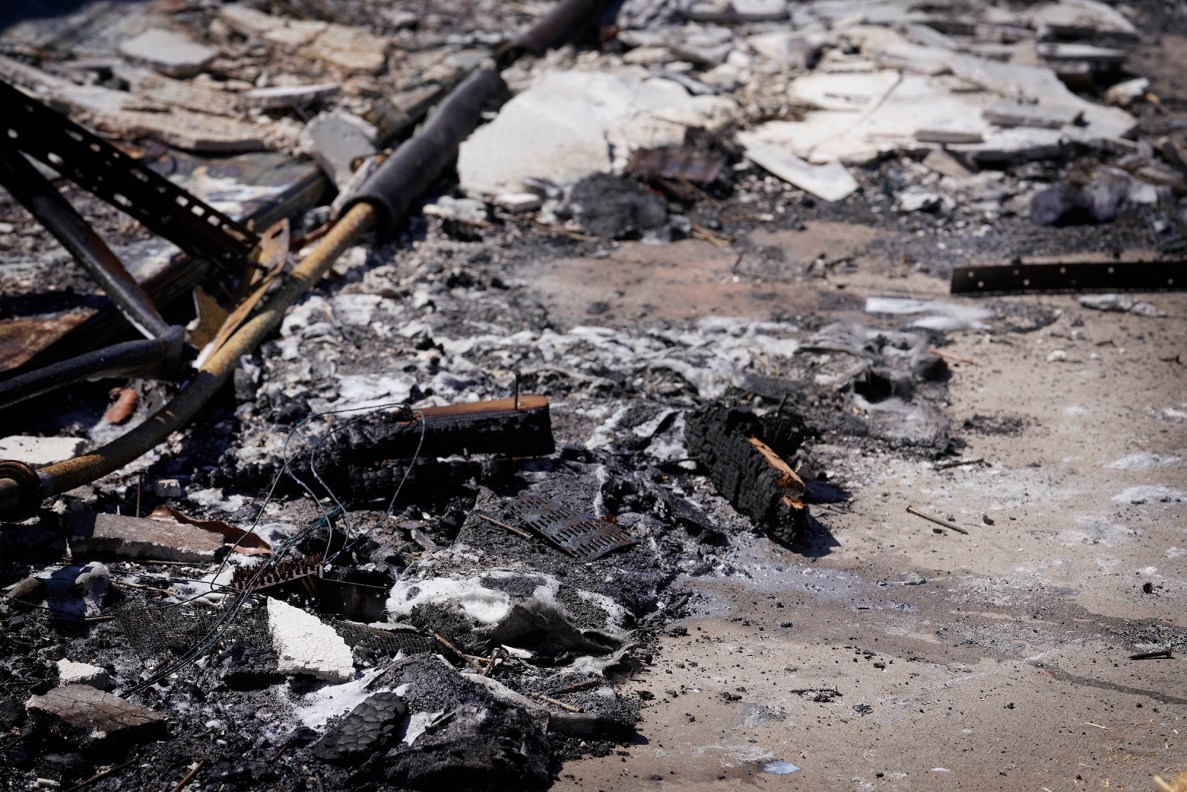
In addition to self-reported symptoms, more than 4 in 10 MauiWES participants said they have had difficulty accessing medical care and nearly half said they experience food insecurity.
Ruben Juarez, professor of health economics at the University of Hawaii Economic Research Organization and one of the study’s lead researchers, said the early findings are alarming.
“That’s one of the things that we’ve been trying to communicate,” Juarez said last week. “This is definitely a big problem. It’s not OK.”
A Lot Of Unknowns
The study just got a cash infusion of $2.3 million from the state’s major disaster fund. The money will allow researchers to expand the cohort to include children, first responders and cleanup crews, to hire staff on Maui and to start a medical registry to track participants’ health over the long term.
If more funding can be found, the research is expected to last at least 10 years. In exchange for a $100 stipend, participants get medical checks, fill out questionnaires and provide blood, saliva and urine samples annually.
“There’s a lot that we don’t know,” said Alika Maunakea, an associate professor of biomedical sciences at the UH School of Medicine.
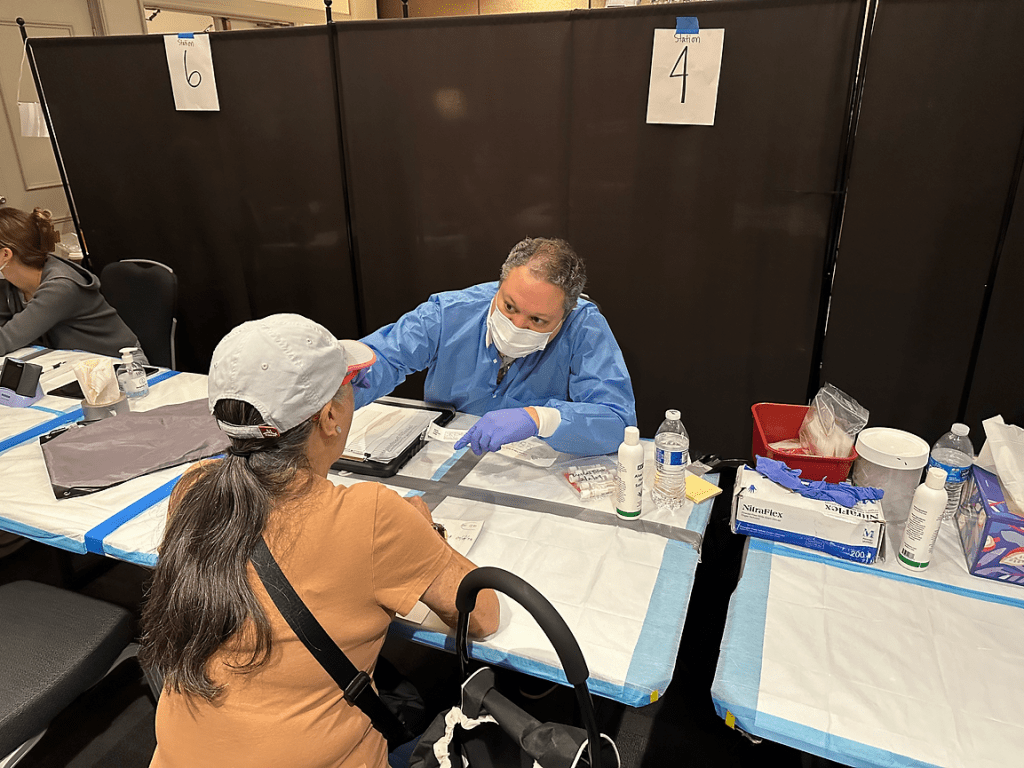
But Maunakea and Juarez say their findings will expand the limited body of knowledge about health impacts of wildfires not just on Maui but in the rest of the country and beyond. With climate change exacerbating the frequency and intensity of wildfires, such information may be timely.
Besides the February results, new data from a subset of the MauiWes cohort is coming in that is also cause for concern.
“What we’re seeing is that there are definitely high levels of heavy metals in a large portion of participants,” Juarez said.
While the findings are preliminary, the researchers say there may be a correlation between the people with high levels of heavy metals in their bodies and those who are experiencing respiratory issues and other ailments.
“High levels of arsenic seem to be associated with poor lung health,” said Maunakea, cautioning that no conclusions can be drawn before more data is collected and analyzed.
Conflicting Messages?
The findings to date from MauiWES send a somewhat different message than what the Hawaii Department of Health has put forward.
DOH issued a news release in May saying the department’s lead screening has found no evidence of widespread lead exposure from the fires.
The release said 557 West Maui residents were screened for lead exposure between December and February. Of those, just five participants were found to have concerning lead levels that warranted surveillance. That left about 98% of participants with no elevated lead levels.
“On the basis of these results with lead as an indicator of exposure, we do not expect to find health impacts caused by toxins in the wildfire ash,” Hawaii Health Director Dr. Kenneth Fink said in the release.
The results indicate “an absence of clinically significant human exposure to toxins in wildfire ash,” according to the release.
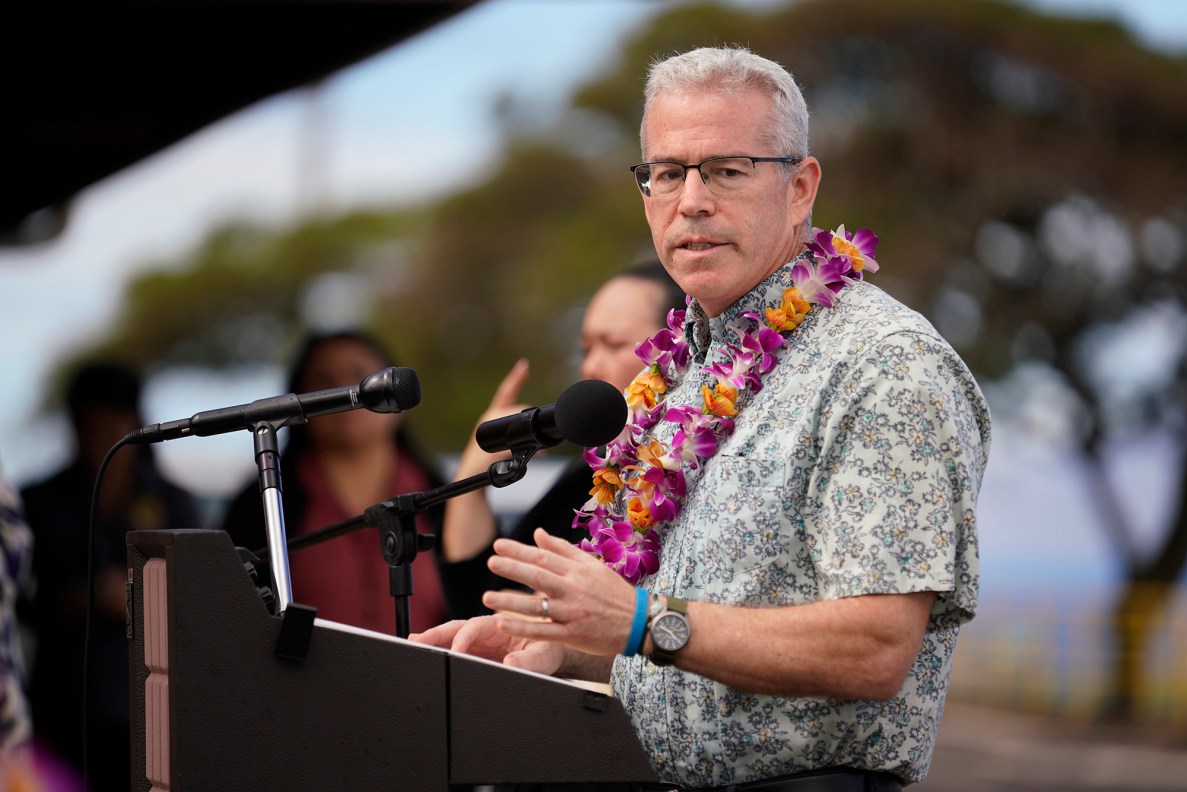
Some experts in the scientific community disagree with the state’s findings, arguing that the sample size is too small to make such a sweeping statement, according to the UH professors.
“We don’t know how they came up with that conclusion,” Juarez said.
Health Department officials stand by their report and the public health messages it contained.
With over 500 samples and basically no detectable amounts of lead being found, that’s enough to make a broad conclusion that people living in and around the 5-square-mile burn zone were not experiencing excessive exposure to lead, said Dr. Diana Felton, the department’s Communicable Disease and Public Health Nursing Division chief.
While Juarez, Maunakea and Haro say it’s very likely that some portion of fire survivors will experience an increase in lung cancer and other health problems five, 10 or 20 years from now similar to people who survived 9/11 or lived in Lower Manhattan, Felton said it’s impossible to predict that.
“You can’t really make comparisons to that,” Felton said.
Ground Zero smoldered for months and the scale of the massive buildings that collapsed was much larger than the destruction of Lahaina. The Twin Towers were 110 stories each, with nearly 10 million square feet of office space that could accommodate tens of thousands of workers.
Still, with so many unknowns about the health impacts of the Maui wildfires, the UH study is valuable for its in-depth analysis of the cohort over time, Felton said.
DOH is partnering with UH on the study along with community groups like Roots Reborn and Hui No Ke Ola Pono. The main sponsors are Hawaii Community Foundation’s Maui Strong Fund and Kaiser Permanente.
‘It’s Time To Receive’

While the research continues, Filikitonga-Lukela spends her days caring for her mother, helping her four children, and wrangling a bunch of grandkids.
Like thousands of other survivors, she feels worn out many days. Either that or scared about her health and the future.
On bad days, “I feel like throwing in the towel,” the family matriarch said.
It’s a far cry from pre-fire times, like when she rode her horse in the Na Kamehameha Commemorative Pau Parades.
Because Filikitonga-Lukela is used to holding things together for her large extended family, it’s difficult to ask for or accept help, she said. But as she continues her cancer journey and tries to ward off despair, she is starting to realize a new approach might be in order.
“I’m always giving,” she said. “It’s time to receive.”
Civil Beat’s coverage of Maui County is supported in part by a grant from the Nuestro Futuro Foundation.
Civil Beat’s coverage of environmental issues on Maui is supported by grants from the Center for Disaster Philanthropy and the Hawaii Wildfires Recovery Fund, the Knight Foundation and the Doris Duke Foundation.
Civil Beat’s community health coverage is supported by the Cooke Foundation, Atherton Family Foundation and Papa Ola Lokahi.
