Pacific Islanders Are Often Left Out Of Medical Studies. This Team Wants To Change That
The University of Hawaii is participating in a national study of gaps in health research for Asian Americans, Native Hawaiians and Pacific Islanders.
When Dr. Marjorie Mau starting practicing medicine in Hawaii several decades ago, the Native Hawaiian physician quickly encountered what seemed like a never-ending stream of patients dealing with health problems associated with complex diabetes.
Many of Mau’s patients suffering diabetes were young — only in their 20s and 30s — and some were mothers whose pregnancies were complicated by the illness. Mau sensed that there were complex risk factors associated with this highly prevalent disease in her community and that it was “not just about sugars.”
Mau, who is also the founding chair of the Department of Native Hawaiian Health at the University of Hawaii’s John A. Burns School of Medicine, is now one of the state’s leading scientists focused on health disparities in the islands. She’s also one of many local doctors who say there is a gross lack of medical research and resources for the Asian American, Native Hawaiian and Pacific Islander communities.
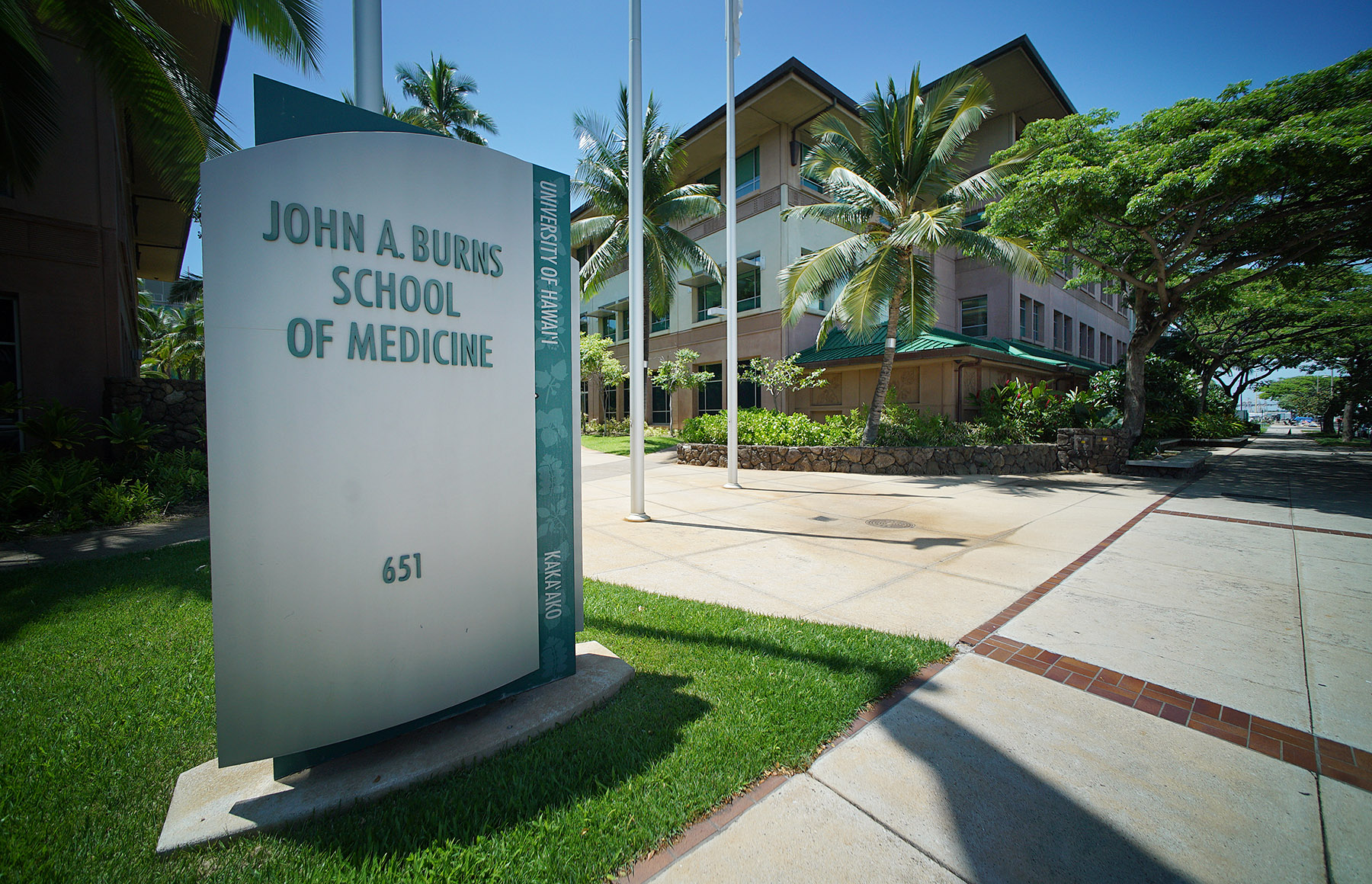
Doctors say the lack of community-specific data in the medical field directly impacts Hawaii’s diverse population, depriving communities of adequate care.
That’s why Mau, along with her JABSOM colleagues Alika Maunakea and Lani Park, say they are excited to work on a new national study aimed at improving AANHPI representation in American medical research.
“Whatever we find needs to be translated back into the community, really, before they get sick,” Mau said, “and that’s the beauty of this kind of study.”
Wide-Ranging Study
The seven-year study will track 10,000 Americans who identify as AANHPI, a group that makes up about 8% of the nation’s population.
Funded by the National Heart, Lung, and Blood Institute, the Multi-ethnic Observational Study in American Asian and Pacific Islander Communities — also referred to as MOSAAIC — will examine this community’s health conditions and risk factors in a variety of areas, from cardiovascular to mental health.
The National Institutes of Health has invested only 0.17% of its total budget in AANHPI health research over the past 25 years, according to a 2021 NHLBI-led workshop that provided the impetus for this study.
Launched in August 2023, the study is in a two-year planning phase and involves JABSOM and four institutions on the mainland, each responsible for recruiting about one-fifth of participants.

Mau’s team at JABSOM is focused on enrolling 2,000 Native Hawaiian and Pacific Islanders 18 to 65.
“We have a population that is very unique … in the United States,” Mau said. “So I think our role here has multiple values to MOSAAIC.”
Yuling Hong, the scientific advisor for the study at NHLBI, said he hopes the study will bring a better understanding of how prevalent various conditions like stroke, obesity and diabetes are in AANHPI communities, which include about 40 ethnic groups.
“In the past, we could sample some Asian Americans, but that still only captured the major sub-populations,” Hong said. “So it’s still understudied. That’s why we have launched the MOSAAIC cohort.”
Further Marginalized
The local portion of the study is particularly important, Hawaii researchers said, because attention on Native Hawaiians and Pacific Islanders is often neglected even within the AANHPI umbrella.
Language access issues can add to the challenge, said AnnDionne Selestin, a Pohnpeian community care worker for COFA citizens at the Maui-based organization Roots Reborn. A shortage of translators for many Micronesian communities can lead to disparities in what health data is being collected — and also create barriers to receiving adequate medical care.
In conducting health studies in Hawaii, Mau’s team also plans to examine state-specific social determinants of health.
“In the crudest sense, people have looked at it with income or education; but with the population here, there’s a lot of other components to the history that talk about cultural oppression that has been done,” Park said. “There’s settlers and colonialism that is unique to our population here.”
The displacement of specific communities, water contamination and area-specific poverty are all measures that the team hopes to capture.
The team will also study resiliency and what factors have a positive effect on local health.
“Some individuals that are exposed to these adverse factors tend to have worse-off health,” Maunakea said. “But, to some degree, lifestyle choices and individual-level resilience factors can actually buffer against the larger neighborhood-level factors. We want to understand that comprehensively.”
Civil Beat’s community health coverage is supported by the Atherton Family Foundation, Swayne Family Fund of Hawaii Community Foundation, the Cooke Foundation and Papa Ola Lokahi.