

Federal Government Seeks To Seize Mike Miske’s Assets After His Death
The organized crime leader’s death in federal detention upended his criminal case, but prosecutors are still trying to claim his assets through a civil proceeding.
The federal government is seeking to seize more than $20 million of Michael Miske’s assets after the convicted organized crime leader’s death in a federal detention center upended his criminal case.
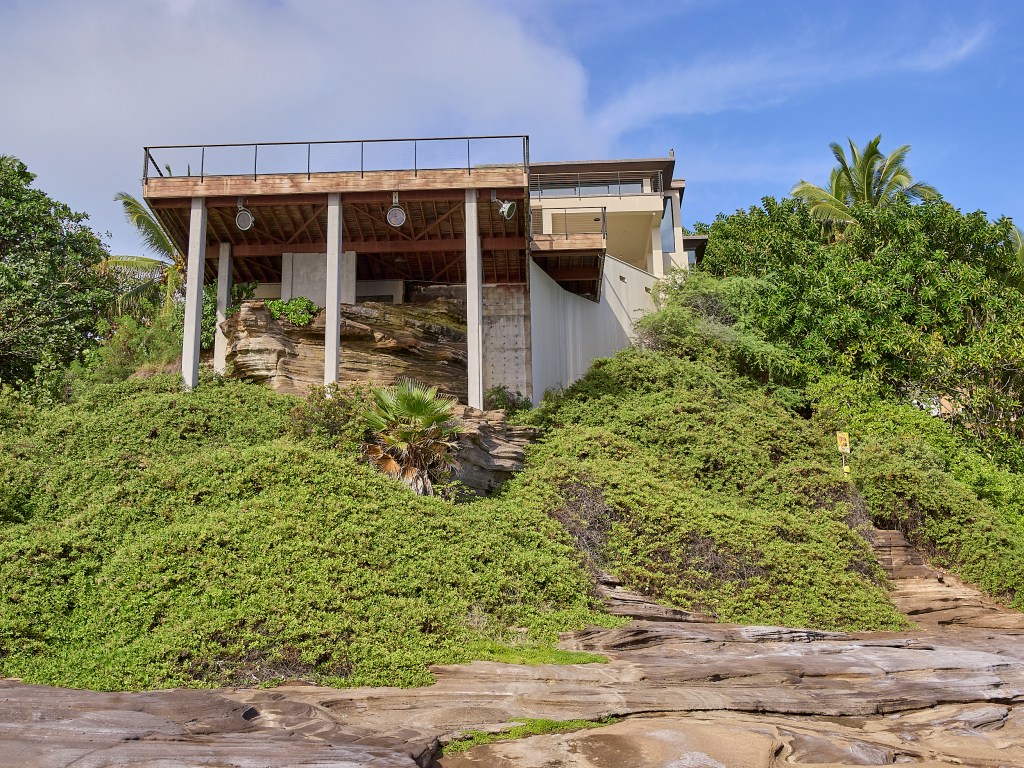
The U.S. Attorney’s Office for Hawaii filed a civil forfeiture action Wednesday seeking two boats, millions of dollars in cash from various bank accounts, properties in Kailua and Portlock, multiple paintings and sculptures, along with five vehicles, including a Ferrari and a 1951 Volkswagen.
The government had been pursuing Miske’s assets through a criminal forfeiture process since he was convicted in July of 13 counts, including racketeering and murder in aid of racketeering in connection to the 2016 killing of Johnathan Fraser. Prosecutors said the assets were either used in the commission of his crimes or purchased with proceeds from his illegal activities.
But that process was stopped when the 50-year-old was found dead of a fentanyl overdose in his cell at the Federal Detention Center in Honolulu on Dec. 1.
Because he died before his sentencing, Miske’s attorney has requested to vacate his conviction and terminate the criminal forfeiture process. Prosecutors have agreed. Miske planned to appeal his convictions.
Miske’s attorney, Michael Kennedy, did not respond to a call seeking comment Friday. Assistant U.S. Attorney Ken Sorenson, who prosecuted Miske, was unavailable to comment.
Through the new civil forfeiture action filed this week, the government can seize his assets, and anyone believing they have a claim to the property can sue to try to have it returned to them, said Victor Bakke, a Honolulu criminal defense attorney and former prosecutor.

Bakke said he expects some of Miske’s family will come forward to try to claim assets. Because Miske comingled many of his legitimate businesses with his illegal activities, claimants may be able to show that some of the assets were purchased with legitimate income. Miske owned multiple lucrative businesses, including the M Nightclub and Kamaaina Termite and Pest Control.
“I believe that there are enough assets involved that it would be worthwhile for the family to fight for some, if not all of it,” Bakke said.
In some civil forfeiture cases, the government agrees to settle with parties who try to claim legitimately-purchased assets, he said.
In its filing Wednesday, federal prosecutors said all the assets they are targeting are forfeitable because they can be traced back to his illegal activities.
CORRECTION: The photo of Miske’s assets showed the incorrect house. It has been corrected.

