Green Wants To Extend Excise Tax Surcharge On Neighbor Islands
The measure to leave the surcharge in place for an additional 17 years is expected to win strong support from Kauaʻi, Maui and Hawaiʻi County officials.
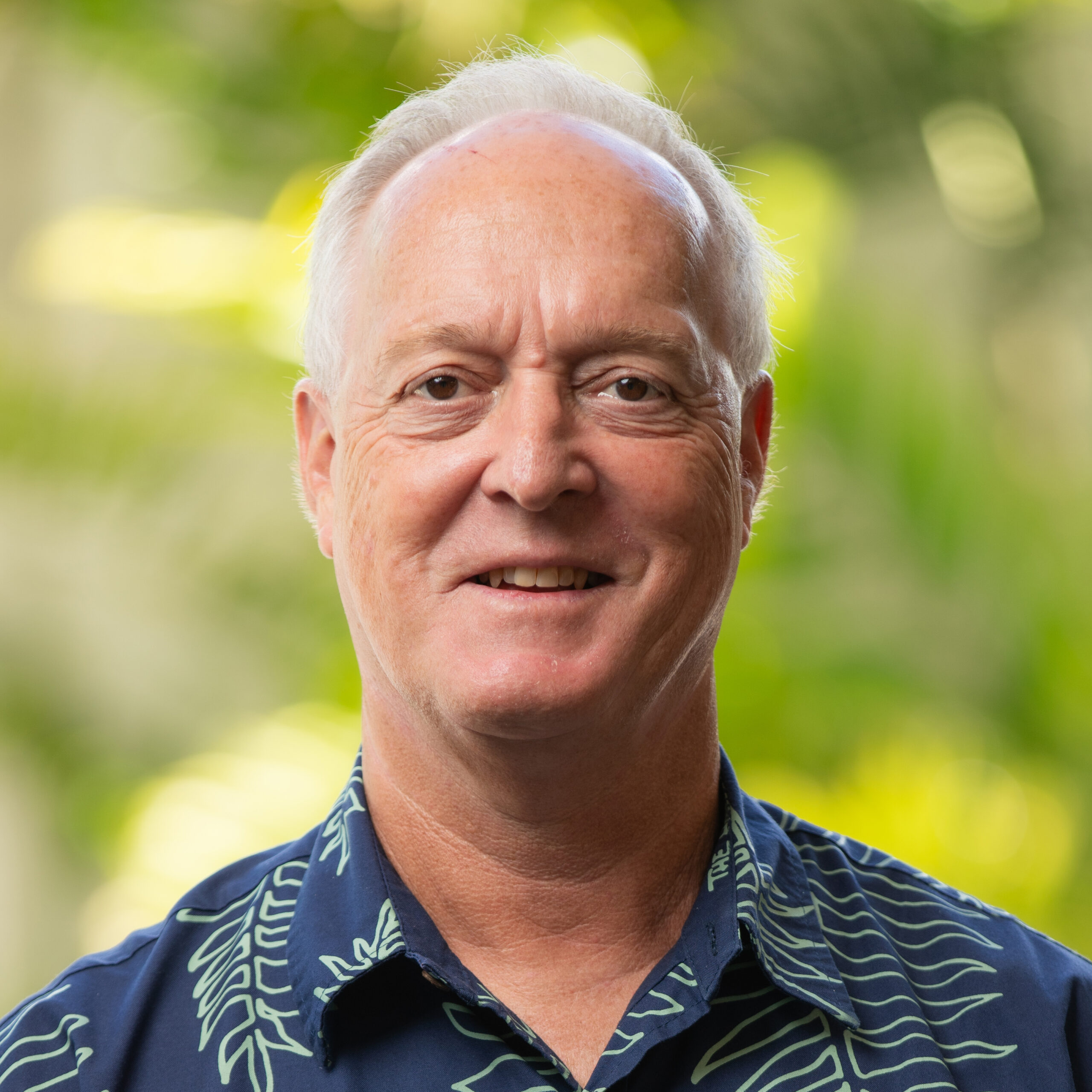
Gov. Josh Green is proposing to extend the half-percent excise tax surcharge on the neighbor islands until 2047, reopening a contentious debate over a tax that was originally imposed only on Honolulu residents to finance the city rail project.
The neighbor island counties were later given authority to impose the tax surcharge on their own residents and visitors as well, and they now rely heavily on that cash flow. It will generate nearly $200 million this fiscal year to help fund projects and operations for Kaua’i, Maui and Hawai’i counties.
The surcharge is scheduled to expire at the end of 2030 for Honolulu and each of the other counties, but House Bill 1014 and Senate Bill 1333 would extend the surcharge for the neighbor island counties until the end of 2047.
The bill proposed by the Green administration would not extend the surcharge on O’ahu, which generates more than $350 million a year to help fund construction of the Honolulu rail project. The O’ahu surcharge is scheduled to expire in 2030.
However, rail supporters and members of the Honolulu Authority for Rapid Transportation also want that Honolulu surcharge extended or made permanent to help the city finance extensions of the 18.9-mile rail line to Ala Moana Center, into the center of Kapolei, or beyond.
The Kaua’i and Hawaiʻi County mayors say the general excise surcharge revenue is critically important for their communities.
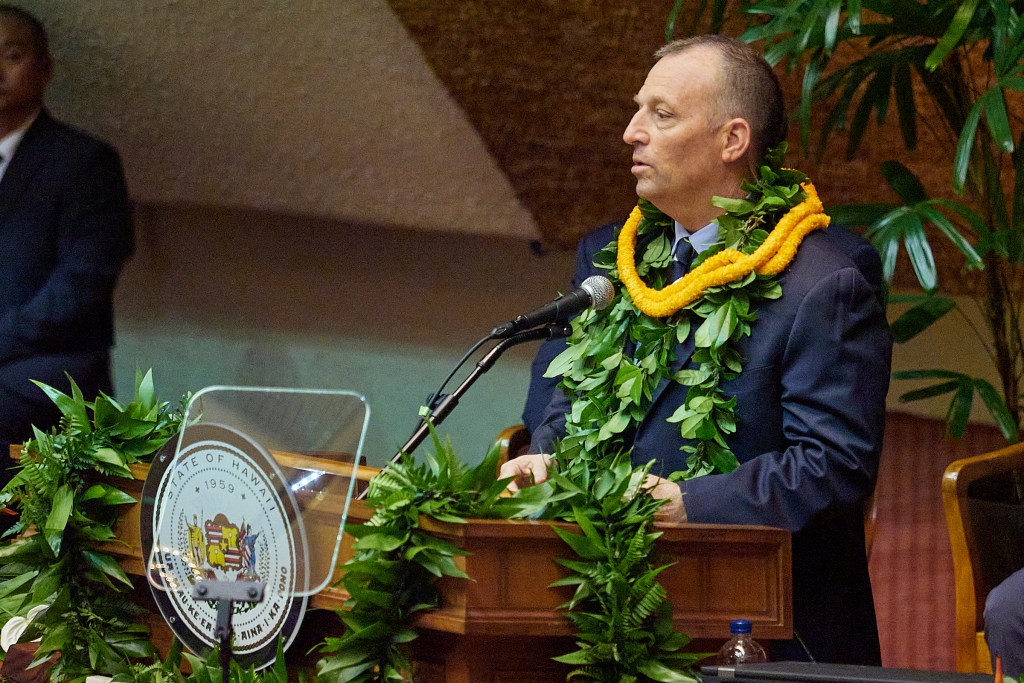
Kaua’i Mayor Derek Kawakami said in December losing the excise surcharge revenue would be “crippling” to the building industry on his island, and Big Island Mayor Kimo Alameda told lawmakers Tuesday the county relies on the surcharge to fund its bus and other transportation services.
The House and Senate leadership introduced HB 1014 and companion bill SB 1333 on behalf of the administration on Tuesday, but Green did not mention the measure during his State of the State speech that same day.
Green was unavailable for comment Friday, but the administration said in a written justification attached to the bill that “the immediate direct impacts to the public would be a very slight increase in the cost of goods and services during the period the county surcharges would be in effect.”
Not everyone is enthusiastic about the idea of extending the surcharge beyond it’s scheduled expiration in 2030.
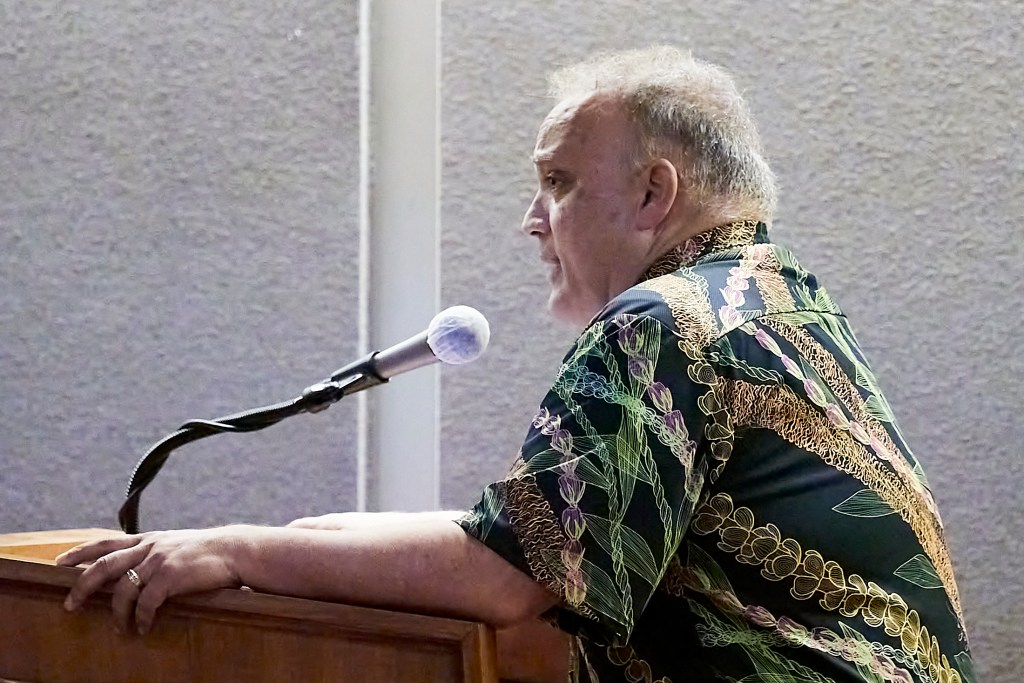
“It just proves once again that there’s no such thing as a temporary tax hike,” said Ted Kefalas, director of strategic campaigns for Grassroot Institute of Hawaii.
The general excise tax “has been proven to be a regressive tax, and it definitely increases the cost of living and just makes everything more expensive for local people, and hurts the middle class and lower-income people even more so,” he said, “because they’re paying a higher percentage of their salaries.”
The surcharge of one-half of 1% is tacked on to the 4% state excise tax imposed on the sale of almost all goods and services in the state. The state then distributes revenue from the half-percent surcharge to the city and counties, and keeps the 4%.
The surcharge issue has proved to be controversial every time the Legislature has dealt with it.
Lawmakers established the surcharge on Oʻahu in 2005 to provide most of the funding for the Honolulu rail project but had to revisit the issue in 2015 and again in 2017 when the rail project twice blew through its budget and needed more money.
Along the way lawmakers authorized the neighbor island counties to impose their own excise surcharges, which Kaua’i and the Big Island did in 2019. Maui’s surcharge took effect last year.
Kaua’i and Hawai’i island are allowed to use their share of the money from the surcharge only for transportation projects, including roadwork and bus service. Maui County is also authorized to use the surcharge revenue for housing infrastructure.
The Green administration’s bill would allow Kaua’i and Hawai’i counties to also use some of the excise surcharge money for housing infrastructure projects, an idea that appeals to Hawai’i County Mayor Kimo Alameda.
“We have such a housing need, not just for rent, but for permanent housing,” Alameda said in an interview Friday. He said there is also a need for “supportive” housing with services that can be used to address homelessness, and the bill “would give us more flexibility.”
The administration issued a written statement from Senior Adviser Will Kane explaining the bill “allows the counties to use the GET surcharge revenue to build both housing and transportation infrastructure. This is one of many options to be explored by the Legislature this session.”
He said the counties could leverage the surcharge by issuing long-term bonds to borrow money to construct infrastructure for new housing. That would speed up development of affordable housing, and the counties could use the cash flow from the surcharge to pay off the bonds.
The bill would apply only to counties with populations of 500,000 or less, which excludes the City and County of Honolulu.
The House bill has been referred to the Water & Land and Finance committees, but no public hearings on the measure have been scheduled yet. The companion Senate bill has no committee referral so far.