

Kava Growers In Hawaiʻi Fear Being Associated With ‘Gas Station Heroin’
Hawaiʻi lawmakers are considering regulating kratom and banning sales to minors. But kava advocates want an outright ban.
Rami Kayali first sampled kava in Florida, tasting the Pacific tincture in one of the nation’s many kava bars that have sprouted up over the past decade. But that kava was laced with a Southeast Asian plant extract called kratom, known as “gas station heroin” for producing highly addictive, opioid-like effects.
“It wasn’t explained to me, the difference between the two. It was given some inane name, called the ‘black komodo’ or ‘black pearl’,” said Kayali, who is preparing to open a kava lounge in Honolulu. “They kind of just glossed over the high abuse potential” of kratom.
The kava-kratom cocktail is becoming a convenience store staple in Hawaiʻi, sometimes sold in little blue bottles called Feel Free, and marketed as a soothing mixture to improve mood, reduce stress, relieve pain and boost stamina.
The Legislature is considering bills to regulate the substance in Hawaiʻi, including proposals to prohibit sales to minors and require producers to add disclaimers and register with the Department of Health.

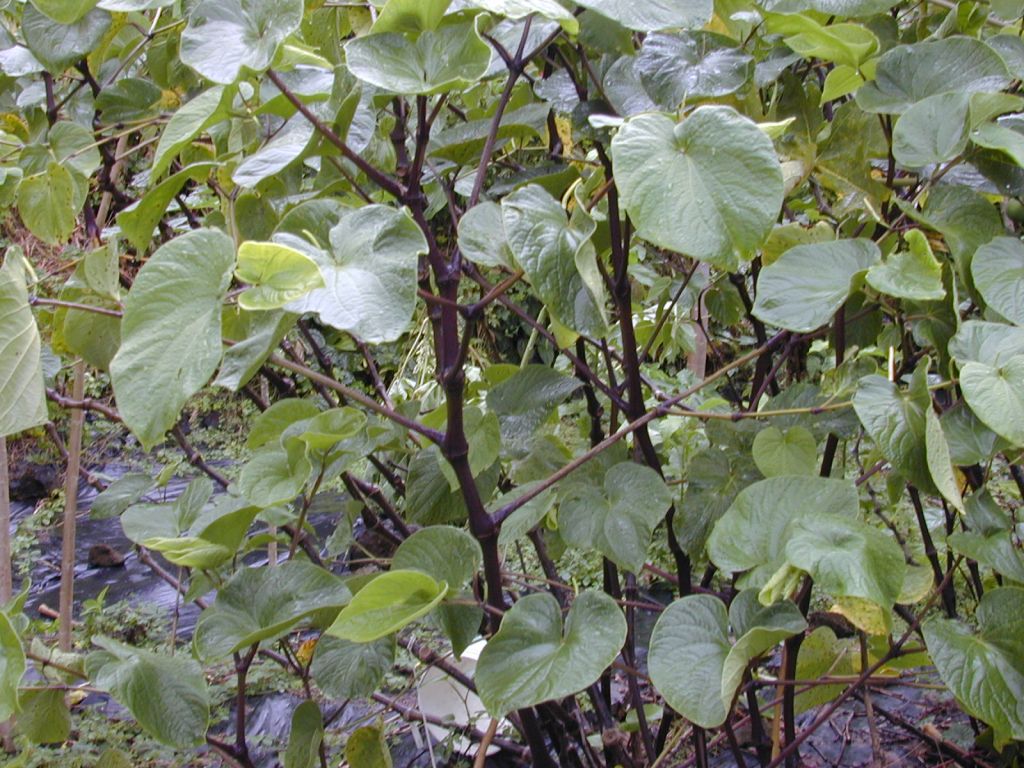
But growers of kava, or ‘awa as it is known in Hawaiʻi, wish the Legislature would go further on kratom. The industry is concerned that the growing association between the two crops will make kava guilty by association, said Ed Johnston of the Association for Hawaiian ‘Awa, just as their crop is in the midst of a renaissance in Hawaiʻi.
“Let’s face it, that bill would impose some serious restrictions on it,” Johnston said. “It also, in a way, legitimizes something that is really, really bad for you.”
The ‘awa growing community in Hawaiʻi remains small, Johnston said, with likely less than a dozen commercial growers. But the community is growing as demand surges locally and some growers look for a stake in the lucrative international market. Vanuatu alone exported $32.5 million worth of ‘awa in 2023.
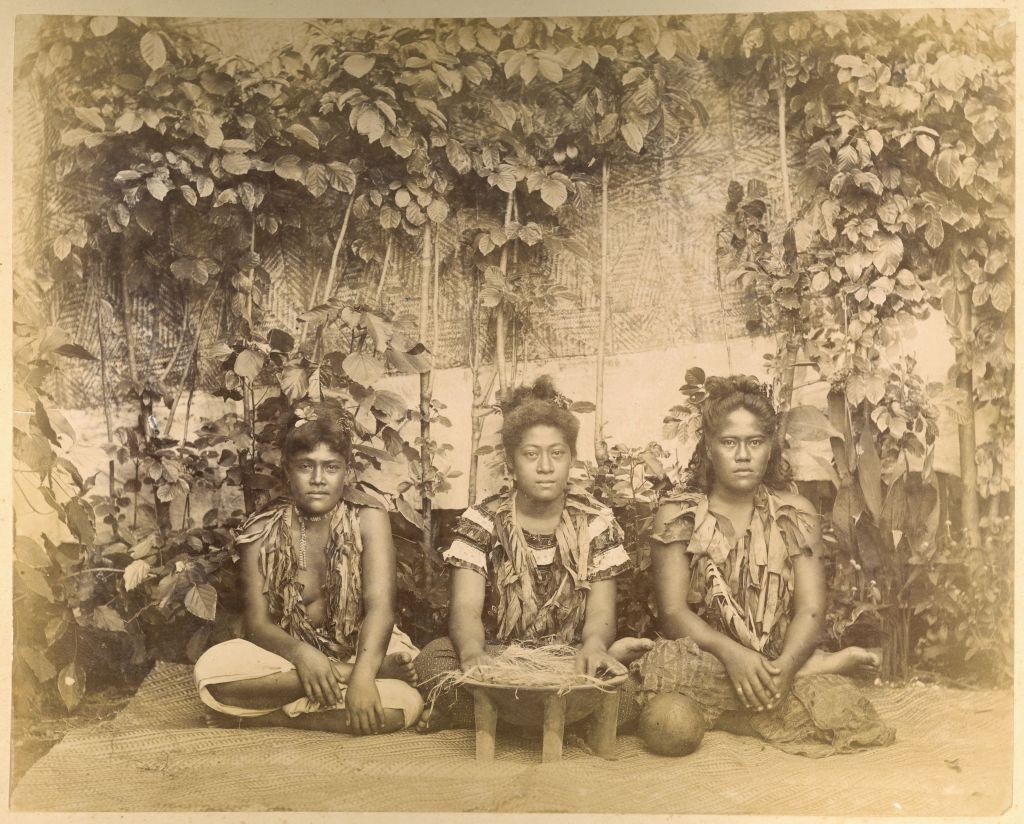
‘Awa has been cultivated and consumed in Hawaiʻi since the islands were first settled, an original canoe crop prized by Pacific Islanders who harvested, pounded and steeped the plant’s roots to make a sacred and calming beverage. After years of being overlooked and nearly going extinct, ‘awa has made a resurgence.
Kratom, meanwhile, hails from Southeast Asia and is historically used to treat pain, boost energy and heighten focus. More recently, it’s been used for relief from opiate withdrawals.
As kratom products became mass-produced in recent years, they also became infamous — associated with hundreds of deaths and more than 3,400 reports to U.S. poison control centers between 2014 and 2019.
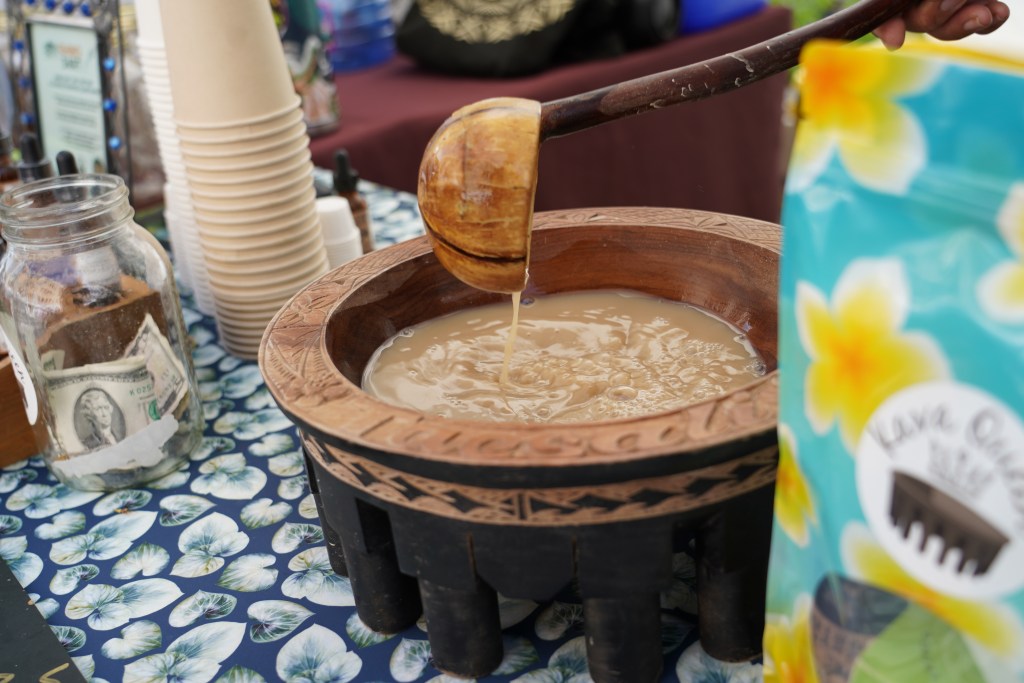
Neither product is regulated by the U.S. Food and Drug Administration, but the agency has issued warnings about both of them. The Hawaiʻi Department of Health, however, last year deemed traditionally concocted ‘awa “generally recognized as safe.” The ‘awa industry hoped that would lead to further recognition, which could incentivize the plant’s production and preservation.
Kratom is not listed under the Controlled Substances Act, but the FDA and U.S. Drug Enforcement Administration take a dim view of it. The FDA has seized millions of dollars of kratom in recent years and the DEA has listed it as “a drug of concern,” with high potential for abuse.
With heightened attention on kratom, and the rise of products that mix it with ‘awa, kava advocates fear authorities will conflate the two.
“If something goes wrong, kava will be blamed as well as kratom,” said Vincent Lebot, author of “Kava: The Pacific Elixir.”
Cracking Down On Kratom
Kratom products started emerging nationwide in the early 2010s, appearing mixed with kava at specialty bars on the U.S. mainland. The substance strengthened its foothold, showing up in ready-made products.
It also caught the eye of the DEA, which attempted to impose an emergency ban in 2016. The ban was unsuccessful after more than 130,000 people signed a petition to reverse it, claiming it was done too hastily.
Several states and localities have since imposed their own restrictions and bans on kratom, including Arkansas, Alabama and Wisconsin. The product is also illegal in several countries, such as Thailand, Vietnam and other Southeast Asian nations.
In Hawaiʻi, bills to regulate or ban the substance have failed in recent years.

This year’s legislation proposes a Hawaiʻi Kratom Consumer Protection Act, which states that kratom products must be pure and contain no more than 2% of 7-hydroxymitragynine, the active chemical compound in kratom. It also requires that kratom products be independently tested. Violations of the law would be a class C felony.
But Johnston of the ‘awa association remains unsold.
“I would not support that bill,” he said. “I would support a bill that bans kratom completely, unless it’s for university research.”
But there is little data to support a ban, in part because the substance has not faced the same scrutiny as drugs under the Controlled Drugs and Substances Act.
The Emergency Medical Services database identified 26 kratom-related calls from Hawaiʻi between 2022 and 2024, with a small percentage identified as overdoses, according to the state Department of Health.
The bill would have the health department keep a registry of kratom producers, among other things, which state toxicologist Dr. John Jacob says runs counter to the agency’s mandate to keep residents healthy.
“Our concerns are more now because kratom’s gaining more popularity in recreational use,” said Jacob, of the DOH Hazard Evaluation and Emergency Response Office.
According to the latest available data, the FDA estimated 1.7 million Americans 12 and older used kratom in 2021. The potential for harm rises when it is mixed with other substances — ‘awa, for instance — which Jacob described as a double-hit to the liver.
Preserving Cultural Use
In the long history of ‘awa consumption in Hawaiʻi and the greater Pacific, ‘awa was traditionally only mixed with water or coconut water. On occasion it was mixed with ʻōlena (tumeric) or sugarcane.
Demand surged in the 1990s after a German study verified ‘awa’s calming effects. That was before another study, released a few years later, linked ‘awa to liver damage — especially when combined with alcohol.

That is when federal regulators began focusing on ‘awa’s negative effects, as well as various social ills, based on tests that have since been challenged.
The World Health Organization and the United Nations’ Food and Agriculture Organization both recognized traditionally brewed ‘awa as safe in 2020, while the Hawaiʻi health department emancipated the beverage in 2023.
Kayali, who is currently researching how to increase ‘awa production, plans to open his lounge ‘Awa Hou near Puck’s Alley so people can consume and learn about the traditional beverage.
While Kayali supports regulating kratom, he also supports regulations for ‘awa production and consumption, hoping that rules might help promote and preserve the traditional Hawaiian crop while ensuring it remains unspoiled by other substances.
“I think it’s a great idea to put in some framework,” Kayali said. “The real question is: Are we going to wait for the government?”
At ‘Awa Ho, Kayali is not going to wait.
“We don’t ever, and never will, serve kratom,” Kayali said. “You don’t need it.”
CORRECTION: A previous version of this story misspelled ‘Awa Hou, the kava lounge Rami Kayali plans to open.
Civil Beat’s community health coverage is supported by the Atherton Family Foundation, Swayne Family Fund of Hawai‘i Community Foundation, the Cooke Foundation and Papa Ola Lōkahi.
“Hawai‘i Grown” is funded in part by grants from the Stupski Foundation, Ulupono Fund at the Hawai‘i Community Foundation and the Frost Family Foundation.

