

Hawaiʻi Agricultural Projects At Risk Amid Federal Funding Freeze
Federal officials told Hawaiʻi nonprofits to delete references to climate change and Biden’s clean energy law from their websites.
Tens of millions of dollars in federal grants to Hawaiʻi nonprofit organizations and researchers for climate and agriculture projects are in limbo due to a freeze on some U.S. Department of Agriculture spending.
The grant recipients have been notified over the past two weeks that they won’t be paid for their work, leaving many fearful they will have to ditch their projects and lay off staff.
The indefinite payment delay comes as the Trump administration continues its aggressive review of federal spending. The freeze was put on hold last month after a coalition of nonprofits sued in federal court, but on Monday a federal judge ruled that the administration was violating a court order by continuing to withhold funding.
Nonprofits with federal grants say directives coming down from federal agencies vary wildly, leaving them very uncertain about the future of their contracts.
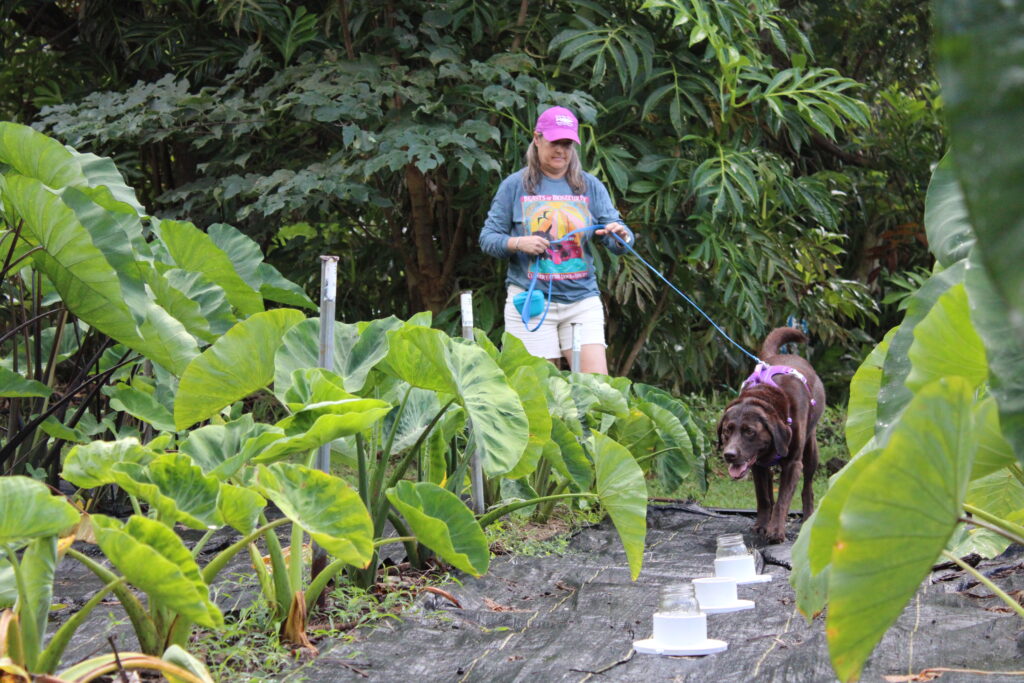
Several nonprofits told Civil Beat that USDA officials recommended that grant recipients scrub from public materials any mention of the Inflation Reduction Act, former President Biden’s signature clean energy bill, as well as mentions of climate change. The directive follows broad-ranging orders from the new Trump administration, which also has targeted diversity and inclusion initiatives.
When Trump administration officials “say, ‘We’re cutting government funding,’ that has real-world impacts that are going to affect small communities throughout Hawaiʻi,” Congresswoman Jill Tokuda said in an interview.
Nonprofits ‘Imperiled’
The Amy B.H. Greenwell Ethnobotanical Garden’s $2 million grant from the USDA Forestry Service’s Urban and Community Forestry Program is among the funding casualties. The USDA told the Big Island garden that the agency would not reimburse about $150,000 currently owed under the grant program, despite the federal contract.
“To not reimburse them, to me, is a crime,” Tokuda said.
That money pays for staff and subcontractors who help the garden stage public events, educate the community and tend crops, including fruits and vegetables given to the public, said executive director Lou Putzel.
The USDA grant was enabled by the Inflation Reduction Act, which allocated $370 billion to combat climate change in 2022. Putzel said the grant was intended to ensure the more than 100-year-old garden, a federally designated community forest, could “really stand on its feet in the future because this should be here forever.”

The next six months are uncertain, Putzel said, and the garden has just enough saved to stay afloat, compared with other nonprofits, where it’s a matter of weeks.
The garden’s project is one of $42.5 million in urban and community forestry grants allocated to Hawaiʻi organizations in 2023, including $20 million for Kupu to help improve access to green space in urban Hawaiʻi and a $5 million grant for Grow Good Hawaiʻi, whose grant centered on growing and distributing food trees statewide.
Grow Good Hawaiʻi founder Paul Arinaga says the grant reimbursement pause has “imperiled” the organization’s work to build a new nursery in Waimānalo, onboard 15 gardening ambassadors and create a network of community demonstration gardens. The impacts will also be felt by Grow Good’s partner organizations.
“In the business world, normally, if you have open accounts receivable and the vendor doesn’t pay you, you eventually at some point reduce or pause the provision of services,” Arinaga said.
But recourse is complicated when the vendor is the federal government, given that it may take months or years to resolve a lawsuit challenging the Trump administration’s funding freeze.
Even if the plaintiffs prevail, how long it would take to get the once-promised funding restored is anyone’s guess. While they wait, nonprofit leaders fear they will have to shut down projects.
The USDA has also paused funding for the Transition to the Organic Partnership Program and Organic Market Development Grant program, together worth $185 million nationwide, E&E News reports. A $3 million market development grant for Hawaiʻi was announced in December, paying for research into algae-based animal feed, among other projects.
“These guys who are running this DOGE team,” Tokuda said. “As businessmen, shouldn’t they recognize the importance of honoring contracts?”
Uncertainty for Researchers, Students
Federal money represents a significant funding line for Hawaiʻi’s $700 million agricultural industry, which lawmakers continue to promote as important for the islands’ self-sufficiency and sustainability.
Research also has been feeling the chill from the USDA freeze, as programs designed to boost agricultural production are scrutinized by the administration.
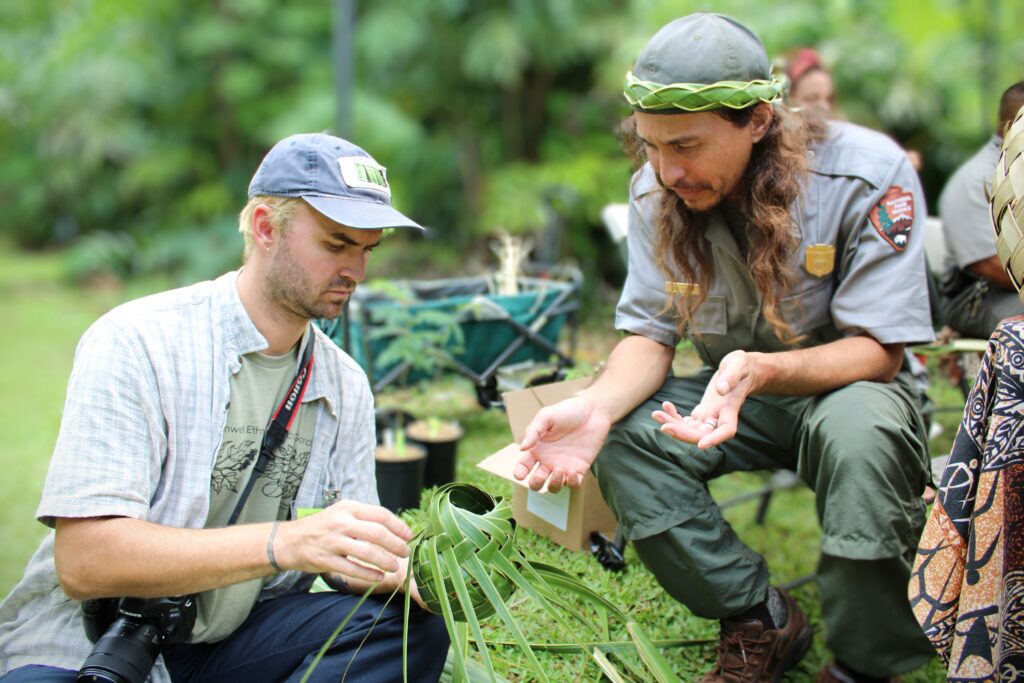
Noa Lincoln, a University of Hawaiʻi associate professor who runs the Indigenous Cropping Systems Lab, had to furlough one of his research assistants because of fears about USDA funding. That money came from the USDA but was administered by the University of Montana, a common practice with USDA grants.
The assistant’s role fell under a grant-funded arrangement, which generally includes free tuition and a university stipend of typically $23,000 to $26,000.
That same uncertainty is being felt in research groups throughout the university, as project leaders are watching the effects of the Trump administration’s clampdown on funding for diversity, equity and inclusion initiatives.
Melissa Miyashino of the Hawaiʻi Alliance for Nonprofit Organizations says the federal funding pinch is hurting nonprofits across sectors, including community health, education and cultural organizations.
There are almost 7,500 nonprofits in the state, employing approximately 56,000 people, according to the Independent Sector, a national collective of nonprofits.
Nonprofits generally work on thin margins and lack deep pockets to weather unanticipated funding shocks, executive director Miyashino said.
“There seems to be a lot of variation by agency,” Miyashino said. “If a nonprofit gets grant funding from one agency, it might be different from another. There aren’t really any common denominators.”
“Hawai‘i Grown” is funded in part by grants from the Stupski Foundation, Ulupono Fund at the Hawai‘i Community Foundation and the Frost Family Foundation.
CORRECTION: A previous version of this story misstated which group received a $20 million USDA urban forestry grant. The funding was in fact awarded to Kupu, the parent organization of Kupu Aina Corps.

