Hawaiʻi Lawmakers Are Pushing For Car-Free Fun Zones — But Not On Oʻahu
Some Oʻahu lawmakers worry the program could snarl traffic in their districts.
To reduce carbon emissions, encourage sustainable transportation and promote community health, counties could be required to pilot a “Summer Streets” program, closing select roads to traffic and repurposing them for pedestrians and bicyclists.
House Bill 1260 would direct counties to close select roads for a few hours each week during the summer. Similar programs in other states have used the repurposed space to host vendors, stage performers, children’s play equipment and sometimes just extra recreation areas for pedestrians and bicyclists.
Groups like the Hawaiʻi Bicycling League, Hawaiʻi Public Health Institute and Hawaiʻi Appleseed Center for Law and Economic Justice support the idea in Hawaiʻi. But the groups have a question: Why does the bill exclude Honolulu?
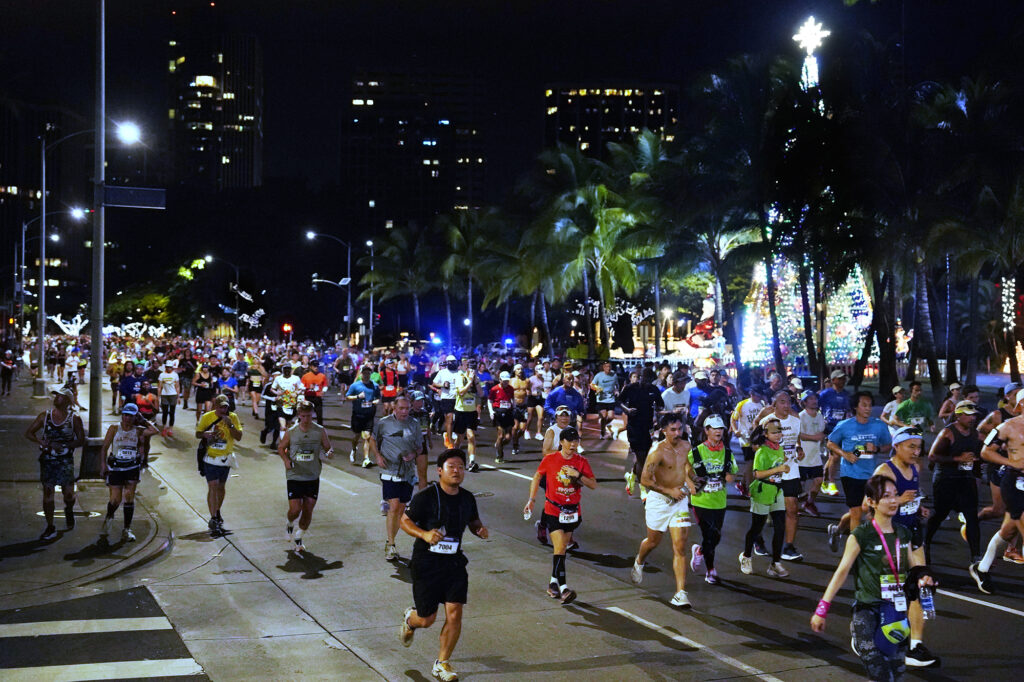
“We’re continuing to hope that it will get changed,” Eduardo Hernandez, advocacy director of the Hawaiʻi Bicycling League, said. “Because it could affect the most number of people if it happened on Oʻahu.”
Why The Bill Excludes Honolulu
The first version of HB 1260 included all counties and was supported by the state transportation and health departments.
Rep. Darius Kila, chair of the House Transportation Committee, amended the bill last month after fellow Westside lawmaker Chris Muraoka said he didn’t like the idea of blocking cars from driving on roads.
The bill currently excludes counties with a population greater than 250,000 people, restricting the bill from covering Honolulu. Each county would submit plans to the state by the end of this year detailing locations, schedules, costs and proposed activities and amenities.
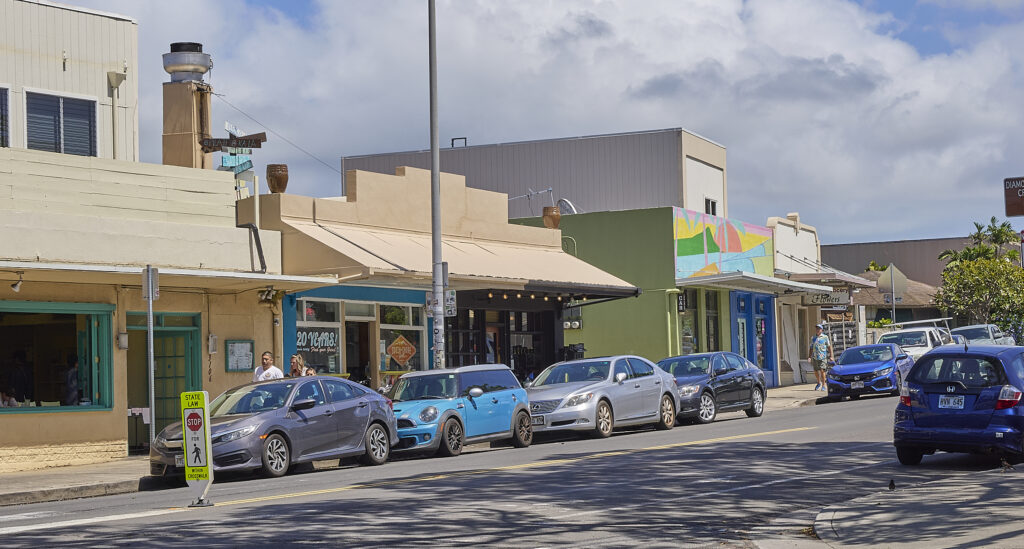
Kila said he thinks measures like Summer Streets are impactful because they get people out of their households and into the community, where they can also patronize local businesses.
While he likes the Summer Streets idea for neighbor island communities like Līhuʻe on Kauaʻi, he worries the pilot program could shut down crucial roads in his district.
“If something like Summer Streets pilot is passed out of committee for an area that I represent like Nānākuli,” Kila said, “and they hear this idea of shutting down roadways when we do not have the privilege of accessible routes in and out of the Waiʻanae Coast — that is a concern.”
As a compromise, Transportation Committee Vice Chair Tina Grandinetti introduced a resolution encouraging Honolulu’s Department of Transportation Services to implement its own Summer Streets program in urban Honolulu and other areas that want it.
What Summer Streets Could Look Like
People often associate street closures with disruption, said Abbey Seitz, director of transportation equity for Hawaiʻi Appleseed. Frequent closures of Waikīkī’s Kalākaua Avenue for street festivals and parades, for example, were disruptive enough that the City Council recently limited the number of closures allowed each year.
But Seitz thinks the Summer Streets program can focus on quiet side streets rather than thoroughfares like Farrington Highway, the sole access route up and down the Waiʻanae Coast. That would be better for minimizing potential conflicts with motor vehicles anyway, she said, which is the entire point of the program.

“A lot of people don’t bike – or even for that matter, walk – because they don’t feel safe doing so,” Seitz said.
That contributes to only about a quarter of Hawaiʻi residents meeting federal guidelines for physical activity, the Department of Health wrote in its supportive testimony.
“Safe, accessible, and walkable communities encourage physical activity and can promote better health outcomes in communities whose populations are at greater risk for serious chronic diseases and conditions such as obesity, heart disease, and diabetes,” the testimony states, adding that under-resourced communities often lack safe and accessible places for people to gather and be active.
Since 2022, the department has partnered with Kauaʻi County and the Hawaiʻi Public Health Institute to launch Play Streets Kauaʻi, a program like Summer Streets that’s geared towards kids and families with basketball hoops and relay race events set up in the street.
Play Streets is targeted to keiki, Seitz said, but Summer Streets in other areas could look different depending on who is involved and what the physical environment looks like.
Hernandez, from the Hawaiʻi Bicycling League, said another Summer Streets location could be an almost three-mile stretch of the Kaiwi State Scenic Shoreline between Hanauma Bay and Sandy Beach.
“People could really see what an amazing road we have when you don’t have to be enclosed in a car and fighting traffic,” he said.

In 2020, then-Mayor of Honolulu Kirk Caldwell closed Waikīkī’s Kalākaua Avenue to car traffic for a few Sunday mornings, attracting families who took advantage of the extra space during the Covid-19 pandemic.
This occurred without any requirement from the state, but Seitz said she hopes Honolulu is added back to the bill anyway.
“Most of the power is concentrated at the state Legislature, and so this would probably give the biggest weight on carrying that out,” she said.
The Senate, which is scheduled to take up the bill Tuesday afternoon, can still add Honolulu back to the Summer Streets bill. A now-dead companion bill introduced in the Senate earlier this session included Honolulu.