Honolulu Rail Board Approves Settlement In Major Land Acquisition Lawsuit
The Kakaʻako developer sought more than $200 million, arguing land taken for rail interfered with its plans for a high-rise condominium project.
The Honolulu rail board voted unanimously Friday to settle a protracted legal battle with developer Howard Hughes Corp., a legal dispute that has already cost the city tens of millions of dollars in legal fees and costs.
But Honolulu Authority for Rapid Transportation board members declined to say how much the city will pay to finally settle the lawsuit with Howard Hughes’ local subsidiary Victoria Ward Ltd.
The cost of the settlement to city taxpayers will be made public later once it has been approved in court, board members said.
The Dallas-based developer Howard Hughes wanted compensation totaling more than $200 million for 2 acres of land between Cooke and Kamakee streets, land that HART has been trying to acquire to extend the elevated rail line beyond the current rail terminus near South and Halekauwila streets in Kakaʻako.
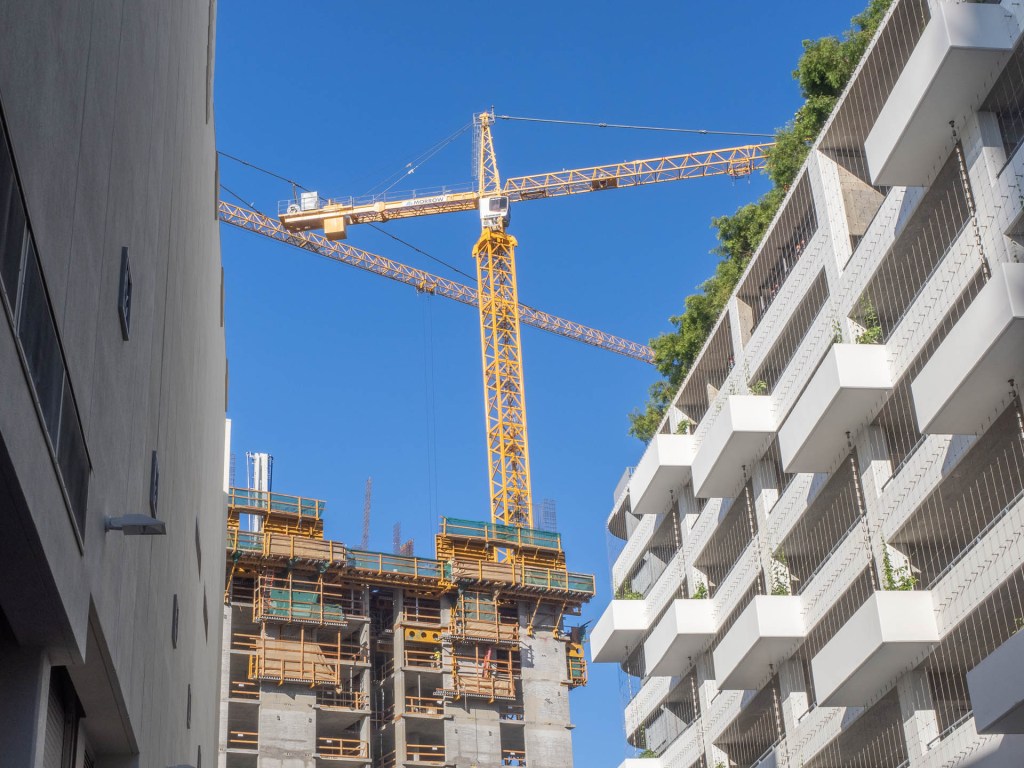
HART does not have enough money at the moment to build beyond that terminus because cost overruns on the $10 billion project forced the city to end the line in Kakaʻako. But board members say they are determined to eventually extend rail to Ala Moana Center as the city had planned when rail construction began in 2011.
HART’s appraisals suggested the strip of land HART sought through Ward Village was worth $13.5 million. But Victoria Ward sued HART in 2018, alleging a rail station planned for part of that land would prevent the developer from building a 400-foot condo tower on the same spot.
The lawsuit over the dispute was appealed to the Hawaiʻi Supreme Court and then sent back to Circuit Court in 2023 for trial, and HART Chair Colleen Hanabusa said the case then entered mediation.
“The settlement has been reached,” she said. “I personally believe it is a very good settlement for HART.” The board then voted unanimously to approve the agreement.
Board member Natalie Iwasa questioned when the amount of the settlement will be made public, and Deputy Corporation Counsel Dan Gluck said the settlement document including the cost to the city will be open to the public once it is finalized.
On Friday, the board also mulled some puzzling rail accounting discrepancies that amount to about $200 million.
HART staff told the board that an accounting discrepancy will reduce the size of the cash surplus HART expects to have on hand when rail construction is completed in 2031. As of last month HART was estimating that cash surplus would be $370 million.
HART CEO Lori Kahikina told the board the accounting issue could also affect the cash flow for the rail project.
Corey Ellis, director of project controls for HART, said HART discovered through city records that some spending that was treated as rail expenses are not actually part of the project scope as defined by the federal government.

That includes some land acquisition and early engineering work done for the project by a company called InfraConsult, Kahikina said, as well as environmental studies. Much of that work was paid for by the city Department of Transportation Services before HART was created.
Some of those do not count as rail project expenses as the federal government defines them because they pre-date preliminary engineering and the full-funding grant agreement signed between the city and the Federal Transit Administration in 2012. That agreement essentially marks the beginning of the expenses for the rail project as as the federal government defines them.
Those misplaced expenses need to be moved to another line item for accounting purposes, Ellis said. The agency is “going through all of our past expenditures and kind of reallocating those line items back to their proper place,” he said.
“It will affect our financial plan and we will need the board to re-approve the finances because right now, things are not matching,” Kahikina said.
“I’m not sure I totally understand the ramifications yet,” said Roger Morton, a HART board member who is also director of the city transportation services department. “I guess after its all been done that will become more apparent to all of us.”
Kahikina predicted there will be “about a $200 million impact” on HART’s finances, and said she said she hopes the process of reallocating expenses will be finished by April.