Shootz! Our Many Connections To Water, Behind The Scenes At Our Capitol
From ancient traditions to modern innovations, Civil Beat photographers scoured Oʻahu this week to bring you unique insights into life here in Hawaiʻi.
From ancient traditions to modern innovations, Civil Beat photographers scoured Oʻahu this week to bring you unique insights into life here in Hawaiʻi.
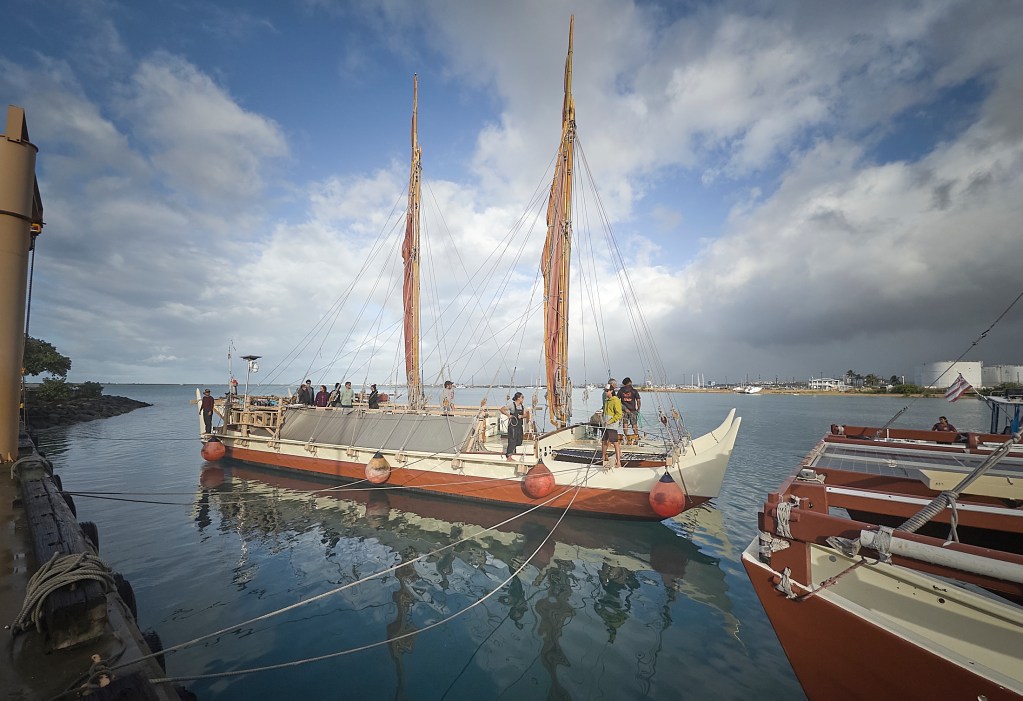
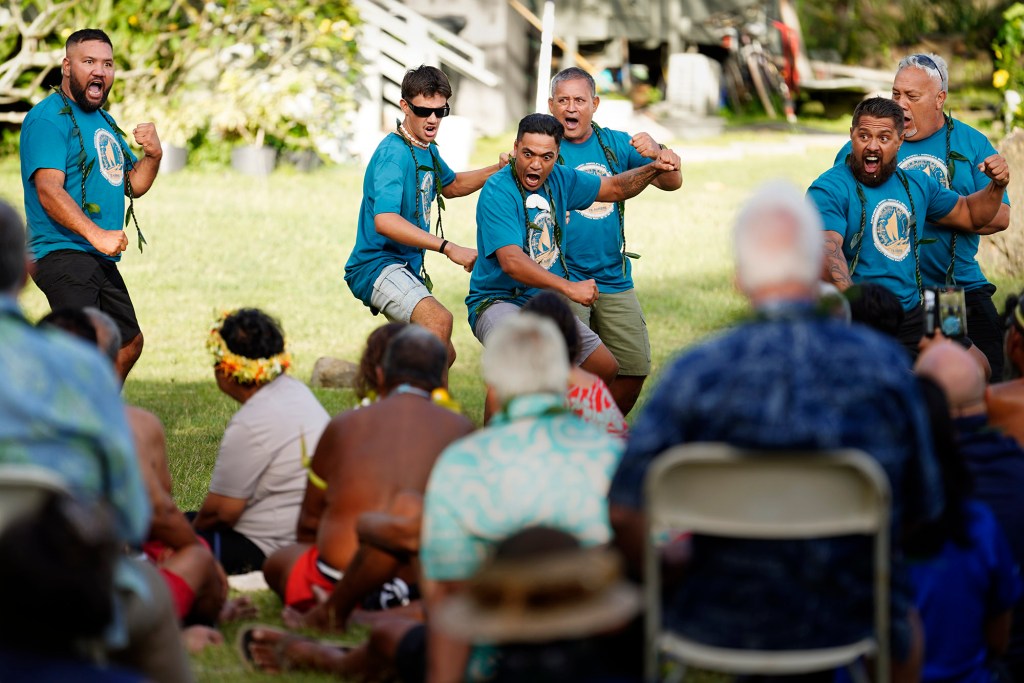
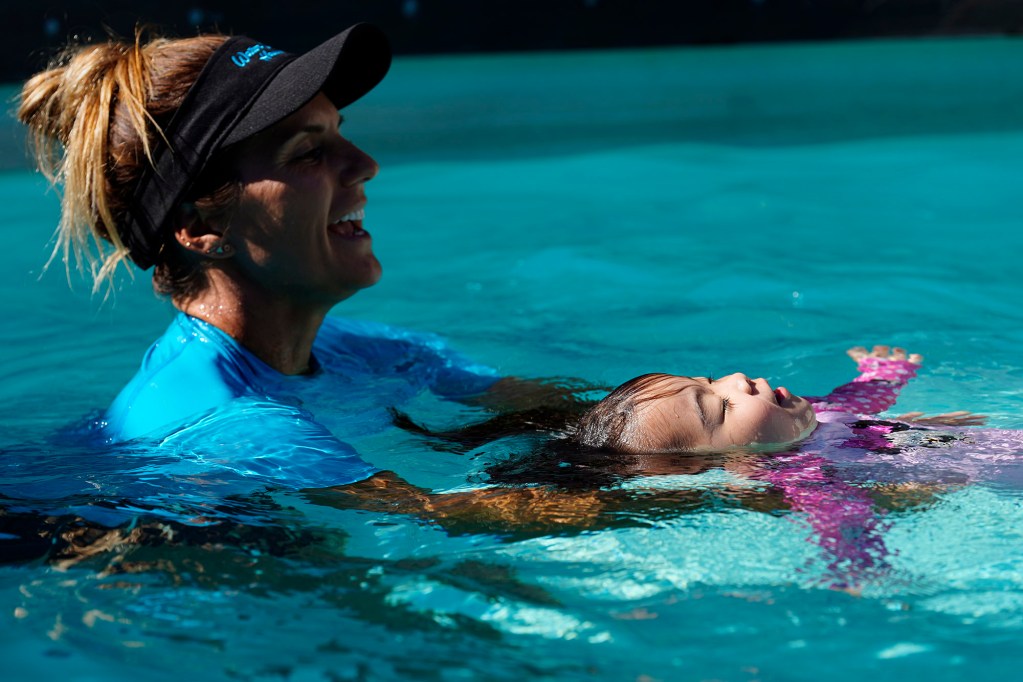
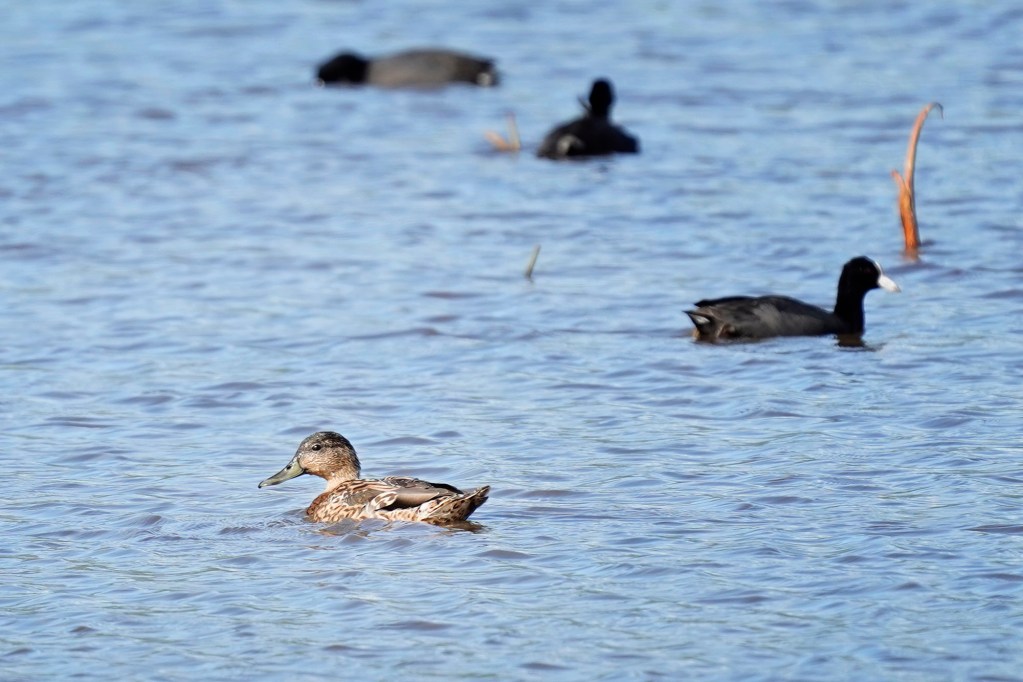
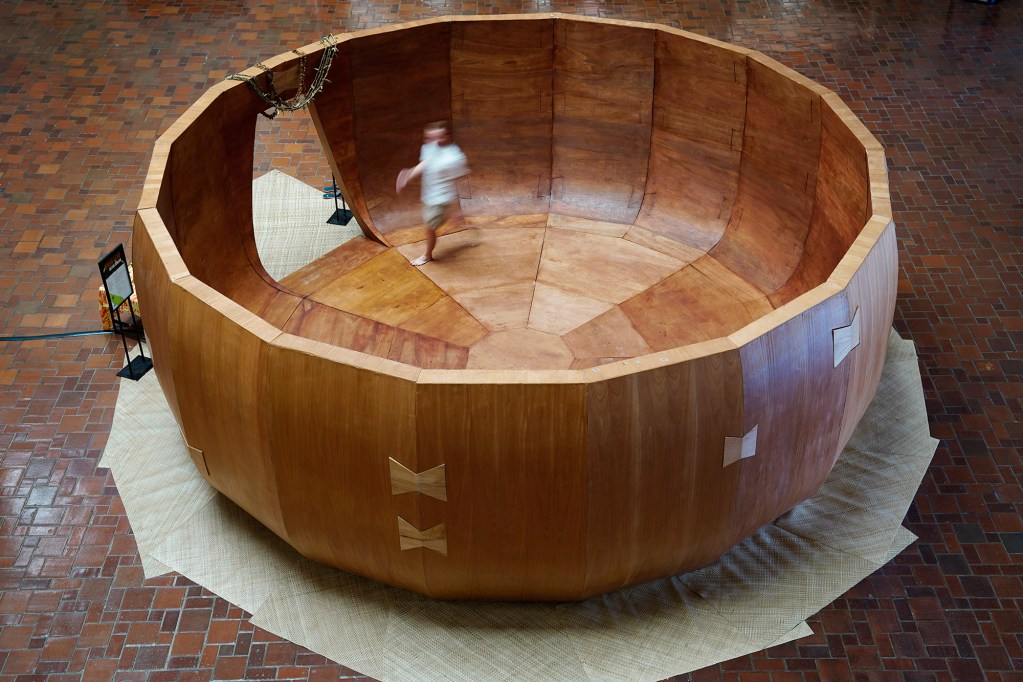
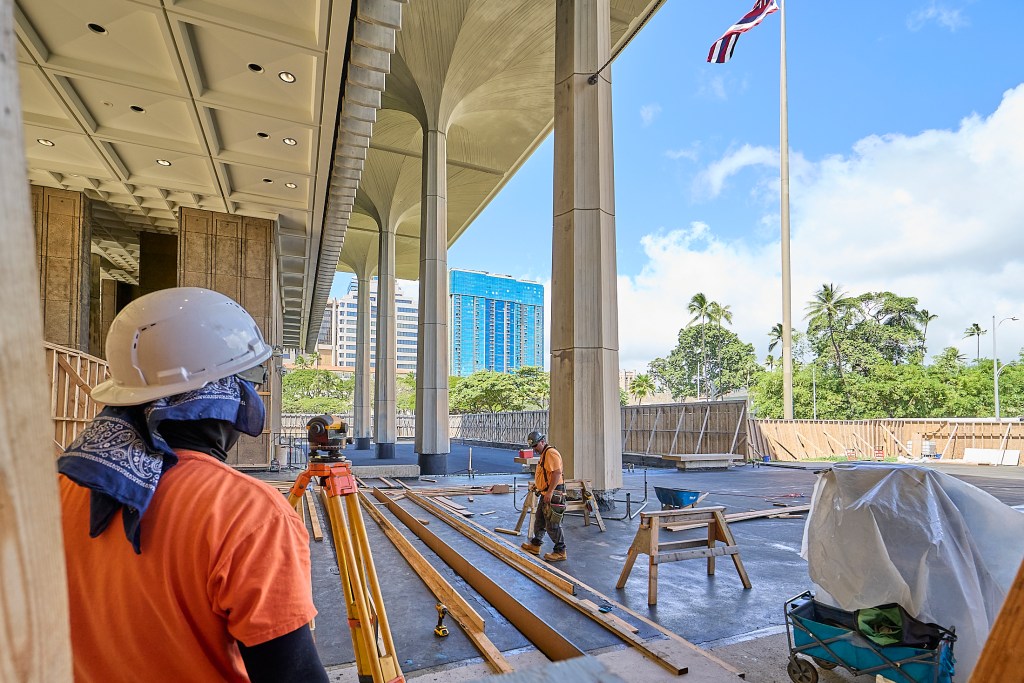
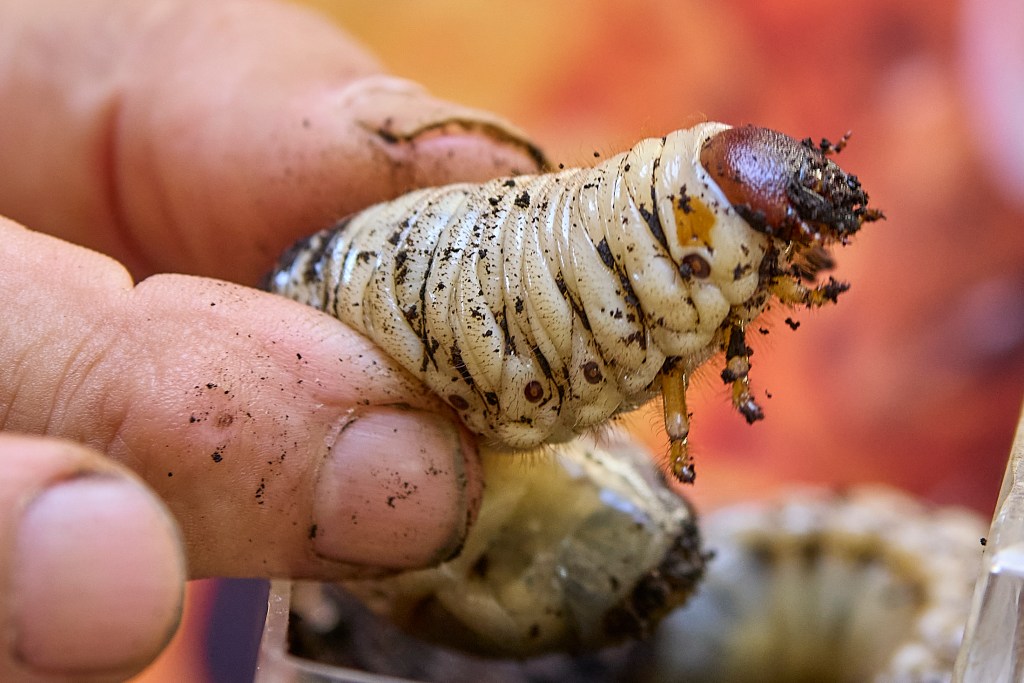
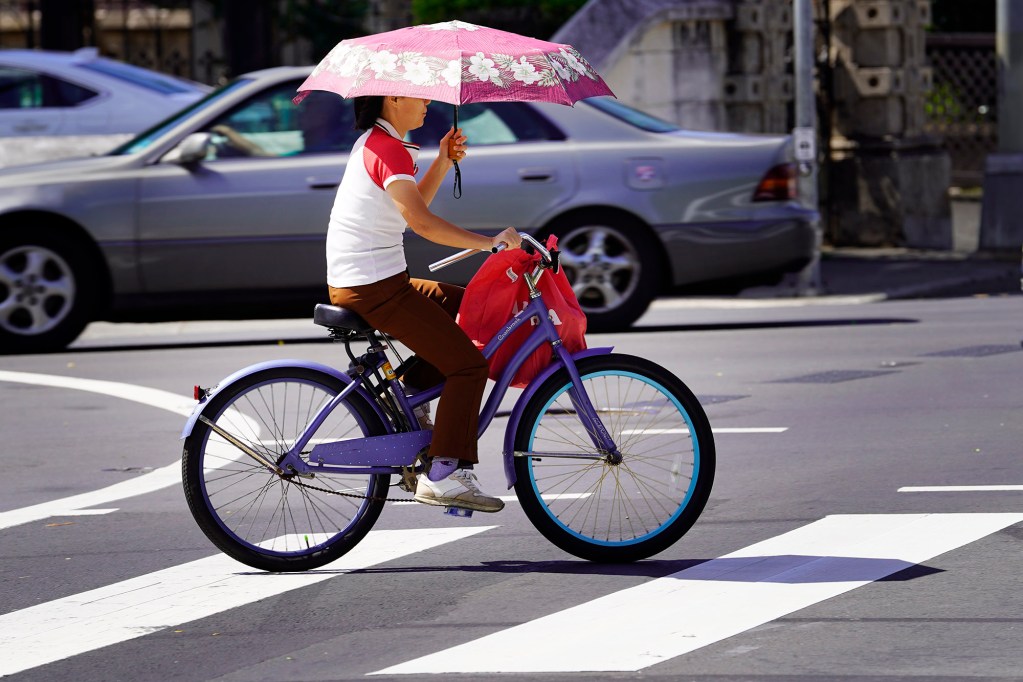
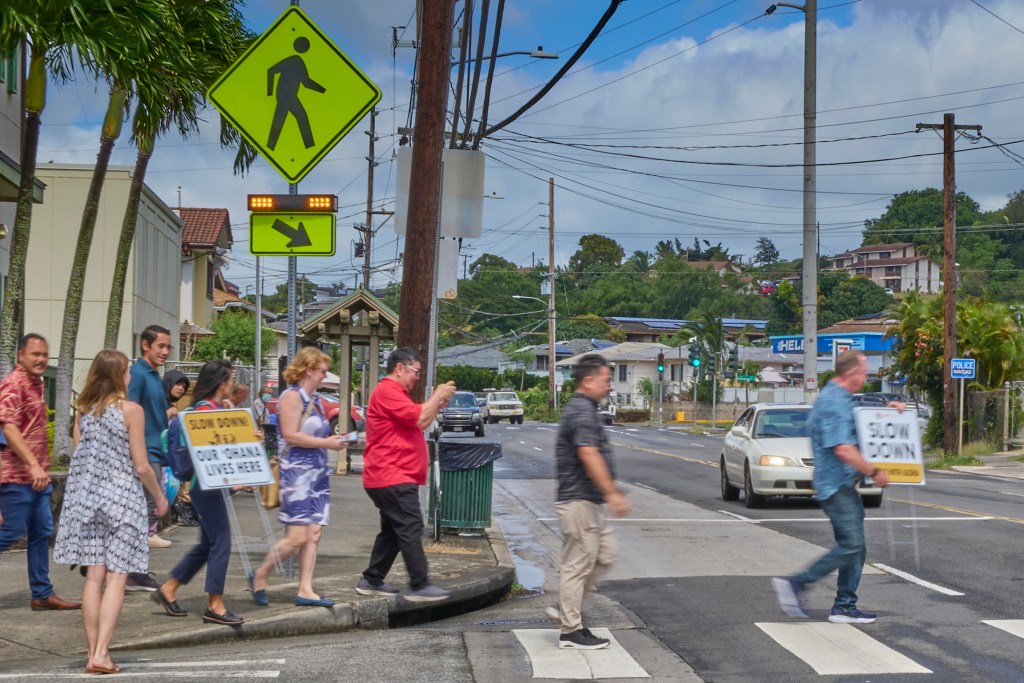
The Hōkūle’a voyaging canoe departs the Marine Education Training Center dock on Friday, heading for its birthplace and 50th celebration at Kualoa Beach Park. (David Croxford/Civil Beat/2025)Native Hawaiian navigator and the president of the Polynesian Voyaging Society, Nainoa Thompson, center, honors former University of Hawai’i president David Lassner, left, and Department of Education Superintendent Keith Hiyashi, right, during a ceremony of recognition Thursday for their contributions over the years to education. The private ceremony, called Ke Kahua o Hōkūle’a, or The Foundation of Hōkūleʻa, honored dozens of past sailing captains, navigators and other key figures in the iconic voyaging canoe’s 50-year history. (Kevin Fujii/Civil Beat/2025)Aotearoa crew members from New Zealand perform a haka during their introduction at the Polynesian Voyaging Society’s Ke Kahua o Hōkūle‘a. (Kevin Fujii/Civil Beat/2025)Audrey Harrer works with Kira Kawaoka, 3, to practice floating on her back in Waipahu. Water safety is paramount when living on an island. (Kevin Fujii/Civil Beat/2025)Two Fairy Terns (Manu o Kū) circle the trees in Thomas Park, perhaps looking for nesting or resting places. The birds do not build nests but instead lay their eggs in the crooks of trees, attracting ornithologists from around the world to observe their habitat and in urban and suburban areas of Honolulu, from Hawai’i Kai to Ford Island. Mayor Mufi Hannemann designated it the Official Bird of the City and County of Honolulu in 2007. (David Croxford/Civil Beat/2025)An endangered Koloa maoli (Hawaiian duck) swims with ‘alae ke’oke’o (endangered Hawaiian coot) at the Hanalei National Wildlife Refuge. (Kevin Fujii/Civil Beat/2025)The Senate voted on more than 150 bills Tuesday in an eerily quiet building. Out of the 3,000 bills introduced by both houses at the beginning of session in January, at crossover this week the House has sent 375 bills to the Senate and the Senate has sent 390 bills to the House for consideration. (David Croxford/Civil Beat/2025)This ‘Umeke Lā’au sits in Honolulu Hale’s foyer. This space at City Hall is set aside as cultural medicine to “offer pule, meditation and conversations involving healing and repair,” according to a sign at its entrance (Kevin Fujii/Civil Beat/2025)Lei adorn the entrance to Honolulu City Hall’s ‘Umeke Lā’au. (Kevin Fujii/Civil Beat/2025)Have you been wondering what’s been going on behind the construction fence surrounding the Hawaii State Capitol? The building is not only undergoing repairs but needs far more than what is now underway, up to $100M more. Here’s what’s happening where the reflecting pools used to be. (David Croxford/Civil Beat/2025)The Capitol’s reflecting pools, a major architectural feature of the building, are being replaced as part of a $63.1 million project to resolve longstanding problems with leaks into the offices and parking facility below. (David Croxford/Civil Beat/2025)Advocates for the eradication of invasive species like the Coconut Rhinoceros Beetle bought live larva to their press conference at the Hawaii State Legislature on Thursday. (David Croxford/Civil Beat/2025)A bicycle rider manages an umbrella while riding on the South King Street bike path in Honolulu. (Kevin Fujii/Civil Beat/2025)City and County of Honolulu leaders gather at the intersection of North School and Ahonui streets to demonstrate a new solar-powered flashing pedestrian warning sign in Kalihi. (David Croxford/Civil Beat/2025)
Sign up for our FREE morning newsletter and face each day more informed.
Help power essential news and information
As a local newsroom, Civil Beat has a unique public service role in times of need. Your support ensures that we can pivot when emergencies arise and get vital information out to everyone, from all communities.
Support timely and accurate breaking news stories as well as impactful coverage across the state. Donate today.







 Sign up for our FREE morning newsletter and face each day more informed.