

Hawaiʻi’s Parks Are Strained. Should DOE Open Campuses To Help?
With limited space at city parks, communities are calling for the education department to make schools more accessible for recreational use.
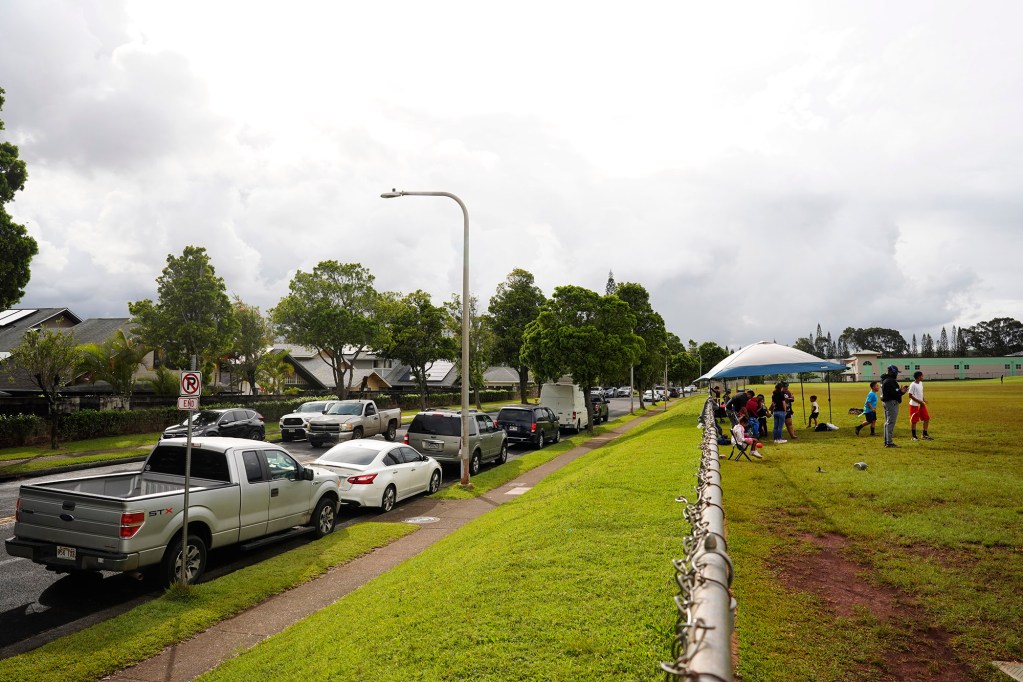
Ronlynn Arce typically starts her Sunday at 4:30 a.m. at Mililani Mauka Community Park — more than three hours before her kids’ flag football games begin. The park requires all visitors to find street parking, and space is scarce as dozens of teams gather on the weekends for games.
“Parking is pretty hectic,” Arce said.
Nine years ago, the city and state seemed to find a solution. Nearby Mililani Middle School was looking to expand its campus and build a parking lot using an acre of the park’s land. The city approved the expansion, with the condition that park users could access the school’s parking lot once it was completed.
But residents say they have yet to benefit from the agreement.
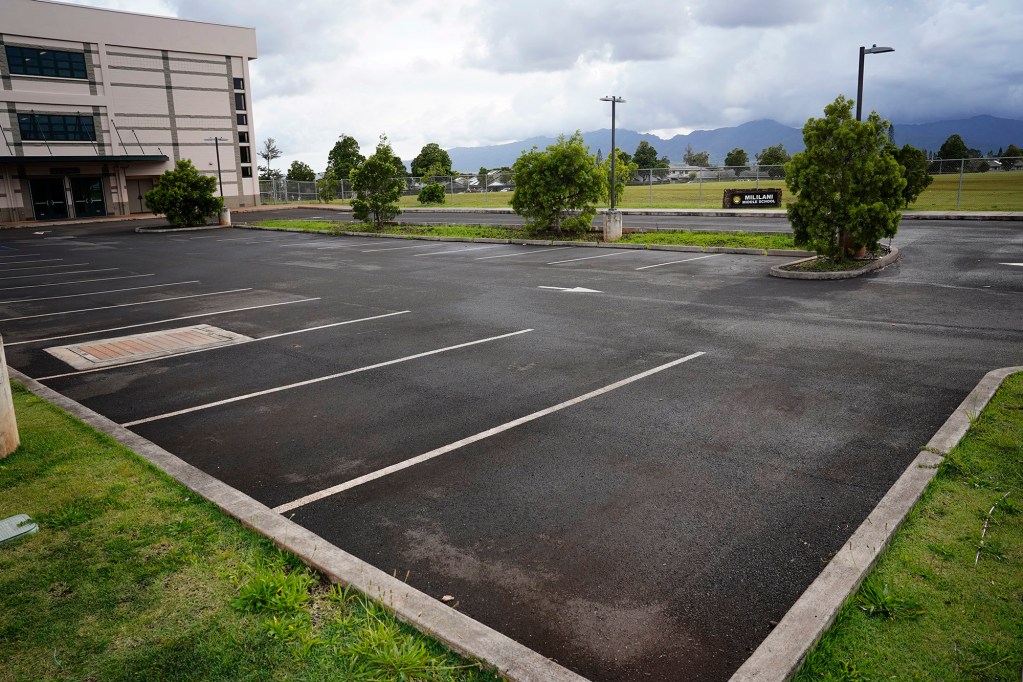
Although the school finished construction in 2022, it has never left the parking lot gates open to the neighborhood, said Dean Hazama, chair of Mililani Mauka’s neighborhood board.
“It goes against the entire concept of what this was about,” Hazama said.
Park users and community organizations can gain access to the lot by submitting a formal request to the school, education department spokesperson Derek Inoshita said in an emailed statement. Mililani Middle has approved less than a dozen requests for its facilities since 2023.
That’s not the kind of access the neighborhood board expected, Hazama said. It’s also less than what the parks department has asked for: public use on weekday afternoons and weekends.
The state and city are working on a formal agreement on public lot access, but there’s no estimate on when a deal will be reached, parks department spokesperson Nathan Serota said in an emailed statement. Mililani Middle School Principal Shannon Tamashiro did not respond to requests for comment.
The struggle over access to the school parking lot comes amid an ongoing push by lawmakers for the Department of Education to increase public access to school facilities islandwide.
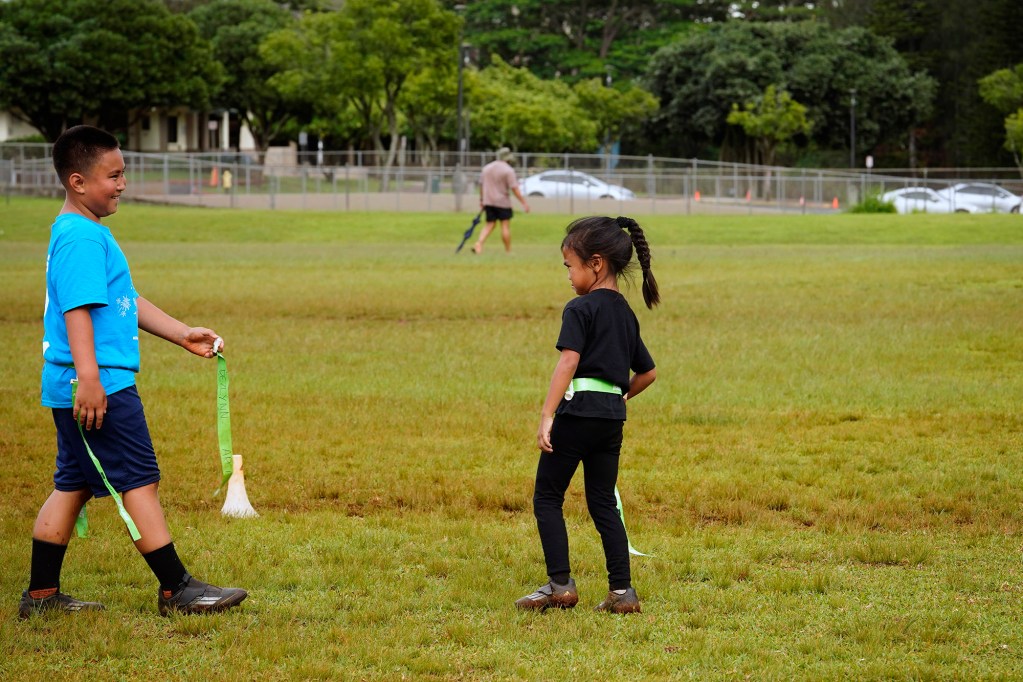
City parks have faced growing demand from the public in recent years, making it more difficult for residents to find open space for sports practices or recreation. Schools have also come to rely on public parks and other facilities for sports practices or evacuation drills, with the education department holding 560 events on county land last year.
Now, some lawmakers want the education department to shoulder more of the public’s demand by making facilities like school gyms or sports fields easily accessible to the community. But school leaders have pushed back, arguing that loosening restrictions and opening up campuses to the public creates more security and liability concerns, like increased risks of vandalism.
“There’s all these different issues when you just open it up to the public with no restrictions,” former DOE Deputy Superintendent Dean Uchida said in a legislative hearing last month.
A Piecemeal Process
To use DOE facilities, sports teams and other organizations must complete a standardized form, with principals responsible for vetting and approving the requests. Schools may charge users hourly or daily fees to use facilities and can require groups to hire security for large events.
Hourly rates can range from $2 for a parking lot to $232 for an air-conditioned auditorium, according to a DOE fee schedule. If an event requires custodians, renters are also responsible for covering overtime pay.
The department also requires applicants to sign an indemnification statement releasing schools from responsibility for injuries or accidents and have liability insurance covering at least $1 million in aggregate claims, according to the online form.
Inoshita said the department has received an average of 338 requests a month for the use of public school facilities since 2023.
But the application process and fees can put facilities out of reach for some groups.
A lawsuit filed last year alleged that the department lacked consistent practices for vetting requests. In one case, a dozen schools allowed a Christian organization to hold after-school meetings on their campuses, while others denied the group access to their facilities.
Honolulu City Council Member Esther Kiaʻāina said without a centralized process, sports leagues and community organizations have to rely on the good will of a principal to use campus facilities, making it difficult to ensure fair access to schools.
In Kailua, athletic leagues and other community groups are constantly competing for space in the public parks, Kailua Neighborhood Board member Evan Weber said. Opening more school campuses for youth sports would help address some of the demand, Weber said, although he also acknowledged that DOE may need additional funds and resources to maintain their fields with more frequent usage.
“If this is a shared space, what’s the shared kuleana?” Weber said.
In some cases, even marginal fees can deter smaller organizations from using school facilities.
Frances Sawai, who serves as a coordinator for a youth soccer league in Kāneʻohe, said her nonprofit organization relies on volunteer coaches and tries to keep participation fees low for families. When Sawai applied a few years ago to use school fields to host practices and games, DOE estimated it would cost $1,600 to use the space for the three-month season.
“For us, we’re not talking a little amount,” Sawai said, adding that the league now uses city parks to practice for free but has limited space to accommodate four to six teams at a time.

Other community groups say the process of establishing relationships with schools and paying for facilities is worthwhile.
Eight out of Honolulu’s 36 neighborhood boards hold their monthly meetings at schools and pay $50 to $150 a night to use the space, said Lloyd Yonenaka, executive secretary of Honolulu’s Neighborhood Commission Office.
Derek Minakami, principal at Kāneʻohe Elementary, said he receives at least two or three requests a week from the public asking to use the campus field or cafeteria. The school hosts community organizations on campus almost every day, he said, but smaller schools may not be able to accommodate similar requests if they don’t have the staff to open the campus on weekends or clean up after events.
“We’re lucky that we have our own field,” Minikami said, “but it does come with the added kuleana of groups wanting to use it and allowing them to to come onto campus.”
Finding A Balance
Last year, the Honolulu City Council passed a resolution urging the parks department to work with DOE to make more school facilities available for public recreation, but progress remains unclear.
The city faces high demand for its parks, including from DOE sports teams that don’t have practice facilities on campus, parks department director Laura Thielen said in a hearing about the resolution.
While DOE also allows the city to use its campuses for programs such as Summer Fun, she said, it’s important to strengthen this partnership and provide more opportunities for outdoor recreation through schools, especially during the summer when the parks are more crowded.
Since the resolution passed, the parks department has reached out to DOE asking about possible partnerships related to the use of school facilities, Serota said, but has yet to reach any new agreements. The education department did not respond to questions about the resolution.
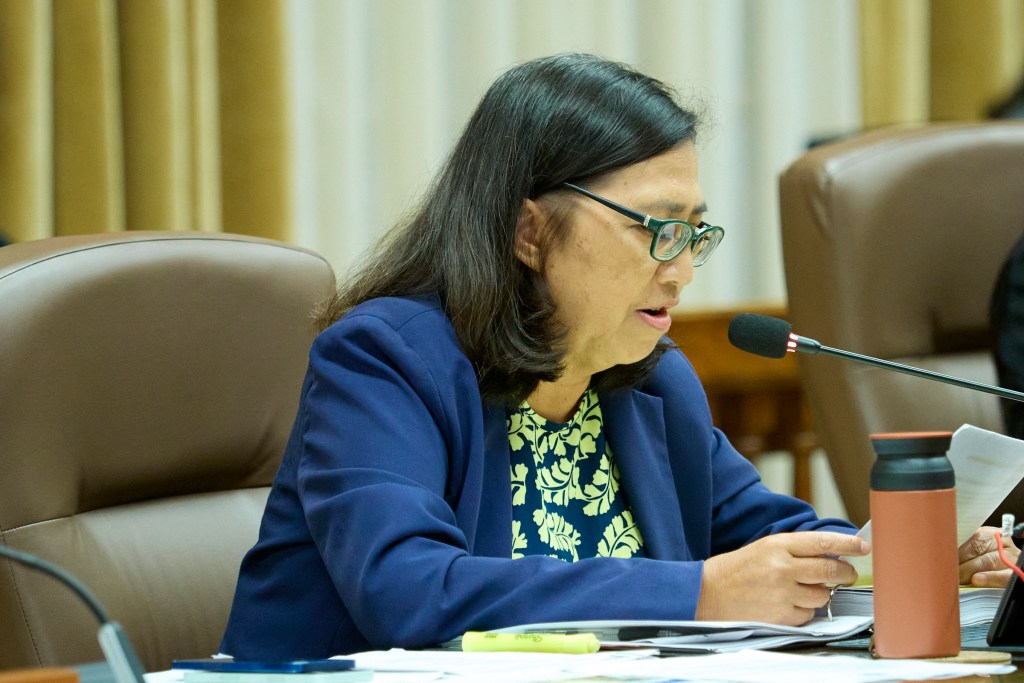
Kiaʻāina, who introduced the resolution, said she hasn’t heard of any initiatives or changes in community access to schools following the measure either. She added that she would like DOE to take a more proactive approach in working with the city and offering facilities for youth sports teams, especially in communities where park space is limited.
“I just don’t feel that there is an aggressive enough approach, given the need,” Kiaʻāina said.
But Uchida from the DOE said in a hearing last month that community organizations, such as sports teams, already can use school facilities by going through the proper channels. He said that having a standardized form to process requests ensures that schools are addressing liability concerns.
It’s difficult to find a solution that balances the desire to expand public access to schools with the need to keep campuses safe, said Kenneth Trump, president of the consulting firm National School Safety and Security Services. Increasing after-school or weekend activities on campus can create more security risks, Trump said, especially if events don’t closely monitor their participants or hire additional security or custodians to patrol the campus.
But schools also want to foster a sense of community ownership and pride by hosting public events, Trump said. It’s a delicate balance, he said, adding that the Hawaiʻi education department is already following many of the best practices when it comes to vetting the public’s use of its facilities and knowing who’s on its campuses at all times.
“It’s not always an equal tradeoff,” Trump said.
State lawmakers attempted to tackle the issue again this year by introducing a similar resolution requesting DOE open recreational facilities for “unrestricted use” outside of the school day. Rep. Trish La Chica, who introduced the resolution, said she hoped Hawaiʻi could develop joint use agreements similar to those adopted by some mainland schools.

In San Diego Unified School District, schools can open up their fields to the public during breaks or on the weekends. In exchange, the city contributes to the maintenance of school fields.
But in a hearing for the Hawaiʻi resolution — which did not pass — DOE said it already has a process allowing groups to request access to its facilities and said that easing restrictions could subject schools to vandalism and more security threats. The Attorney General’s office echoed the department’s concerns, adding that opening up campuses could subject the DOE to additional liability for injuries or accidents that happen outside of the school day.
“Without legal safeguards, these liability and cost issues may make the actions called for by the resolutions a significant risk for legal and financial liability accruing to the State,” the Attorney General’s office said in written testimony.
La Chica said she understands DOE wants to prioritize facilities for school activities and keep campuses safe. But, she said, she would still like to find a way for the community to benefit more from the outdoor spaces available on school campuses and maximize the use of state-funded facilities.
When it comes to Mililani Middle School’s parking lot, La Chica added, DOE needs to follow through with the commitment it made years ago.
“If that was part of the agreement,” she said, “it should have been executed already.”
Civil Beat’s education reporting is supported by a grant from Chamberlin Family Philanthropy.

