On The Run And Undercounted, Homeless Youth Try Hard To Stay Out of Sight
Regulations and a lack of beds make it tough for minors who are homeless to find shelter.

By official counts, just a handful of homeless teens live on the streets of Hawaiʻi. Those who try to help them suggest that’s all wrong, that there are many more — perhaps 150 doing their best not to be counted.
They hide in tents at beach parks. On a friend or stranger’s couch. Far back in the valleys that stretch out of towns.
“Staying deep,” is the term used by one outreach worker, who once lived that life herself.
They arrive at homelessness for reasons ranging from chaos at home to their parents losing their housing.
They may come into sight when the Mobile Crisis Outreach van pulls up. It travels to a different Oʻahu location every other week to offer food — one recent week in ʻEwa Beach, it was Zippy’s chili and mac salad — supplies like clothing and band aids, and conversation.
They may go to school sometimes. But often they don’t. It’s embarrassing to show up in the same outfit days in a row. And you can get turned in.
“I would have gotten caught,” said Honesty Ayala, 18, explaining why she avoided school while homeless on Oʻahu for the better part of three years.
Staying under the radar is generally the goal.
Many want to avoid the foster care system, which is where they fear authorities will take, or return them. They don’t want to get snared in the criminal justice system; in 2023 in Honolulu, 1,038 of the 1,994 juvenile arrests were for running away.
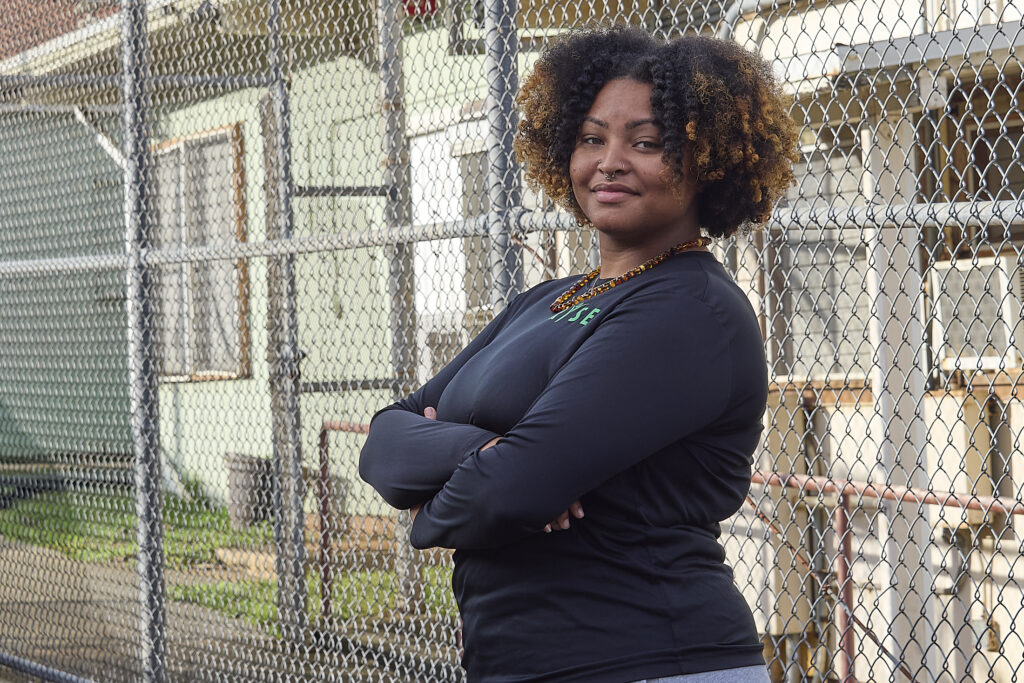
“They’re staying deep so they’re not put in an even worse situation,” said Kylé-Ann Bobo, an outreach case manager at Residential Youth Services and Empowerment, or RYSE.
A web of nonprofits like RYSE are dedicated to trying to catch youth before they fall into homelessness and to pull them out if they do. But regulations that make it impossible in most circumstances to provide shelter to teens without the consent of a parent or guardian — and an extreme shortage of beds set aside for them — contribute to a safety net that is frayed at best.
A bill, House Bill 613, now being negotiated in the Legislature, would allow youth to stay in a shelter for up to 90 days without an adult’s consent. It would also make permanent a pilot program called Safe Spaces to create a network of places — from public buses to convenience stores — where youth in trouble could connect with outreach workers to get what they need, including shelter.
But that shelter is hard to come by.
According to the U.S. Department of Housing and Urban Development, there were nine emergency shelter beds reserved for homeless minors under 18 in all of Hawaiʻi last year, a number that includes slots for children homeless with their families, the majority. In addition, in September 2023, a month after the Maui wildfires, the Hale Pono shelter opened in Wailuku offering 13 emergency beds for youth ages 12 to 19.
Aside from those, for the 339 under age 24 considered homeless and alone in the last point-in-time count in 2024, there were just 80 emergency beds statewide — most quickly snapped up by the older among them who don’t need anyone’s consent to use them.
So the teenagers stay deep, hidden in the company of danger and deprivation.
For three teens who lived on Hawaiʻi’s streets, the experience is recent enough to nip at their heels. And each of them recall a distinct turning point when the cycle of their homelessness began to break.
For Honesty Ayala it was that outreach van.
For Aden Campbell-McAngus, it was a Department of Education counselor.
For Kahekile Alip, it was the prospect of returning to the streets after a short-lived housing situation fell apart.
All three actually express gratitude for what they have gone through, and hope that sharing their journey might help another young person find their way to safety.
Here are their stories.
Honesty Ayala
The outreach van was hard to miss – painted with an Oʻahu landscape of mountains, ocean and hibiscus in bright shades of greens, blues and red.
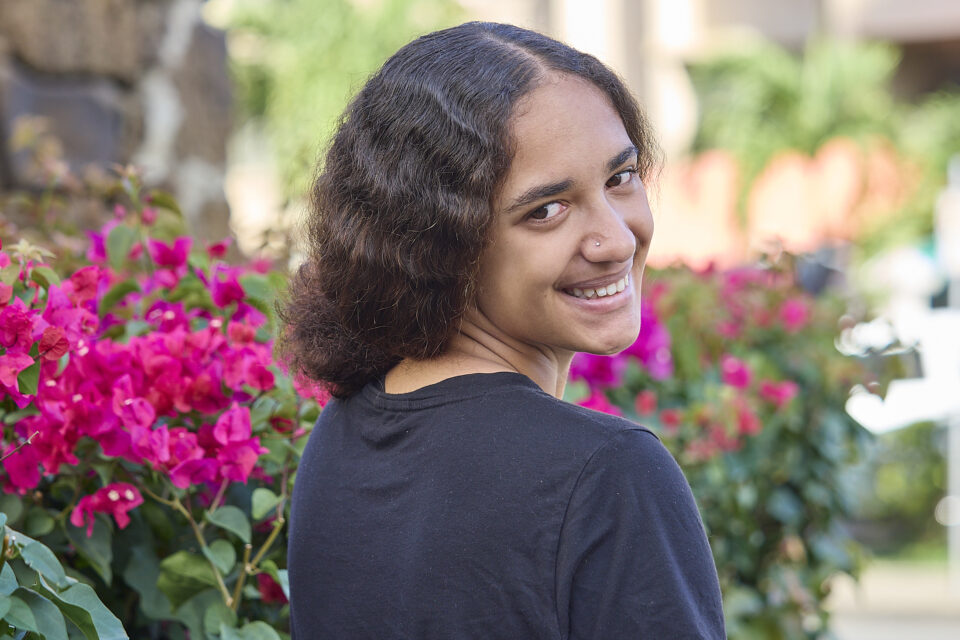
Honesty Ayala stayed away when it pulled up at Ulehawa Beach Park in Waiʻanae, where she lived in a tent with her boyfriend in 2023.
“I got scared,” Ayala said, “I thought they were going to turn me in.”
The van offered services and supplies to homeless youth. But it took several visits before Ayala was willing to approach, reassured by her boyfriend, who knew one of the van’s staffers. She was given a grab bag of toiletries and some food — a military meal ration.
She also took away a small measure of trust in the outreach crew. They were young and many had been homeless themselves.
That was saying a lot for a 17-year-old teenager who had been on and off the streets for nearly three years at that point and barely trusted anyone.
Running And Running
Ayala’s time on the streets had begun after a long string of almost entirely unhappy foster care stints on the Big Island. She’d run away from some. She was removed from others after clashing with her foster families.
At 15, she had ended up on Oʻahu’s North Shore at Pearl Haven, a group home for girls, waiting to be placed with yet another family.
“There was so much drama there,” Ayala said of Pearl Haven.
Other residents fought and she got caught up in that. Many were cutting themselves, which she fell into, too.
Once, she and two other residents were caught trying to escape, which led to a confrontation during which vases were thrown and a car windshield broken. Ayala was hit with a property damage charge that would later play an indirect role in her exit from the streets.
Her main goal at the group home was escape.
She wanted to be back with her family —she’d been taken from them at age nine due to what she termed a “very dysfunctional family life” — but Child Welfare Services wouldn’t allow it.
So she ran from Pearl Haven. And ran. And ran. Occasionally, she’d get picked up and returned. Before long, she would run away again.
She spent a month on the beach in Mokulēʻia, months at the homeless encampment in Waiʻanae. For seven months she lived on a beach in Nānākuli, entangled in an abusive relationship.
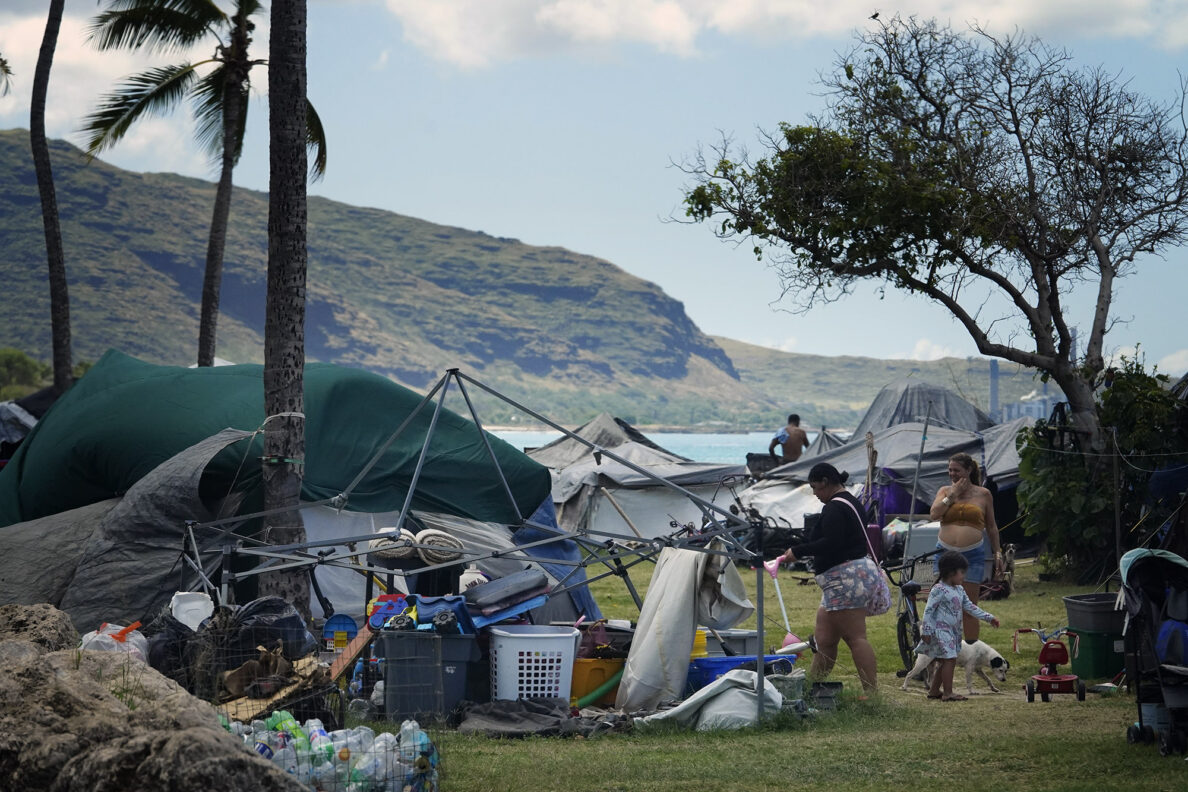
She dodged case workers and police officers. It was, she said, “always running away.”
She turned to methamphetamine “to numb all of the stuff that I went through, to be able to forget all of my past hurts and my trauma.”
The drug helped her survive on the streets, she said.
“Being a young female, there’s people that take advantage of you. Your stuff gets stolen. You have to always be awake,” she said. “The substances help you be awake at night so you can keep track of your stuff.”
A Place To Feel Safe
The outreach van crew didn’t turn her in, as Ayala had feared.
Instead, they listened. They didn’t judge her. If she wanted to, they said, she could ride with them to shower and eat at the Kailua youth drop in center operated by RYSE, one of three nonprofits that led the outreach effort.
She took them up on her offer and found at RYSE a place where she could hang out, let her guard down, chat with counselors, feel safe.
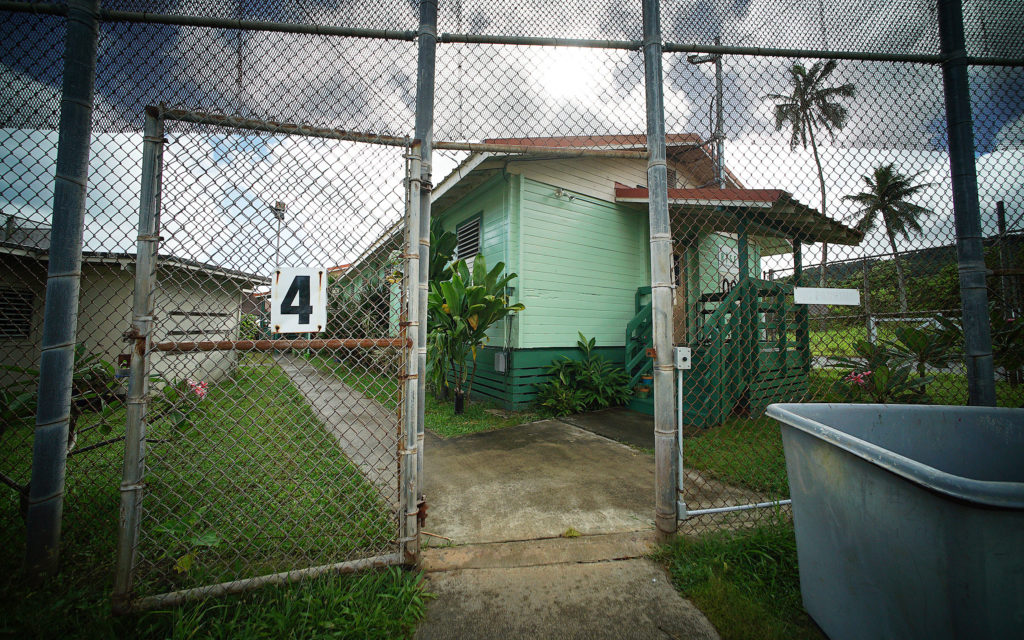
But she couldn’t stay overnight, because the nonprofit can’t offer shelter to minors unaccompanied by parents or guardians, or without their consent. So when 6 p.m. rolled around, Ayala would board a bus back to Nānākuli. It took at least two hours, but what else was she going to do?
Eventually, a RYSE counselor Ayala had grown to trust, and who knew the police had a warrant out for her arrest in connection with the property damage charge, persuaded the teenager to turn herself in. Otherwise, she was told, she faced being charged as an adult if she was picked up.
“They told me if you’re really not comfortable turning yourself in right now, that’s fine,” Ayala said. “But if you do get caught, there are going to be more consequences for you.”
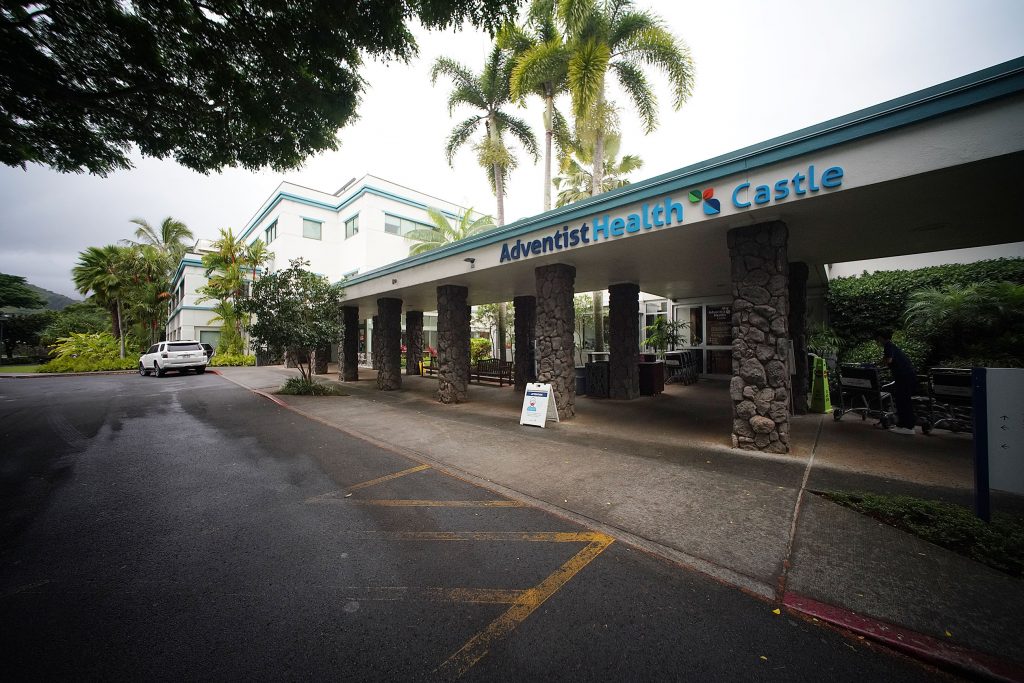
Ayala turned herself in to police at Adventist Health Castle hospital in Kailua. In consultation with Child Welfare Services social workers, they agreed she could stay at RYSE one night. The next day, a social worker accompanied Ayala back to the Big Island.
Her reentry was bumpy. It took two false starts before Ayala, to her surprise and relief, ended up with a foster family she got along with. She was placed in a classroom by herself with an online curriculum that she could work through at her own pace. She took to it — “I just stayed focused and took my teacher’s encouragement,” she said — and graduated last May.
Her foster family threw her a party, said Ayala. “It was one of the best memories ever.”
“I had no say in anything in my life. It was always, ‘Honesty do this. Honesty do that.’”
The day she turned 18, in June, she flew back to Oʻahu and reconnected with RYSE. She was finally able to stay at the agency’s shelter. And there she found her footing.
Today, she has her own apartment in town, a job as a dishwasher at a Kailua restaurant, a better relationship with her parents and she goes to therapy just once a week. She dreams of being a social worker able to bring something to the child welfare system that she didn’t find.
“No social worker in the system understands what a child goes through on a daily basis, they’re not the ones in the child’s shoes hopping from home to home or program to program,” Ayala said. “I had no say in anything in my life. It was always, ‘Honesty do this. Honesty do that.’
“That’s what causes a lot of kids in the system to retaliate and run. Just like me.”
Aden Campbell-McAngus
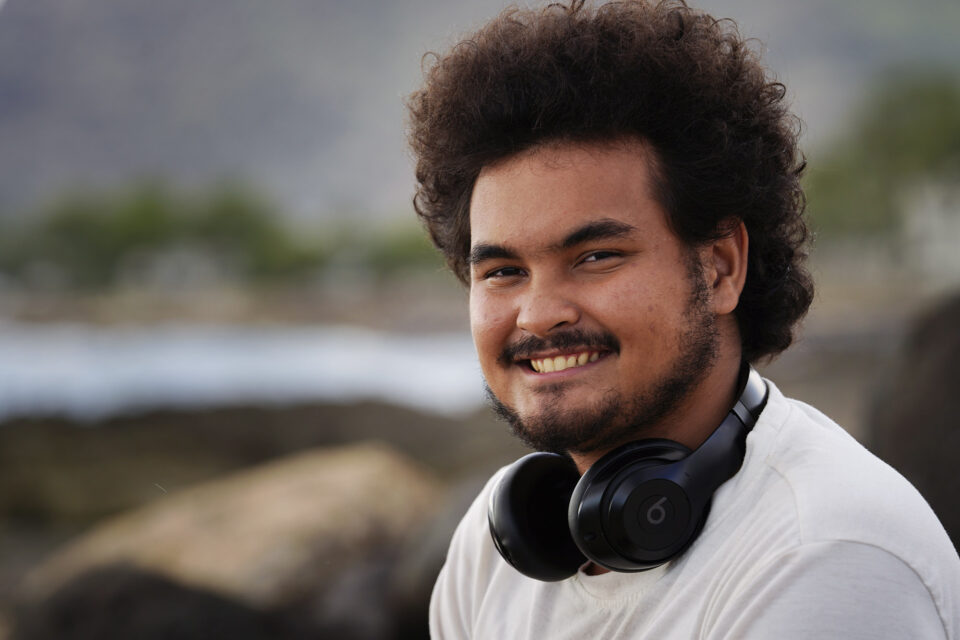
Aden Campbell-McAngus knew only that the caseworker’s name was Donna. He didn’t know who sent her or, at first, what she wanted.
He was in summer school when she found him. Supposedly, he was to start ninth grade in a few months. He had no idea how that was going to happen, his life being what it was as a homeless teenager who had spent years flitting in and out of school, always on the edge of things.
So he didn’t know what to make of Donna initially, of the questions she was asking about his life, his family, his circumstances.
“I wouldn’t tell her the actual truth of it all, because I didn’t want anything happening to me or my mother,” he said. “But she started to grow on me and instead of fighting it, I did really notice that I did need her help with certain things. It took time.”
She helped him register at Waiʻanae High School. She brought him food, notebooks and pens for class, toothpaste, soap and shampoo. She got him a bus pass. He’s 18 now and hasn’t seen Donna in well over a year. But he’s still grateful to her.
“It felt like I could depend on someone for once,” he said. “Made me feel special, but not in a bad way.”
Alone In The Tent
Living in an RV with his mother along the historic shoreline train tracks in Nānākuli is one of Campbell-McAngus’s earliest memories. He was about four at the time.
He formed more childhood memories while homeless with his mother in Chinatown and in Thomas Square. He can recall being told to stay put while she went out, and staring at the tent ceiling, fear growing inside him.
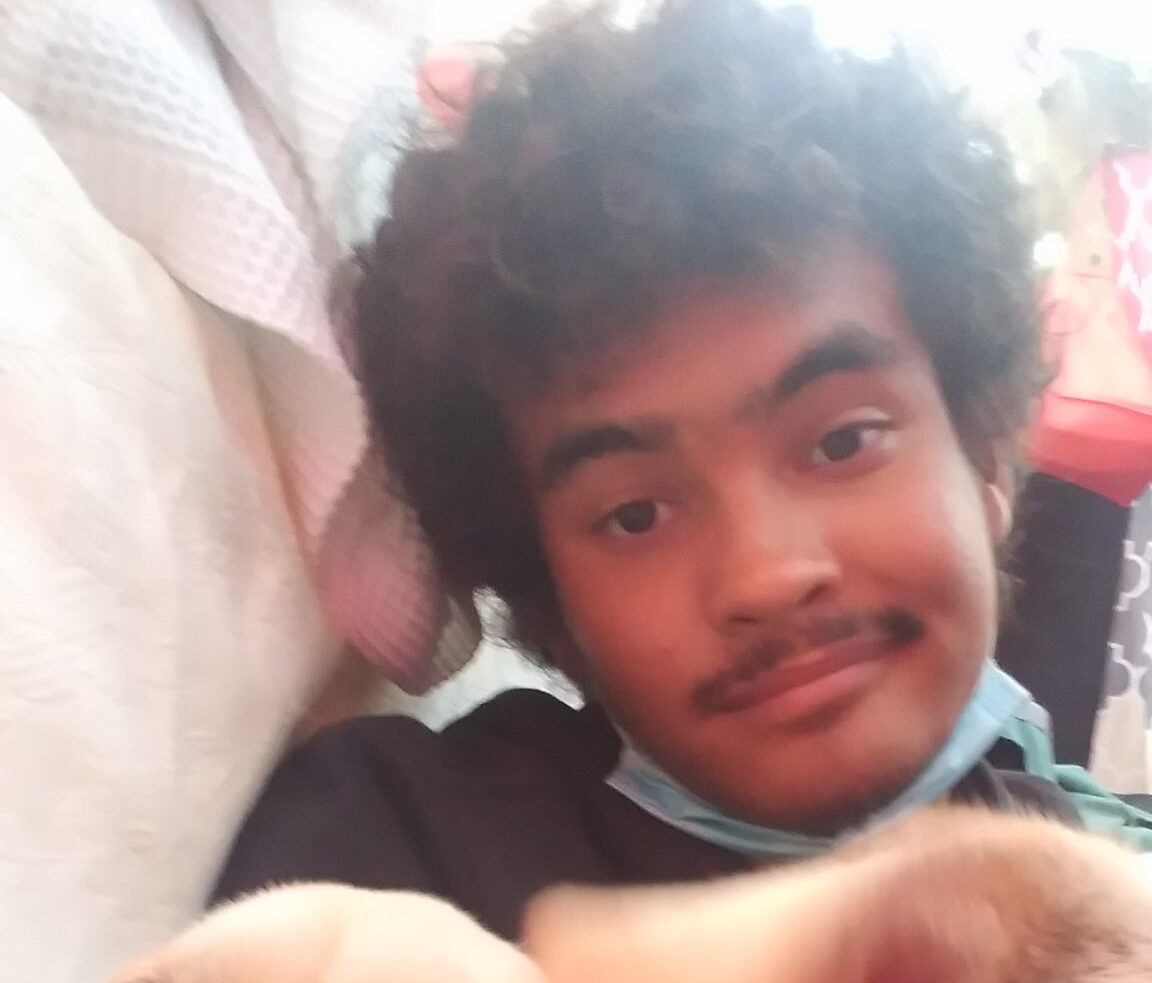
They lived on beaches on Oʻahu’s Westside. Sometimes they ended up in shelters or transitional housing, but never for long. Every so often, he’d stay with other family members for as long as they’d have him, which often also was not for long.
Other times, he was on his own. He formed more memories that would be notable only for how unremarkable they are except they still prick him with shame.
“I remember being in my tent on the beach and somebody came up to me asking me to move,” he said. “That was very embarrassing.”
He couchsurfed at friends’ homes, which he sought out “to try and experience family that I never had,” he said. “And just not to have to live homeless with my mom on the beach.”
Once he stayed with a friend for three months, before he got kicked out for creating drama that he said involved faking a kidnapping. A second time lasted for four months, before he again got kicked out.

‘Bits And Pieces’
On an afternoon in early March this year, Campbell-McAngus took a break from a culinary arts assignment – preparing butternut squash bisque and kimchi jjigae for a senior dinner – to talk about the more than a decade of homelessness he lived through and where it has left him.
He feels disjointed, he said, something of a mystery to himself.
“Most researchers, they would say that part of who you are is where you’re from and where you grew up,” he said. “Since I never had that … I feel like I’m bits and pieces of everybody I ever came across and took their principles and morals. I don’t feel like myself.”
He enjoys his culinary class — although he actually wants to be a veterinarian “because growing up animals were the only thing I truly felt comfortable around.” He is also taking five Leeward Community College classes, among them anthropology, speech and English, along with his high school courses. He’s ambitious and at the same time feels judged.

“I sometimes do feel an alienation … because I didn’t go to school a lot,” he said.
Having his soups ready and tip top for the senior dinner is a big deal.
“I feel like everybody in that class underestimates me, and when I fail something, it really gets me, that angry, sad kind of thing,” he said. “So this is even a bigger test of that. If I can’t manage this by myself, I feel like I’m a failure.”
‘Talk Of The School’
Campbell-McAngus is good at school now, but growing up homeless he often avoided it. For one, he said, he would worry about his stuff, where would he store it during the day? And what if people learned he was homeless?
“That pity party with people, I didn’t want that either,” he said. “I didn’t want to be the talk of the school.”
Paradoxically, while he didn’t want to draw attention in school, Campbell-McAngus also wanted to be seen, he said. It just didn’t happen.
“I was waiting for it because people would tell me, ‘You know, if you don’t go to school or if your parents don’t do this and that, you know, they’re going to start calling,’” he said. “But somehow, some way, I fell through the system. Nobody ever tried contacting my parents or figuring out what’s happening with this child? So I was really underneath the radar.”
Until the summer Donna found him when he was 13, at Papahana ‘O Kaiona, an alternative education program in Waiʻanae. But while she was able to get him squared away in school, she could only do so much.
“Somehow, some way, I fell through the system.”
Her efforts to help him and his mother find housing were unsuccessful, Campbell-McAngus said, and they still struggled along: in and out of housing. Back and forth on the beach.
By his sophomore year, he was desperate.
He’d been kicked out of the home of the second friend he’d stayed with. His mother was still homeless. Other family members couldn’t take him in.
“I was panicking to find a place,” he said.
He turned to the social media platform Telegram. Did anyone want a roommate, he asked, someone who could clean house and run errands in exchange for a place to stay.
A long ago family friend learned of his circumstances and quickly reached out and took him in. With the cooperation of the teenager’s mother, the family friend acquired power of attorney for Campbell-McAngus and stepped in as his hānai father, taking on the responsibility of caring for him.
Campbell-McAngus now attends Waiʻanae High and is on track to graduate in May. Despite the stability he’s found in the last few years, homelessness has left him with deep uncertainties.
“I feel like I’m stuck in a loophole,” he said, “where I’m just waiting for something to creep up on me and, like, mess it all up.”
Kahekili Alip
He’s lived five years of tumult, mostly homeless, while facing a an illness that could threaten his life. Fear has tested him. He is still moving forward.
Not long ago that wasn’t a sure thing.
Kahekili Alip wanted to die and hid his HIV positive status from people who might have helped him. Later, he made a different decision, to share his health condition. Now, at 21, he wants to live.
“I look at that person who I was as, I honestly would say, a dead end. Like a dead person,” he said at the Kahala Mall, where these days he is the harried manager of a health food store. “It’s something that is never going to happen again, in my eyes. I won’t let that happen.”
Family Fell Apart
Born in Las Vegas, Alip moved at age 4 to the Big Island, the place of his family roots. His childhood was stable, he said. But things went south after he and his parents returned to Las Vegas, where he started high school.

His father died. Later, Alip clashed with his mother’s new partner, and he moved out. He took three jobs to help support his mother, and secured a car to sleep in.
“You don’t know the things I had to do to buy my first car. Let’s just say it’s something a 16-year-old boy shouldn’t do,” he said.
Life turned from hard to harder. Alip had started to become sick before leaving his mother’s home, throwing up blood, and that continued after he left. He couldn’t figure out what was wrong. He totaled his car and started sleeping on friends’ couches. He couldn’t get to work on time and quit.
He returned to the Big Island, taking refuge on his grandmother’s couch. When his health got worse, he landed in the hospital, where he got a diagnosis at last: HIV.
“I didn’t know what it was,” he said. “Didn’t know how to act.”
‘Not Fit’
In need of more care than was available to him on Hawaiʻi island, Alip was transported to Queen’s Medical Center on Oʻahu. Two months later, his health stabilized, he was discharged and directed by hospital staff to the Sumner Street Men’s Shelter run by the Institute for Human Services, a leading provider of homelessness services on Oʻahu.
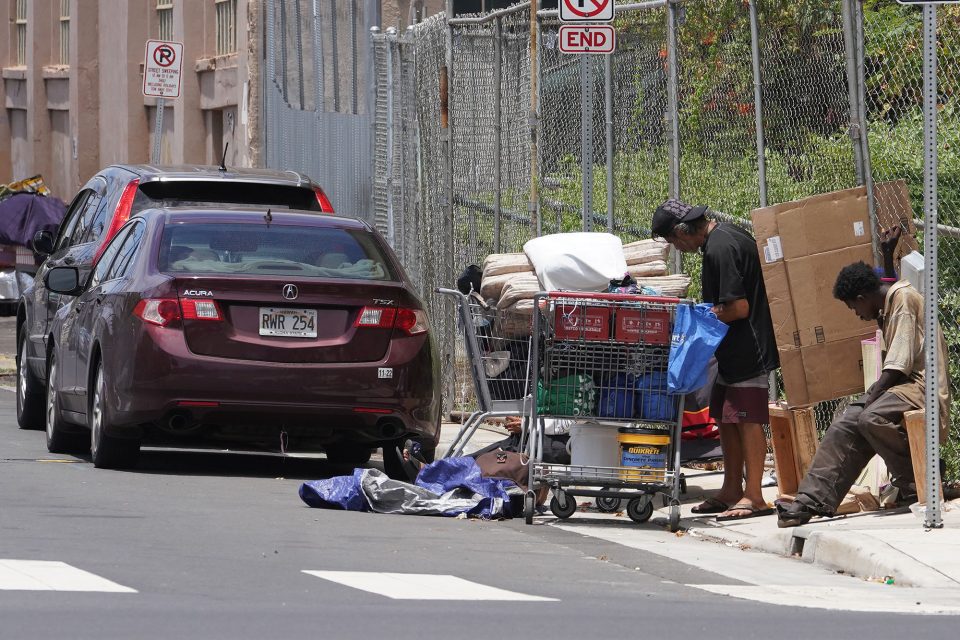
“The place wasn’t really fit for young people,“ Alip said with a grimace. He didn’t feel safe. Once, in the showers, he recalled, a man masturbated while watching him.
Then, in what seemed a turning point, a social worker at the institute connected him with RYSE, and he was old enough to qualify for their shelter.
“It sounded great,” he said, “I was really thankful.”
But the 20-bed RYSE shelter had a waiting list. While waiting for a space to open up, Alip returned to the Big Island.
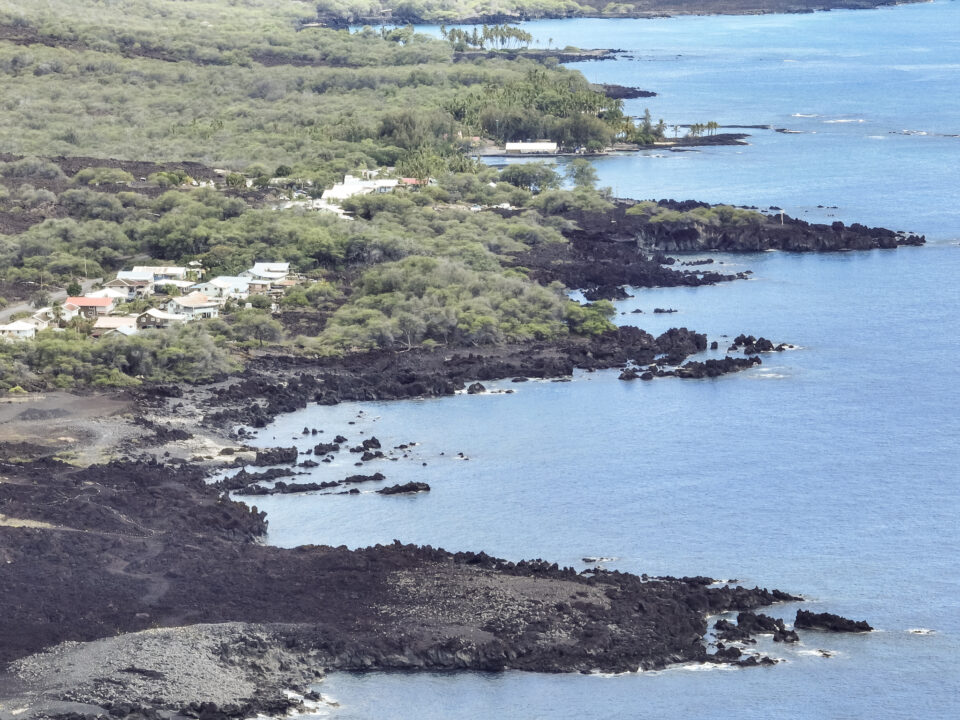
He had hoped to stay with family members there, but he said his HIV status frightened them and he ended up living near Miloli’i, about 30 miles south of Kailua-Kona, in a hillside shack that lacked electricity and running water. He slept on a mattress on the floor.
When his prescription ran out, he stopped taking his HIV medication.
“It wasn’t a priority,” Alip said. “It was so hard to try and figure out where your life’s going and how you’re gonna be, like, staying and living and surviving, eating, showering.
“It’s hard to get all of that done and focus on taking your medication.”
‘I Told Them No’
The call from RYSE came four months later, shortly before his 19th birthday.
In the two and a half years since, life has continued as a series of sharp turns partly shaped by a decision he made when he registered at the nonprofit’s shelter.
During an assessment of vulnerability given to people entering the system of care for homelessness, to prioritize them for services, Alip was asked about his health.
“And when it came to the question of, ‘Do you have HIV?’ I told them ‘no,’” he said.
“You don’t really feel comfortable telling a social worker that you just met what is going on, your whole life story,” he said. “
There was another reason, too, he said.
“I literally didn’t want to live. I didn’t care about myself. And honestly, part of my reason was to just die from it and not let anybody know. I thought that if I had died from like being sick in a shelter placement, that that wouldn’t be considered suicide.”
Looking back, Alip said, it was the wrong decision and likely prolonged his homelessness.
“I would have gotten the treatment I needed,” he said. “I would have gotten the help I needed. I probably wouldn’t have fell into a life of using drugs to help silence things that I needed to be silenced in life:”
Being homeless. Being estranged from his family. Being HIV positive.
Still, things looked up for a while. He moved into a transitional living program RYSE operates in Honolulu. He found a job as a youth case manager worker with Hawaiʻi Health and Harm Reduction Clinic, or HHHRC, a nonprofit that works with homeless youth. He later found an apartment with some roommates.
But trouble had momentum, too. Alip had started drinking and using drugs. His health continued to go downhill. Amid his struggles, he quit the case manager job. In mid-2024, he lost his apartment because his roommates didn’t renew the lease and he wasn’t on it.
It was a watershed moment that forced him to reckon with his secrets.
“I feel like a new survival technique has been installed.”
Desperate to avoid returning to a homeless shelter or worse, he found and was admitted into a special transitional housing program for people living with HIV or AIDS. It required that he disclose his HIV status.
“I just had to because I couldn’t. I couldn’t stay anywhere else,” he said. “I have nobody on this island.”
Securely housed again, Alip quit alcohol and drugs and resumed his medication. Today, his health is robust for the first time in years.
As a transitional housing resident, he still hovers on the margins of homelessness – but he is glad of a stable living situation. And a case manager checks in with him nearly every day, helps him stay on top of his medical needs and other appointments, talks him through his options.
“It’s going to help me to make sure that I don’t fall back into homelessness when I do leave it,” he said.
Alip made it through the past five years by putting his head down, he said. It gave him a perspective that perhaps only those who have lived through what he has can understand.
“I’m not a giver-upper. It was scary to know that I didn’t have a house or a place to stay or a place to rest,” he said. “But having to fight for yourself, living on the streets, I feel like a new survival technique has been installed.”
UPDATE: This story has been updated to include a youth shelter opened in Maui after the 2023 wildfire.
Civil Beat’s community health coverage is supported by the Atherton Family Foundation, Swayne Family Fund of Hawai‘i Community Foundation, the Cooke Foundation and Papa Ola Lōkahi and Hawaiʻi’s Changing Economy” is supported by a grant from the Hawaiʻi Community Foundation as part of its work to build equity for all through the CHANGE Framework.