Westside Faces More Delays As New Law Threatens Landfill Relocation
As the likelihood grows that the city dump will stay put for now, community members in Nānākuli are looking to get something in return.
Westside residents have seen deadlines come and go for the removal of Oʻahu’s main landfill from their neighborhood. Now, the community is bracing for the possibility that the city may need to keep it in place.
With lawmakers poised Wednesday to approve a new law that would block current plans to move the dump, the city is preparing to ask for an extension of the permit that is set to expire in March 2028.
That’s not a surprise for many residents who have frequently been disappointed in the city’s efforts to move the Waimānalo Gulch landfill from Nānākuli, where it has operated since 1989. “Take your dump out of my yard,” lifelong Nānākuli resident Mark Kong, 66, said. “How much extensions did you folks have? Can’t really count.”
Kong is a member of Nānākuli’s neighborhood board, which receives quarterly updates on the landfill’s status.
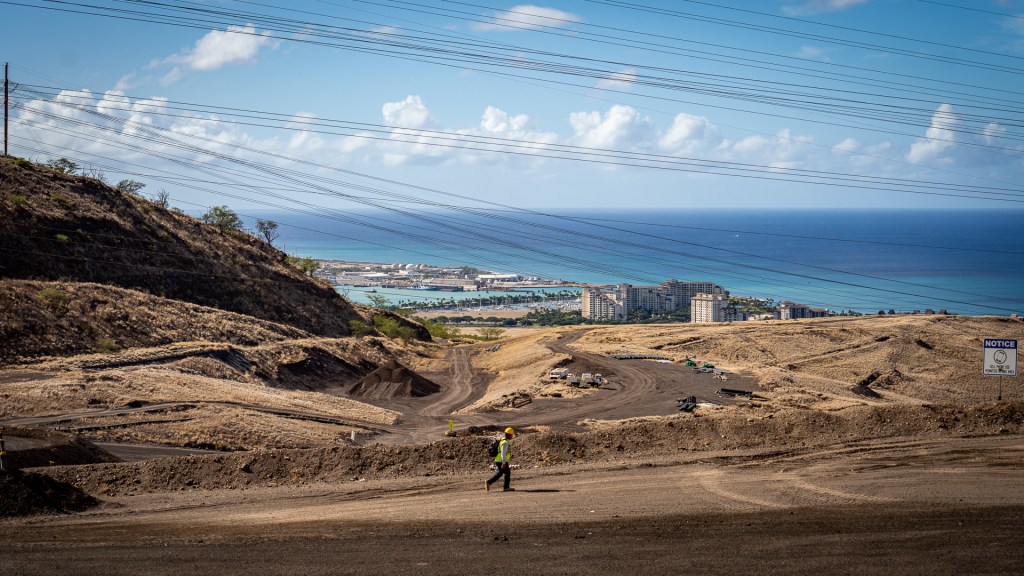
Landfill planners have struggled for years to find a new spot to dump the island’s trash as required by their operating permit.
Plan A was on pineapple land in Wahiawā, which the mayor announced during a press conference at the end of 2024. But that prompted fierce backlash from residents and environmental groups because the proposed site would sit about 800 feet above an aquifer, leading to fears it would threaten the island’s supply of drinking water.
Early in the session, legislation to ease other state restrictions and open up areas like Kapaʻa Quarry in Kailua was considered but ultimately rejected.
That left House Bill 969, which essentially bans the construction of landfills above sensitive sources of drinking water and would preclude the Wahiawā site. It received reams of support from people concerned about possible contamination and lawmakers are widely expected to vote yes on Wednesday, sending the measure to the governor to sign.
Assuming that happens, Honolulu Environmental Services Director Roger Babcock testified in late March that would force the city to consider extending Waimānalo Gulch Sanitary Landfill’s lifespan and even expanding its footprint to make room for more trash although Babcock said that would be “legally prohibited.”
City spokesperson Ian Scheuring confirmed this in a written statement Tuesday.
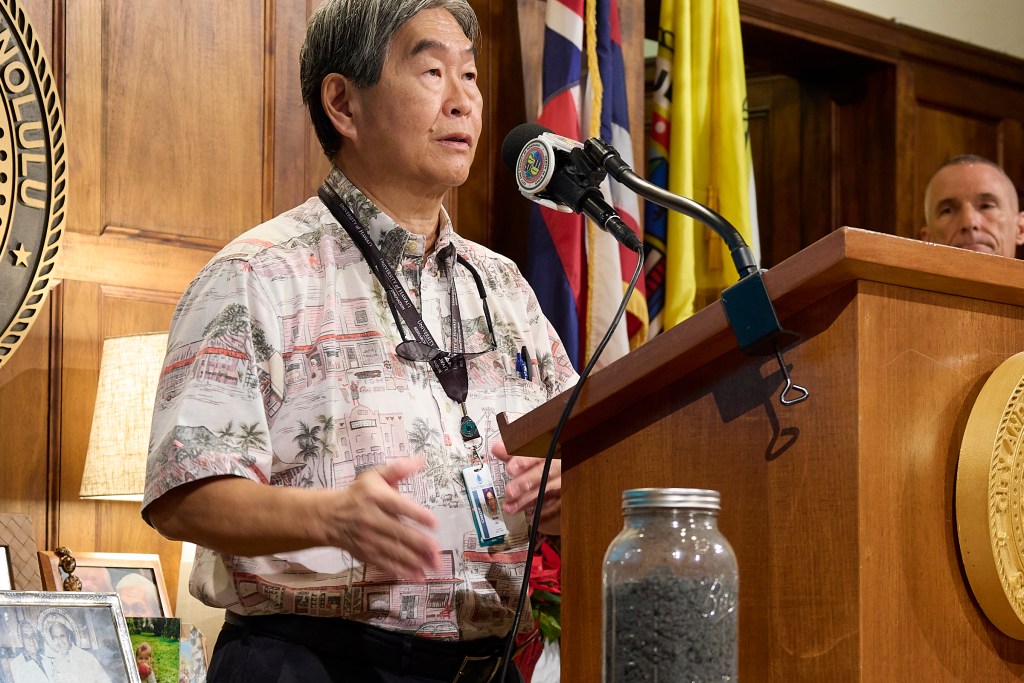
Because the landfill is on land zoned for agriculture, the city needs a special permit from the state Land Use Commission to operate it and would need to apply for an extension of that past 2028.
This would be just the latest extension. The landfill was supposed to close in 2008 and then in 2012, receiving extensions both times. In 2019, its permit renewal included the condition that it close by 2028 and that a new site be announced by the end of 2022. When the time came to name a site, the mayor requested an extension to the end of 2024.
False Starts
The proposed legislation would limit further the choices for city officials on Hawaiʻi’s most populous island amid competing demands for sparse land and environmental concerns.
In 2022, a volunteer-led Landfill Advisory Commission evaluated six proposed sites near the center of Oʻahu. Unlike in coastal areas, the island’s middle 80% or so lacks a protective layer of nonporous rock, making it vulnerable to water contamination.
Commission members found this vulnerability compelling after a high-profile incident of jet fuel from the U.S. Navy contaminating military families’ drinking water, and they decided to reject all six sites.
The city pursued federal land controlled by the military after that, saying last April its top choice was Navy-controlled Waipiʻo peninsula — also the site of the island’s major soccer complex. Soccer players were ready to protest, but the Navy rejected that site anyway.
The city has been unsuccessful at reopening negotiations with the military.
“The leadership at USINDOPACOM stands firm in the exhaustive due diligence they undertook between 2022 and 2024, and the military’s position has not changed,” Scheuring said in his statement.
A big challenge is that the state restricts landfills from going on conservation lands and within a half-mile of schools, hospitals and residents. But this radius was based on forcing the island’s other landfill — the privately owned construction and demolition waste PVT Landfill, also in Nānākuli — to close.

Shortening the radius from a half-mile to a quarter-mile and allowing landfills to go on the least restrictive conservation lands would open two new options on the Windward Side, Babcock, who leads the city’s waste management department, showed City Council members in a presentation last October.
In response, Kailua legislator Mike Lee introduced a bill that would have expanded buffer zones, saying Kailua had done its fair share of hosting landfills. Other legislators anxious to protect their own districts helped the bill advance, and though it died before crossing over to the Senate, bills that would have shortened the buffer zones died too.
“Everyone knew that changing the landfill to another site on Oʻahu was going to be a dogfight,” Waiʻanae Coast council member Andria Tupola said.
Community Benefits?
The Hawaiʻi Department of Health opposed HB 969 in written testimony, saying the lack of landfill sites would lead to a significant increase in costs for waste management leading to an increase in illegal dumping.
“The impact of illegal dumping will create a greater environmental impact than what this measure is trying to prevent,” the department said.
Gov. Josh Green is waiting until he reviews the law’s passage and final form before making a decision on it and did not provide further comment on the issue, his spokesperson Makana McClellan said in a text.
In the meantime, some community members are discussing how to compensate Westside residents who have long hosted the island’s two landfills.
“What does my community get from this?” Nānākuli Rep. Darius Kila said. “Any community that bears a landfill should have had community benefit packages.”
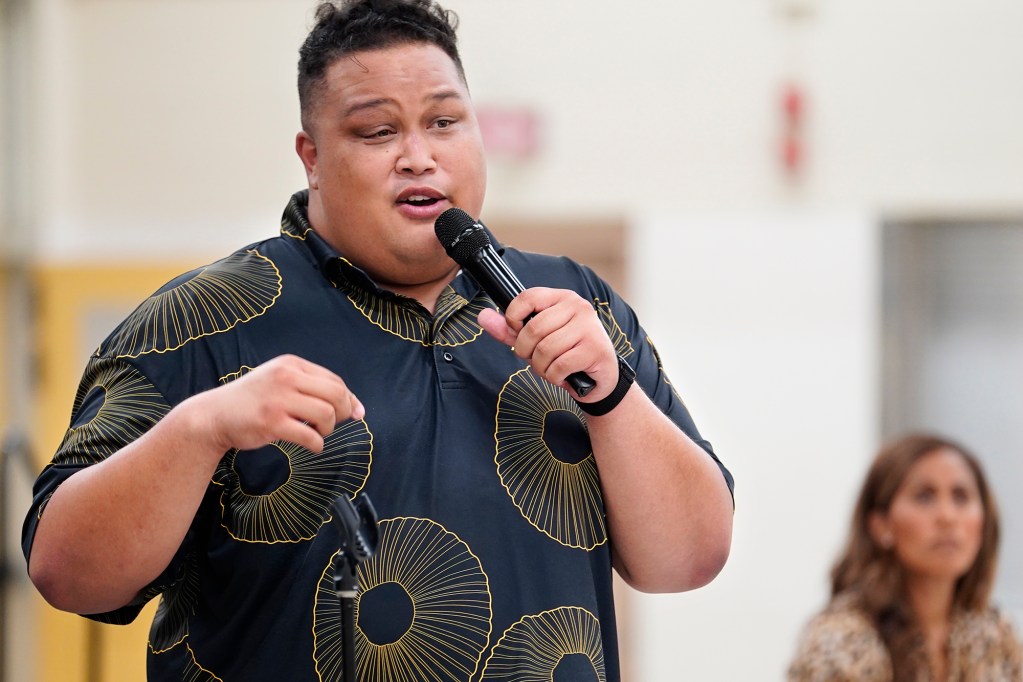
Kila sponsored a bill that gives the University of Hawaiʻi Cancer Center $1 million to research social determinants of health on Native Hawaiians, Pacific Islanders and Filipinos living close to Nānākuli’s landfills.
He agrees with protecting the island’s drinking water, though Mayor Rick Blangiardi and Babcock have said they believe they can prevent contamination. They point out that about 80% of the landfill’s input is actually ash from the city’s waste-to-energy plant H-Power. They also planned to use a double-liner system to collect liquid waste at the bottom of the landfill, or leachate, and pump it to a wastewater treatment plant.
But Blangiardi and Babcock have failed to convince the public of that. So while Blangiardi has promised not to place the next landfill on the Waiʻanae Coast, he is likely to have to extend the current one that’s already there.
But rather than extending the current special permit, former Land Use Commission chair Jonathan Scheuer said, the city should just apply to permanently change the zoning from agriculture to the much more permissive urban designation.
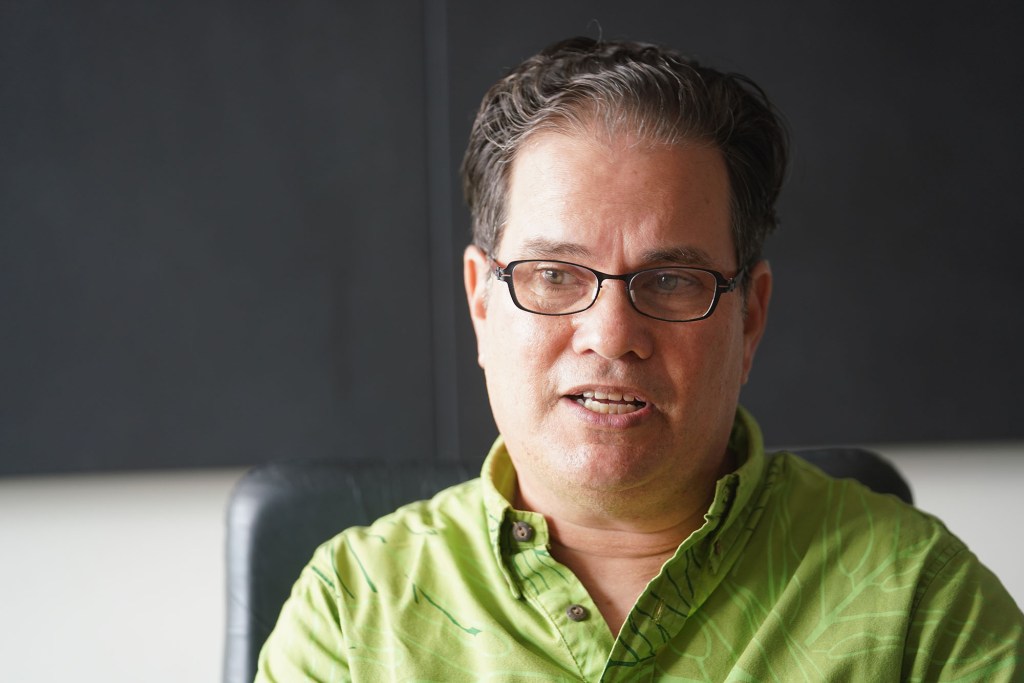
Scheuer said this process would allow for more input on what the community gets back from the landfill’s impact, which Kila thinks goes beyond just trash.
“The impact is traffic, the impact is the perception of the community, the impact is how people feel about the community,” he said.
Benefits could include exempting nearby residents from property taxes and investing in infrastructure upgrades to improve quality of life. About $4.8 million of federal funding for a preliminary study of Bus Rapid Transit between Mākaha and the University of Hawaiʻi West Oʻahu was cut, delaying its implementation. Among other things, Kila thinks the city should fund the whole thing to show its commitment to the Westside.
“That’s what I’m looking for,” he said.