

Developer Wants To Use Hawaiian Home Lands Powers To Skirt Zoning Rules
Land swap could clear the way for commercial development on land set aside for housing. Commissioners say it’s worth it for the revenue.
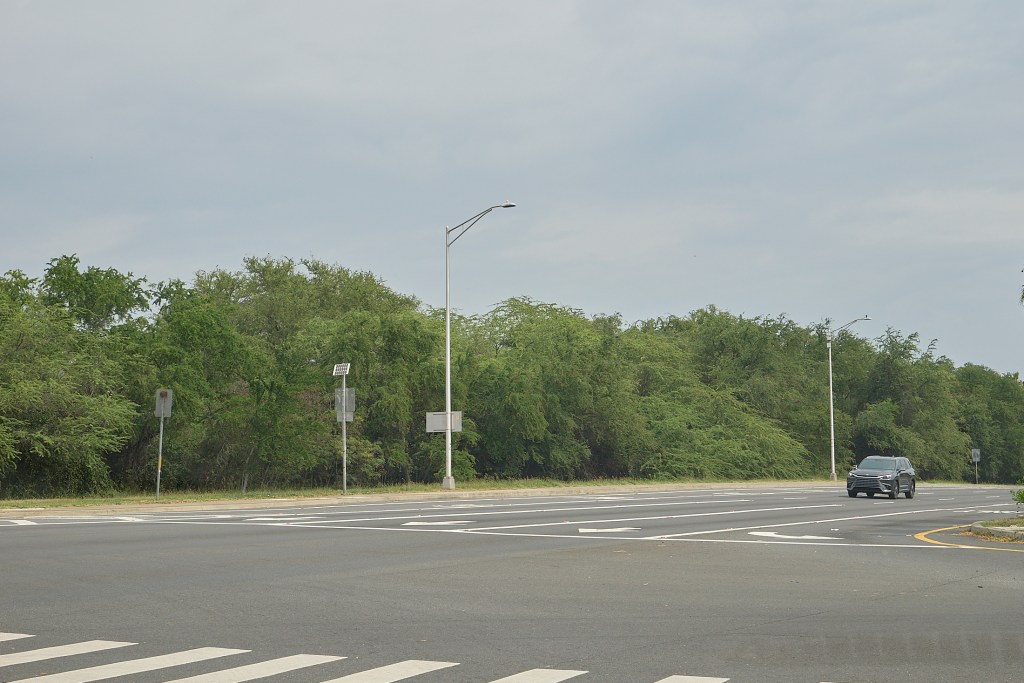
In a land-swapping version of musical chairs, a developer wants to buy former agricultural land in ʻEwa, donate it to the state Department of Hawaiian Home Lands, then lease it back to build a commercial center.
The approach would allow Kalanianaʻole Development to circumvent county zoning rules by tapping into the Hawaiian housing agency’s special powers — exemptions granted by the U.S. Congress specifically to increase housing for Native Hawaiians.
Although developers have donated land to the agency for housing in the past, this is the first case involving a commercial project.
Some members of the Hawaiian Homes Commission, which oversees the department and guides developments, noted that conflicts with the original intent even as they authorized the department to enter negotiations with the developer over the 19 acres.
“It doesn’t put people on the land,” Commissioner Dennis Neves said during one of two votes. “I don’t think it works toward what the spirit of the act is.”
Chairman Kali Watson abstained from voting. The president and CEO of Kalanianaʻole Development, Patti Tancayo, used to work for Watson in the private sector. Tancayo is also one of the 29,000 individuals waiting for a homestead lease from the department.
The commission voted 5-3 in December to allow the department to start the negotiation process. It voted again the following month, along the same 5-3 line, to make a smaller, adjacent parcel part of the same deal, while also deciding that an ad-hoc committee would be formed to monitor the negotiations.
The majority of commissioners who voted in favor of the project said they looked forward to the potential revenue the development could generate. The department has struggled for decades to fulfill its more than 100-year-old federal mandate to house those who can prove they have more than 50% Hawaiian blood.
State courts have ruled that the Legislature is responsible for adequately funding the department. But besides an influx of $600 million from the Legislature three years ago, maintaining a steady flow of state funds has proved difficult. Over the years, lawmakers have been skeptical of the department’s ability to build homes and to spend money when it does get funding.
So, DHHL officials have turned to commercial development – malls, big box retailers, hotels – to pull revenue from land that isn’t being used for housing.
The ʻEwa land donation proposal received pushback from some commissioners and community leaders at the commission.
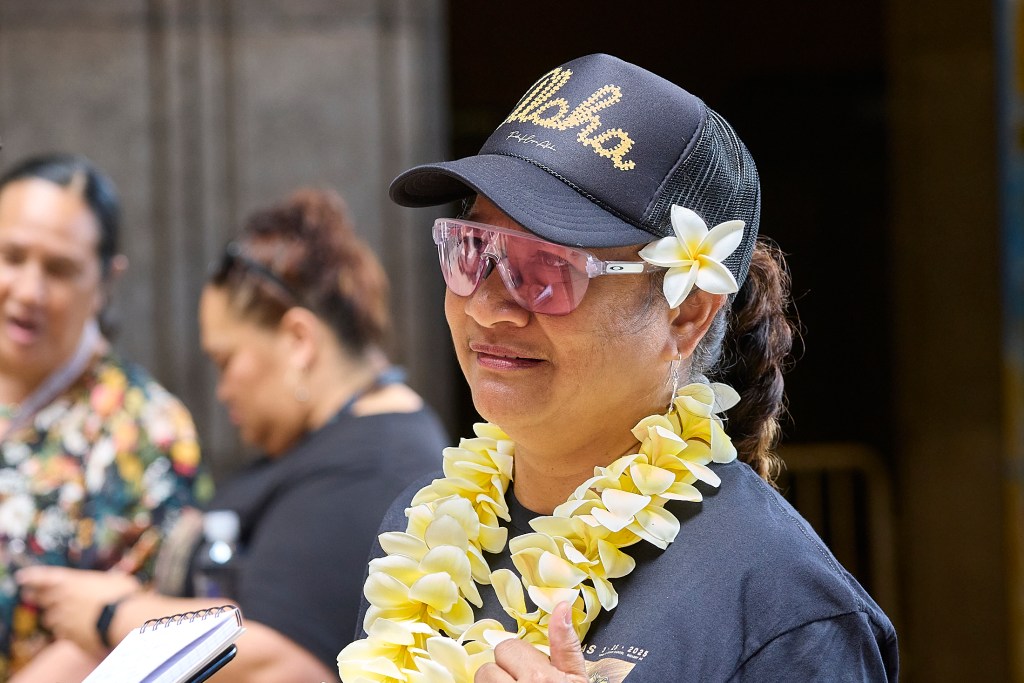
Homelani Schaedel, a homestead community leader in Kapolei, expressed concern that it could set a precedent for developers who want to take advantage of DHHL to avoid trudging through the zoning change process at the county level.
Department officials were less worried.
“Do I hope this sets a precedent for developers who want to donate a property to us, and we ultimately receive the property, free and clear?” asked Russell Kaupu, DHHL’s head land agent. “Yes.”
Kaupu said the goal, in the end, is to make money off the land deal, which would also add the ʻEwa parcel to the more than 200,000 acres of land the department manages across the state.
Watson said in an interview Friday that the department is still hashing out a development agreement and going through the lease negotiation process.
He acknowledged that utilizing the department’s zoning exemption saves the developer the money and time spent on what could be a lengthy zoning change through the county.
But he expects a “significant portion of revenues” to come back to the department as a result of the project.
Mike Kahikina, a former commissioner, said he pushed for a similar land donation deal in Mākaha in 2011. However, that project would have entailed building a new school with accompanying housing for teachers and families. The plan ultimately fell through over a demand from one of the project’s partners for lucrative tax credits.
While he’s not opposed to this new idea of donating land only to lease it back to a developer, he said that previous land donations more directly benefited Hawaiians with housing. He said he’s not “against hotels and all that” aside from the fact that DHHL doesn’t own them.
For Kahikina, the heart of the matter lies in determining who ultimately benefits from the deal: DHHL’s beneficiaries or the developer.
“That’s one big question mark,” he said. “Who are the people making the money?”
What Will Go On The Land?
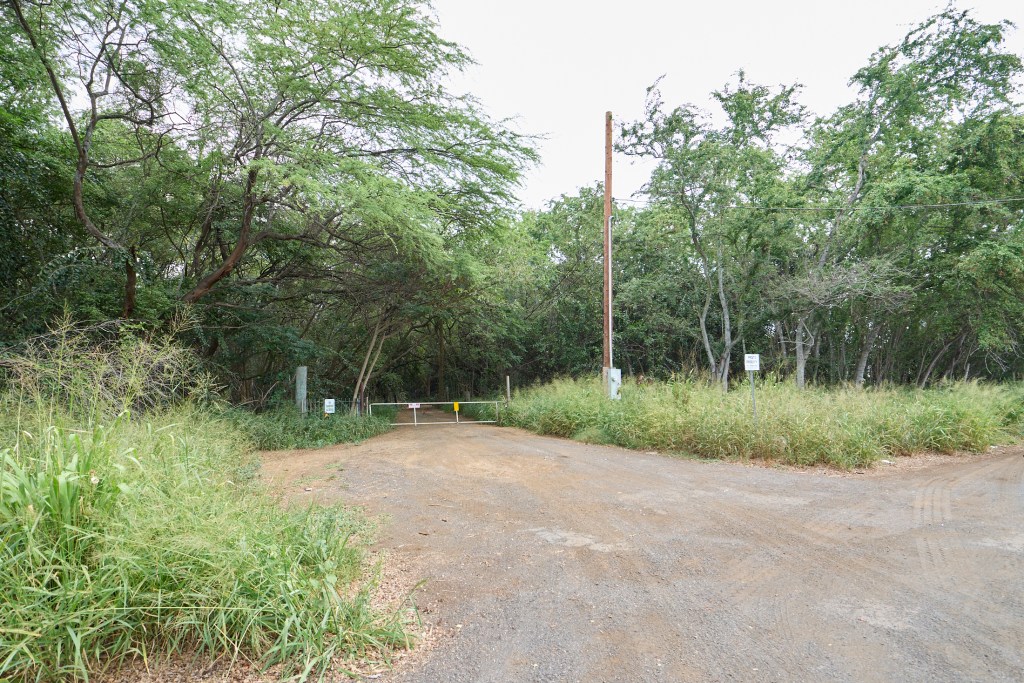
The land at the center of the negotiation was once home to a slaughterhouse run by Kahua Ranch, which also leased pasture land on the Big Island from DHHL in the 1990s. At the operation’s peak, the ranch manager reported slaughtering up to 70 head of cattle a day.
Since the Catholic Church acquired it in 2008, the acreage has sat mostly vacant.
The church originally planned to build a new facility to serve the Catholic community in ʻEwa, where the population has been steadily growing, officials said in a 2017 letter to the city. Records show that the church later applied for a sewer connection for up to 200 multi-family dwelling units in 2023.
It’s not clear what became of those plans and the church’s land management office declined to comment. Kalanianaʻole Development doesn’t own the property yet, but Tancayo said it is under a contract with the church to purchase it.
She told Civil Beat that she started Kalanianaʻole Development to help DHHL build more homes. The development company is a partnership between Tancayo and Nan Chul Shin, founder of Nan Inc., one of the state’s largest general contractors.
The company is working with the department on new subdivisions in Kona on the Big Island. But Tancayo said they are pursuing this commercial development to show DHHL “how to make money off of the property.”
“I’m trying to create a model where other developers, not only me, can do the same thing,” she said.
Tancayo is financing the purchase of the land before handing it to DHHL, she said, and has spent money on preliminary studies before a final deal has been reached. She said she’s doing it to help DHHL out.
The commercial project also remains in the early planning stages; Tancayo said her company hasn’t settled on what exactly will be built, or how much money DHHL will get from the deal.
It’s possible that a small shopping center and sporting facilities could go on the site and she said the company has started reaching out to potential tenants.
The ideal, Tancayo said, is shops that cater to other businesses in the area. For example, a pet store or a vet’s office could cater to people who just adopted pets at the Hawaiian Humane Society across the street. Medical offices are another option.
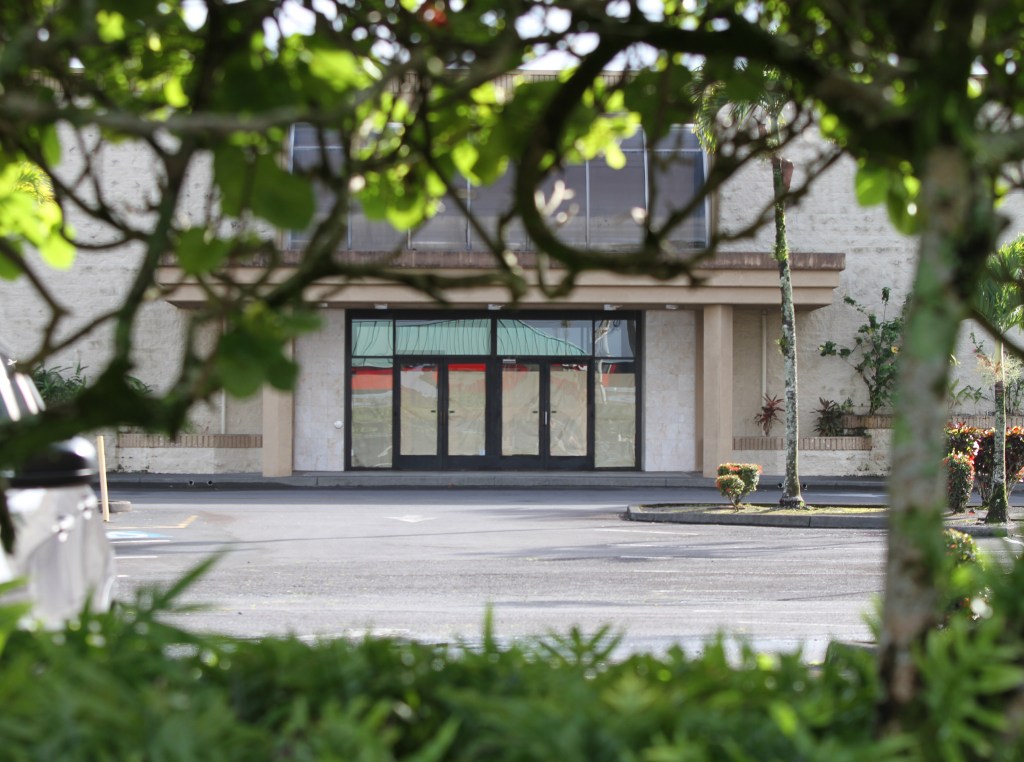
During meetings of the Hawaiian Homes Commission earlier this year, the development team suggested that Native Hawaiian-owned businesses could receive discounted retail spaces. Among possible uses discussed: a gas station, supermarket or self-storage units, as well as recreational facilities such as pickleball courts, a driving range or batting cages.
Kalanianaʻole Development would pay market-rate rents set by an independent evaluator, and tenants of the commercial development would need to give the agency a cut of gross revenues.
Leasing retail space isn’t new to DHHL. The agency’s general leases generated $18 million in 2023, according to the most recently available data.
Some of the agency’s most prominent lessees include malls such as Ka Makana Ali‘i in Kapolei and the Prince Kūhiō Plaza in Hilo.
Will The Community Benefit?
Like the two malls, Kalanianaʻole Development’s project would be required to provide nearby homestead communities with a benefits package, which could include monetary contributions, workforce development or infrastructure improvements.
Both malls were built on lands the department already owned that weren’t set aside for housing. Both involved major mainland retailers and developers. They also produced mixed results for surrounding communities.
The Prince Kūhiō Plaza, built in 1985, never created a community benefits package, the mall’s manager told the commission in 2023. Last year, Brookfield Properties, the malls’ parent company, told the commission that it would contribute $150,000 to improvements on a nearby county road that runs past the mall after facing criticism from Watson and the commission.
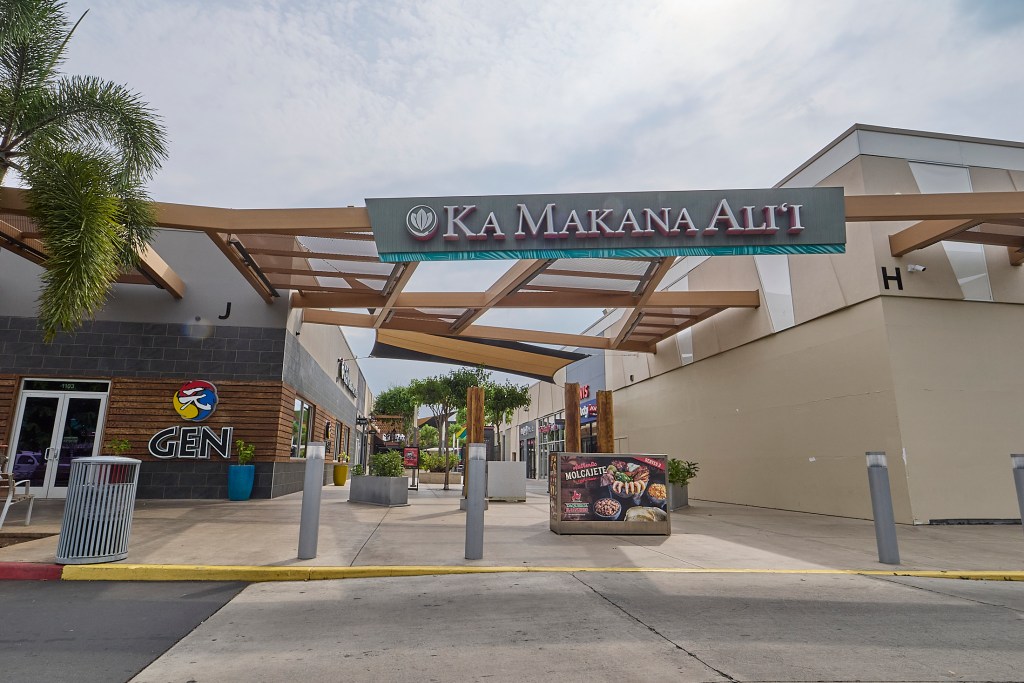
When Florida-based DeBartolo built Ka Makana Aliʻi in 2016, the department required it to find out what the surrounding homestead communities wanted from the developer. The company contributed $500,000 toward construction of a park and continued to contribute 4% off gross revenues to a nonprofit formed by those homestead communities.
Former DHHL Director William Aila said that community engagement is paramount.
“Here was a community that was number one, organized; and, number two, willing to take risks,” Aila said
Tancayo said she wants to outdo the Ka Makana Aliʻi benefits package at the ʻEwa site. She said community groups would get a greater percentage of gross profits, and she plans to set up an endowment to fund scholarships for Native Hawaiians and an internship program.
Kalanianaʻole still needs to go through a formal process to determine the ultimate shape of the benefits package. Aila, the former director, said the department needs to serve two communities: those on the waitlist for homes as well as those who have already been awarded a homestead lease.

The benefits package should balance revenue generation to fund homebuilding while also considering the needs and wants of nearby homestead communities, Aila said.
Tancayo said she recently hired a real estate consultant to evaluate how much of the former farmland in ʻEwa can actually be built on.
Under preliminary agreements approved by the Hawaiian Homes Commission, Kalanianaʻole would be on the hook for any environmental studies. Tancayo said those would be done once the land sale is finalized and it’s donated to DHHL.
Tancayo said she recently walked the 19-acre site with an archaeologist friend, looking for any obvious cultural landmarks or burial sites. She didn’t see any but said that discovery of culturally sensitive sites could be a deal breaker because of her own cultural sensibilities and the backlash that it could cause in the community.
“I’d be out of there,” she said, “if there is anything that would be controversial.”

