Honolulu Approves Last Big Covid Hazard Payments For City Workers
After years of delays, the City Council signed off on a $41 million deal with the state’s largest union after previously reaching agreements with two other unions.
When the Covid pandemic struck, North Shore lifeguard Jeff Okuyama and his fellow watermen could wear masks while on lookout duty. But when it came time to rush into the ocean for a rescue, they had to ditch the paper face coverings.
“We still had to do our job without the protective gear,” Okuyama said. “That was kind of scary at times.”
Unionized front-line workers like Okuyama have been promised temporary hazard back pay for years to compensate for the dangers as they stayed on the job despite the threat of the coronavirus.
The city delivered on Wednesday, approving $41 million for about 3,650 workers in a deal with the Hawaii Government Employees Association, the state’s largest union. Lifeguards, building plan examiners, engineers, wastewater treatment plant supervisors and other HGEA members who were deemed essential employees will receive up to $15,000 or 15% of their pay.
It’s the final tranche in negotiations that included previous agreements with the city’s police union and United Public Workers for a total of about $120 million. Separate deals have been reached for employees at the state level and in other counties.
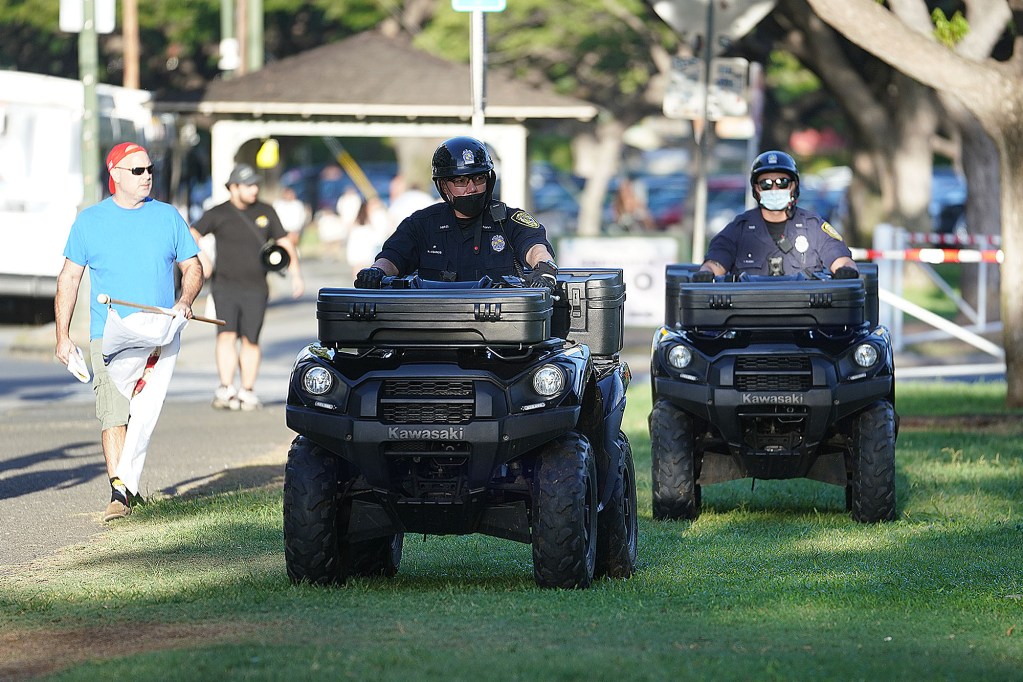
The pay covers the early years of the pandemic, from March 5, 2020, to March 5, 2022. During that time, then-Mayor Kirk Caldwell and his successor Mayor Rick Blangiardi issued a series of emergency proclamations to help slow the spread of the airborne virus, closing bars and dining areas before eventually easing rules to allow masked customers and customers that could show proof of vaccination.
City employees continued to report for duty to keep essential services running.
“People got to pay bills, and get customer service at satellite city halls, and DTS (Department of Transportation Services) has a permitting office. I mean, none of that stops,” Honolulu Managing Director Mike Formby told Civil Beat before the vote. “Ninety percent of what we do is public-facing.”
HGEA, UPW and United Public Workers and the State of Hawaii Organization of Police Officers had language in their city contracts requiring hazard pay, and Wednesday’s settlement comes after years of often-fraught negotiations and arbitration.
Workers like Okuyama have been itching to get their hazard pay. In 2023, City Council members urged the administration to give hazard pay to eligible essential workers, and he and some other lifeguards and first responders testified in support of it.
At that time, almost two years ago, several first responders were already saying in their testimony that it was “long overdue.”
Formby said the deal gives a flat rate of $15,000 each to some HGEA members and $7,500 each to others. That’s because employees were given 10 business days after the emergency order ended to file a claim specifying their hours worked and their levels of exposure. Employees who did not file a claim will get the lower amount of money.
Lifeguards, however, will receive 15% of their pay based on hours worked to be in line with what the police union received. An arbiter last summer ordered the city to pay UPW workers 15% of their pay, and afterward other unions settled for the same amount.
Council members unanimously approved the settlement without testimony or discussion during their May monthly meeting. That was two months after the council authorized about $79 million in payments for UPW and SHOPO, Formby estimated.
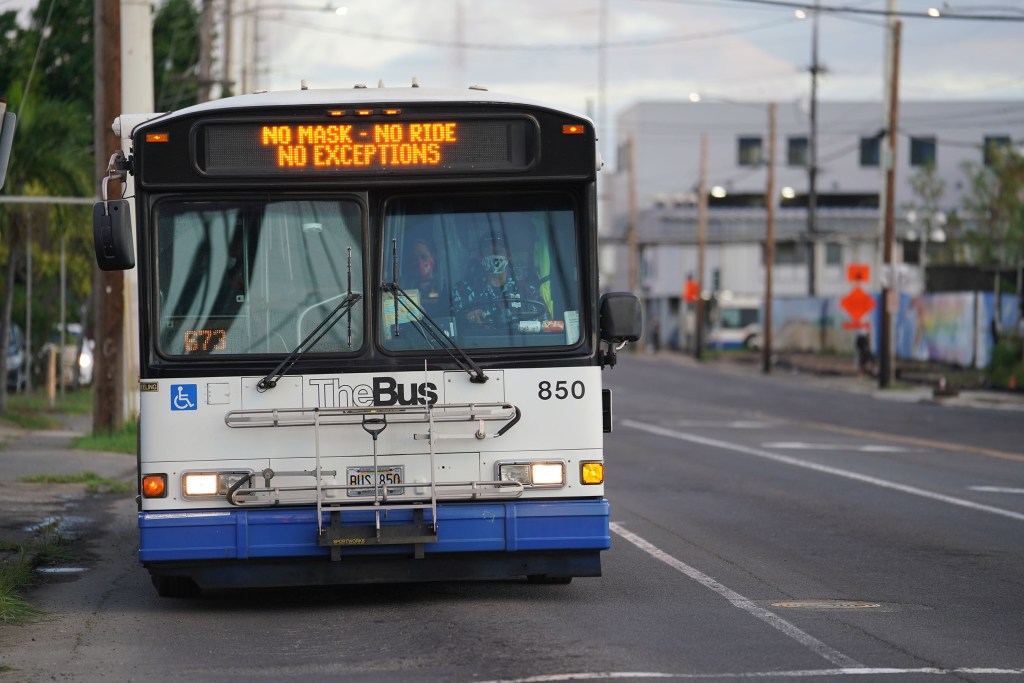
While Wednesday’s vote settles the hazard pay issue with the three unions that had included it in their contracts, unions representing firefighters and bus drivers had no such language and were left out.
The city set aside $115 million in last year’s budget for Covid-19 hazard pay and is planning to set aside another $30 million this year. Formby said remaining money can help pay employees in two other unions, representing firefighters and bus drivers.
City Council members have said these workers should get hazard payments anyway since they risked virus exposure as well during the pandemic.
Formby confirmed he intends to pay firefighters and bus drivers hazard pay, but he said the exact amounts are still subject to negotiation.
He said workers will start receiving payments in the coming months, depending on which union they’re in. UPW employees are expected to receive payments in June, before the next fiscal year begins on July 1, and police officers will receive payments in the months after that.
HGEA employees will receive payments in the months after the police, with the goal of getting them paid before the end of the year.
Civil Beat’s community health coverage is supported in part by the Atherton Family Foundation.