Maui Looks Elsewhere To Fund Fire Prevention Projects After Trump Cuts
Wildfire is the biggest threat facing Maui, according to the county’s draft Hazard Mitigation Plan but FEMA cuts could require a pivot to other funding sources.
The risk of wildfires is so high in Maui that the county is now deemed to have a 100% chance of facing a blaze in any given year, according to a recent analysis of environmental threats facing residents.
The county’s new draft Hazard Mitigation Plan — its first since the 2023 fire that destroyed much of Lahaina town — lists fire as the Valley Isle’s biggest threat. Following close behind are drought and high windstorms, both factors that can exacerbate wildfires.
More than half of the county’s population lives in a wildfire hazard area, according to the report compiled by Tetra Tech for the county, in consultation with community groups and county agencies.
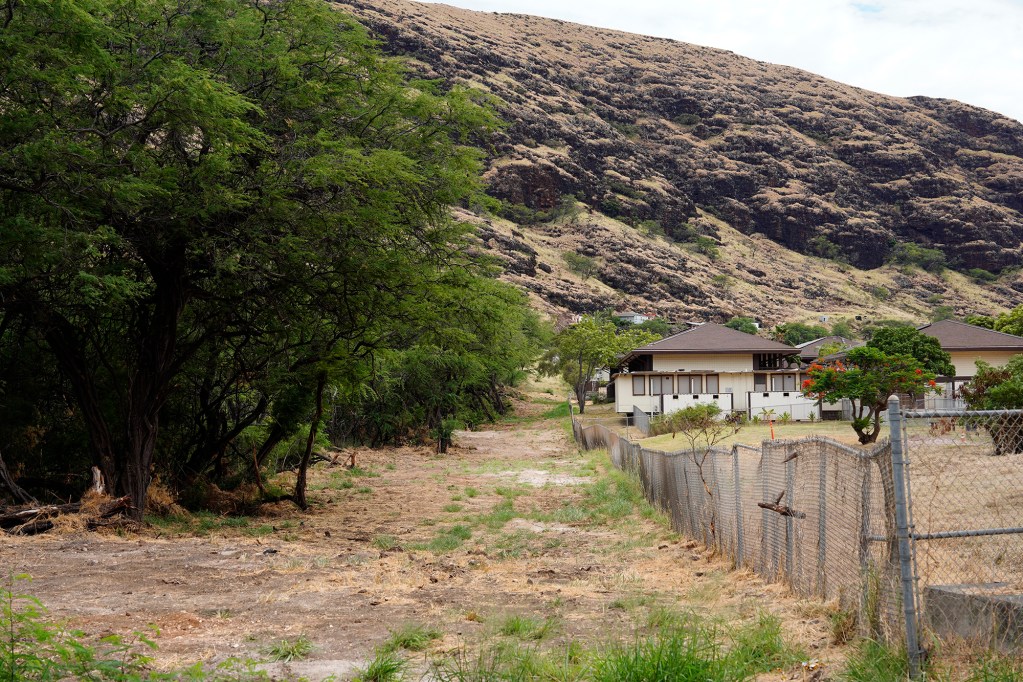
But how to pay for projects to reduce the risk of wildfires and other natural disasters — such as establishing fuel breaks on unmaintained land or expanding wildfire safety education programs — is uncertain, especially as the Trump administration makes cuts to emergency grant funds.
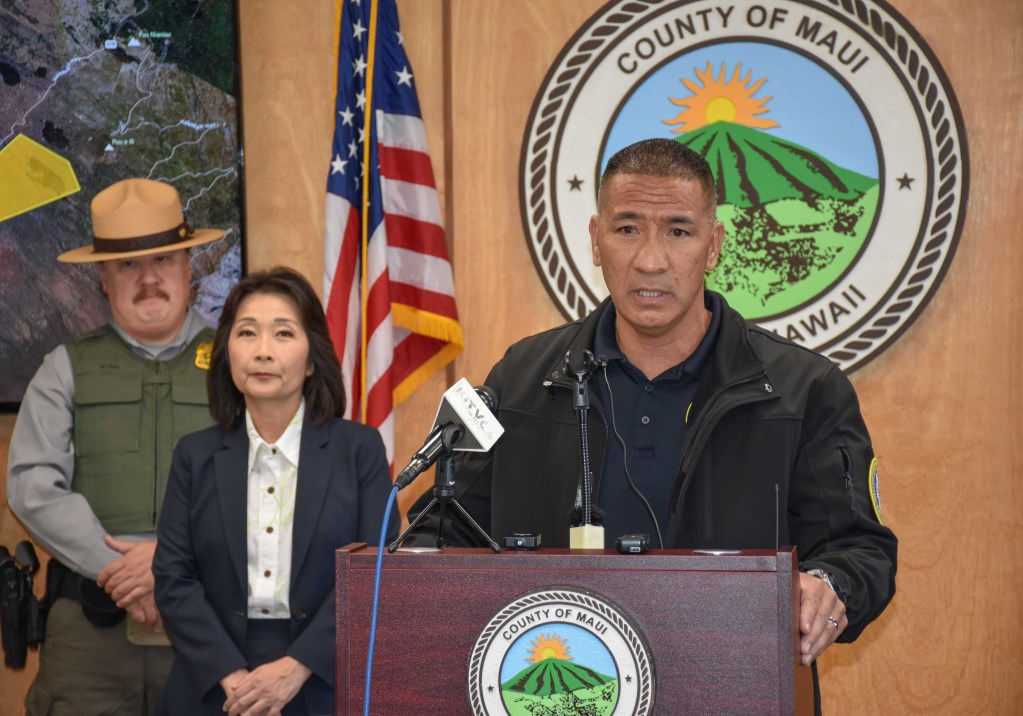
“We’re going to have to pivot those conversations about the funding that typically comes from FEMA being managed at the state level, development of certain programs to support the same effort, but at the state level versus from the federal level,” said Amos Lonokailua-Hewett, head of the Maui Emergency Management Agency.
An ‘All Hazards Approach’
The Hazard Mitigation Plan is a crucial document updated every five years to help the county set priorities for addressing possible environmental disasters and securing federal funding for related projects.
High up on this year’s list is a proposal to clear brush, establish fuel breaks on unmaintained land and replace highly flammable non-native vegetation with fire-resistant species.
The plan also seeks federal funding to implement the county’s Community Wildfire Protection Plans and expand the Firewise program, which educates community members on fire safety, conducts home assessments and customizes lists of things people can do to reduce their risk by keeping brush at bay or clearing space around their homes.
The Hazard Mitigation Plan also addresses other environmental hazards looming over Maui, including tsunamis, dam failures and earthquakes. Many of the projects that the county is seeking federal funding for are designed to help local officials better prepare for floods, particularly in areas prone to repeated events.
Some of the costliest projects include making sure critical water infrastructure can withstand a future disaster.
“We want to be able to build a resilient infrastructure so our recovery efforts are minimal, we can restore essential services quicker,” Lonokailua-Hewett said.
The plan includes a big emphasis on making sure communities reliant on a single road or in remote parts of East Maui, Molokaʻi and Lānaʻi can be self-reliant if they are isolated by a disaster such as a landslide or a severe storm. A number of projects also will help homeowners offset the costs of preparing for a disaster or secure affordable flood insurance.
The Hazard Mitigation Plan also isn’t the end-all-be-all. Instead, it’s part of a “constellation of plans,” said Dan Milz, an assistant professor at University of Hawaiʻi Mānoa and an expert in environmental planning.
County officials point to examples such as the Lahaina Long-Term Recovery Plan, which is referenced in the Hazard Mitigation Plan but also has additional funding streams and is already being implemented.
Lonokailua-Hewett said he wants to take an “all hazards approach.”
“I take it all seriously. I understand that we live in an island state isolated from the world, as far as resources are concerned, he said. “We have to be self-sustaining for a period of time.”
Under the Trump administration, that self-sufficiency takes on a whole different meaning.
Trump Cuts Jeopardize Funding
In the past, these hazard plans have been a way to obtain federal money but recently that has been thrown into question. More than three-quarters of the projects outlined in Maui’s draft plan reference a FEMA grant program that has been taken off the table by the Trump administration.
In early April, FEMA canceled the Building Resilient Infrastructure and Communities grant, describing it as a wasteful and ineffective program that was “more concerned with political agendas than helping Americans affected by natural disasters.”

Hawaiʻi Attorney General Anne Lopez joined officials from 21 other states and the District of Columbia in suing the Trump administration to unfreeze federal funds from agencies including FEMA.
Maui emergency management officials are prepared to pivot to other sources of money to pay for their mitigation projects. Other federal agencies such as the National Fish and Wildlife Foundation or the U.S. Forest Service also have grants that could be a potential source of funding for these projects.
“It’s about being creative and adapting to what the reality is, just not using it as an excuse,” said Christopher Wegner, a hazard mitigation specialist at MEMA.
The county is also dedicating millions of dollars to hazard mitigation projects outlined in the plan, including almost $16 million to build reliable water capacity, more than $22 million for drainage and bridge projects and $1.5 million to combat Maui’s Axis Deer overpopulation problem.
Lonokailua-Hewett expects that the state will step up, too.
“There is a commitment,” he said, “to making sure that this is not a plan that sits on the shelf.”
Civil Beat’s coverage of Maui County is supported in part by a grant from the Nuestro Futuro Foundation and our coverage of environmental issues on Maui is supported by grants from the Center for Disaster Philanthropy and the Hawai‘i Wildfires Recovery Fund, the Knight Foundation and the Doris Duke Foundation.