

Will A Ban On Wheelies Stop The ‘Absolute Mayhem’ On Oʻahu Roads?
Bike stunts are good fun for some, but the number of e-bike accidents that EMS responded to on Oʻahu nearly tripled from 2022 to 2024.
For Robert “Bobby” Yokota, growing up on O’ahu meant being surrounded by friends who got around on two wheels. So Yokota picked up a moped himself. And eventually, while riding, he picked up the front wheel too.
To Yokota, the act of bike stunting, and the tight-knit community of those who do wheelies are key parts of local culture, despite the risk of injury and rising local opposition.
“Some people like to go fishing, some like to go spearfishing, some like to go snowboarding, you know,” said Yokota, who works in a moped shop off Kapahulu Avenue. “(Doing wheelies) is one of the main hobbies that people like to do.”
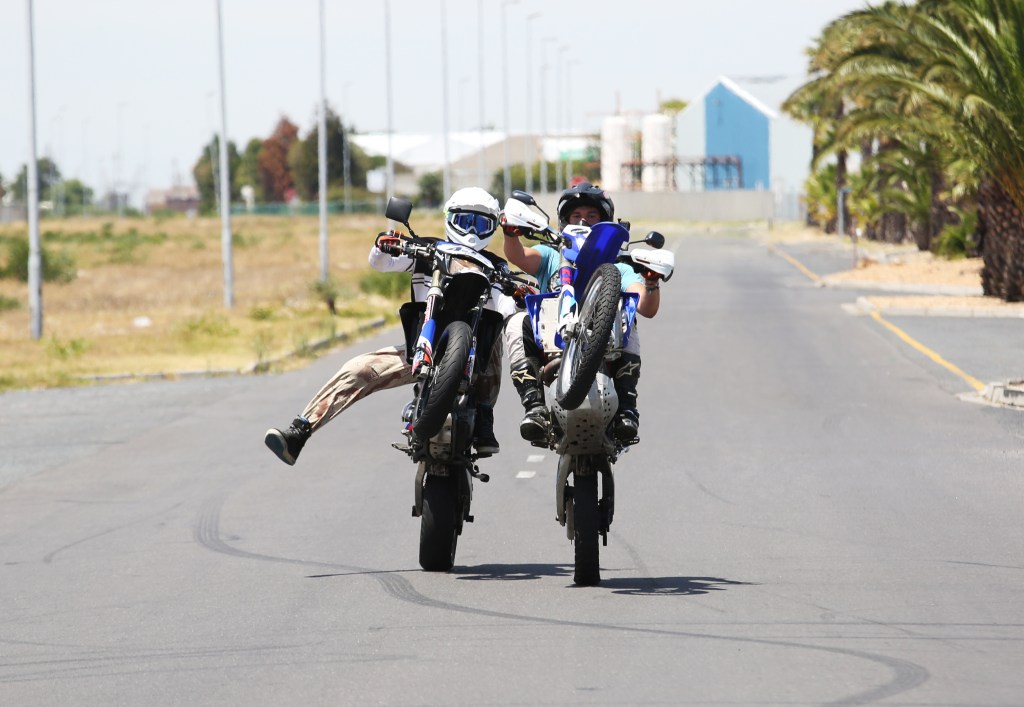
Honolulu officials hope to keep both riders’ wheels on the ground with the passage earlier this year of a new ordinance that sets legal definitions for e-bikes, mopeds and motorcycles, and outlaws wheelies on public roads except in the case of a parade or city-sanctioned activity.
It’s not known how many injuries are caused specifically by wheelies each year, but recent data has county officials worried.
The law cites a state Department of Health study that found the number of e-bike incidents on Oʻahu requiring a response by Honolulu Emergency Medical Services nearly tripled from 2022 to 2024, with a cluster of injuries in youths aged 12 to 20.
In a recent example, a 12-year-old boy who was injured in February reportedly told EMS responders that he was performing wheelies when he lost control and hit the roadway.
The concerns are part of a national debate as states struggle to control the popular form of transportation. The U.S. Consumer Product Safety Commission reported in 2023 that emergency rooms nationwide are treating an increase in injuries involving e-scooters, hoverboards and e-bikes.

Former State Rep. Matt LoPresti testified recently in support of the new law, Ordinance 25-13. He believes that e-bikes have become an epidemic in ʻEwa Beach. LoPresti, a neighborhood watch block captain, said stunt riders are drawn to the flat open roads.
“Every single day, I open my blinds up … I see 12-year-olds doing wheelies without helmets dozens of times a day in front of my house on a four-lane street, with cars and trucks going 45 miles an hour around them,” LoPresti said.
LoPresti said young riders don’t understand the risks. He also thinks the stunts have led to more dangerous activity on the roads. He said he’s seen groups of more than 200 youths riding e-bikes with covered faces, yelling expletives at police officers.
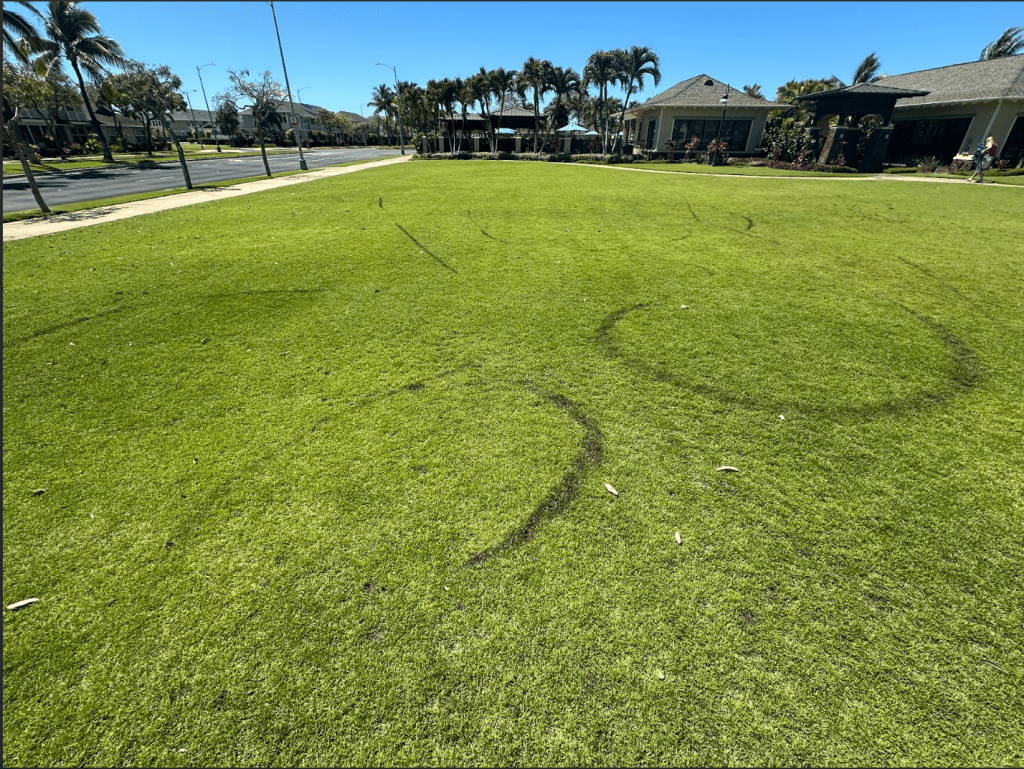
These same kids reportedly also yelled racial slurs at his African American neighbor, who attempted to help the cops.
“It was just mayhem,” LoPresti said. “Absolute mayhem.”
“Our beautiful neighborhood, our streets have been just taken over by this lawlessness,” he said.
Yokota said young riders may not understand the consequences of wheeling and driving recklessly. He also feels that behavior may have tainted public perception of e-bike riders as a whole.
“I just feel like I’m being targeted by the community and the cops because I ride an electric bike, and I wheelie it,” he said.
But he understands the frustration, noting young kids often want to “do all kinds of stupid stuff and learn their lesson in life.”
Yokota says those instances are ruining things for responsible riders like himself.
“I wheelie only when there’s no cars around, no traffic, no one around, no one to bother,” he said
Yokota was drawn to mopeds for their speed, convenience, and affordability.
He has moved on to e-bikes, prized for their off-road capabilities, speed, and potential for customization. He acknowledges the increased risks associated with this new technology.
“Electric bikes make it so you can do stuff that never could be done before,” he said, noting that upgraded versions can go up to around 100 mph.

Lynne Matusow, retired chair of the Downtown-Chinatown Neighborhood Board, frequently witnesses the popularity of stunting downtown. She hopes to emphasize the potential dangers to kids.
“Most of them aren’t wearing helmets,” Matusow said. “They’re even on sidewalks. They’re basically a danger to everything that’s out there on the street, you know, including people and pets and other vehicles, those in wheelchairs.”
Matusow emphasized the several thousand dollar price tag on e-bikes that puts the onus of responsibility on parents. Those who let their children ride unsupervised should be held accountable for any harm caused by their kids, she said.
“I don’t think young riders will listen,” Matusow said. “They don’t care and they’re not listening to the legislators or the people who are complaining. They are not caring about how the rest of society is affected by what they’re doing.”

