

OHA Drops Mauna Kea Lawsuits, Will Focus On Stewardship Of Sacred Site
The federal government’s decision not to fund the Thirty Meter Telescope played a role. But questions remain about where the Office of Hawaiian Affairs will redirect its resources.
The Office of Hawaiian Affairs is ending an eight-year legal battle over the state’s management of Mauna Kea in hopes that it can partner with organizations that would place Native Hawaiians at the center of stewardship of the mountain.
Board of Trustees Chairman Kai Kahele said that the board voted unanimously Thursday to end its legal proceedings in two separate lawsuits: one challenging the University of Hawaiʻi and the state’s management of the Big Island’s tallest mountain, another challenging the creation of a new oversight board tasked with managing the mountain in the future.
In a press release, the office said that it would be redirecting resources it’s spent on the lawsuits to new stewardship efforts but it did not specify which organizations would receive those funds. Six months ago, OHA lawyers also abruptly withdrew from the legal cases, citing communication issues.

An OHA spokesman said Kahele was not available for a followup interview on the lawyers or where the resources will be directed.
The office, created to benefit Native Hawaiians, entered the legal fray over Mauna Kea in 2017.
A series of audits over the last three decades found that the observatories that lease the summit from the state had dumped trash and released chemical waste, including raw sewage, on the mountain over the years. More recent reports found that the university’s management of the mountain has improved.
Two years ago, lawmakers approved the creation of the new Mauna Kea Stewardship and Oversight Authority following mass protests in 2019 that halted construction of the Thirty Meter Telescope and illuminated an apparent lack of participation by Native Hawaiians in the telescope’s planning process.
Although OHA participated in the process that created that new authority, the office sued it last January on constitutional grounds and alleged conflicts of interest involving the authority’s board members.
Kahele said that the recent decision by the federal government not to help fund the $3 billion Thirty Meter Telescope factored into the board’s decision to drop the two lawsuits.
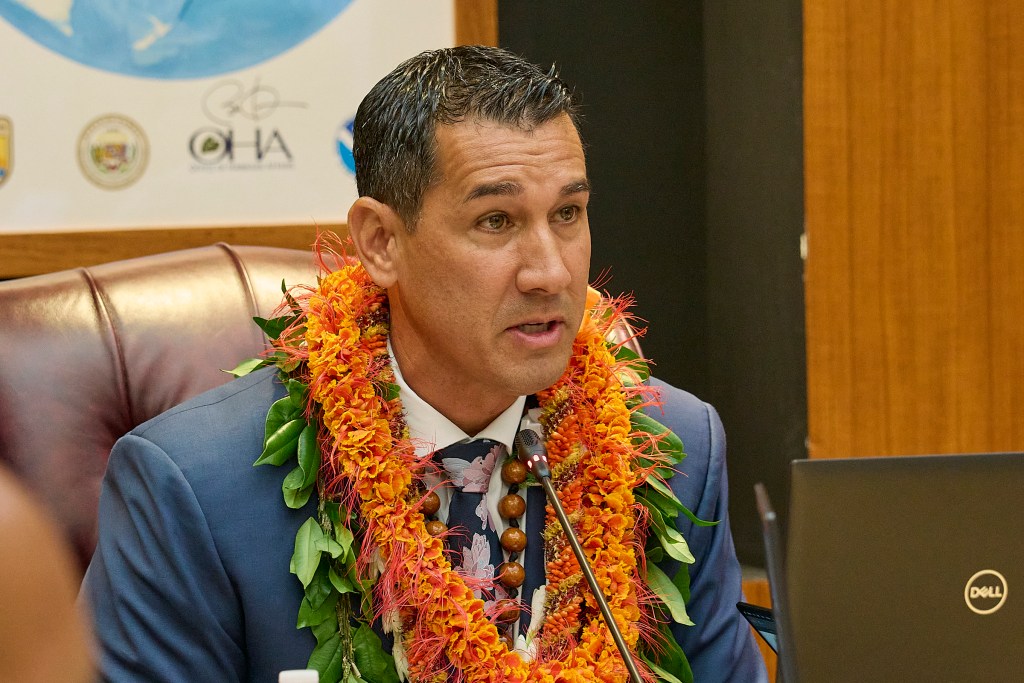
Kahele said OHA is working with Gov. Josh Green and the new oversight authority to support a stewardship model led by Native Hawaiians.
“This is not a retreat, it is a recommitment to the mauna through unity, cultural integrity and focused advocacy,” Kahele said during a board meeting on Thursday.
John De Fries, executive director of the Mauna Kea authority, welcomed the change in direction from OHA. He noted that eight of the authority’s 12 board members are Native Hawaiian.
De Fries told Civil Beat that he looked forward to working with the office and welcomed its cultural expertise and resources. OHA’s Board of Trustees controls assets valued at nearly $600 million.
De Fries said that the oversight authority will need to spend about $500,000 over the next two years on various analysis and contracts that involve handing over the reins of Mauna Kea from UH to the new management group.
Lawmakers have given the authority 36 months to complete that task. De Fries hopes OHA can help accelerate that timeline, and added that dropping the lawsuits will remove “one more layer of distraction of getting our work done over the next three years.”
Attorney Withdrew
Kahele also said that the decision to move on from the lawsuits came after failing to make any meaningful progress regarding Mauna Kea’s management through the litigation.
It appears the cases have been on the rocks for at least the last six months.
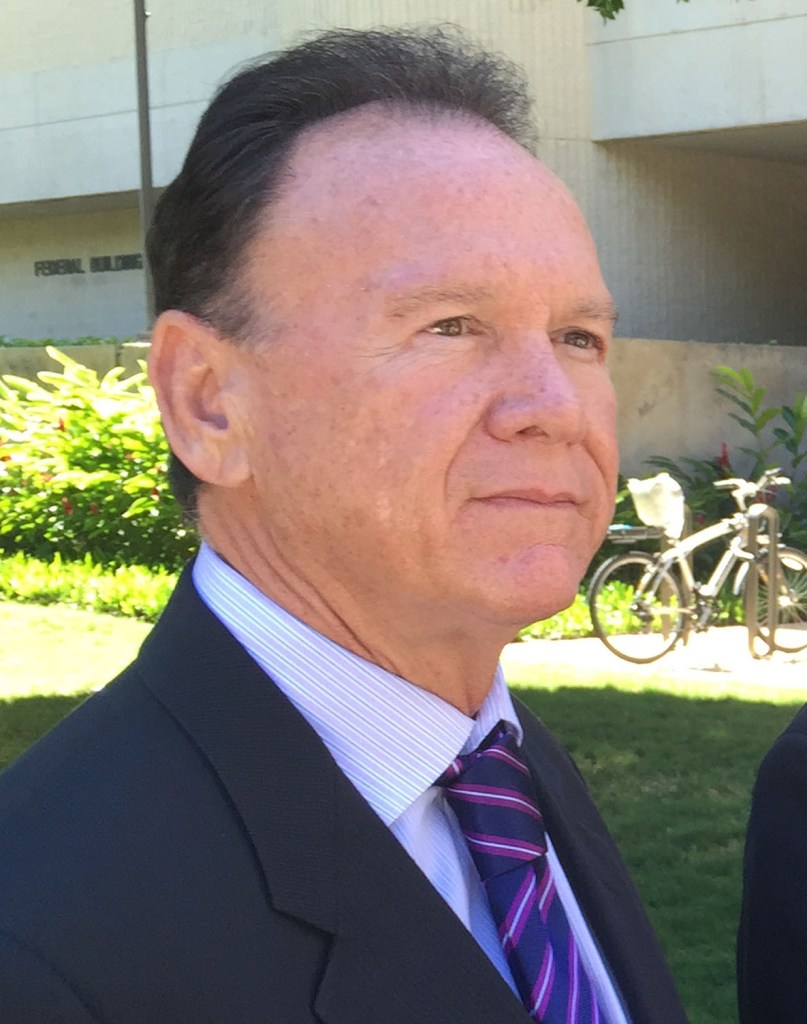
Court records show that OHA’s lawyers in both cases withdrew earlier this year after running into what they say were communication and payment issues.
Robert Klein, OHA’s attorney in the cases, wrote to the courts in December asking to be removed from the cases.
“Despite multiple attempts by the Firm to resolve communications issues regarding the progress of the case, Plaintiff has failed to respond rendering further representation unfeasible and ineffective,” Klein wrote. “Additionally, obtaining payment for services rendered has been an arduous process.”
Klein added the office failed “to provide requested documents, information, and evidence necessary to prosecute their claims as agreed under their contract.”
Klein didn’t respond to a request for comment Thursday.

