

OHA Staff Baffled By Spending Plan Filled With Dramatic Cuts, Changes
A vote comes Monday for the new budget, which some fear could undermine the Office of Hawaiian Affairs’ mission.
Trustees of the Office of Hawaiian Affairs will vote today on a more than $120 million two-year budget that has grown contentious in the last two weeks.
If enacted, cuts contained in the budget would make the mission of the office — to improve the conditions of Native Hawaiians — “functionally impossible,” Kūʻikeokalani Kamakea-ʻŌhelo, OHA’s director of ʻōiwi well-being, said at a recent hearing.
The proposed budget came from board chairman Kai Kahele, to the surprise of many of the staff and even some of the trustees. Kahele could not be reached for comment.
In May, the nine-member board of trustees had embarked on a new process to drill down into the granular details of the office’s upcoming budget. Officials were grilled on how they plan to spend their money, right down to line items such as office supplies.
The goal was to bring transparency to an organization that has often been criticized for lacking accountability around financial decisions. But what came out of that process on June 18 baffled administrators and even some of the trustees who only learned about the new budget when it was posted publicly for the first time.
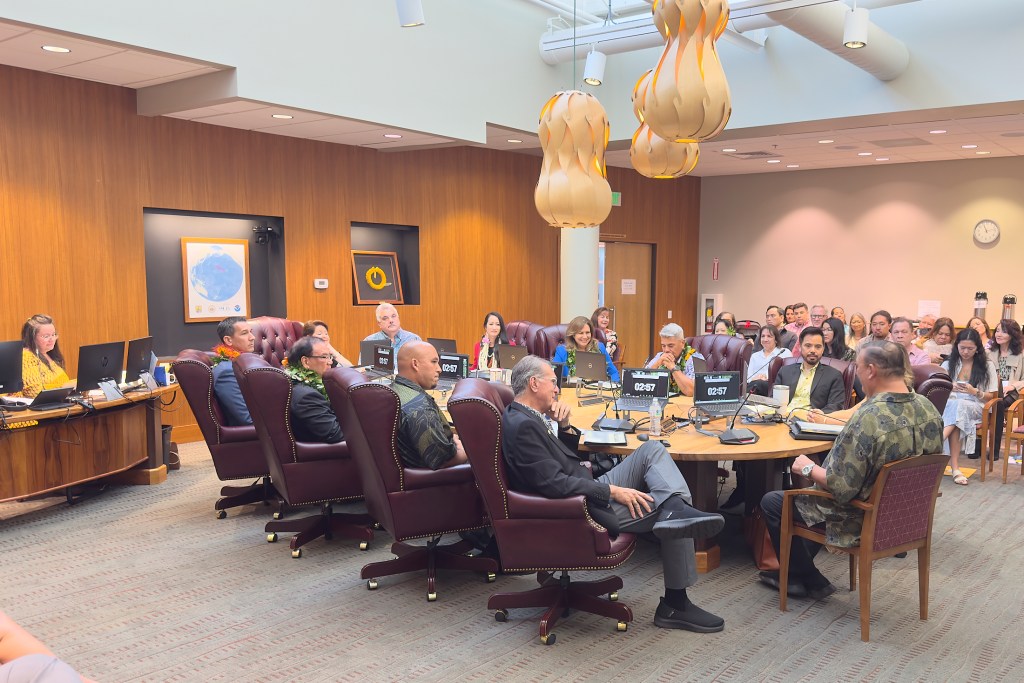
Each draft of the budget is well over 300 pages long, with thousands of line-item funding requests. Once they learned of the overhaul, trustees and OHA staff had just over a week to figure out what had changed in time to make a final decision by Monday so the organization would not enter its next fiscal year Tuesday without a clear spending plan.
The new draft jettisoned many of the office’s original requests and made sweeping cuts to programs while allocating millions of dollars in grants to new projects and nonprofit organizations that appear to sidestep OHA’s competitive grants process.
“Just like kalo needs water to thrive, these systems need consistent investment; without it, the flow is blocked.”
Poni Askew, OHA economic and business resilience director
Poni Askew, OHA’s economic and business resilience director, fought back tears as she talked about how cuts to her department — from $1.3 million down to $291,000 — would halt paid internships and assistance programs for farmers.
“Just like kalo needs water to thrive, these systems need consistent investment; without it, the flow is blocked,” she said, using the Hawaiian word for taro. “And that’s what this budget decision ultimately comes down to: Do we keep the wai flowing?”
The proposed changes include:
- Cuts in funding to certain Hawaiian charter schools
- The elimination of about $2 million in competitive grant funds
- More than $1 million in new allocations to marketing and media campaigns
- Huge pay raises for OHA staff
- The elimination of a Native Hawaiian specialty court
- The removal of new positions for which hiring was already underway
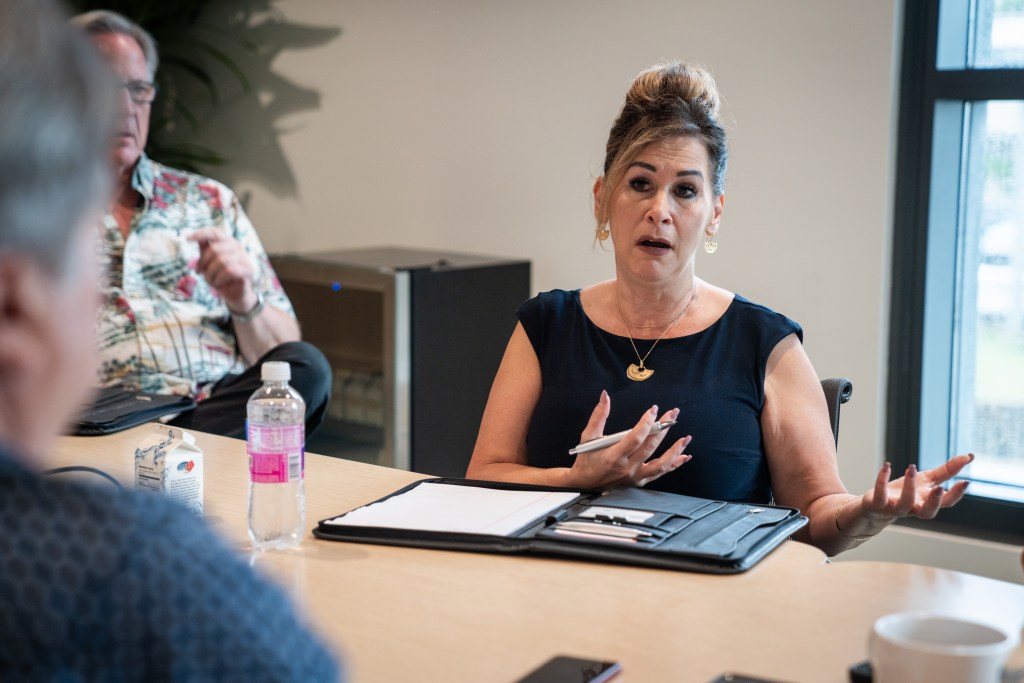
OHA’s CEO, Stacey Ferreira, said during a board meeting Wednesday that the administration wasn’t consulted on this most recent draft of the budget.
“The path that has been taking has significant implications, operationally and ethically,” Ferreira said.
OHA’s chief operating officer, Kēhaulani Puʻu, said that the line items for the new marketing campaigns are coming at the cost of workforce programs, which have been cut from the current budget.
Luana Alapa, who heads up the board of trustees budget committee, told Civil Beat on Friday that Kahele developed the latest draft of the budget after talking to staff in OHA’s departments. Alapa recognized that the changes wouldn’t be popular, and scheduled a hearing last Wednesday to allow the administration to make its case on the budget.
Since then, Alapa said her phone has been glued to her ear as staff and trustees scramble to compare the new budget and an earlier version ahead of Monday’s planned vote.
She expects a long meeting, saying trustees have their “work cut out for them.”
What’s Being Cut?
It’s difficult to quantify the extent of the proposed budget cuts. Unlike drafts of budgets from most other government agencies, there’s no direct comparison between the current version and the budget the trustees considered in May.
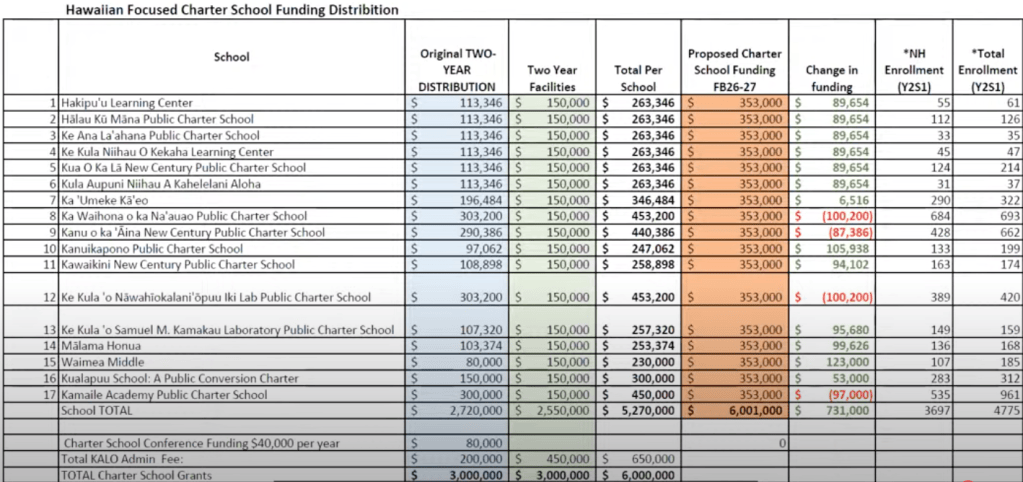
Charter school funds: For years, the office has supported Hawaiian immersion schools with $150,000 annually for facilities at each school plus additional funds based on the number of students enrolled.
The proposed budget would give the same amount to each school: $176,000, so smaller schools would see an increase while larger schools would receive less support than in the past.
OHA’s grant team created this chart to show the fiscal impact on schools.
Justice programs: OHA originally planned to allocate $300,000 a year to establish a new specialty court for families that incorporated Hawaiian traditional healing practices. The idea came out of a working group established to examine the state’s beleaguered child welfare system.
The original budget also proposed $225,000 in funding for restorative justice programs intended to rehabilitate formerly incarcerated individuals.
Land Inventory: Ferreira said that the new budget also eliminates $500,000 to survey public lands in Hawaiʻi. OHA has wanted to determine how much money state agencies owe the office annually for use of those lands.
What’s Being Added?
New Grants: The new budget eliminates millions of dollars in competitive grant funds that dozens of organizations have come to rely on. Nonprofits compete for those funds annually for efforts aimed at helping the office advance its mission.
The budget draft appears to direct grant funds to a variety of other projects, including:
- One of the largest items is a $1.7 million allocation to the Hawaiʻi County Department of Parks and Recreation to renovate the Kawānanakoa gym in Keaukaha, just outside of Hilo.
- It also would allocate $550,000 in each of the next two years to the nonprofit Hui Mālama O Kāneiʻolouma to care for a heiau on Kauaʻi’s south shore.
- Another $250,000 a year would go to the nonprofit ʻAwaiaulu to support the organization’s effort to translate and archive historical writings.
Academic support: The new draft budget would also allocate about $1 million over the next two years to support workforce development programs in the Department of Native Hawaiian Health at the John A. Burns School of Medicine.
It also earmarks $250,000 a year for scholarships for Native Hawaiian students who want to attend graduate programs
Pay Raises: The new budget adds $1.6 million in personnel costs at OHA, which employs at least 116 people. While some positions would be moved to other departments and others could be eliminated, overall the office would have more employees earning higher wages.
The original draft budgeted for 156 full-time employees while the new draft budgets for 171 employees by 2027. Payroll in the Corporatation Counsel’s office would rise the most — more than 200% —followed by Community Engagement, while the COO and CFO’s offices would see the largest cuts.
The chart below shows how payroll for some of the programs in OHA could change under the new budget.

