Plan For Plastic Recycling Plant Alarms Big Island Officials, Residents
A Hawaiʻi County commission calls for a pause in the project until the state establishes rules regulating discharge of micro- and nanoplastics.
A plan to launch Hawaiʻi’s first bulk recycling plant for plastic is running into determined pushback from Big Island critics who worry the recycling operation could release contaminants into the environment.
An executive with the Mālama One Recycling project says the process would be clean and non-polluting, but the Hawaiʻi County Environmental Management Commission has asked county officials to pause any approvals for the $20 million project until the commission has more information.
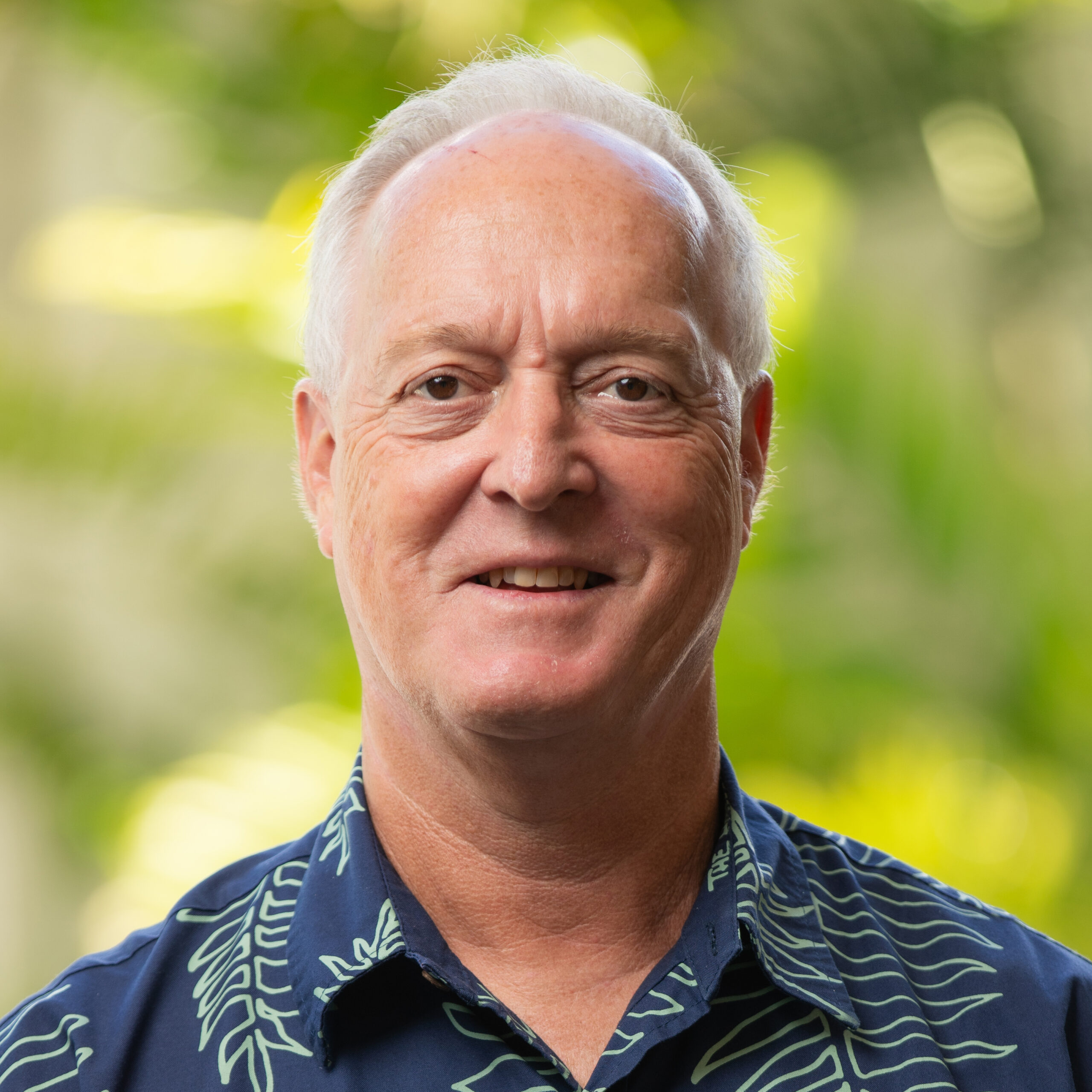
Mālama One plans to import plastic HI-5 beverage containers from across the state and process about 4,000 tons of that plastic in the Shipman Business Park in Keaʻau starting next year, according to Nick Doyle, co-founder and vice president of circular integrations for Mālama One.
That plan has alarmed some county officials, and puzzled others. Hawaiʻi County Council Member Rebecca Villegas, who was briefed on the project, said the company’s claims “sounded amazing, but too good to be true.”

“There’s a lot of questions that are being brought up around it,” she said, “and so I think they’ve got a lot more questions to answer before they’re green-lit.”
Laura Acasio, administrator of the county Office of Sustainability, Climate Equity and Resilience, said in an interview county officials still don’t know enough about the process Mālama One intends to use to recycle plastics, and are unclear on what regulations or controls will apply.
“That’s very much cause for concern,” she said.
Alternative To Shipping Out Of State
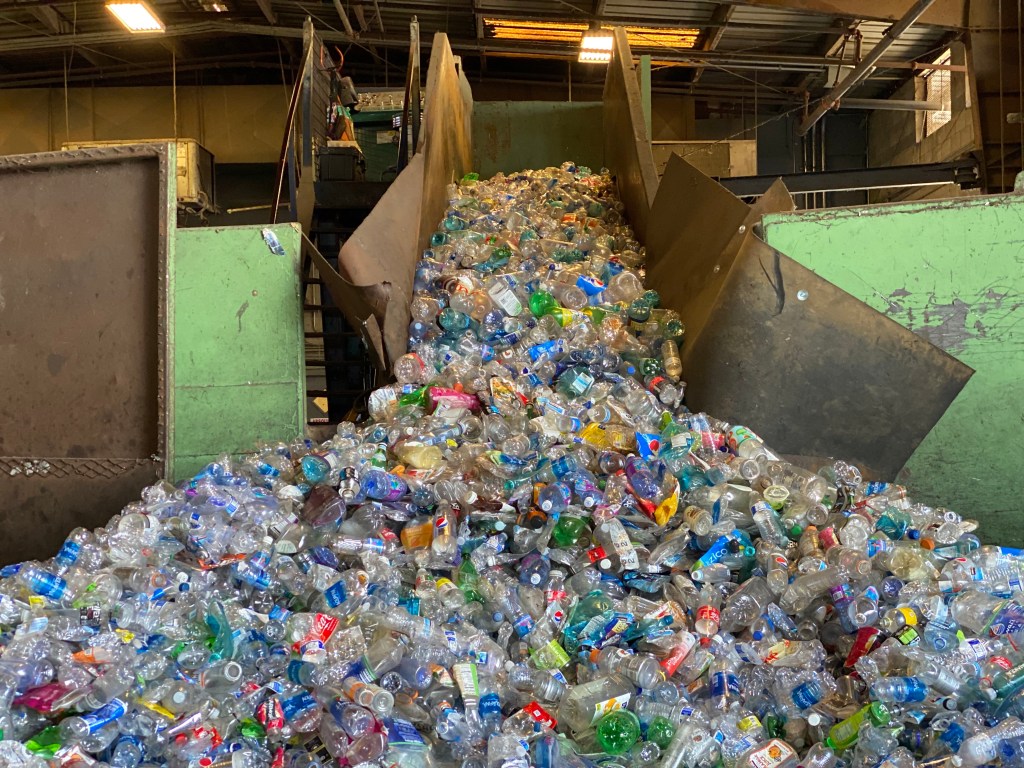
Currently there are no facilities in Hawaiʻi where plastic bottles are melted down so the plastic can be recycled into new bottles, and Doyle said recyclers instead have to ship that material out of state for processing.
“We have a tremendous waste problem,” Doyle told the commission in a public briefing Wednesday. “It is a global one, and it is here on our shores as well.”
He said the Mālama One facility would divert some plastics from the county landfill, and create “a sustainable, dependable supply chain” for beverage manufacturers in Hawaiʻi.
The proposed Mālama One plant would use water and friction to clean HI-5 bottles generated on the Big Island or imported from other islands. Doyle said in an interview the polyethylene terephthalate (PET) from those bottles would then be melted into pellets and re-fashioned into “preforms” that are used to manufacture new bottles.
Ryan Emmons, founder of the bottled water company Waiākea Hawaiian Volcanic Beverages, is also CEO of Mālama One, and Doyle said the preforms would be used by Waiākea or sold to other beverage manufacturers in Hawaiʻi.
The byproduct of that process is a sludge that would be treated in a “zero liquid discharge system” to remove all moisture by running the sludge through sieves and screens, leaving only particulates, he said. Doyle said he does not know how much particulate matter would be left over to send to a landfill.
The water that is removed from the sludge “will be cleaned and then recirculated” to wash new batches of HI-5 plastics, he said.
The Mālama One plan calls for an expansion later in a second phase that involves recycling other types of plastics, but Doyle declined to describe that larger process. “We want to get this PET line going and be able to prove that out,” he said.
According to Doyle the project has secured an “air permit” exemption and a solid waste permit exemption from the state Department of Health, but he declined to say what other permits or exemptions the company might need.
“We’d prefer not to disclose what we don’t have, and only focus on what we do,” Doyle said in a written statement.
Stephen Downes, spokesperson for the state Department of Health, said in a statement Friday that the department’s Solid and Hazardous Waste Branch decided Mālama One’s operations fall outside the branch’s regulatory jurisdiction over recycling and materials recovery facilities.
“This determination is based on DOH’s current understanding of the proposed activities and applicable solid waste regulations,” Downes said.
However, DOH officials explained in that same statement its Wastewater Branch is requiring Mālama One to design and install a pre-treatment system to remove microplastics from the water used in its recycling process before that water is discharged into the facility’s wastewater system.
“This requirement is part of the approvals Malama One must obtain prior to receiving authorization to construct its facility,” Downes said in the statement.
That suggests DOH anticipates Mālama One may need to dispose of wastewater from the recycling process despite the company’s plans for a “zero liquid discharge system.” Doyle did not respond to an inquiry Friday seeking further comment on that DOH requirement.
Questions Keep Coming
Mālama One executives have briefed Acasio, the Environmental Management Commission and even county Mayor Kimo Alameda, but the company still faces questions from county officials as well as concerns raised by alarmed members of the public.
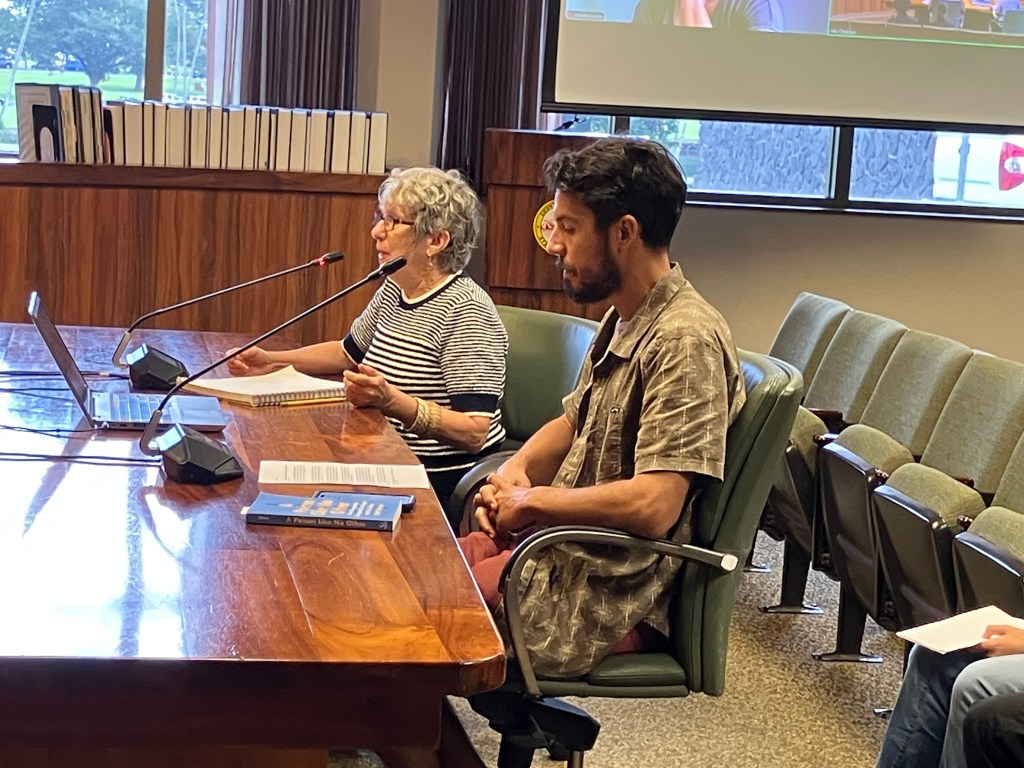
Honokaʻa resident David Hunt told members of the commission Wednesday it is unacceptable for the state to consider any regulatory exemption for Mālama One. He predicted sludge from the facility would pose “a very significant threat to our land, air, water and safety, and to public health.”
Kristine Kubat, executive director of Recycle Hawaiʻi, said the Mālama One project is “the wrong thing,” and should not advance until the state approves new rules to regulate micro- and nanoplastic pollution.
Those are extremely small plastic particles that have been detected in the food chain, and are being studied as a potential health risk.
The Environmental Management Commission made essentially the same argument as Kubat in a Feb. 4 letter to the head of the county Department of Environmental Management and Hawaiʻi County Council Chair Holeka Inaba.
“Given the potential long-term impacts of microplastics and nanoplastics on human health and ecosystems, it is imperative that all parties proceed with caution during the approval process,” commission chair Erica Perez wrote.
The letter urged county officials to pause all county considerations of construction and operation of any plastic recycling facility until the state DOH establishes permitting procedures for those facilities and promulgates rules governing discharge of micro- and nanoplastic pollution.
When asked when those rules might be put into place, Downes of the DOH replied in the statement: “We recognize that microplastics are an emerging contaminant and we are following ongoing research conducted by EPA, which would help to inform the scope of future regulation.”
Doyle told the commission that only a small fraction of 1% of the microplastics found in waterways come from recycling operations.
Mike Rivera, solid waste division chief for the county, said in an interview his experience with recycling operations in mainland cities was that about 10% to 15% of the material that goes into those operations ends up as waste matter.
He said the county needs to get “more specifics on what is actually being discharged in terms of particulate matter.”
“I think in terms of the innovation and creativity, it’s a good thing for the island,” Rivera said. “We just have to overcome the concerns that the community was raising.”
Mayor Kimo Alameda said in a statement that “creating a sustainable future requires a balanced approach that is open to new ideas and promotes collaboration between businesses and the community.”
He added: “While this project could create opportunities for Hawaii Island, I encourage Malama One and community groups to continue engaging in transparent dialogue so that any concerns are addressed.”
Civil Beat’s coverage of climate change and the environment is supported by The Healy Foundation, the Marisla Fund of the Hawaiʻi Community Foundation and the Frost Family Foundation. Our coverage of environmental issues on Hawaiʻi island is supported in part by a grant from the Dorrance Family Foundation.