

This Bill Threatens The Future Of Māmaki And Hawaiʻi’s Local Farmers
A misguided attempt to strengthen Hawaiʻi’s truth-in-labeling protections would actually unravel an up-and-coming industry.
In 2013, my family launched Waimea Herb Company with one mission in mind: to reintroduce māmaki, a native Hawaiian plant with deep cultural and medicinal roots, back into everyday life.

At the time, hardly anyone outside of Hawaiian or local communities even knew what māmaki was, let alone drank it. Today, it’s found in shops, farmers markets, and homes across Hawaiʻi thanks to the collective efforts of small businesses, farmers, and educators who have worked tirelessly to grow a local, sustainable herbal tea industry from the ground up.
Now, a single piece of legislation, House Bill 496, threatens to unravel all of that. HB 496, which currently sits on Gov. Josh Green’s desk and could go into effect as soon as July 1, aims to strengthen Hawaiʻi’s truth-in-labeling protections, something we absolutely support. But due to vague and harmful language, the bill will actually force all companies to abandon the word māmaki unless 100% of all ingredients in a tea blend, not just the māmaki itself, are grown in Hawaiʻi.
Even if the tea is 99% locally sourced and the māmaki is from Hawaiʻi, the label would still be disqualified.
For our fragile and growing industry, it’s a devastating blow. The reality is that māmaki blends currently make up the majority of māmaki tea on the market.
Blends like Māmaki Lemongrass, Māmaki Hibiscus, or Māmaki and Butterfly Pea are how most people have come to enjoy this native plant. These blends are crafted not just by tea companies, but also by community health clinics and cultural practitioners of lāʻau lapaʻau, who have long shared plant medicine the way it has always been done: collaboratively and holistically.
This bill would restrict those community-based practices as well, treating them no differently than mass producers.
Supply Chain Threatened
At Waimea Herb Company, we work directly with farmers across Hawaiʻi island to grow and source māmaki, cinnamon, ginger, lemongrass, and other herbs. We are among the few companies that meet the bill’s requirements and could technically continue selling our māmaki blends. But even if we are in compliance, the farmers who make up the bulk of our supply chain will not be spared.
Companies are already canceling their māmaki orders out of fear of the new labeling restrictions. Our farmers are being left with thousands of pounds of native crops and no buyers.
Take Kelly Sanders, the lead farmer for One Ohana Under Akua, a young 10-acre māmaki farm located in Hawaiian Homes in Waimea. The farm was founded by Marshall Anders before his passing. It was his dream that the land would remain open and serve the community so that Hawaiian plants could continue to be grown on Hawaiian lands by Hawaiian hands.
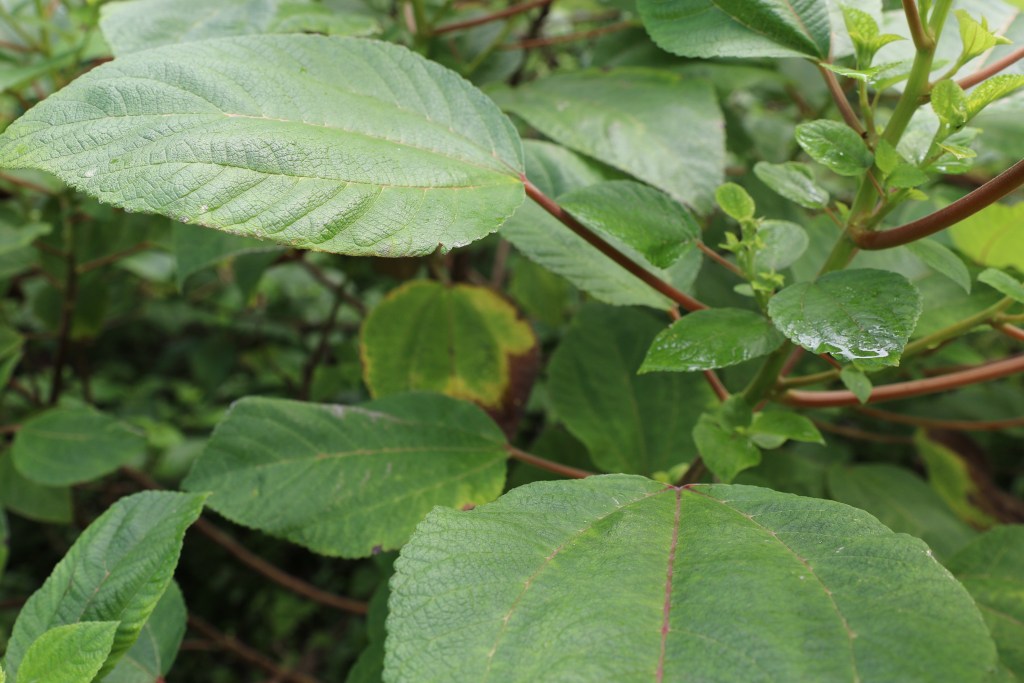
Kelly and his team have carried that vision forward, investing thousands of dollars into planting māmaki and other herbs, working exclusively with local nurseries to ensure every dollar they spend stays in Hawaiʻi. Their goal was never to become a tea company. They simply wanted to be a supplier for local
businesses, restaurants, and community health providers.
But now, with HB 496 looming, Kelly could be faced with the impossible choice of investing over $70,000 out of pocket to build a processing facility, creating and purchasing packaging, and hiring additional labor just to stay afloat. That is $70,000 on top of the already high cost of running a farm in Hawaiʻi.
Three other farms within Hawaiian Homes were preparing to follow in One Ohana Under Akua’s footsteps later this year. They had started planning and preparing to cultivate māmaki and other culturally rooted crops. But those plans are now on hold.
The uncertainty around HB 496 has introduced fear, and these farms are beginning to doubt whether there is any future for māmaki or other Hawaiian-grown crops at all.
Stories like Kelly’s are not rare. They are becoming the norm. And when farmers like him go out of business, it creates a ripple effect that harms all of us.
Waimea Herb Company was built in the community and for the community. We do more than sell tea. We host educational workshops, donate free māmaki seedlings and herbs to farms and families across the island, and partner with local schools and clinics to share the cultural and health benefits of native plants.
More Than A Product
Our mission has always been about more than profit. It is about reconnecting people to the land, to ancestral knowledge, and to health practices rooted in aloha ʻāina.
Māmaki is more than a product. It opens the door to conversations about food sovereignty, cultural revival, and education beyond the classroom. When customers drink it, they are not just enjoying a local tea. They are participating in a movement to reclaim space for native plants and the people who grow them.
This bill does not reflect that nuance. Whether intentional or not, the wording of HB 496 is overly broad and ultimately punitive. It fails to consider the complexity of local agriculture, the growing pains of young industries, or the interconnected ecosystem of growers, makers, and educators who keep this movement alive. While the intention of the bill, to prevent misleading labels and protect consumers, is valid, the execution is deeply flawed.
Since our founding, we have never raised our prices. We have absorbed inflation, rising shipping costs, and the high cost of doing business in Hawaiʻi so we can remain affordable for our customers and fair to our farmers. But we cannot carry this burden alone. Local purchasing only works when it is shared across many buyers. When companies pull out of the market, the entire system begins to collapse, and no single
business, no matter how committed, can keep farmers afloat on its own.
We urge Gov. Green and Hawaiʻi’s lawmakers to pause and reconsider the unintended consequences of this bill. We are not asking for loopholes. We are asking for clarity and fairness, language that protects both truth in labeling and the survival of a vital, homegrown industry.
This moment should be about investing in our farmers, not punishing them. It should be about supporting local businesses that have spent years restoring native crops to our islands. It should be about honoring the people who plant seeds with the hope that future generations will thrive.
If māmaki disappears from the market again, so do the educational programs, the partnerships with schools, the jobs in rural communities, and the renewed pride that comes from seeing a native plant thrive. We cannot afford to lose all of that, not after how far we have come.
Now is the time to protect māmaki and the people who brought it back.

