

Hawaiʻi Public Defender Urges Governor To Bar Cops From Working With ICE
Call to issue an executive order echoes legislation that failed this year but raises questions about autonomy of local law enforcement.
The state’s Office of the Public Defender has stepped into the convulsive national fray over immigration enforcement, asking Gov. Josh Green to issue an executive order largely barring law enforcement agencies from collaborating with federal immigration authorities.
The proposed order, which lawmakers considered but failed to pass during the latest legislative session, offers few exceptions, raising questions about whether it would supersede local law enforcement’s ability to reach its own agreements.
A letter to Green last week that accompanied the request called it “extraordinary… and out of the ordinary advocacy of the OPD.”
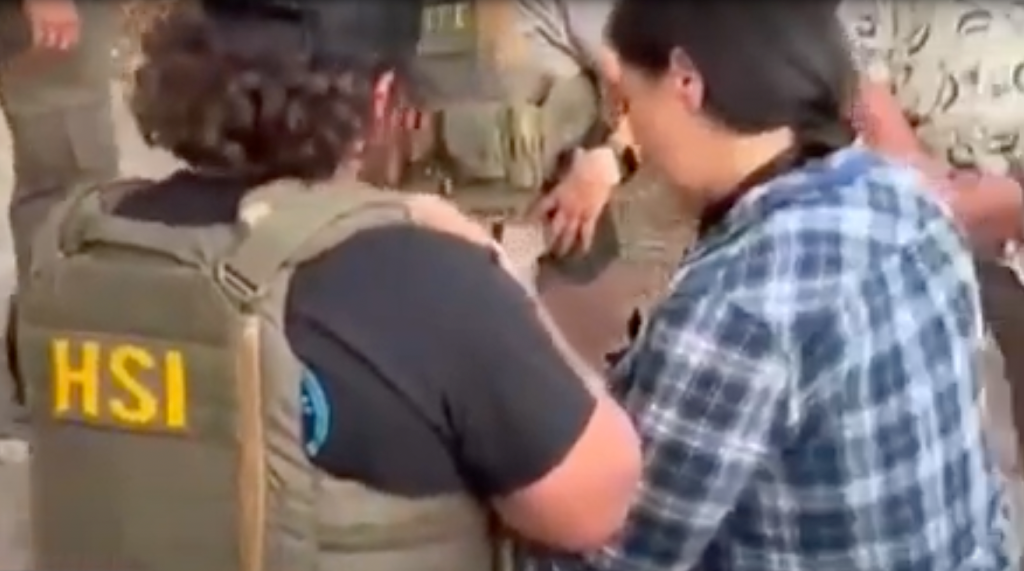
Deputy Public Defender Sonny Ganaden, who wrote the draft order, said it came in response to a nationwide surge in immigration enforcement and the $170 billion or so allocated to that effort in the domestic policy bill President Donald Trump signed into law on July 4.
“This isn’t, in my mind, radical in any sense,” Ganaden said. “I think what the federal government is doing is radical and we’re just trying to react to that.”
The draft order says that “state and local agencies have significant discretion regarding whether and how to respond to requests for collaboration and assistance from federal immigration authorities.” It doesn’t address the question of whether Green, through an executive order, has authority over county police departments to limit their actions as envisioned.
Agencies Already Have Agreements With Feds
All four county police departments have existing contracts with Homeland Security Investigations — a division of ICE — and other federal law enforcement agencies such as the Drug Enforcement Administration, under which they work together on what officials have said are investigations unrelated to immigration.
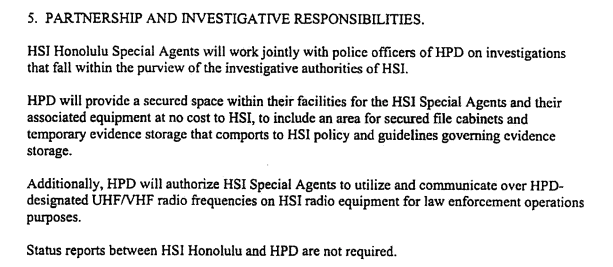
Critics have called those agreements a slippery slope toward local police working with ICE to pursue and detain immigrants but Ganaden said the order, as written, would likely not apply to them.
Ganaden acknowledged there are valid legal questions about local control, however, but likened the proposal to sweeping executive orders issued by former Gov. David Ige during the Covid-19 pandemic, describing the current immigration crackdown as a similarly pressing circumstance.
“I don’t see anything prohibiting the governor from acting in residents’ best interests, not just citizens but non-citizens as well,” Ganaden said. “What the federal government is doing right now is unprecedented. And so because of that, they’re creating this situation. We’re playing defense here.”
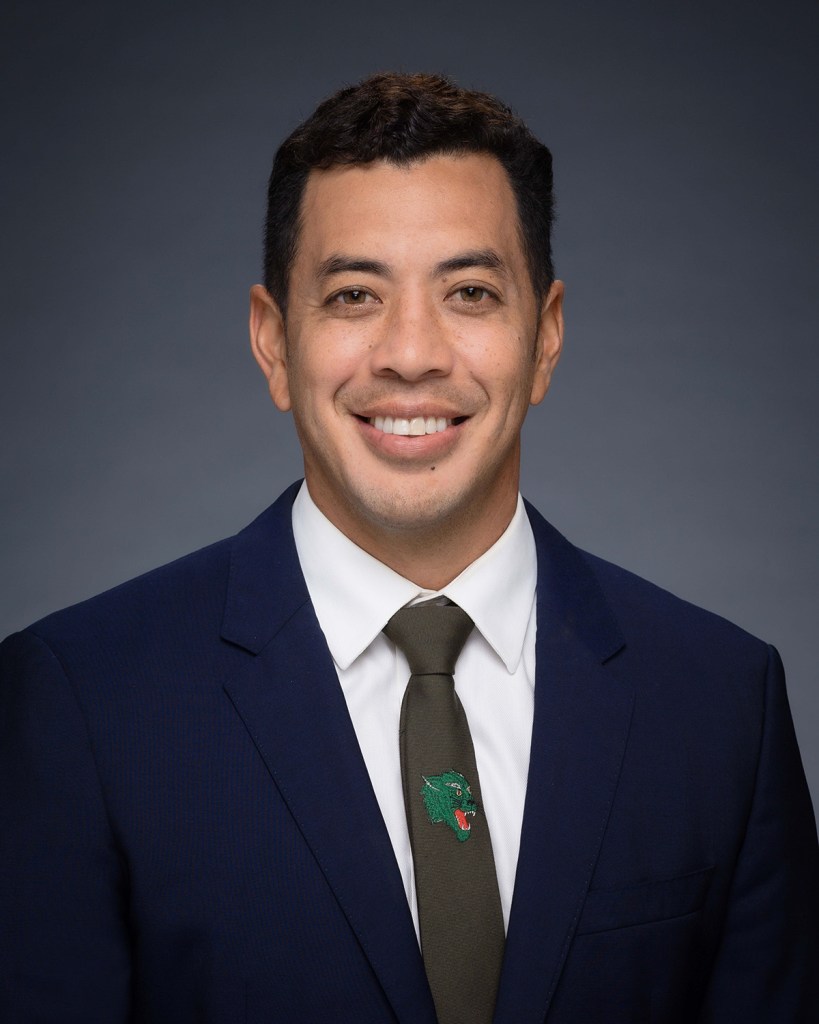
Federal immigration authorities have increased the number of immigration raids around Hawaiʻi since Trump took office, with more than 110 arrests made on the islands in the first six months of his term. They included the early-morning questioning of Maui teachers here on legal work permits from the Philippines, who were not ultimately detained, and an operation to pick up undocumented immigrant children and the adults in their lives on the Big Island.
The order would prohibit law enforcement agencies here from working with immigration authorities except in limited cases. For example, they could not detain or transfer someone at the request of federal agents for civil immigration violations unless the person had been convicted of a felony within the past five years or was believed to be a terrorist.
The order would also forbid counties or agencies from applying for federal grants for police activities on behalf of the U.S. Immigration and Customs Enforcement agency, or ICE. And it would not permit public schools or health facilities to collect information related to immigration or citizenship status, or allow immigration agents into their facilities in most cases.
That would in effect implement in Hawaiʻi a “sensitive places policy,” in place nationwide since 2011 until the Trump administration rescinded it Jan. 20, which limited ICE’s ability to conduct enforcement actions in places such as schools, hospitals and churches.
Order Would Echo Failed Bills
The draft order was in large part the text of a bill, HB 22, that died early in the 2025 legislative session when the House Committee on the Judiciary and Hawaiian Affairs recommended it be deferred. It also included language from a separate bill that died, too, HB 440, which proposed the rules for schools and health facilities.

State Rep. Greggor Ilagan, who introduced the two bills, said he hadn’t previously known about the public defender’s move but applauded it.
“I wanted to ensure that we have protections for immigrants who want to be citizens and are going through the process,” Ilagan said.
He said a combination of factors doomed the bills: the potential of losing federal funding, retribution from a president willing to use the levers of government to go after people he thinks ill of, and even concerns about the safety of school and health facility employees.
Ilagan acknowledged those factors may still exist, but said: “Whether the concerns are still the same or not, I still believe that these issues are things that we need to take on and that we need these safeguards in place.”

State Sen. Brenton Awa, the Hawaiʻi Senate Minority leader, did not respond to a request for comment.
The governor’s office, asked whether Green had previously considered or would seriously consider issuing such an order, deferred to the state Department of the Attorney General, which issued a statement that did not directly address the question.
“The Department of the Attorney General has a strong relationship with federal law enforcement. That being said, the department has filed legal actions against the administration where it has acted illegally or unconstitutionally,” the statement said. “This includes litigation against federal agencies that have unlawfully attempted to impose conditions on grants that would require cooperation with federal immigration action.”
Immigrant advocates said they would urge the governor to issue the order.
“The public defender is very correct in pointing out that the feds know that the only way that they can achieve these enormous mass deportation numbers is if they co-opt our local police departments and our law enforcement officers to do their job for them,” said Liza Ryan Gill, co-coordinator of the Hawaiʻi Coalition for Immigrant Rights.

