Parking Will Be Banned In Lanikai Loop To End Beachgoer Gridlock
The city’s plan to quell Lanikai’s traffic nightmare involves no parking on the main loop and more bike racks and buses.
Honolulu is moving to ban parking along Lanikai’s one-way loop to eliminate the gridlock that occurs when visitors descend on the Kailua neighborhood to enjoy its Instagram-worthy turquoise water and soft, white sand.
Parking will also be prohibited on Lanikai’s side streets between 10 a.m. and 4 p.m. To help people get in and out of the area, which is accessible by just one road, the city will invest in more bus service and easier bike access.
The city presented its final Lanikai Transportation Management Plan to the Kailua Neighborhood Board during the board’s June meeting. Tom Cestare, who until a few weeks ago was the Lanikai Association’s longtime president, supports the proposed restrictions.
“We didn’t just come to this — our plan — in a twinkling,” he said, referencing his work with the city to solve the neighborhood’s traffic problem. “This is a 10-year observation of what works and what doesn’t work.”
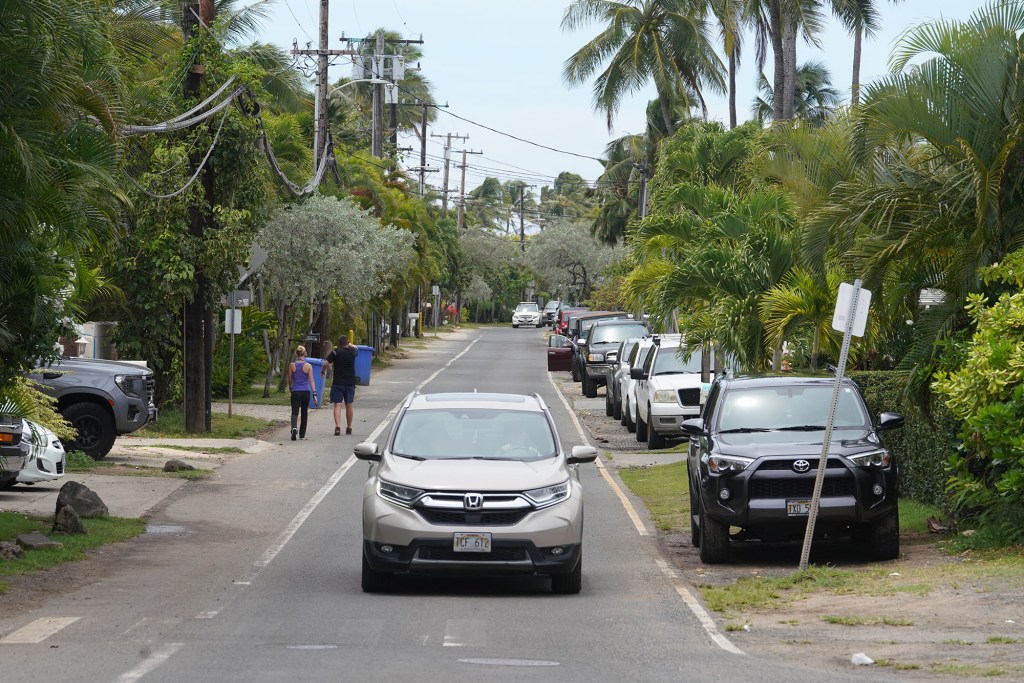
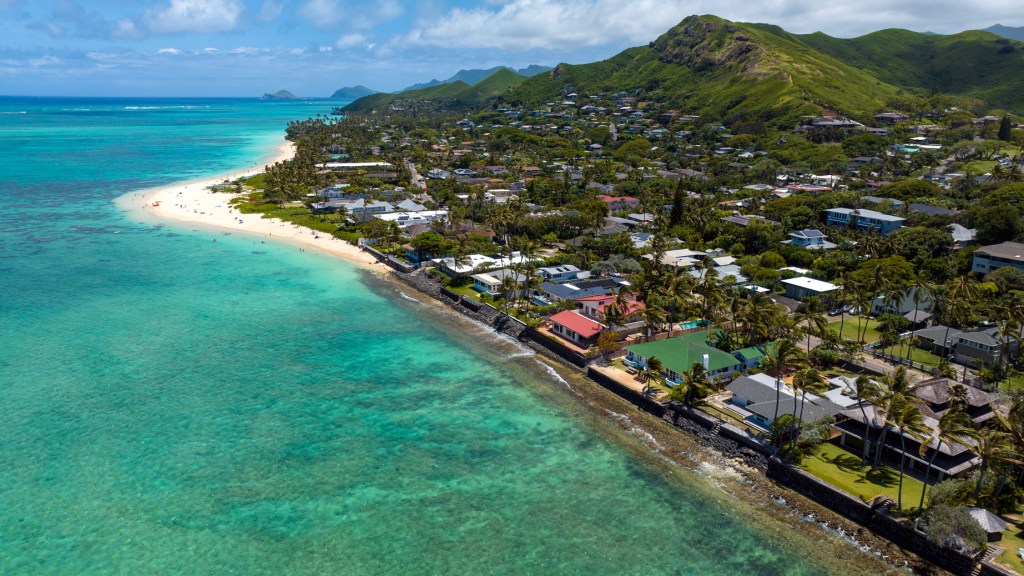
Lanikai is a victim of its own success. The community, on Oʻahu’s Windward Coast, has charming, verdant streets and scenic views of the Mokulua Islands just offshore. But when the weather is nice — as it often is — those charming streets fill with traffic. As people look for places to park, drivers get trapped in the neighborhood’s one-way loop, sometimes for more than an hour.
It’s difficult to make it to doctor’s appointments, Cestare said. “You can’t get out. You can’t make that appointment,” he said. “Or how about going to the airport? Good luck.”
‘As Many As 300 Cars Are Jammed In’
The parking ban on the one-way loop aims to reduce the number of cars that enter the neighborhood with no place to go.
At peak times, “as many as 300 cars are jammed in” along the roads, Kailua Neighborhood Board Chair Bill Hicks said. He thinks that will drop by about two-thirds once the city implements its plan.
But Department of Transportation Services spokesperson Travis Ota told Civil Beat that some cars are parked illegally, so there won’t necessarily be a net reduction in legal parking.
To help people access the neighborhood without a car, the department will request funding to add another bus to Route 671, which loops from Kailua through Lanikai roughly every 40 minutes, install bike racks and create dropoff zones near the beach. Narrow side streets between ʻAʻalapapa Drive and Mokulua Drive will be widened and made one-way so cars can park there during certain hours.
These changes need to be made in the right order, said Jon Nouchi, deputy director of the city’s Department of Transportation Services. Banning parking along the loop before widening side streets, for example, could result in more cars parking where they’re not supposed to, he said.
The city wants to make sure the changes don’t “cause any more undue grief or angst,” Nouchi said. He plans to meet with the Kailua Neighborhood Board in the coming months to hammer out those details.
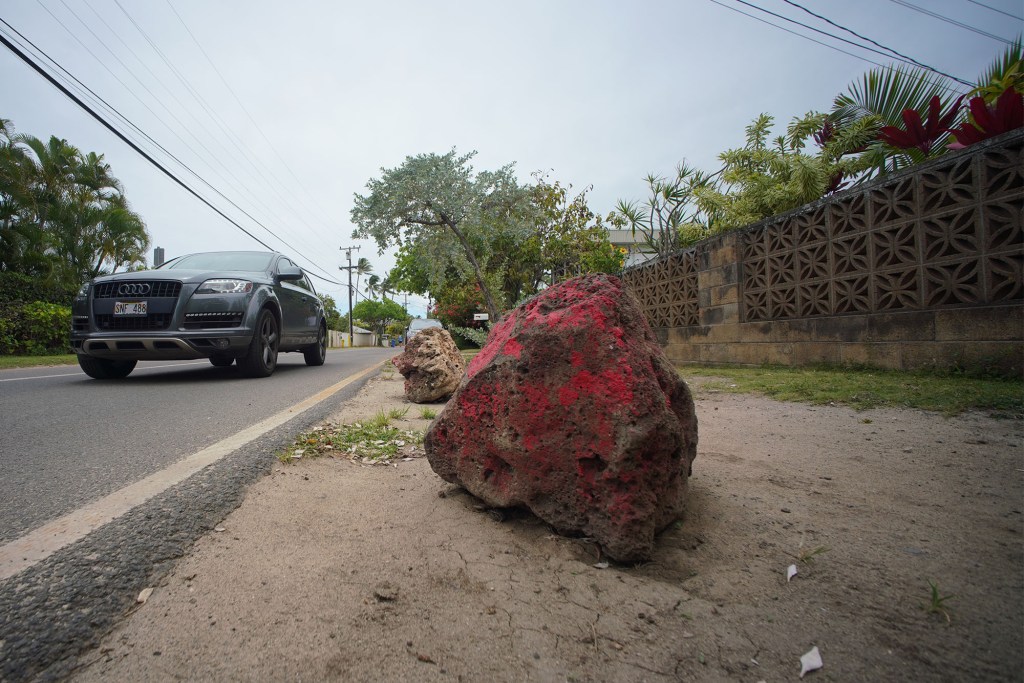
The proposed parking restrictions are the same as the city’s holiday weekend parking rules except for the times they’ll be in effect. Cestare said the holiday restrictions help with congestion, and perhaps making them permanent is enough.
“I don’t know that you need to spend all the other money to change the directions of some of the streets” and create loading zones, he said.
Changes Could Take Years
The changes aren’t imminent. The department has to request funding, which at the earliest could be approved in a little less than a year when the City Council adopts Honolulu’s next budget.
After that, the city will put the work out for bids. It will involve changing road striping, making signs regarding parking restrictions, widening at least some side streets and building drop-off zones.
Nouchi said city officials are thinking of hiring one contractor to do all of that work.
“Then we have full control over their resources and can work with the community to make sure we don’t do it at a time that impacts, say, the paddling season or summertime rush,” he said.
He estimated it will take three years to complete everything, but it could take longer if they run into unforeseen problems.
It took three years for the city to settle on the final plan, Nouchi said — partly because the city sought residents’ input on the draft plan, but also because the department has to spread its efforts among many neighborhoods. Despite its popularity, Lanikai can’t get all the attention.
Residents of the wealthy neighborhood have been accused of not wanting to share the beach and its view with outsiders, Cestare said.
“It’s not that,” he said. “We don’t want your cars.”