This Deadly Oʻahu Beach Reveals The Challenges Facing Hawaiʻi Lifeguards
More residents drown on the North Shore of Oʻahu than almost anywhere else in the state. Even as the county ramps up resources for lifeguards, it’s a difficult problem to solve.
At first, it looked as if the 14-year-old girl from Mililani was floating playfully with her friends in the whitecapped water off Ke Iki Beach on the North Shore of Oʻahu.
But as she drifted 20 feet from shore, the teen’s head dipped below the surface and a tourist watching from his vacation rental realized she was in trouble. The Portland lawyer jumped into the 10-foot waves pushing her toward the jagged rocks and heaved her onto the shore, unconscious but alive.
“If anything comes out of this,” the man told a newspaper reporter in 1989, when the incident occurred, “I hope it’s more warning signs and safety equipment.”
Even back then, Ke Iki Beach had a reputation for being a dangerous spot. The rip current had claimed the life of a diver whose body was found without his scuba gear up the coast. Once, waves tore into beachfront cabins, washing one man on his mattress into a bush and pinning another between his bed and a collapsed wall.


“This is a bad beach,” lifeguard Frank Supranovich told reporters that year. “I don’t know what the holdup is getting a guard in there.”
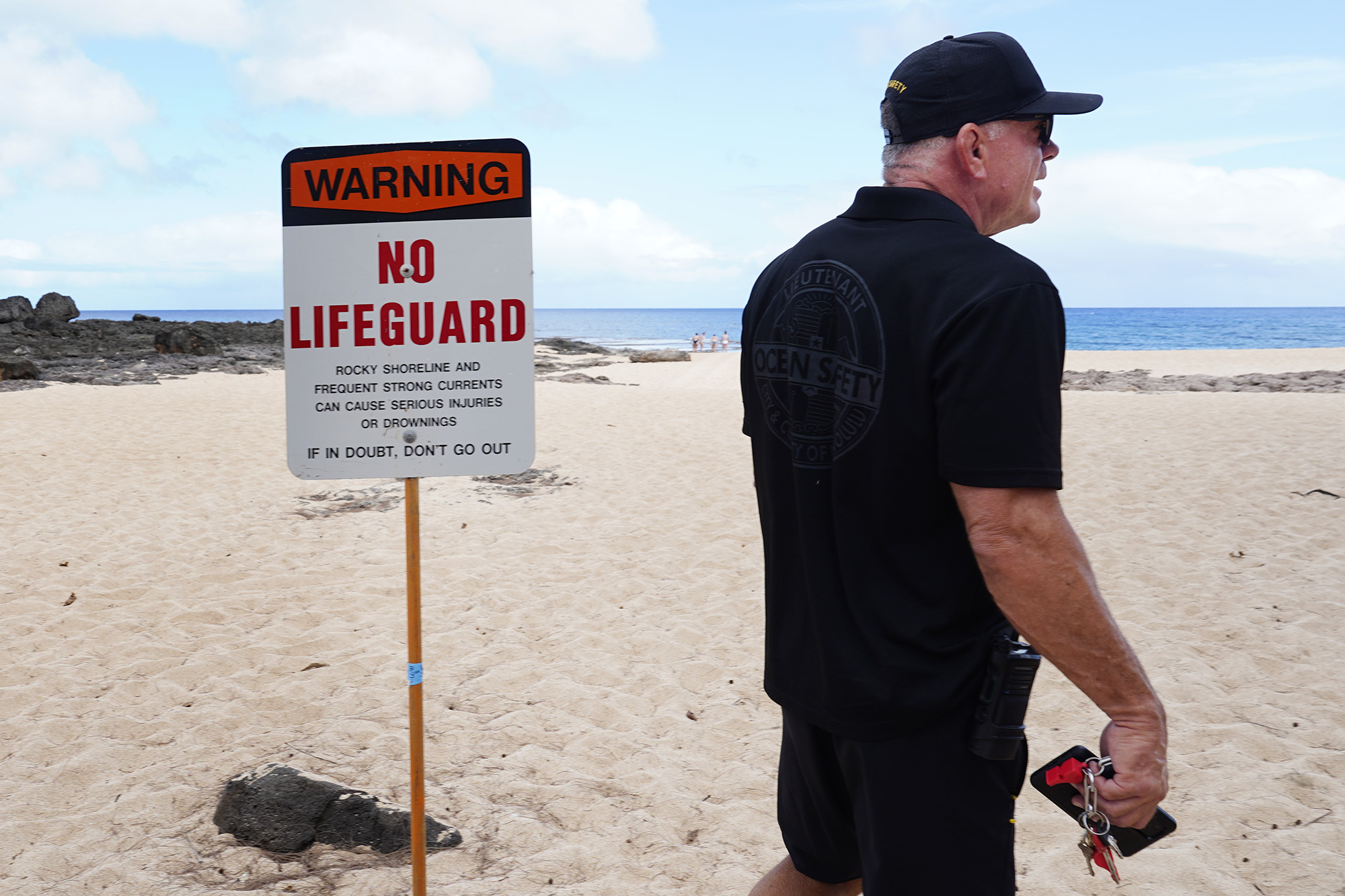
Three decades later, there is still no lifeguard stand at Ke Iki, just one sunbleached plastic flotation ring hanging on a tree. There are no permanent signs on the unpaved path from the road to warn beachgoers of the danger, although lifeguards put up temporary signs indicating big swells or strong currents and patrol the beach on all-terrain vehicles.
The Department of Health doesn’t track how many people have died at Ke Iki, but media reports show at least five people have drowned there in just the last three years. Just this January, a pair of teenagers — also from Mililani — disappeared at Ke Iki Beach late at night. The 18-year-old boy was found in the water 200 yards offshore the next day, his body in pieces. The 17-year-old girl has not been found.
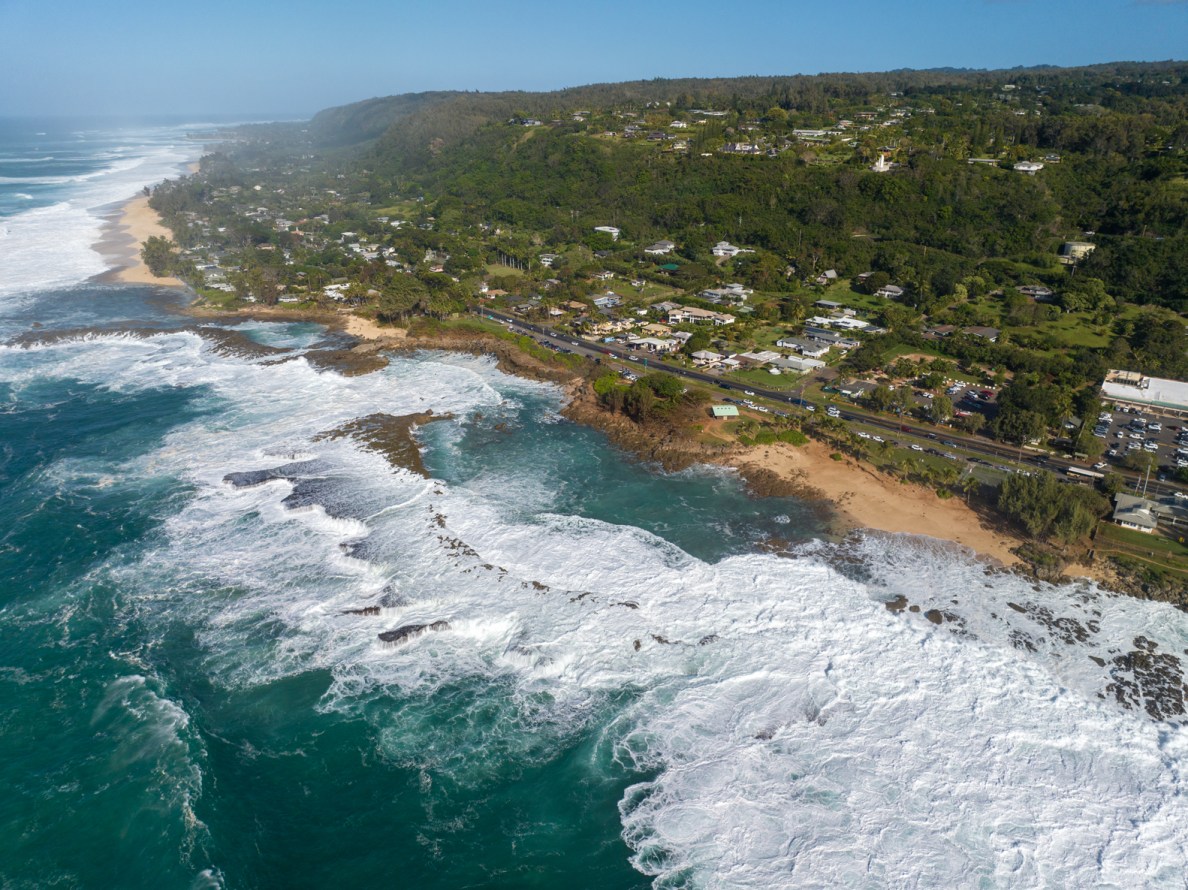
Ke Iki is in the middle of one of the deadliest stretches of oceanfront in Hawaiʻi, a state that already has the second highest per-capita rate of resident drownings in the nation. In the last 10 years, 86 people have drowned on the North Shore — 64 of whom called the islands home.
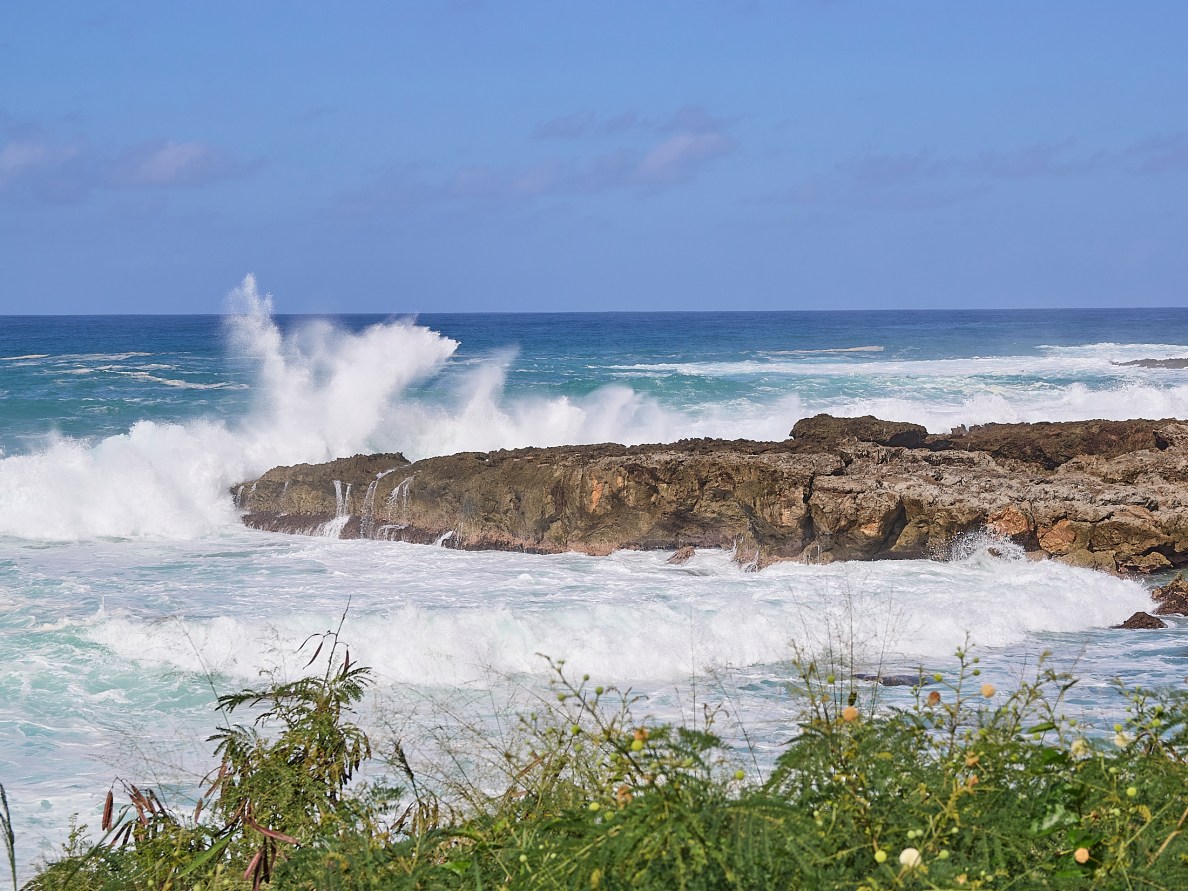
Keeping people safe on the North Shore is no easy task. Conditions change rapidly, especially on the 7-mile stretch from Haleʻiwa to Sunset Beach famed for its winter surf breaks. Rogue waves catch people by surprise. Residents, in particular, take risks while free diving or fishing, often preferring remote areas away from crowds and lifeguards.
Ask any ocean safety expert in Hawaiʻi, and they’ll say lifeguards save lives. But for decades, Honolulu officials didn’t act like it. Former ocean safety leaders describe an uphill battle for funding, staff and equipment. While the scale of the response lagged, people continued to die.
Now, change is in the works. The City and County of Honolulu has been ramping up the resources lifeguards have long said they desperately need. Those investments seem to be paying off, with 2024 seeing the lowest number of residents drowning islandwide in at least a decade.
But ocean safety officials say that further reducing fatalities will take more education on the dangers of the ocean and more lifeguards in towers and patrolling beaches.
“Are we going to prevent them all? No,” said Ralph Goto, who led the county’s ocean safety efforts from 1981 to 2013. “But we can do a lot of things that we think work.”
Never Enough Lifeguards
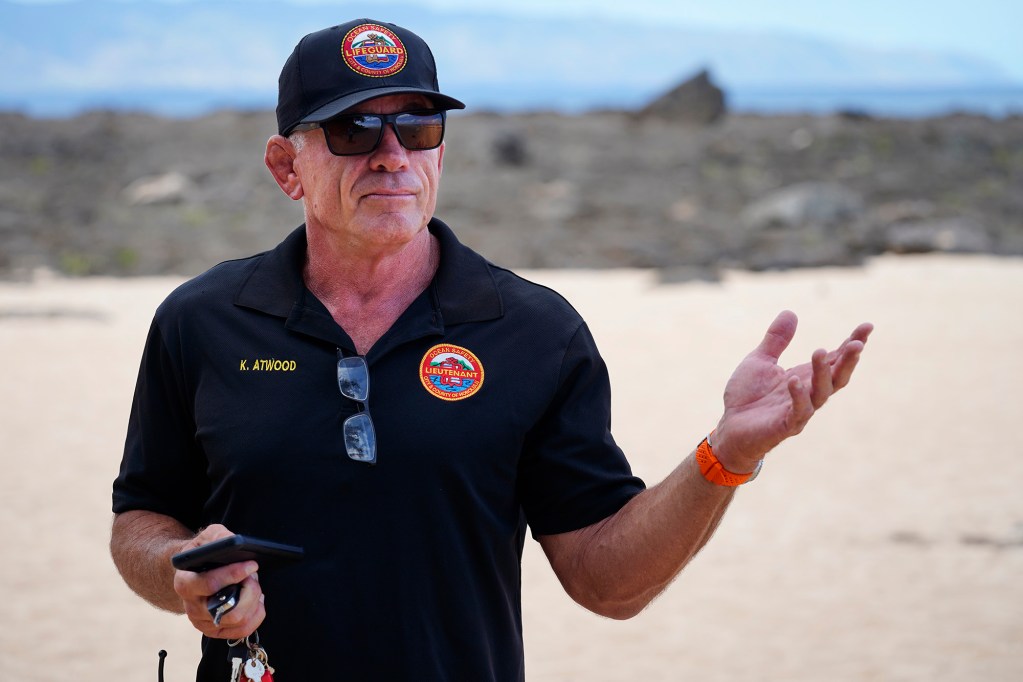
Kerry Atwood drove down the Kamehameha Highway on the North Shore on a sunny Friday in June, past the legendary surf breaks and the shallow reefs dotted with dive buoys and snorkels poking above the surface.
It’s a familiar route, one he patrols daily as a lieutenant with the county’s Department of Ocean Safety. Reports from lifeguards intermittently came crackling across the radio in the truck’s center console — the size of the waves, the direction of the wind, the strength of the current.
With a spare pair of sun-faded board shorts tied to the back of the truck and surfboard strapped on top, Atwood is ready to be the fastest first responder in the water on any stretch of this iconic coastline.
The North Shore is the largest and most dynamic of Honolulu’s ocean safety districts — 53 miles of rugged coastline from Kaʻena Point to Kaneohe Marine Corps Base Hawaiʻi. Waves can easily reach 20 to 30 feet in the winter, breaking onto sharp, shallow reefs. The thundering shorebreak is so heavy that it breaks bones. Lifeguards run toward the wall of waves, often relying on jet skis to battle the surf and reach people in time.
Eight white fiberglass lifeguard towers are scattered across the area, the least of any district other than Hanauma Bay, which has a fraction of the territory and mostly caters to snorkeling tourists.
It used to have even fewer. The first lifeguard towers went up on Sunset Beach and Waimea Beach in 1968, and by 1998, there were still only five on the North Shore.
Ocean safety officials say the towers give lifeguards a constant vantage point on the water, allowing them to notice before people get in trouble. The county usually places towers at public beaches with restrooms and parking lots but also considers data on injuries and rescues when deciding where they’re needed. It costs about $170,000 to erect a new lookout, but then the department also has to pay to staff it.
As he drove past Laniākea Beach about 2 miles north of Haleʻiwa, Atwood pointed out the truck window at a white lifeguard tower hidden in the trees that has been standing since at least 2010. Back in the day, he said, instead of a formal tower, lifeguards operated out of a makeshift lean-to they jokingly called “the fruit stand” because it looked like a roadside spot to buy fresh produce.
Waves at the popular surf spot break right on a shallow reef, making injuries a common occurrence. “I don’t know how we got by without having a tower here,” Atwood said.
In the early years, lifeguards even had trouble getting Band-Aids, said Jim Howe, who started as a lifeguard at Waimea Bay in 1981 before leading ocean safety operations and, later, the Department of Emergency Services.
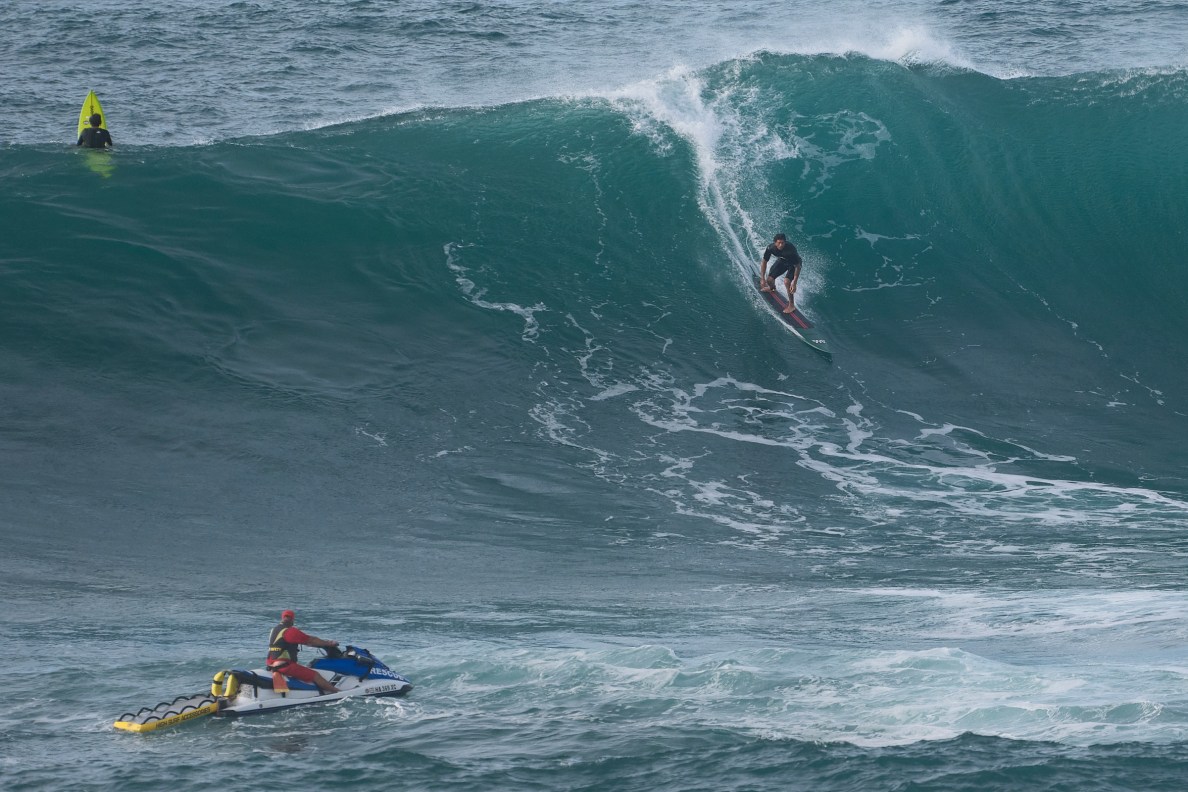
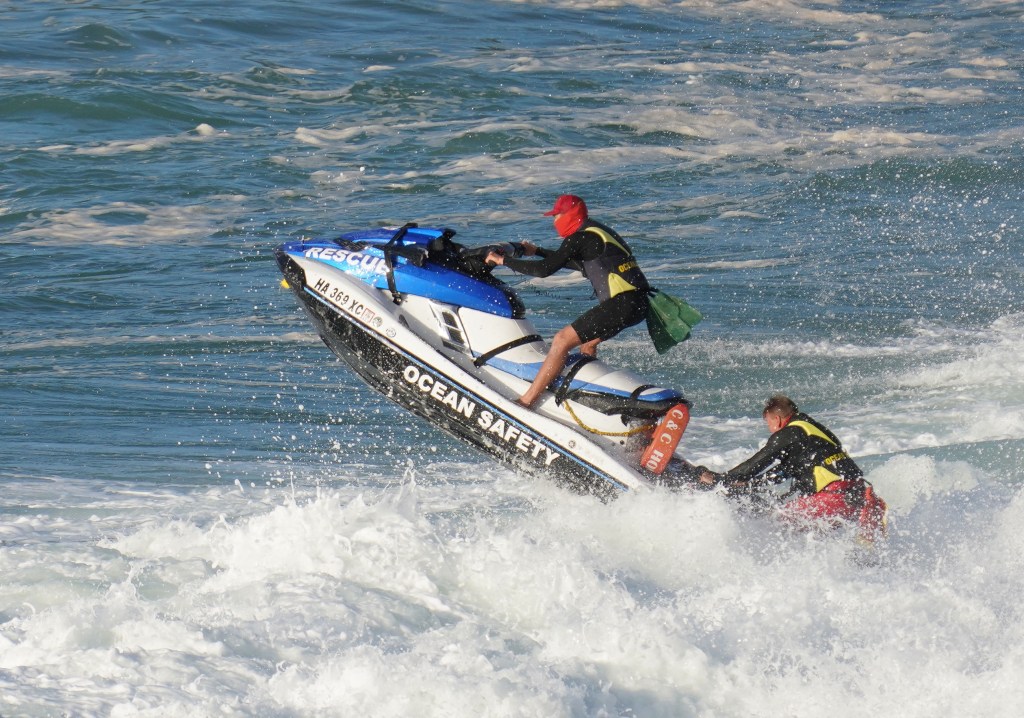
The City and County of Honolulu has nine rescue crews across the island equipped with jet skis to patrol the coastline and rescue people from dangerous surf. On the North Shore, these jet skis help lifeguards navigate the world-famous swells at Waimea Bay (left) and Pipeline (right). (David Croxford/Civil Beat/2024; Cory Lum/Civil Beat/2020)
“We were so out there on our own,” he said. “It was honest to God, scary. We had people dying in our arms.”
Former ocean safety officials like Howe say that county support for lifeguards has lagged because, for decades, lifeguards weren’t treated like first responders. Instead, ocean safety was attached to the parks department. Lifeguards were only supposed to respond to incidents at county beach parks, and it wasn’t until 2006 that they were made the primary responders in ocean safety emergencies anywhere on Oʻahu.
Access to funding and resources got better when ocean safety was put in the newly created Department of Emergency Services in 1998. In the last decade, the budget for ocean safety has almost tripled.
Even with the recent influx, there are still not enough lifeguards watching the water. “We still need a bunch more,” Goto said. “There’s never enough, really, seriously.”
One way lifeguards address this is through mobile units. The original lifeguard truck on the North Shore was actually a city hearse with a surfboard strapped on top. The county now has nearly two dozen mobile units that can be deployed across the island, including rescue operators patrolling the coast on jet skis and senior lifeguards doing the same from trucks on land.
Atwood is one of those lieutenants, roving up and down the 53 miles of coastline of the North Shore district in a red pickup, watching the water. He says the lieutenants are like the versatile “tight ends” of lifeguards, running managerial duties in the district, serving as incident commander on the scene of an emergency and performing rescues in remote areas.
And at particularly risky spots where there is no lifeguard station, the Department of Ocean Safety puts lifeguards sitting in trucks as a sort of temporary tower. That’s the case at Sharks Cove and Three Tables, less than a mile from Ke Iki Beach, which have been troublesome areas and make up a large portion of the drownings so far this year.
“We can’t always be everywhere at once and watch all 227 miles of coastline,” said Kurt Lager, acting director of the Honolulu Department of Ocean Safety. “But we will respond, and we can get to most areas in a matter of minutes if there’s an emergency.”
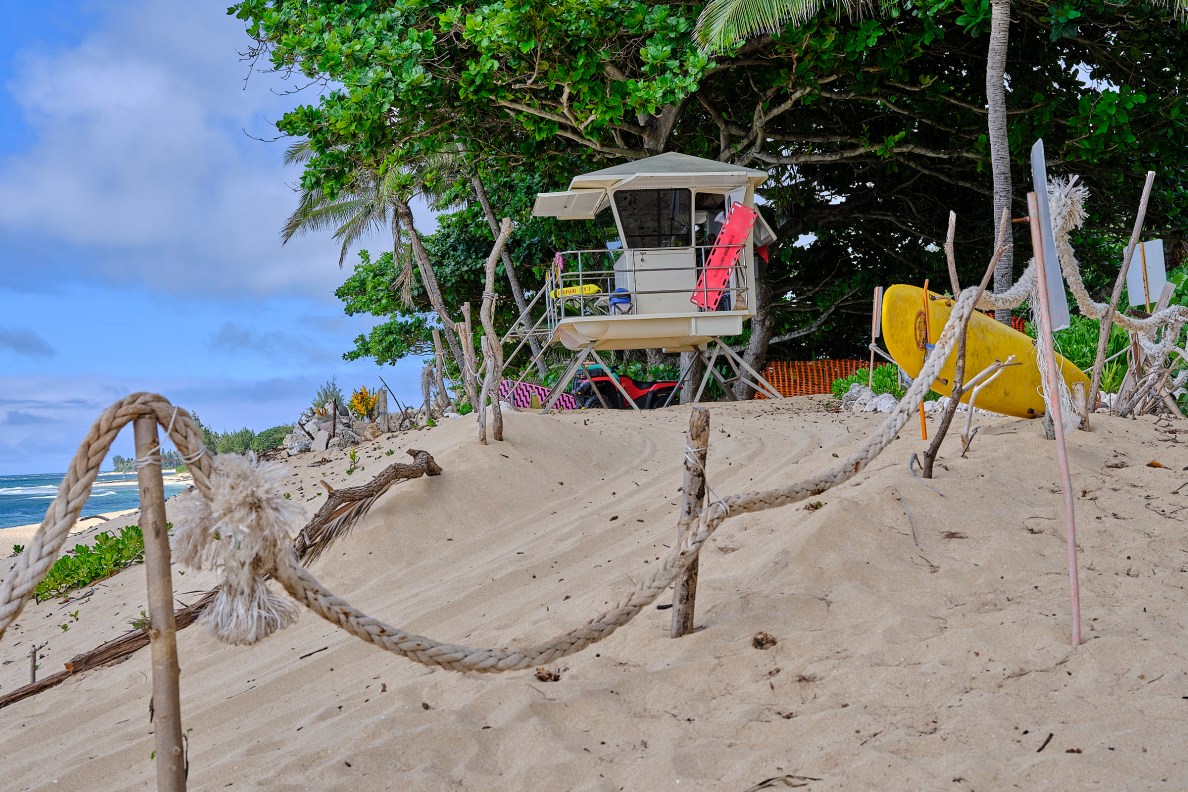
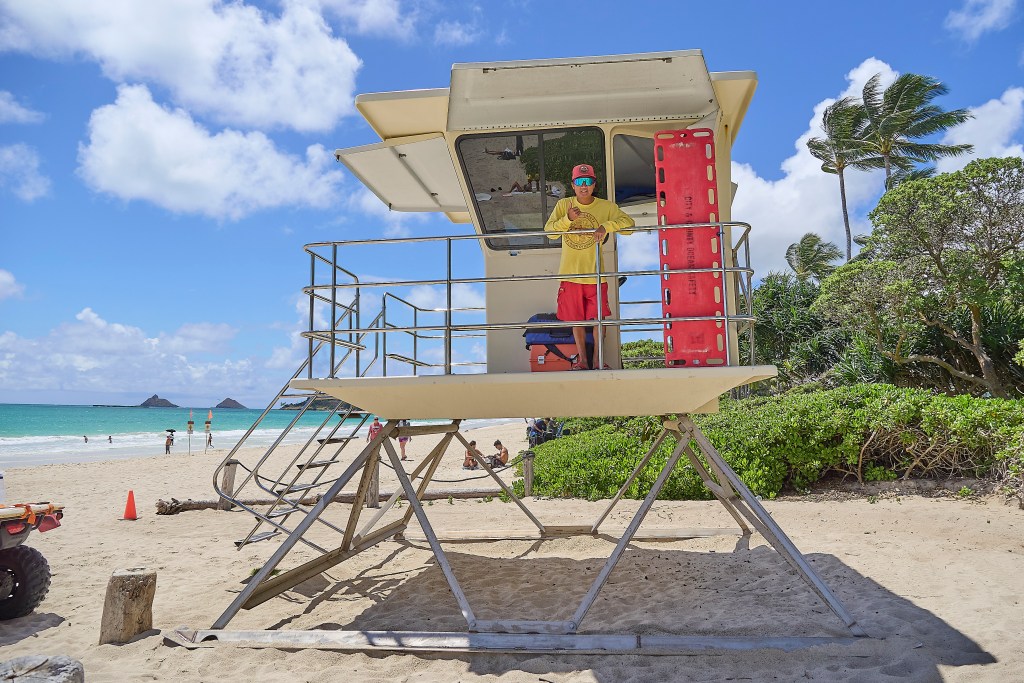
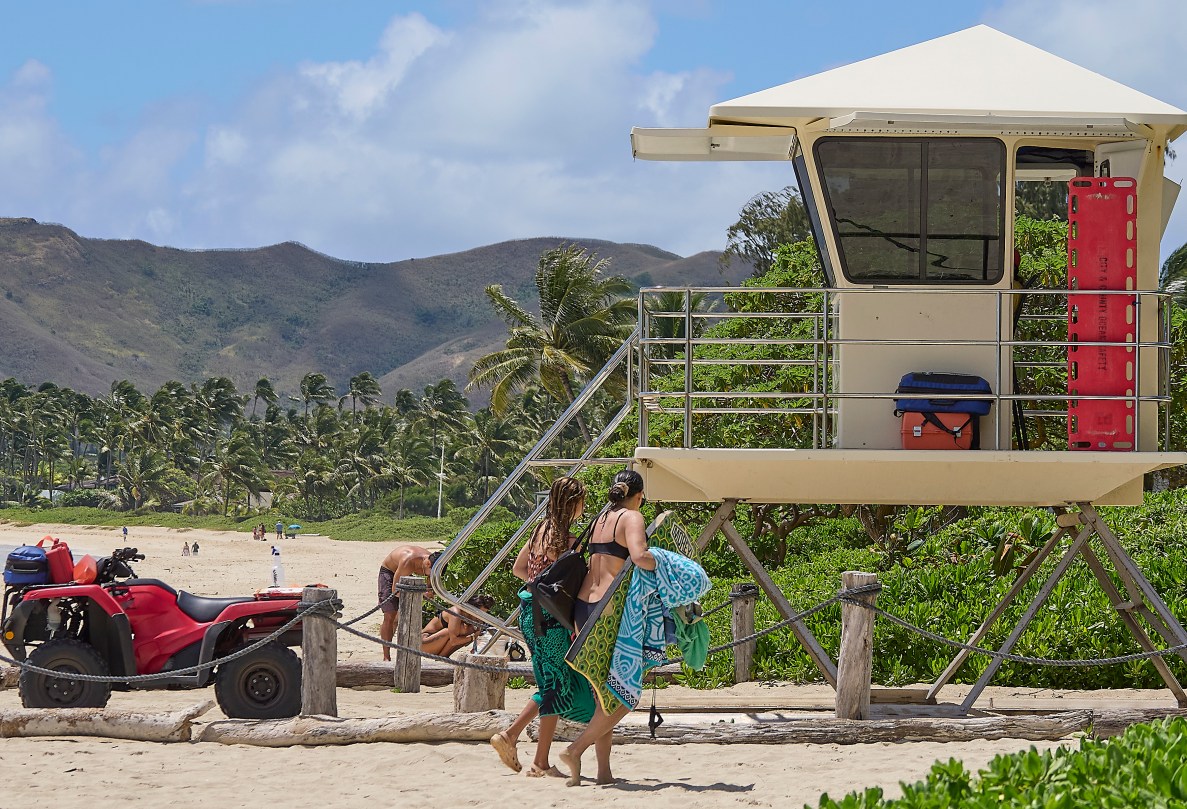
Things have vastly improved in the last few years, with lifeguards saying they have more resources and support than ever before. Last May, Honolulu Mayor Rick Blangiardi created the first standalone ocean safety department.
Guards are also stationed at the 911 dispatch center, so when people in Honolulu call emergency services regarding an ocean safety incident, a lifeguard picks up the phone.
“With their knowledge, we’re able to get lifeguard resources to where the emergency is much more efficiently,” Lager said.
And after years of back and forth, in 2023, the county expanded the hours that lifeguards are on the beach. Lifeguards are now on duty 10 hours a day from 8 a.m. to 6:30 p.m. That required adding more than 30 new lifeguard positions.
But even if they had unlimited funding, placing a lifeguard tower on every beach isn’t realistic, ocean safety officials said.
“The responsibility is to cover the whole island. But what level of service do these different areas really require?” Howe, who retired in 2020 after leading lifeguard operations on Oʻahu for 20 years, said.
“Does it require 365 days a year, 10 hours a day, direct vigilance of somebody watching?”
‘A Washing Machine With Teeth’
Ke Iki Beach is the only place on the North Shore where the intensity of the waves has made Atwood feel like he might drown. The long stretch of undulating beach is relatively empty compared to the busy county parks with convenient parking lots and bathrooms. Hidden behind small homes, Ke Iki is invisible from the road.
The water was completely flat as Atwood walked across the beach last month. But it is a deceptively complex beach. At times, it looks calm with exposed tide pools ideal for collecting sunrise shells and pukas or searching for creatures living in the intertidal. But swells come in quickly, and the next set can be huge.
“Just the power of the shore break here is like …” Atwood said, trailing off as he surveyed the water. “I’ve never been hit by a car, but I can imagine that’s kind of what it feels like.”

In the winter, the waves wash out the sand, leaving behind lava rock, pounded by some of the heaviest shorebreak on the North Shore. Despite the wall of water rolling in, people still venture down to the beach — sometimes past lifeguard warning signs and caution tape — to climb out onto the rocky tidepools, seemingly unaware that the next set might be bigger than the last and a rogue wave can drag them out to sea. Last October, two tourists died after a wave swept them off the beach.
“If you’re there, you’re going to get taken and dragged across the lava rock,” said Seth Ohst, a surfer and sports massage therapist who lives along the road down to the beach.
“You’re landing on something that’s like asphalt. It’s jagged and it’s sharp. So one hit, and it’s lights out,” Ohst said. “It’s like a washing machine with teeth.”
Atwood thinks a lifeguard stand at Ke Iki would save lives by giving lifeguards a constant view of the water to approach beachgoers and warn them about conditions. But it’s a tough ask. With a big swell, the beach can disappear completely.
“We’ve brainstormed it. We’ve tried to come up with ideas — towers on skids. We haven’t been able to come up with any feasible solution,” Atwood said. “A place like here is going to benefit the most from a lifeguard doing a preventive action.”
It’s unclear what exactly happened to the teens who disappeared at Ke Iki in January — or what actions could have prevented the tragedy. Waves reached about 40 feet that night, triggering a high surf advisory. Even if lifeguards were stationed at that beach, they wouldn’t have been on duty that late. Ocean safety officials say caution tape and signs with orange flags warning of dangerous swells were left up overnight.
After the tragedy, Atwood said he heard from friends who were having conversations with their teenagers about the dangers of Ke Iki during a big swell.
“It’s an incredibly dangerous coastline,” Atwood said. “A place where conditions can change extremely quickly, they’re unpredictable. I think anybody can drown on the North Shore.”
New Department Brings Optimism
Current and former ocean safety officials are reluctant to hypothesize whether lives could have been saved had the county allocated more resources to them sooner.
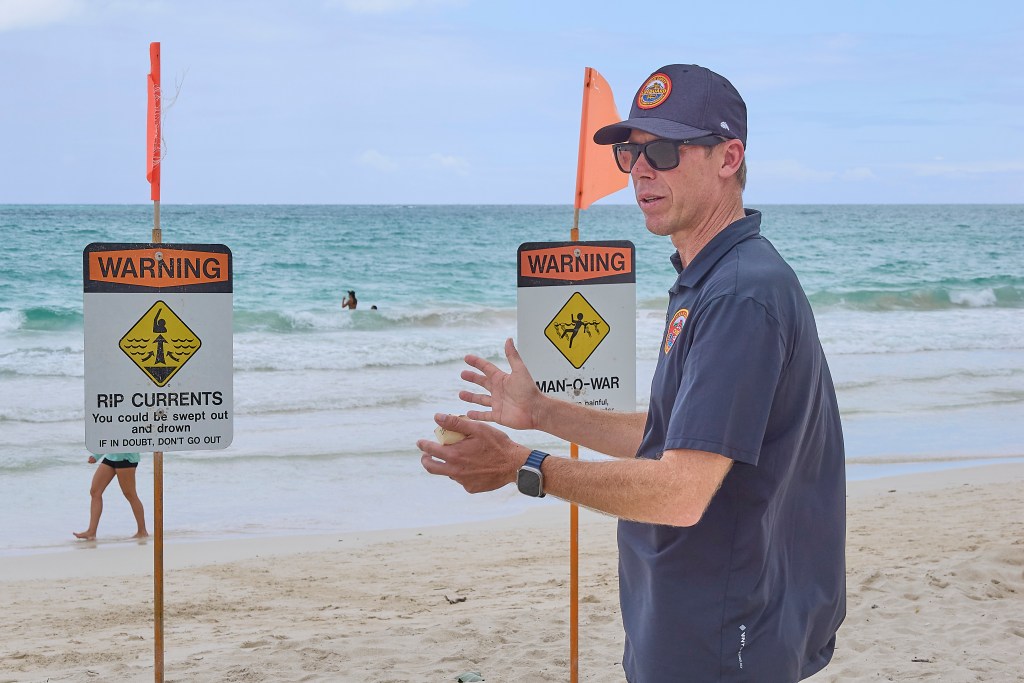
“I don’t think ocean safety’s ever gone backward. I think there’s been periods of quick growth and then it levels out for a while,” Lager said. “I think as long as we’re making progress, we’re heading in the right direction.”
Mostly, the people in charge of keeping Oʻahu’s beaches safe are focused on the task ahead. To reduce the number of people dying in the island’s salty waters, lifeguards and ocean safety leaders say they need more eyes on the water for longer hours, more education for locals on how to navigate the turbulent waters and more yellow foam rescue tubes that can be thrown to someone in trouble to keep them afloat until help arrives.
Blangiardi announced in April that the county is negotiating with the landowner on the North Shore to build a first responder hub across from Sharks Cove, which would include space for both EMS and Ocean Safety.
The Department of Ocean Safety is building its first budget as a standalone department, which includes funding for an additional 33 permanent and contract ocean safety positions at hotspots around Oʻahu and money to install flotation rescue tubes and build or replace six lifeguard towers.
In particular, Lager wants to put towers at beaches with high incidents. Sharks Cove and Three Tables are a high priority, given the popularity of snorkeling spots for both locals and tourists and the large rogue waves that have been known to pull people far out from shore with little warning.
At existing towers, ocean safety officials are trying to expand beach coverage to even more daylight hours. But that would require more staff, and retention has been a long-standing problem. Lifeguards have been known to leave for other first response agencies with more established career ladders, like the Honolulu Fire Department. With increased pay and a clearer path toward management positions at the Department of Ocean Safety, Atwood said it’s improving.
The department is also working on reaching locals with public safety advertisements on locals’ favorite sports and surf channels and the Junior Lifeguard program, which builds teenagers’ ocean safety knowledge. That education is a key part of reducing the number of residents who drown each year, Lager said.
“We can’t hold everyone’s hand when they go to the beach,” Lager said. “So we prevent and we warn. We have a duty to warn of known hazards.
The water, he said, “ at any given time is a hazard.”
Civil Beat’s community health coverage is supported in part by the Atherton Family Foundation.