Memorials To Fire Victims Tell Sweeping Story Of Lahaina
Civil Beat is trying to memorialize everyone who died in the Aug. 8, 2023, fire with meaningful stories about their lives in the historic Maui town.
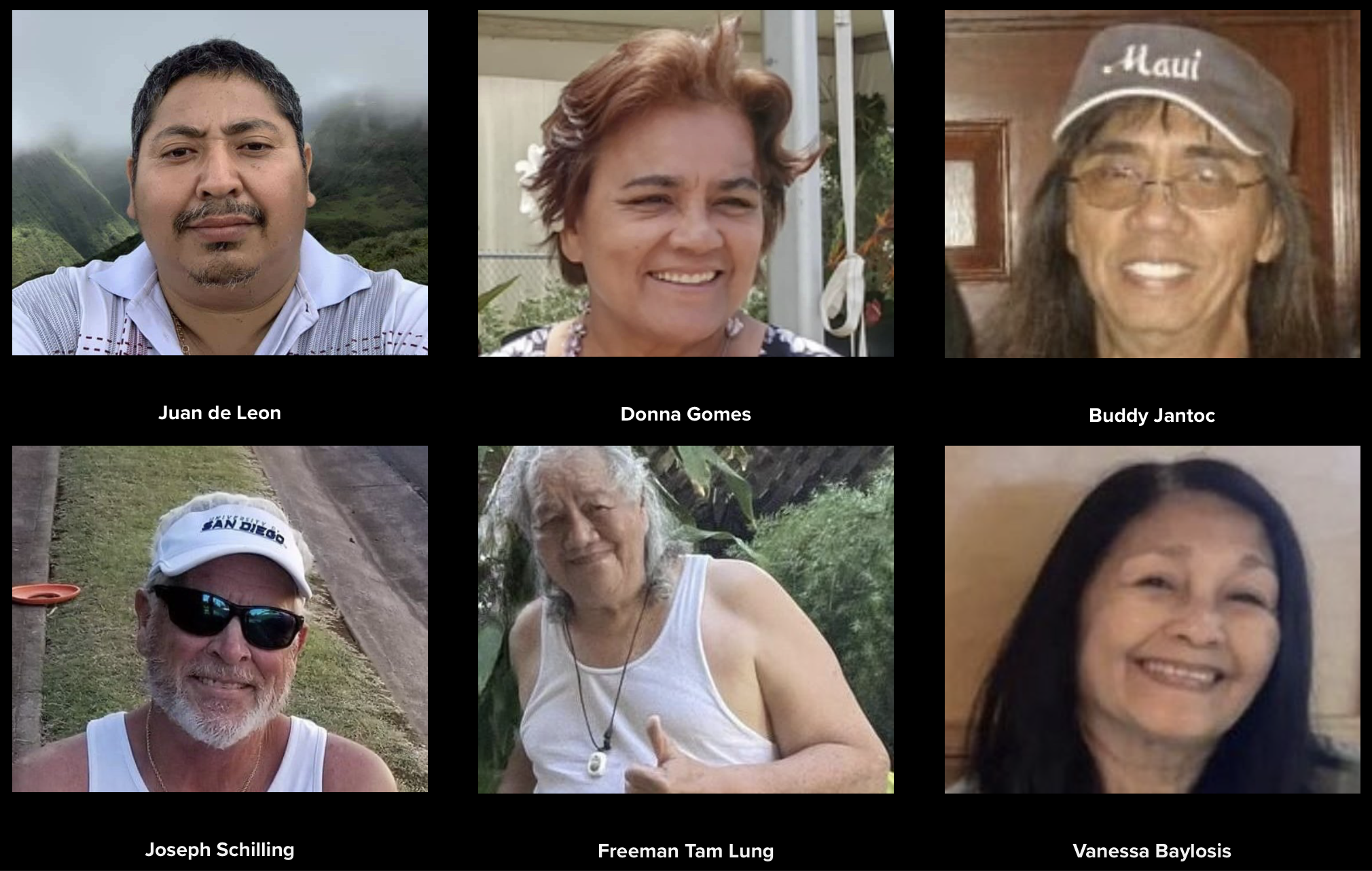
Some had roots in Lahaina that went back generations. Others had planted themselves in West Maui more recently, drawn to the once sleepy town turned tourist mecca in search of work or adventure or love.
Whatever their origins, many of the 102 victims of the 2023 Maui wildfire shared a deep sense of community that each had nurtured in their own way.

Civil Beat’s memorial project aims to tell a meaningful story about every single person who perished in Aug. 8, 2023, Lahaina blaze. Read More.
Glenn Yoshino, who grew up in a plantation home with few resources to spare, loved to throw Christmas parties and always had food to share with his neighbors.
Freeman Tam Lung spent the last year of his life advocating on behalf of his neighbors, trying to prevent their apartment complex from being purchased by an investor.
Tau Ponali, better known as “Minister Tala,” could often be found under the banyan tree, bible in hand, offering to pray with passersby.
John “Thumper” McCarthy spent his days at the Lahaina Yacht Club bar, telling stories to sailors from around the world.
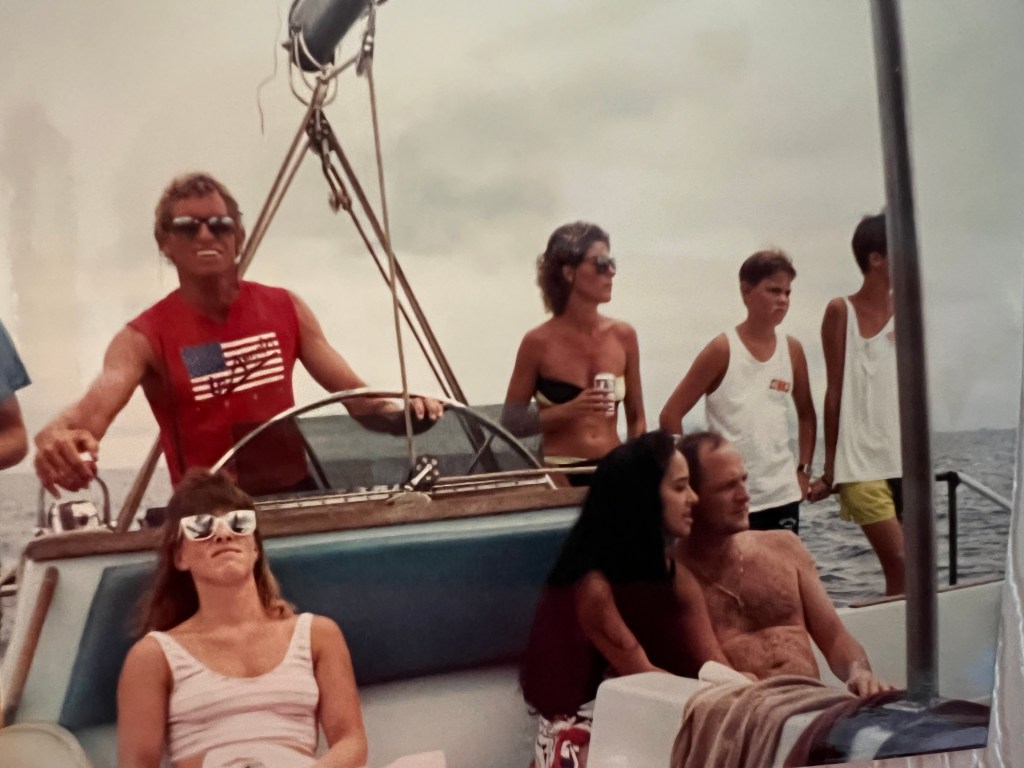
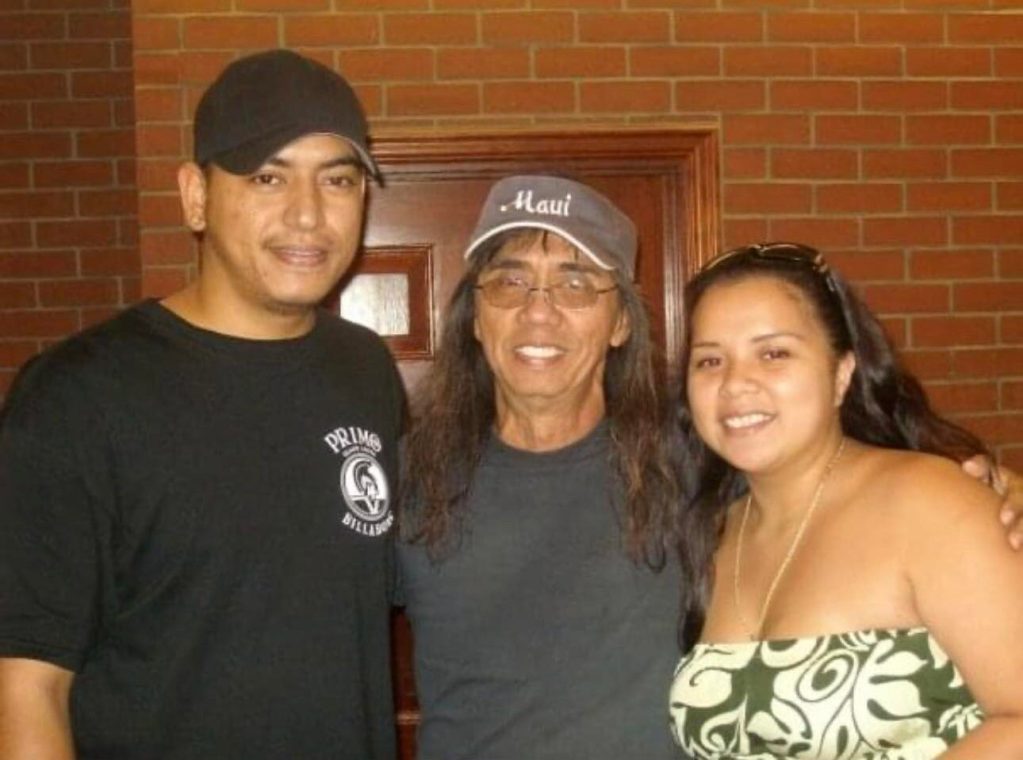
Soon after Maui officials began identifying victims of the Lahaina fire, Civil Beat launched a memorial project with a simple premise: Everyone who died in the fire lived a life worth remembering. Our goal was to tell meaningful stories about their lives, rather than focusing on the events that led to their deaths.
Seen together, they tell a sweeping story of Lahaina.
It was a community of hard-working families and eccentric characters. A place filled with people whose small everyday acts of kindness and sacrifice are often only recognized in hindsight as being truly extraordinary.
Our work on The Lives We Lost is far from over. Two years after the fires, we continue to update the stories in our memorial database — reaching out to family members, scouring court records and pulling from obituaries and online tributes to fill in the gaps as we can.
If you are a friend or family member of someone who died in the fires and want to help us tell the story of your loved one, please email memorial@civilbeat.org
Civil Beat’s coverage of Maui County is supported in part by a grant from the Nuestro Futuro Foundation, and this article was funded in part by the Maui Strong Fund of the Hawai’i Community Foundation.