

Nearly 1 In 5 Warning Sirens On Oʻahu Were Broken During Tsunami Scare
The Hawaiʻi Emergency Management Agency says two dozen new sirens will be installed by the end of the year.
Pālolo resident Randolph Hack could barely hear the warning sirens during the tsunami warning on July 29 or during a test of the system three days later.
Residents of the Pacific Palisades neighborhood in Pearl City and in Mākaha on Oʻahu’s Westside also found the sirens in their areas faint or inaudible. Hack and other residents on Pālolo’s neighborhood board have been calling for repairs for the siren at a park in the valley for the last two years.
Given the deadly Maui wildfires in 2023 and the constant threat natural disasters pose to communities across Hawaiʻi, Hack said living with a broken siren is “getting to be intolerable.”
Statewide, more than 18% of the 421 warning sirens in Hawaiʻi either need to be fixed or are completely inoperable. That figure is slightly higher on Oʻahu, according to data published after the most recent siren test Aug. 1.
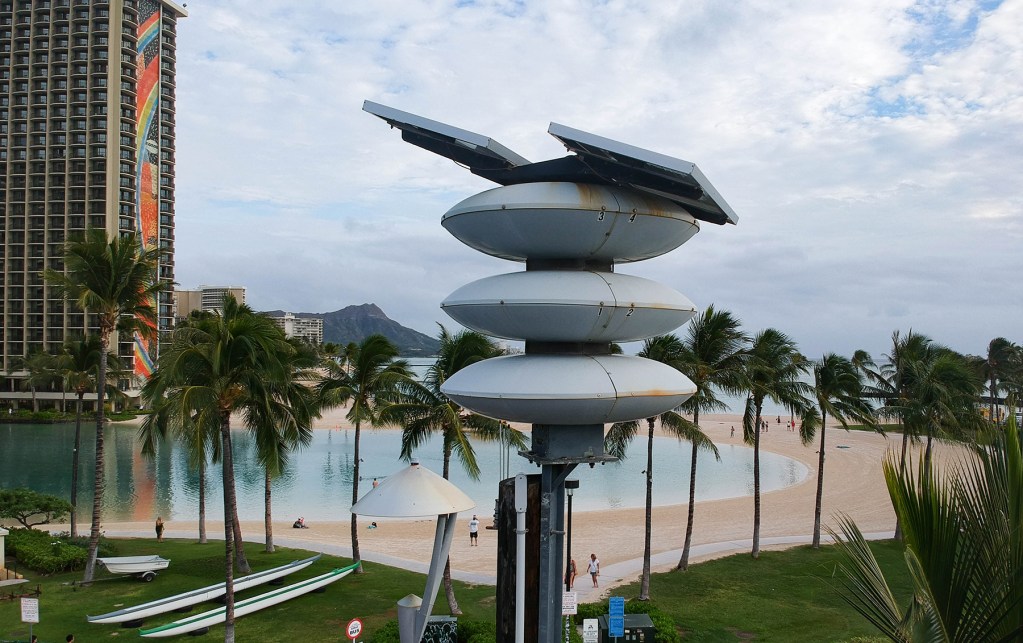
Hawaiʻi has one of the largest integrated warning systems in the world, created after deadly tsunamis that hit the Big Island in 1946 and 1960.
The state’s all-hazards sirens are not only there to warn residents of tsunamis, but can be used if wildfires and other hazards threaten the islands. New technology like text alerts are becoming a key component of the emergency response system; but the sirens, with wails that can reach more than half a mile, can alert almost everyone, including those without televisions or cellphones — so long as the sirens are working.
Oʻahu has 147 fully functioning sirens. Another 26 need to be repaired, and nine are beyond repair, according to the state’s tri-colored siren dashboard.
On the map, sirens in black don’t work at all and need to be replaced. A red label means “90%, it’s not working” and will require an outside contractor to fix; and those in yellow, which can be repaired by state personnel, means “there’s an issue, but it still could sound,” according to James Barros, the state’s emergency management administrator.
The siren in Pālolo has been broken for two years, Hack said. It’s one of the “red” sirens, so he wasn’t surprised when he could barely make out the warning sirens echoing across town late last month when the tsunami watch was upgrading to a warning.
The state’s map shows that the next closest siren on Wilhelmina Rise, on a ridge about half a mile from the Pālolo siren, is one of 24 sirens statewide that doesn’t work and needs to completely be replaced.
There also are gaps between working sirens along Oʻahu’s coastal communities, including on the Westside near Mākaha, along the Windward Coast and on the North Shore.
There were even fewer operating sirens two years ago when wildfires burned across Maui and Hawaiʻi Island. That year, 92 sirens needed repairs or had to be replaced compared to 78 this year.
Following the wildfires, state lawmakers allocated $10 million in the last two years for siren modernization upgrades. The state currently has 343 working sirens.
It costs about $100,000 to install a new siren. Barros said that in addition to ongoing repairs, the 24 sirens currently targeted for replacement will be installed by the end of the year.
It’s hard to keep up, though. As repairs and replacements are made, more sirens break due to age, wear and tear, or vandalism. In recent years, thieves have targeted expensive components of the sirens such as batteries and copper wiring.
Text Alerts Not Widely Used
Each county has its own mobile text alert system, which requires residents to sign up for alerts, and emergency management officials encourage people to do so as an additional component of the alert system.
Unlike the federal emergency alert system, which interrupts radio and television broadcasts and sends very brief messages directly to cell phones accompanied by the alert tone, the opt-in system allows the city to send people more information. That can include links to maps of the tsunami zones, according to Molly Pierce, a spokesperson for Honolulu’s emergency management department.
On Oʻahu, just a fraction of the nearly 1 million residents are signed up for the city’s text system called HNL Alerts — about 90,000, Pierce said. The alerts also require connection to cell towers, which failed during the wildlfire that destroyed Lahaina, leading to a telecommunications blackout that hampered evacuation efforts.
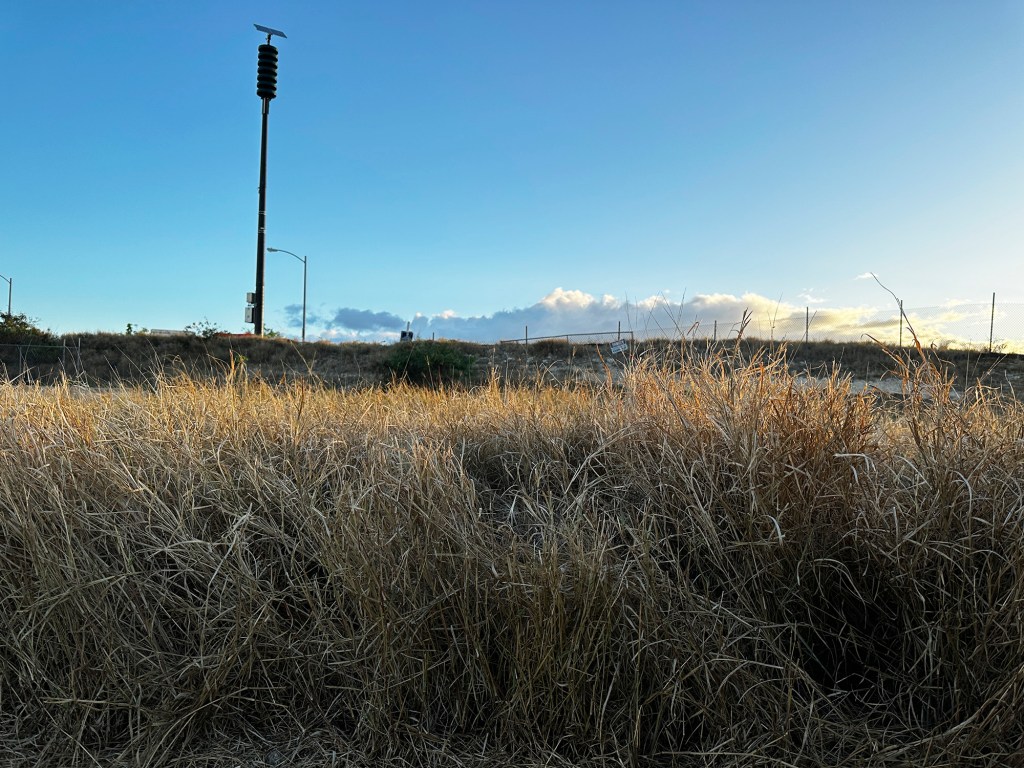
The 2023 fires and tsunami warning in July have put emergency alerts top of mind for people like Hack, who worries for communities like Pālolo with spotty cell service and elderly people who don’t have smartphones.
“I know there are other means of alerting, but this was a confusing episode,” Hack said of the tsunami warning.
The state could end up paying a bigger share of the upkeep of sirens in the coming years. Siren maintenance was paid in part by grants administered by the Federal Emergency Management Agency, funding targeted for cuts by the Trump administration.
Barros said that the state also has been working on relocating new sirens farther inland to take them out of the path of potential tsunami waves. And the emergency management department has looked into acquiring bigger, more powerful sirens that can reach a larger area.
The state also has used mobile sirens in West Maui ever since the August 2023 wildfire destroyed permanent structures. Barros said those mobile units will be moved around to areas with inoperable sirens and other “high threat areas” once permanent sirens are reinstalled in West Maui.

